

Wild Planet


Wildly Delicious
Taste the difference in every wild catch!
Taste the delicious


Wild Planet Sustainable Seafood Collection
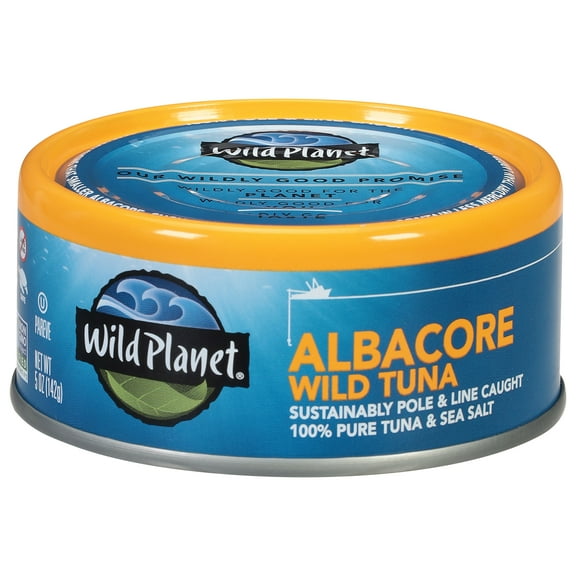
Wild Planet Albacore Wild Caught Tuna with Sea Salt, 5 oz Can Options from $4.47 – $13.41
 5 optionsAvailable in additional 5 optionsOptions from$447– $1341
Wild Planet Albacore Wild Caught Tuna with Sea Salt, 5 oz Can
Save with
 Delivery as soon as 23 minsPickup as soon as 11am
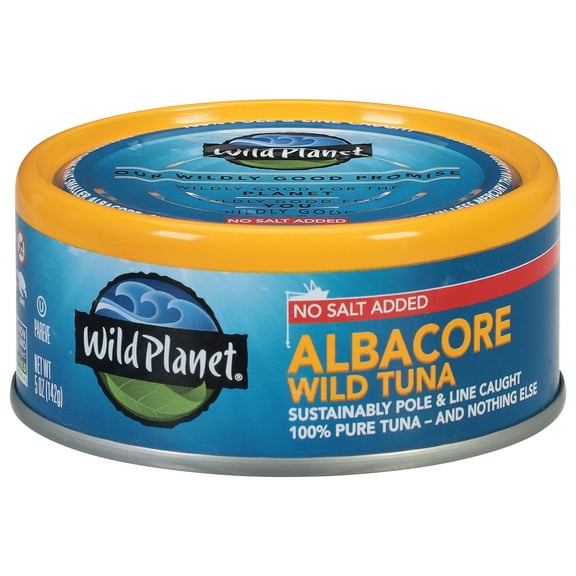
Wild Planet Albacore Wild Caught Tuna, No Salt Added, 5 oz Can Options from $4.47 – $17.88
 5 optionsAvailable in additional 5 optionsOptions from$447– $1788
Wild Planet Albacore Wild Caught Tuna, No Salt Added, 5 oz Can
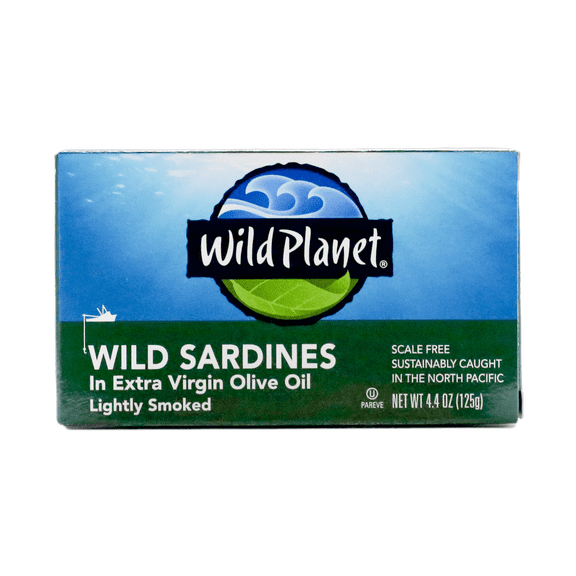
Save withDelivery as soon as 23 minsPickup as soon as 11amWild Planet Wild Caught Sardines in Extra Virgin Olive Oil, Lightly Smoked, 4.4 oz Can Options from $6.47 – $11.64
 6 optionsAvailable in additional 6 optionsOptions from$647– $1164
Wild Planet Wild Caught Sardines in Extra Virgin Olive Oil, Lightly Smoked, 4.4 oz Can
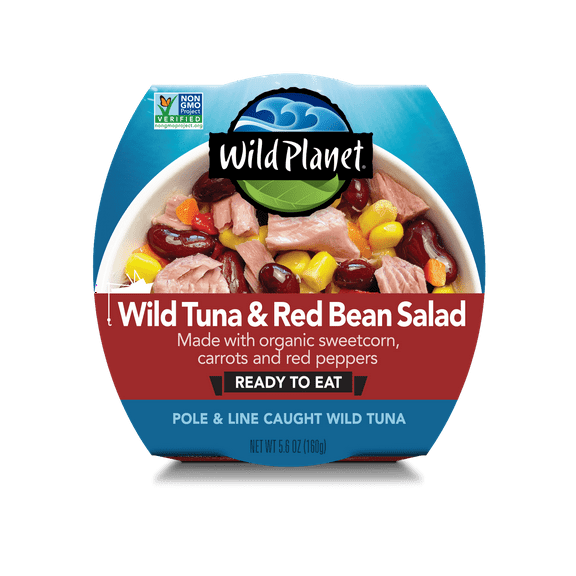
Shipping, arrives in 3+ daysWild Planet Wild Caught Tuna & Red Bean Salad with Veggies, Ready to Eat, 5.6 oz Can Options from $5.29 – $17.88
 3 optionsAvailable in additional 3 optionsOptions from$529– $1788
Wild Planet Wild Caught Tuna & Red Bean Salad with Veggies, Ready to Eat, 5.6 oz Can
Shipping, arrives in 3+ daysWild Planet Albacore Wild Caught Tuna, No Salt Added, 3 oz Pouch Options from $4.99 – $23.20
 2 optionsAvailable in additional 2 optionsOptions from$499– $2320
Wild Planet Albacore Wild Caught Tuna, No Salt Added, 3 oz Pouch
Shipping, arrives in 3+ daysWild Planet Wild Caught Tuna White Bean Salad with Veggies, Ready to Eat, 5.6 oz Can Options from $4.47 – $17.88
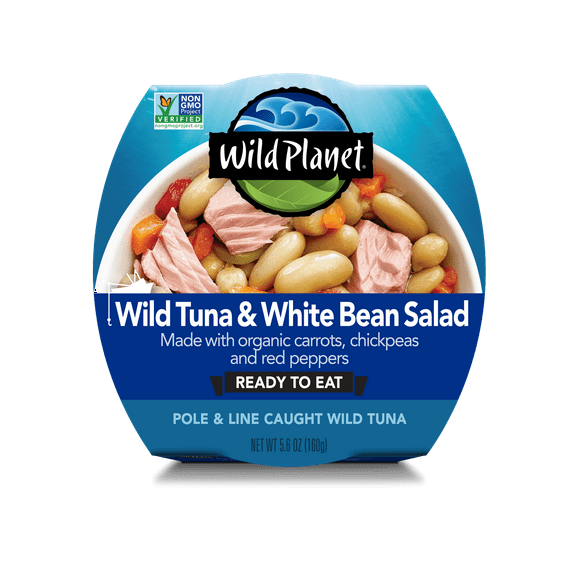 3 optionsAvailable in additional 3 optionsOptions from$447– $1788
Wild Planet Wild Caught Tuna White Bean Salad with Veggies, Ready to Eat, 5.6 oz Can
Save withDelivery as soon as 23 minsPickup as soon as 11amWild Planet Ready to Eat Wild Caught Tuna Pasta Salad with Veggies, 5.6 oz Can Options from $4.47 – $40.23
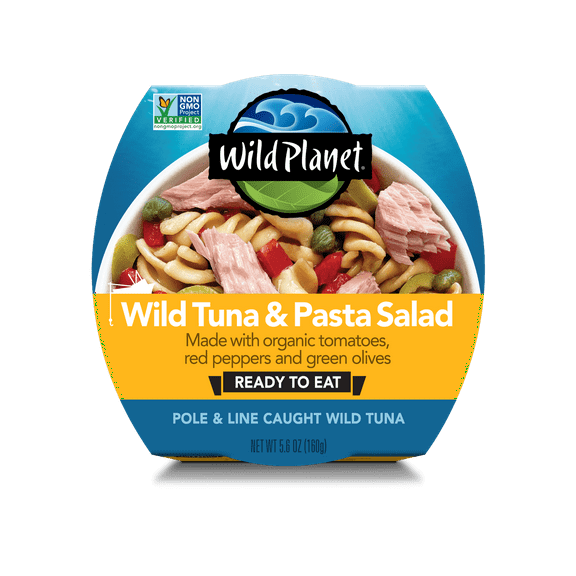 3 optionsAvailable in additional 3 optionsOptions from$447– $4023
Wild Planet Ready to Eat Wild Caught Tuna Pasta Salad with Veggies, 5.6 oz Can
Save withDelivery as soon as 23 minsPickup as soon as 11amWild Planet Wild Caught Albacore Tuna in Extra Virgin Olive Oil, 5 oz Can Options from $5.99 – $51.00
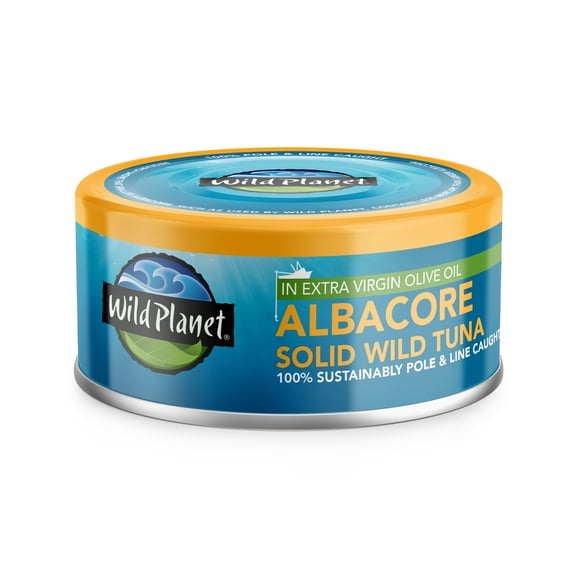 3 optionsAvailable in additional 3 optionsOptions from$599– $5100
Wild Planet Wild Caught Albacore Tuna in Extra Virgin Olive Oil, 5 oz Can
Shipping, arrives in 3+ daysWild Planet Organic Roasted Chicken Breast with Sea Salt, 5 oz Can Options from $10.14 – $67.32
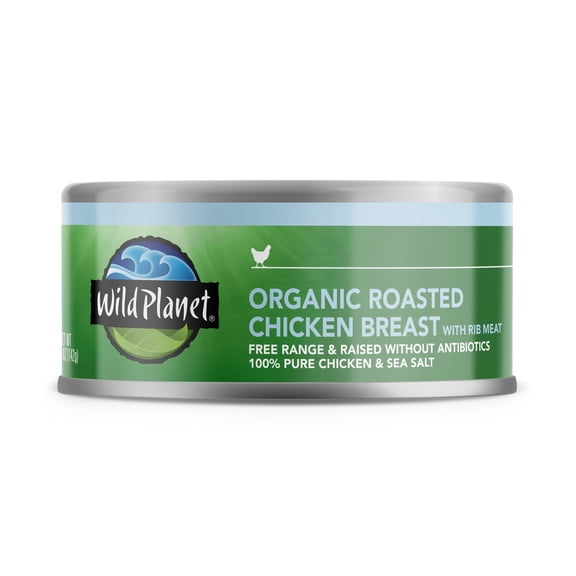 3 optionsAvailable in additional 3 optionsOptions from$1014– $6732
Wild Planet Organic Roasted Chicken Breast with Sea Salt, 5 oz Can
Save withShipping, arrives in 2 days


Understanding Wild Planet
What makes Wild Planet different from other canned seafood brands?
Wild Planet is committed to sustainably caught, high quality seafood. The fish are harvested using selective methods that help protect ocean ecosystems and are packed without unnecessary additives. The result is seafood that tastes better and supports long term ocean health.
Is Wild Planet seafood sustainably sourced?
Yes. Wild Planet works with fisheries that follow responsible, science based fishing practices. These methods help maintain healthy fish populations and reduce impact on marine life, so customers can feel confident choosing Wild Planet.
Why does Wild Planet tuna look and taste different?
Wild Planet tuna is not pre cooked before canning. Instead, it cooks naturally in the can, which helps preserve its firm texture, rich flavor, and natural omega 3s. No added water or fillers—just high quality tuna.
Is Wild Planet seafood a healthy choice?
Wild Planet products are: • High in protein • Naturally rich in omega 3 fatty acids • Non GMO • Free from artificial preservatives and fillers Many options are also lower in mercury, making them a great choice for everyday meals.
What ingredients are in Wild Planet products?
Wild Planet keeps ingredients simple and transparent. Each product contains only what’s needed—no hidden ingredients or unnecessary processing. The label clearly shows what’s inside so shoppers know exactly what they’re buying.
What are Omega 3 Fatty Acids?
There are three primary types of Omega 3 fatty acids; ALA, EPA and DHA. ALA Omega 3 fatty acids are found in plants like flax and chia. EPA and DHA Omega 3s are found in fish, shellfish and marine algae. While our bodies can convert the plant based ALA Omega 3s into EPA and DHA, the conversion rate in our bodies is very low. So it is important to get EPA and DHA Omega 3 fatty acids from your diet, and Wild Planet seafood is an excellent source of these important EPA/DHA Omegas. Please see our individual product pages to find the combined totals of these Omega-3s in each of our products. Alternatively, you may view our comparative chart for all products
Can I eat Wild Planet products right out of the can?
Yes, all of our products are fully cooked and safe to eat right out of the can, jar or pouch.
Why do Wild Planet labels sometimes change?
At Wild Planet, our labels and nutrition panels will occasionally change. The following are reasons for these changes: • Updates to FDA labeling requirements • Changes in the product due to a change in harvest/processing site, or a change in nutritional content due to natural variation. • Cosmetic changes so that labels are easier to read and more appealing.
Are there other nutritional advantages to eating fish rather than taking Omega-3 supplements?
Research has shown that obtaining Omega 3 fatty acids from food sources may be a better choice than using supplements. While concentrated fish oil capsules may be a good way of obtaining isolated Omega 3s, that refining process can eliminate other necessary nutrients that are present in whole fish, such as calcium, Vitamin D, and the antioxidant selenium. Research has also shown that the absorption of Omega 3s, as well as the blood pressure regulating properties of Omega-3s, are much improved when they are consumed in whole fish. This is due to the presence of these additional nutrients, proteins and co-factors. Additionally, studies have linked long term use of fish oil supplements with various fatty liver disease conditions.
What are the small crystals resembling glass that are occasionally found in canned seafood?
These harmless crystals, called struvite, are formed by magnesium, ammonia and phosphate, elements occurring naturally in seafood. Sometimes, during the cooking process, these elements crystallize to form what looks like tiny particles of glass. They are safe if consumed, as natural stomach acids will dissolve the crystals, which are then absorbed by the body. They also dissolve when boiled in lemon juice or vinegar.
Frequently Asked Questions
How long has Wild Planet been in business?
The company was founded in 2004 by Bill Carvalho with the assistance of Bill McCarthy. These two industry veterans, with a combined 60 years of experience, wanted to start a company that addressed the need to preserve the marine habitat while still harvesting wild seafood. It was their vision that these needs could successfully co-exist. Wild Planet Foods brought this vision to life with a product line of sustainably-sourced wild seafood. The wild ocean ecosystem is an abundant food production resource that must remain that way; the name Wild Planet arose from this concept
Where are Wild Planet products sourced?
Albacore Tuna: Pole & line fleets, as well as troll fleets, in the North Pacific working in the United States and Japan. We also source a smaller amount of albacore from troll vessels working in New Zealand. Skipjack Tuna: Pole & line caught in Japan, Indonesia or the Maldives by small-scale family fishing vessels. Sardines: Sustainably sourced from well-managed Pacific fisheries in Japan and Atlantic fisheries in Morocco, our wild sardines are single-species caught using unassociated purse seine nets. The vessels sourcing these sardines do not employ the use of unsustainable Fish Aggregating Devices; conversely, they target free-swimming schools of sardines. Any incidental bycatch of other species, such as mackerel or anchovy, is fully retained and utilized. These fisheries are examples of excellent fishery management and as such, provide abundant stock for harvest. Wild Planet offers two varieties of sardines: traditional, which include nutrient-rich skin and bones; as well as skinless, boneless fillets. • Salmon: We offer pink and sockeye Salmon, both sourced in Alaska. • Anchovies: Primarily in the waters off the Atlantic coast of Morocco. • Yellowtail: Off the Pacific coast of Japan. • Mackerel: Off the Atlantic coast of Morocco and the Pacific coast of Japan. • Organic Roasted Chicken Breast: Virginia and West Virginia.
Are Wild Planet fish products wild caught or farm raised?
Wild Planet carries only wild-caught seafood products, our fish are never farmed.
How are Wild Planet fish caught?
Our tuna are caught individually using pole & line or trolling methods. The pole & line fishing method involves catching tuna one by one, using a pole, line and hook. The troll fishing method involves fishing with a lure on a line that you pull through the water.* These methods ensure that no other marine life is caught or harmed in the process, unlike long-line and FAD (fish aggregating device) purse seine methods which are employed by other tuna companies. Wild Planet’s pink salmon, sardines, anchovies, mackerel and yellowtail are “free school” purse seine caught and Wild Planet’s sockeye salmon is “free school” drift and set net caught; no FADs are used to attract the fish with either method. *Troll fishing should not be confused with trawl fishing, which involves a large, wide-mouthed fishing net dragged by a vessel along the bottom or midwater.
Why aren’t Wild Planet tuna, sardines, and anchovies canned in the U.S.?
It is Wild Planet’s mission not only to produce sustainable seafood, helping our oceans to thrive, but to produce that seafood at a cost which the average family can afford. To accomplish this, we have elected to process our albacore and skipjack tuna, sardines, yellowtail, mackerel and anchovies in state-of-the-art partner facilities in Vietnam, Thailand, Morocco, Ecuador, Cape Verde and Spain. Each of these canneries is required to meet international sanitation and worker welfare standards, and they are third-party audited to ensure continued compliance. We are pleased to share these photos from our cannery in Vietnam. Since Wild Planet sources from environmentally-exemplary fisheries around the world, our selection of strategically-located canning facilities noted above also results in fewer transportation miles. Please read the Wild Planet perspective on this topic here: The Wild Planet Perspective: Wild Planet Overseas Processing Facilities. When possible, we partner with U.S. canneries. Wild Planet Sockeye and Pink Salmon are canned in Alaska, near the fisheries, and Wild Planet Organic Roasted Chicken Breast is canned in Georgia.
Are Wild Planet products gluten free?
Wild Planet’s Wild Tuna Pasta Salad Ready-To-Eat Meal – 5.6oz contains gluten in the fusilli pasta. All other Wild Planet Foods products, including the remaining ready-to-eat tuna bowls, do not contain gluten. Strict sanitation plans are in place to prevent cross-contamination. If you would like more specific allergen information, please call or email our Customer Service department, and we will be happy to answer your questions.
Do Wild Planet products contain soy or soy based ingredients?
None of our products contain soy in any form. Unlike many brands of tuna, Wild Planet tuna does not contain vegetable broth, hydrolyzed vegetable proteins or any other liquids or fillers, which often contain soy. Wild Planet tuna, as well as our salmon and chicken, are packed in their own natural juices, and are available with or without sea salt. A note of possible concern is our Organic Roasted Chicken Breast. The diet of the chickens is supplemented with both soy and corn. For those with extreme allergies it is recommended that an allergist be consulted to determine if that may be an issue. An exception to the once-cooked process is our albacore tuna in olive oil. It is twice-cooked like our sardines, yellowtail, mackerel and anchovies. These twice-cooked products are packed in organic extra virgin olive oil, or water, none of which contain soy. Our Pink Shrimp (discontinued 2018) is packed with natural citric as well as water and salt.
Does Wild Planet use packaging containing BPA?
All of Wild Planet’s current products are packed in cans that do not have the intentional addition of BPA in the can lining formulation. We only buy cans and lids from manufacturers that do not use BPA in the lining formulation.
Are your pouches recyclable?
Our pouches are made of a multi-layered packaging material and aren’t recyclable. We primarily sell our products in fully-recyclable cans. We introduced our pouches in response to our customers’ request for more convenience. Wild Planet Foods is currently developing a new format of recyclable, single-serving packaging to add to our recyclable convenience solutions.
Are Wild Planet products safe to consume past the Best By date?
The dates which we imprint on our shelf-stable products are to inform consumers of their best “quality” dates, not “safety” dates. As per the U.S. Food and Drug Administration, if a product is stored properly, it should still be safe to consume after its “Best By” date. You may read more information on the FDA’s Food Facts. As an additional resource, you may also visit the USDA’s Shelf-Stable Food Safety page containing a food storage chart that lists how long food should keep if stored properly. According to this resource, low-acid canned goods, such as fish, should be consumed within 2-5 years of the production date.
Walmart aims to show you accurate product information. Manufacturers, suppliers and others provide what you see here, and we have not verified it