

Law Books in Books



























About Law Books in Books - Walmart.com
Law books help you study legal concepts, compare authorities, and build a reliable reference shelf for class or practice. You can use this category to narrow choices by legal field, format, audience, and publication type.
If you're preparing for coursework, you'll want titles that match your syllabus and current assignments. If you're building a desk reference, you'll want editions that reflect current statutes and citation standards.
How to choose law books for your goals
Your first decision is whether you need academic texts or working references for daily legal tasks. You may compare law school books, legal reference guides, and practical study aids based on how you'll use them.
For coursework, you'll often need casebooks, hornbooks, and study companions that track a specific class. For office use, you'll often prefer statute books, legal dictionaries, and desk references you can consult quickly.
You should also check edition currency before you choose a title. You need recent editions because statutes, rules, and interpretations can shift over time.
- You can match criminal law books to classes on procedure, evidence, and core doctrine.
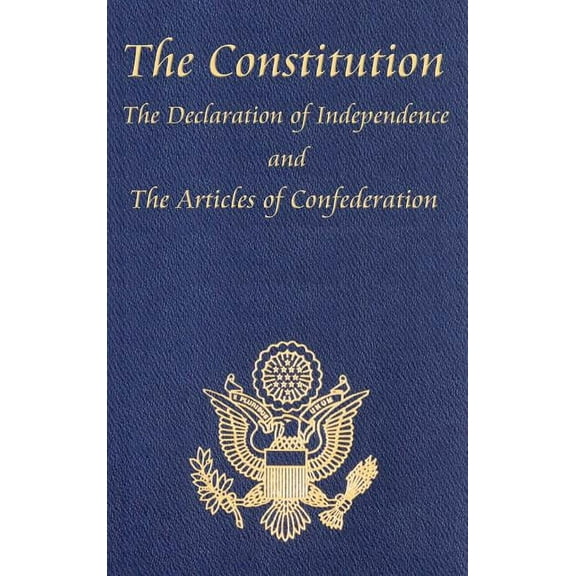
- You can compare constitutional law books when you need cases, commentary, and structured outlines.
- You can use business law books for contracts, corporations, compliance, and commercial coursework.
- You can look for legal textbooks in hardcover, paperback, e-book, or loose-leaf formats.
- You can choose legal reference guides when you need definitions, citations, or quick rule lookups.
Choosing by legal field and publication type
Your subject choice shapes how useful a title will feel once you start reading. You should begin with the legal field you study, support, or research most often.
If you focus on criminal law, you may want books covering criminal procedure, punishment theory, and landmark cases. If you study constitutional law, you may want judicial review, federal powers, and civil liberties coverage.
When your work centers on commerce, you may prefer business law books on contracts, agency, corporations, and secured transactions. When your interests are broader, you may compare civil law or international law texts for cross-border topics and procedural frameworks.
Your publication type matters just as much as the subject itself. You can choose textbooks for structured learning, casebooks for primary opinions, and study guides for focused review.
You may also want legal dictionaries when you need plain definitions for unfamiliar terms. You can keep statute books nearby when you need the text of rules and codes in one place.
If your instructor assigns a casebook, you should confirm the exact edition before you buy. If you prefer a hornbook, you can use it for narrative explanations that connect rules and cases.
Comparing legal textbooks by format and audience
Your format choice affects how you read, annotate, and carry your materials. You can compare physical and digital options based on note-taking habits and daily routines.
If you highlight heavily, you may prefer hardcover or paperback copies with visible tabs and margin notes. If you read across devices, you may prefer an e-book for searchable text and quick access.
You can consider loose-leaf formats when your course or reference needs frequent updates. You may find that replaceable pages help you keep current material organized without replacing the whole volume.
Your audience also changes what kind of detail feels useful. If you're a law student, you may want chapter summaries, case excerpts, and review questions.
If you're a legal professional or paralegal, you may want faster-reference layouts and narrower subject depth. If you're part of the general public, you may prefer accessible legal reference guides with clearer explanations and less classroom structure.
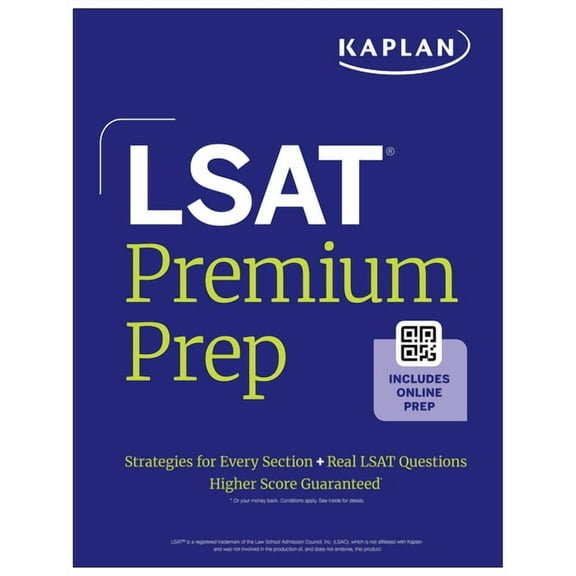
You should also think about citation support before choosing a title. If your work involves Bluebook citation, you may want resources that help you format citations consistently across briefs, memos, and notes.
Using law books for study, research, and reference
Your needs can change during a semester, exam period, or work project. You may start with legal textbooks for class and add legal reference guides for daily clarification.
During course prep, you can pair casebooks with study guides to reinforce dense readings. During exam review, you may rely on outlines, issue summaries, and subject-specific law school books.
If you're building a professional shelf, you can organize titles by practice area and task. You may keep constitutional law books for foundational questions and business law books for transactional research.
For quick desk use, you can choose legal dictionaries and statute books that reduce time spent searching. For deeper reading, you can select longer texts that explain doctrine, policy, and case development.
You can also match books to classroom and office settings. If you commute often, you may prefer lighter paperbacks or e-books, while a permanent workspace may fit heavier hardcovers.
When you compare options, you should verify the audience, edition, and field before deciding. That simple check helps you avoid a criminal law title when you really need constitutional law books or another subject.
With the right mix of law books, legal textbooks, and reference tools, you can support class prep, citation work, and everyday research. You leave with materials that fit your legal field, reading style, and current edition needs.