

Psychology & Social Science Books in Books







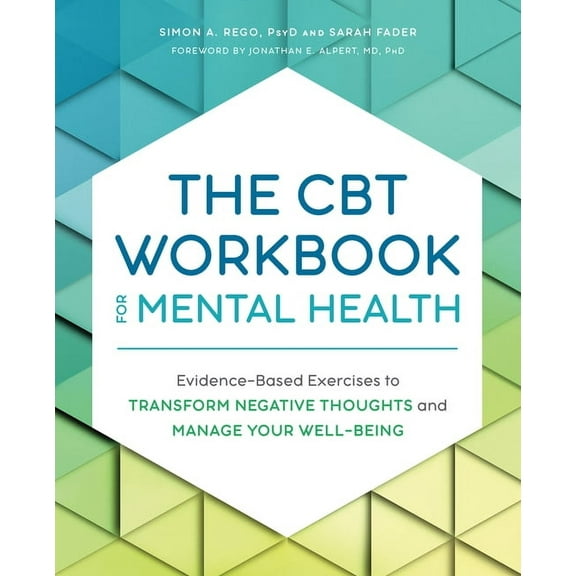







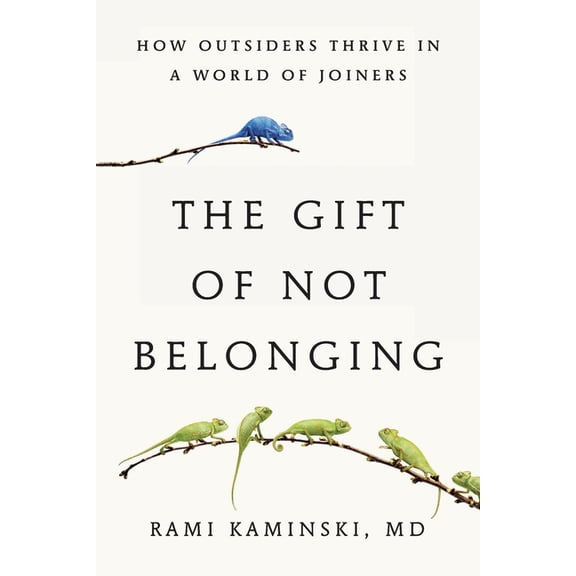





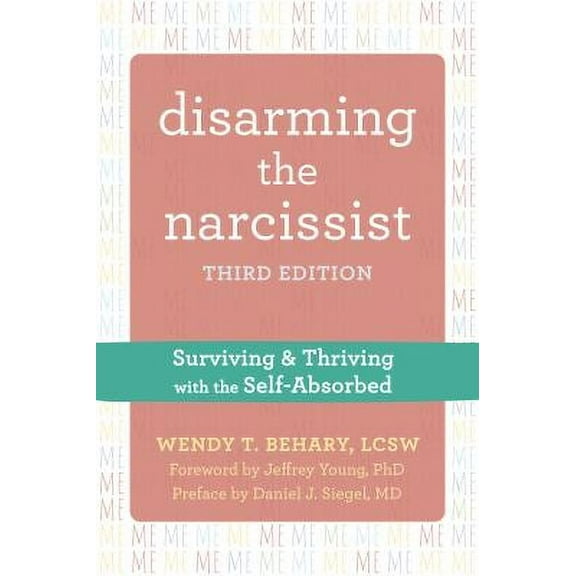







About Psychology & Social Science Books in Books - Walmart.com
Psychology social science books help you explore human behavior, culture, and institutions with clearer context for classwork, research, or personal reading. You can compare sub-genres, formats, and reading levels on one page, which makes your search more focused.
If you're studying cognition, relationships, or social structures, you can narrow your options by the exact subject you need. You can also find a useful mix of accessible introductions and more rigorous academic texts.
How to choose psychology social science books
You should start with the sub-genre that matches your goal, because each area answers a different kind of question. If your interest is thinking and memory, you may want cognitive psychology before broader social theory.
When your coursework centers on groups and institutions, you may prefer sociology books that explain class, culture, and social change. If your focus is decision-making and observable actions, behavioral science books may fit your reading plan.
You can also compare anthropology and social theory when you want wider perspectives on customs, belief systems, and institutions. That difference matters because each sub-genre organizes evidence and examples in a distinct way.
- You can target a specific field, such as cognitive psychology, sociology, behavioral science, social theory, or anthropology.
- You can match your book to your purpose, whether you're reviewing for class or reading for personal interest.
- You can choose simpler introductions or denser texts with research methodology and peer-reviewed citations.
- You can focus on topics like human behavior, relationships, mental health, or social structures.
Choosing between psychology books and social science books
You may notice psychology books often center on the mind, emotion, learning, and behavior at the individual level. Social science books usually widen your view to communities, institutions, culture, and public life.
If you're comparing the two, you should think about whether your questions start with a person or a society. That simple distinction can help you avoid books that feel too narrow or too broad.
For classes and research, you may need books with citations, research methodology, and structured chapter summaries. For casual reading, you may prefer popular science titles that explain concepts in straightforward language.
You should also check the author's background before you choose a title for deeper study. If your goal is coursework, academic authors and subject specialists can give your reading stronger context.
What to look for in formats and reading levels
You can make your choice easier by comparing paperback, hardcover, audiobook, and ebook formats before you pick a title. Each format supports a different reading habit, schedule, and note-taking style.
If you annotate heavily, you may prefer paperback or hardcover editions that support highlighting, tabs, and margin notes. If you read during commutes, you may lean toward audiobook or ebook formats.
Reading level matters just as much as format when you want the right fit. You may want an introductory guide for broad understanding, while an academic textbook supports coursework and assignments.
If you're building professional knowledge, you may look for a professional reference with dense sourcing and specialized language. If you're reading for curiosity, popular science books can feel more approachable and easier to finish.
You should also compare chapter structure, glossaries, indexes, and reference lists when you need dependable study support. Those details can shape how easily you review theories, track sources, and revisit key concepts.
Using psychology social science books for real goals
If you're preparing for a class, you can choose texts that align with your syllabus, topic focus, and expected reading level. You may often want clear chapter organization and citations you can follow.
When you're exploring personal interests, you may want books on relationships, mental health, or human behavior in plain language. Those topics can help you connect abstract ideas to everyday situations and conversations.
If you're working on papers or presentations, you can narrow your list by sub-genre and author credibility first. That step helps you spend less time sorting through titles that don't match your assignment.
You may also combine formats to fit your routine, such as an ebook for quick access and a hardcover for desk study. That approach works well when your reading moves between home, school, and travel.
For gift giving, you can choose introductory guides when someone is newly interested in sociology or psychology books. You can choose a focused academic text when they already follow a subject like anthropology.
If your interest spans multiple disciplines, you can compare social science books with psychology books to build a more rounded reading list. That combination helps you connect individual behavior with larger social patterns.
How to choose by topic focus
You should decide whether your main interest is human behavior, mental health, relationships, or social structures before you choose a title. That topic filter keeps your reading list relevant from the start.
If you want books about families, communication, or attachment, you may focus on relationships and applied psychology topics. If you want systems-level insight, social structures and sociology books may suit you.
You can also use topic focus to balance personal reading with academic needs. That way, your shelf can include both accessible overviews and deeper works that support long-term learning.
With the right psychology social science books, you can build a reading list that matches your subject, format, and level without unnecessary guesswork. This helps you leave with clearer direction for study, research, or thoughtful everyday reading.