

Education Books in Books

















About Education Books in Books - Walmart.com
You can compare education books by grade, subject, format, and audience to find learning materials that fit your goals. You’ll see options for classrooms, homeschool lessons, homework help, and skill practice in one organized category.
If you’re choosing for a child, you can focus on age-appropriate reading levels and hands-on activities. If you’re teaching or planning lessons, you can compare teacher resource books, study guides, and school textbooks with clearer intent.
How to choose education books by grade level
You should start with grade level alignment because it shapes reading difficulty, vocabulary, and skill expectations. You can narrow choices from Preschool through High School based on what your learner is expected to practice now.
When you compare educational books for kids, you should check whether the content matches classroom expectations or extra review at home. You may also look for Lexile measure details when you want a clearer reading challenge level.
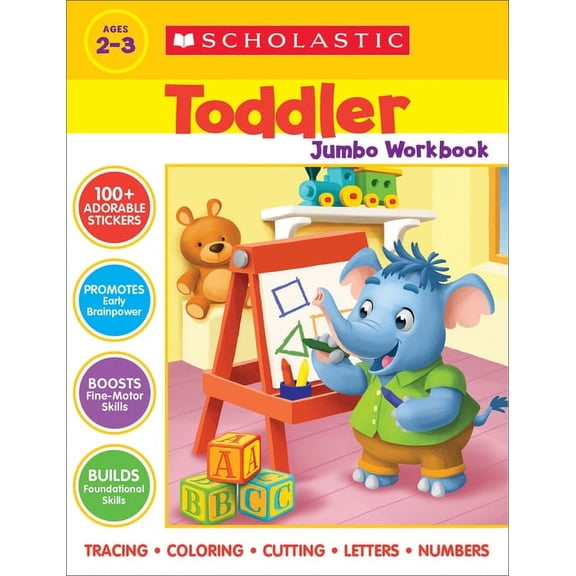
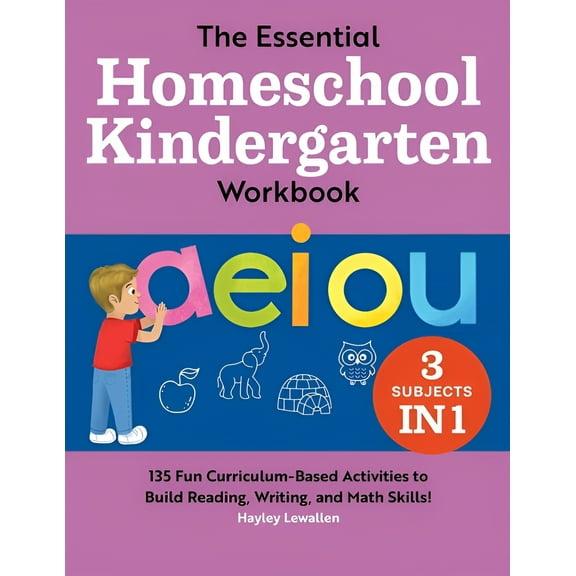
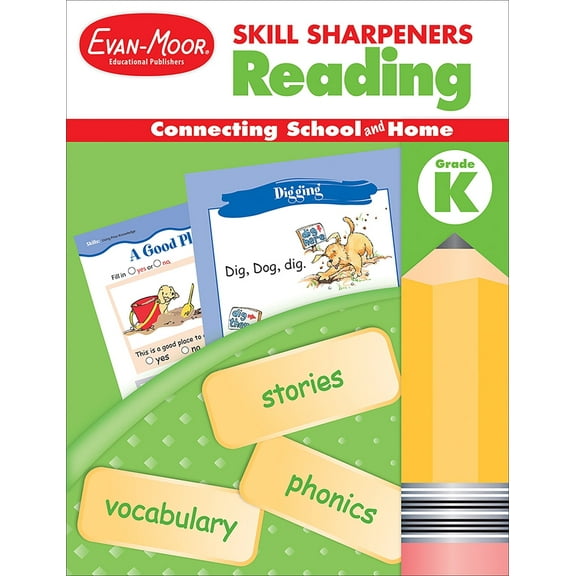
For Preschool and Kindergarten, you’ll often want letter recognition, counting, tracing, and picture-supported directions. For Elementary learners, you may focus on phonics, multiplication, reading comprehension, and beginning science topics.
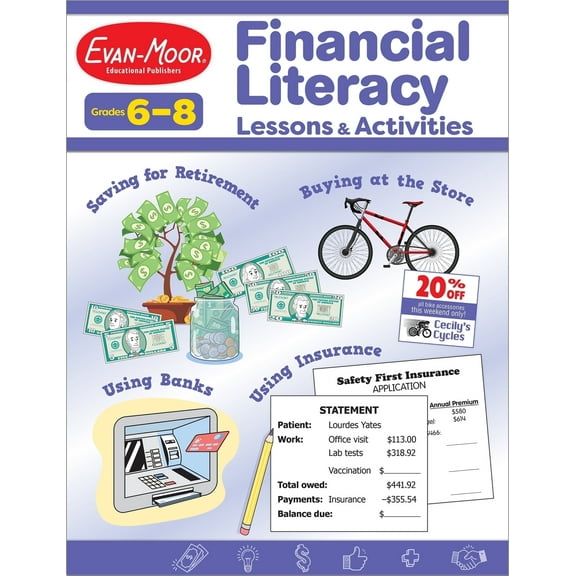
As students move into Middle School and High School, you can look for more detailed explanations, chapter structure, and subject-specific review. You’ll usually need stronger grade alignment when assignments connect to class standards and test prep.
Choosing education books by subject and learning goals
You can make faster choices when you match books to a specific subject and a clear learning goal. You might need targeted skill practice in math facts, reading fluency, grammar, science concepts, or history review.
- You can use math books for counting, multiplication, fractions, or algebra review.
- You can choose science titles for experiments, vocabulary building, and concept summaries.
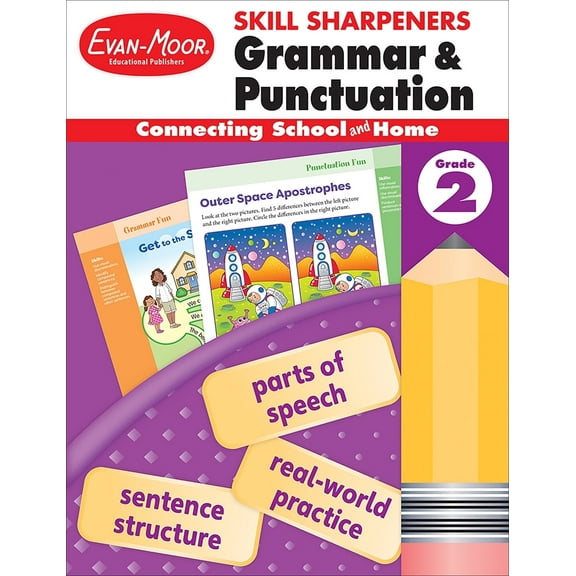
- You can pick reading and writing materials for phonics, handwriting, grammar, and comprehension.
- You can explore history books for timelines, biographies, and primary topic overviews.
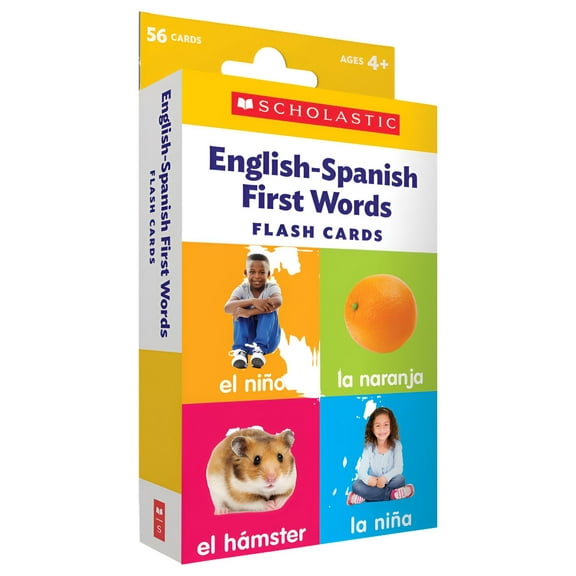
- You can compare foreign language books for vocabulary practice, beginner phrases, and workbook exercises.
If you want broad reinforcement, you can choose general learning books that combine several skills in one place. If you need classroom support, you can select school textbooks or study guides with more focused subject coverage.
You should also consider whether you want curriculum alignment or supplemental practice. Curriculum-aligned materials can mirror school pacing, while supplemental titles can give your learner extra repetition without copying a classroom sequence.
Comparing formats in education books
You can learn a lot from format because each type supports a different routine. You may prefer a workbook for practice, a textbook for full lessons, or flashcards for quick review sessions.
Workbooks often help you structure daily practice with short activities, writing prompts, and skill checks. Textbooks can support longer lessons when you need explanations, examples, and chapter-based organization.
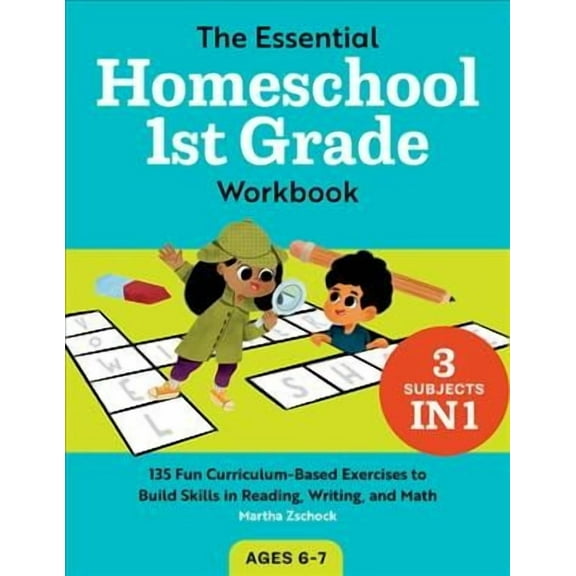
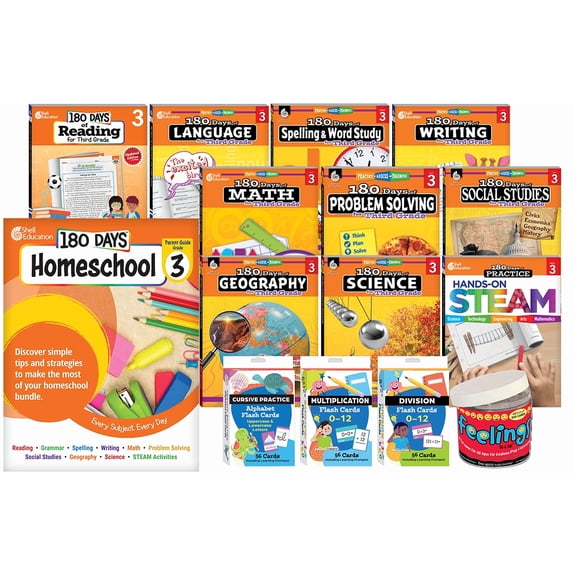
Teacher guides can help you map lessons, discussion points, and pacing for group instruction or homeschool planning. Activity books can keep learners engaged with puzzles, tracing pages, and subject-themed exercises.
You may also want interactive elements instead of passive reading alone. You can look for tear-out sheets, stickers, review pages, or digital access details when you want more active participation.
When you compare formats, you should think about how your learner works each day. You might choose flashcards for short practice bursts, while you may prefer workbooks for steady skill-building across several weeks.
Matching education books to students, teachers, parents, and homeschoolers
You can narrow choices faster when you shop by audience as well as subject. Students, teachers, parents, and homeschoolers often need different layouts, pacing, and instruction depth.
If you’re shopping for students, you may want clear directions, practice space, and examples that support independent work. If you’re a parent, you might look for books that make after-school review easier to manage.
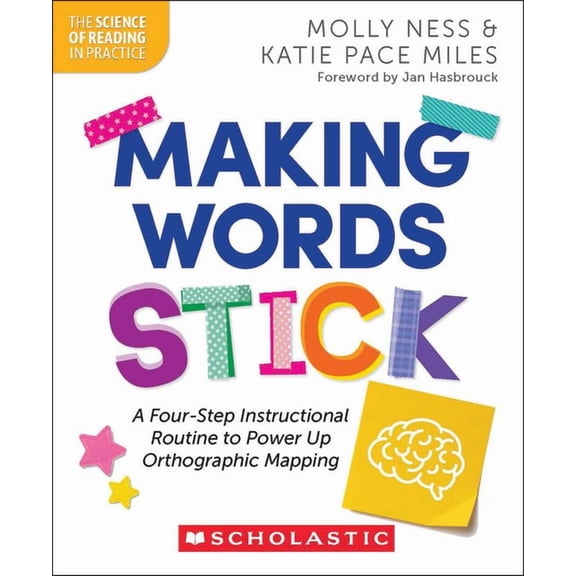
When you need teacher resource books, you can compare lesson planning support, classroom activities, and reproducible pages. You may also want classroom education books that fit centers, small-group learning, or seasonal instruction.
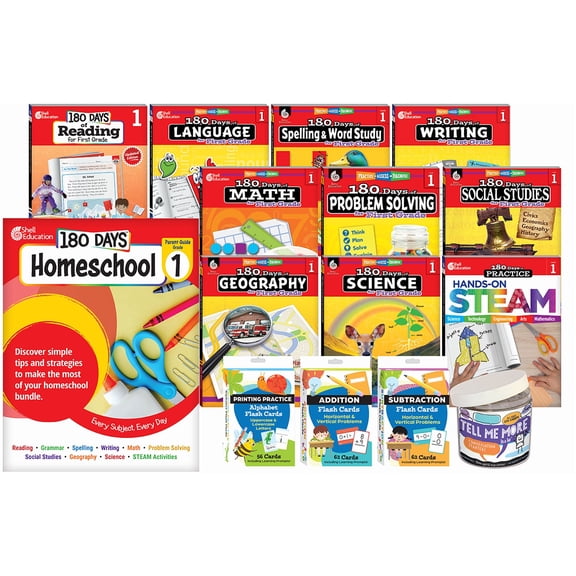
If you homeschool, you can look for materials that balance lesson teaching with practice and review. You may prefer books that cover one subject deeply or combine several skills into a flexible daily routine.
Back to school books can also help you reset routines before classes begin. You can use them for summer refreshers, readiness checks, and smoother transitions into a new grade level.
What to look for before you choose
You should compare reading level, subject focus, and format before you decide. You can also check whether the material supports independent practice, guided teaching, or a mix of both.
Look for page design that matches your learner’s attention span and confidence. You may want shorter exercises for daily repetition or fuller lessons when your student needs deeper explanation.
You can also compare whether a title supports one targeted skill or broader review. That difference matters when you’re choosing between learning books for homework help and classroom education books for ongoing instruction.
With the right education books, you can build a learning routine that feels clearer, more focused, and easier to follow. You’ll get materials that match grade expectations, subject goals, and the way your learner actually studies.