

Midea Dehumidifiers in Midea






About Midea Dehumidifiers in Midea - Walmart.com
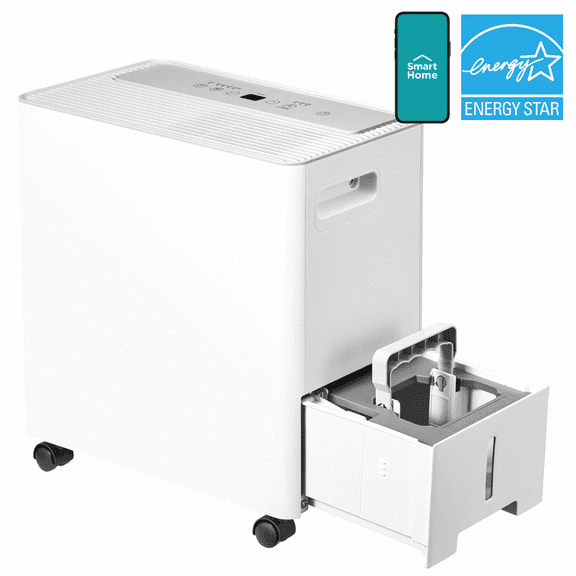
You can compare the Midea smart 50-pint dehumidifier with built-in pump options here when your space needs steady moisture removal and simpler drainage. You’ll also find guidance for capacity, smart controls, and model style, so your choice fits your room.
Midea smart 50-pint dehumidifier with built-in pump benefits
You may choose this category when your basement, laundry area, or larger room needs longer run time and less hands-on emptying. You’ll notice a built-in pump helps your setup reach a sink, window, or higher drain point.
Smart connectivity gives you more control over daily operation. You can check settings, adjust modes, and monitor performance from your phone instead of walking back to the unit.
When you compare models, you can focus on benefits that matter to you in your room layout and routine. You’ll often narrow your choice faster when you start with drainage, capacity, and smart access.
- You can reduce manual bucket trips when you choose a model with a built-in pump.
- You can match pint capacity to your room size, moisture level, and run-time needs.
- You can manage settings more easily when you choose a Midea smart access dehumidifier.
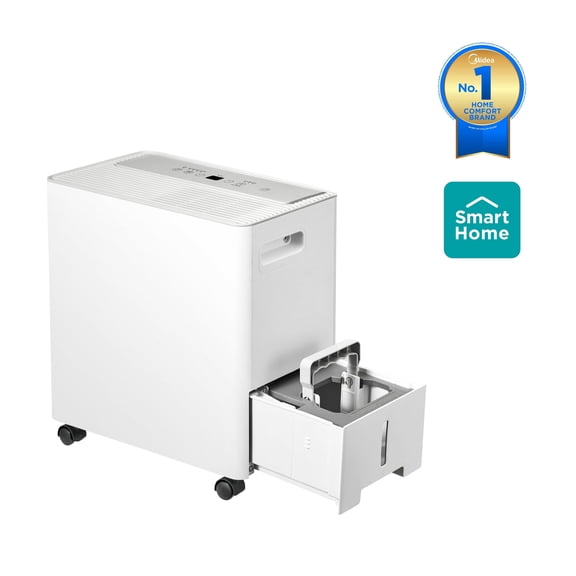
- You can compare cube and traditional formats based on floor space and tank design.
Choosing the right capacity for your home
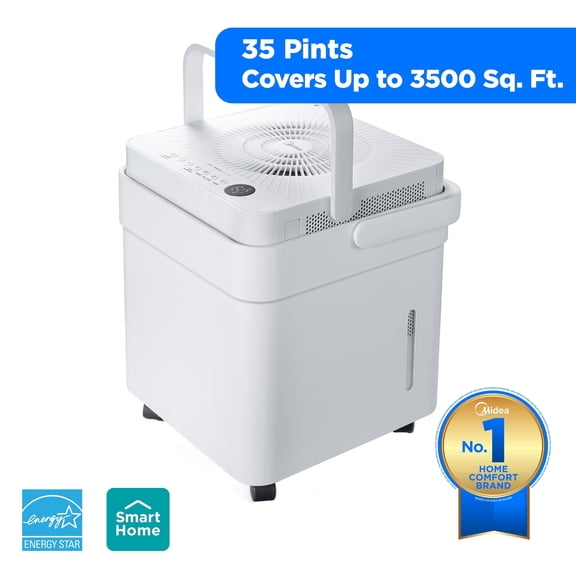
You should start with capacity because it changes how the unit fits your space and moisture conditions. You’ll usually see 20-pint, 35-pint, and 50-pint options for different room demands.
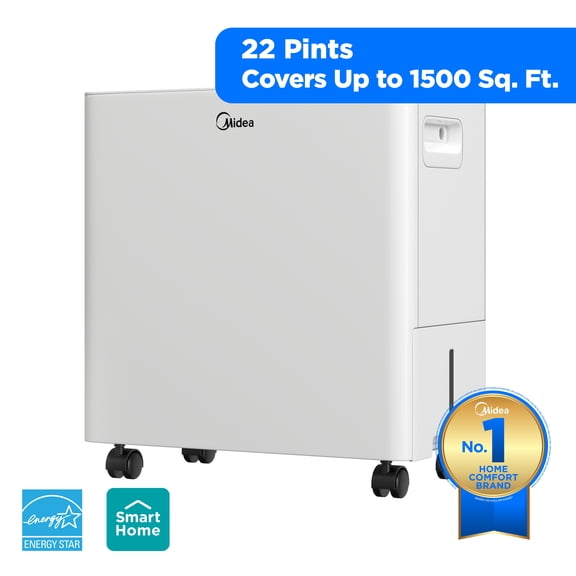
If your room is smaller or lightly damp, you may prefer a 20-pint model for simpler placement. If your room needs broader coverage, you may look at a 35-pint option.
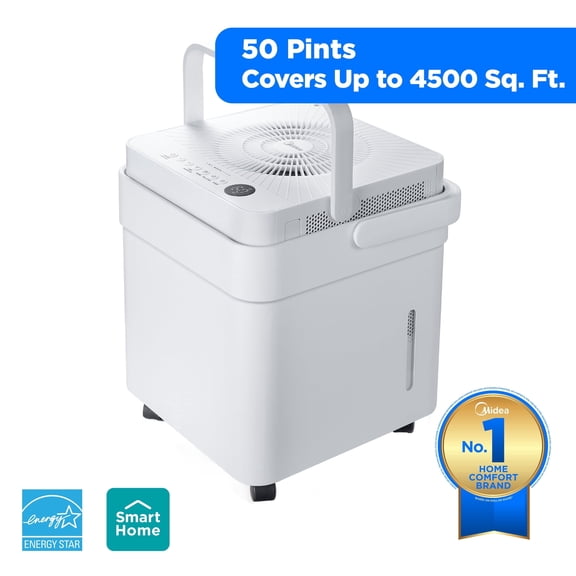
If your basement or larger area feels consistently damp, you may lean toward a Midea dehumidifier 50 pint with pump. You should also compare cube size equivalents when you want a compact footprint with flexible tank storage.
You can use that format when your floor space is limited but your moisture load still calls for serious capacity. You’ll make a clearer decision when you compare room size, drainage path, and placement area together.
Comparing smart features and drainage options
You should look closely at smart controls because convenience can shape your daily experience. You can use app-based access to change settings, check status, and keep operation aligned with your schedule.
Drainage matters just as much as connectivity when you want fewer interruptions. You may prefer a built-in pump if your drain point sits above the unit or farther across the room.
If your setup allows gravity drainage, you can compare hose-compatible models with simpler routing. If your room needs more placement flexibility, you can focus on pump-equipped options that move collected water upward.
You should check whether remote access fits how often you visit the room. You can keep operation more consistent when your unit runs in a basement, utility area, or garage.
Comparing Midea cube and traditional models
You can compare a Midea cube 50 pint dehumidifier with traditional shapes by looking at storage style and room placement. You’ll often choose based on how much vertical space and floor clearance you have.
Cube-style units can suit tighter footprints or rooms where you want a different tank layout. Traditional models can work well when you want a familiar form that slides into a standard corner.
You should check dimensions, tank access, and hose routing before you decide. You can avoid awkward placement when you measure the unit area, nearby wall clearance, and your drainage path first.
How to match these models to real spaces
You may use a 50-pint model in a basement where longer operation and stronger moisture control are critical. You can also place one in a larger utility room when damp air builds up during regular household use.
If your space is an apartment bedroom, office, or smaller storage area, you may compare 20-pint or 35-pint options first. You’ll often get a better fit when your capacity matches the room instead of overshooting it.
For upstairs rooms or spaces without a nearby floor drain, you may prioritize built-in pump models. You can gain more placement options when your drainage line needs to travel upward or across the room.
If your routine includes remote checks and scheduled adjustments, you may favor smart-enabled options. You’ll appreciate that feature when the unit runs in a basement, garage, or other area you don’t visit often.
What to look for before you choose
You should compare capacity, smart access, drainage method, and shape before you finalize your pick. You can narrow choices quickly when you list your room size, drain location, and preferred controls.
You’ll feel more confident when your dehumidifier matches your space instead of forcing workarounds. You can choose with more clarity when you understand how pump drainage, app control, and cube or traditional designs affect daily use.
You can use these decision points to compare inherited variants across this category page with less guesswork. You’ll end with a setup that fits your drain path, floor space, and control preferences.