








Ankle Braces in Ankle Supports

























About Ankle Braces in Ankle Supports - Walmart.com
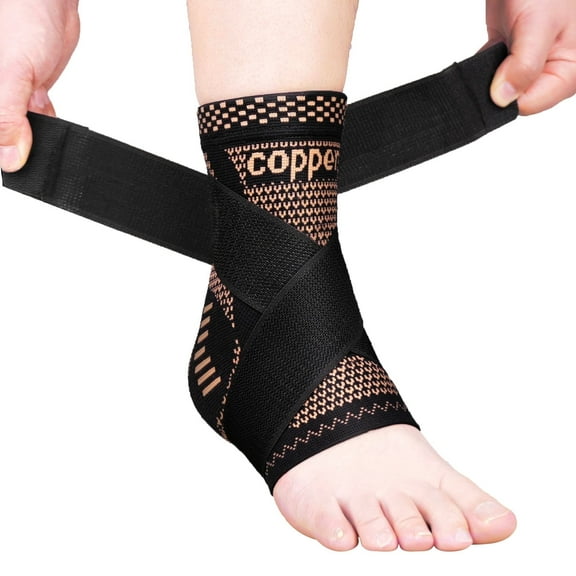
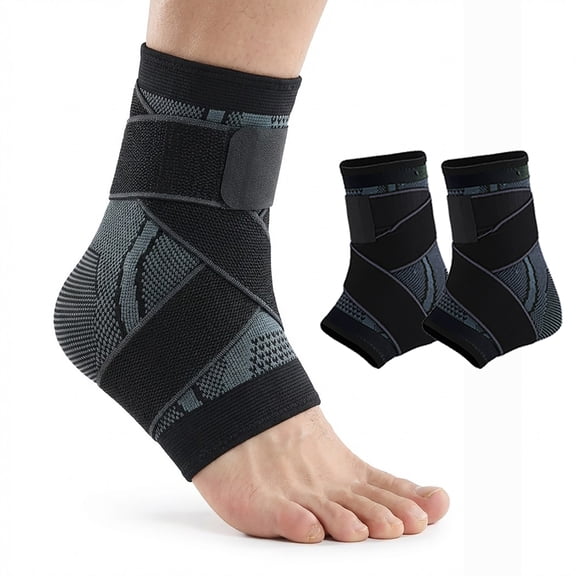
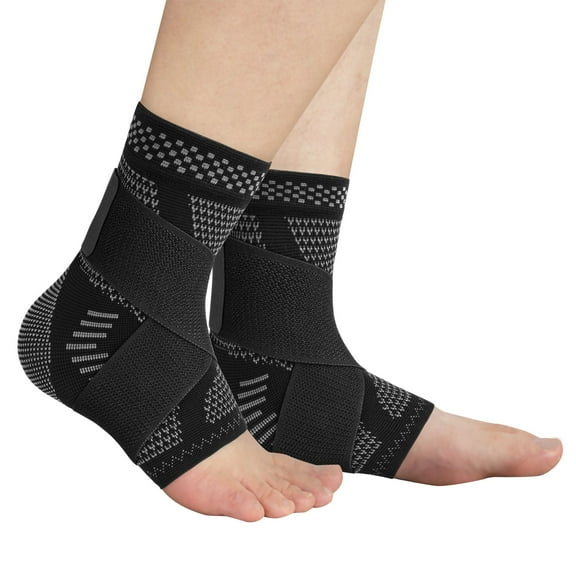
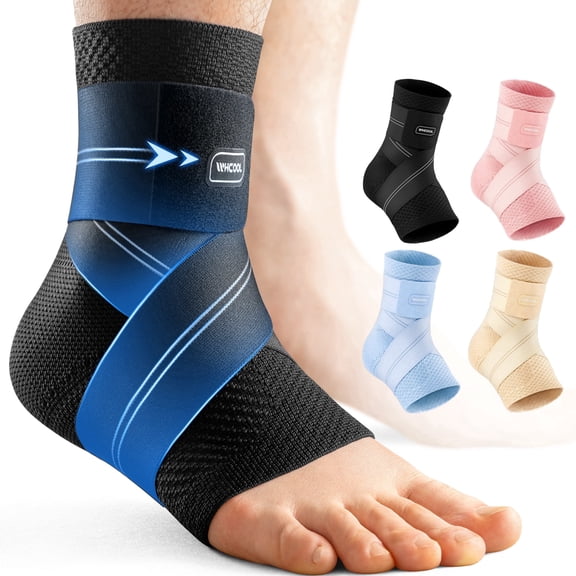
An ankle brace for men helps stabilize your stride during workouts, long shifts, and weekend games. At Walmart, you can compare ankle sleeve brace styles and structured supports by level. Choose light compression for daily comfort, or firmer bracing for added control. Many options fit in sneakers, work boots, and cleats without bulky edges. Sizing ranges help you match your left or right ankle and your shoe size. Materials like knit compression and breathable neoprene help reduce slipping during movement.
Benefits you’ll notice with an ankle brace for men
The right support changes how your ankle feels when you stand, cut, or climb stairs. A supportive wrap can reduce wobble during lateral moves and uneven ground. Compression can also help you feel steadier during long periods of standing. Some designs add straps that mimic athletic taping for a more locked-in feel. Others stay low-profile, so you can wear them all day without constant adjustments.
Pick an ankle support brace based on how you move and what triggers discomfort. Runners often want light compression that fits under socks. Court sports players often prefer figure-eight straps for quick direction changes. If you’re returning after a twist, firmer support can help you feel more controlled. For daily wear, softer sleeves can feel smoother inside shoes.
- Helps reduce ankle rolling during side-to-side movement and quick pivots.
- Adds a secure feel inside shoes, boots, or cleats during active days.
- Supports confidence during stairs, yard work, and long standing shifts.
- Offers compression that can feel comfortable during swelling-prone days.
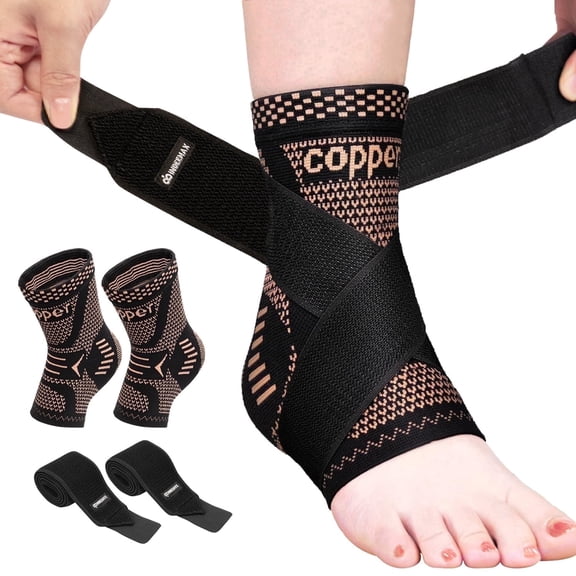
- Lets you adjust tightness with straps instead of relying on one fixed fit.
Key features to compare in ankle sleeve brace styles
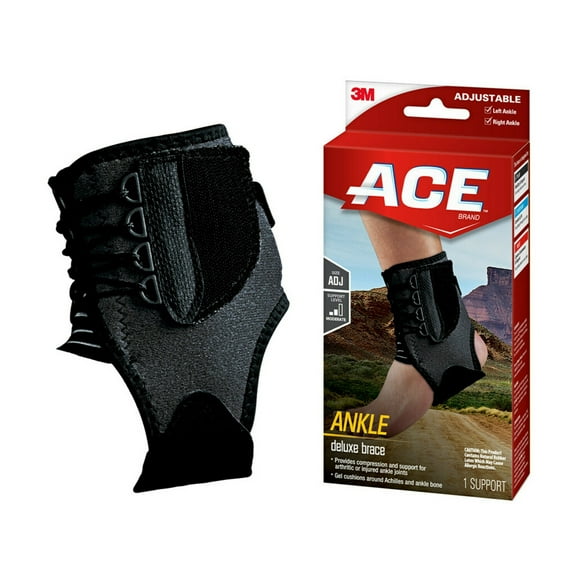
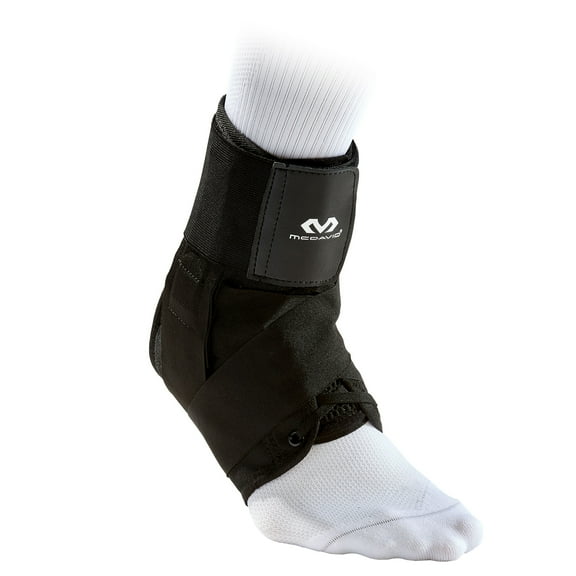
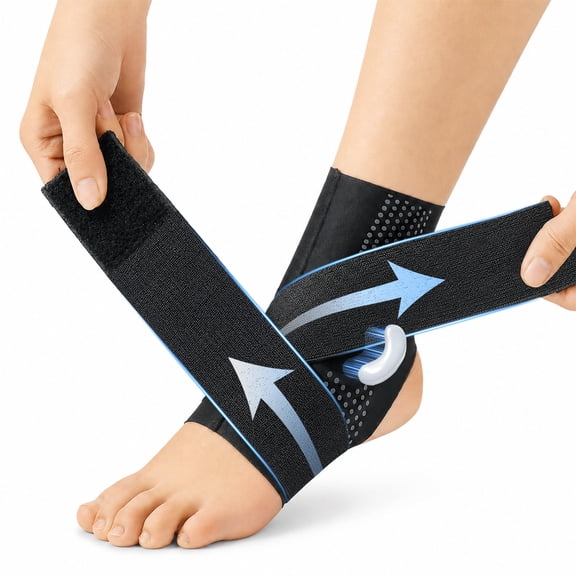
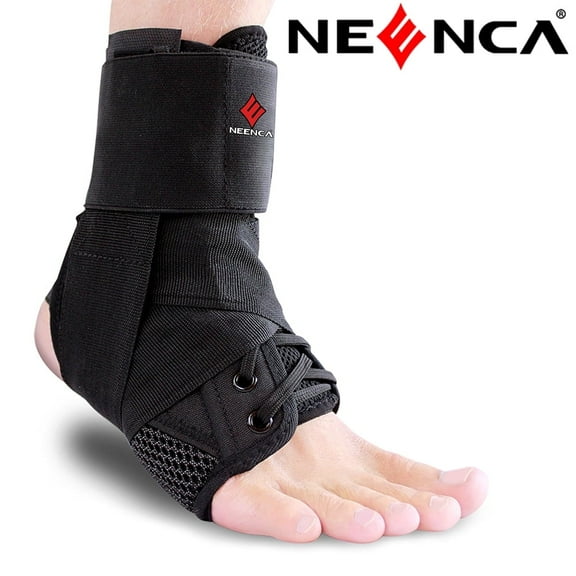
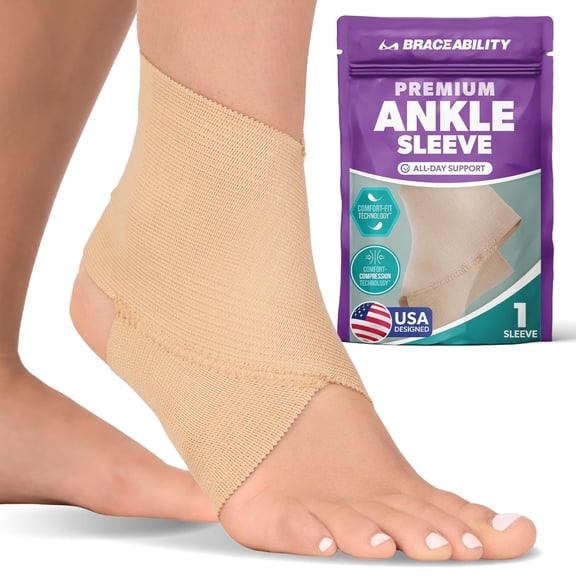
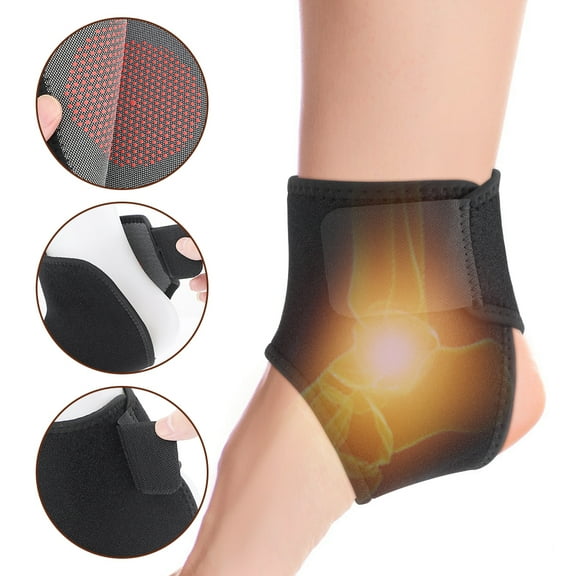
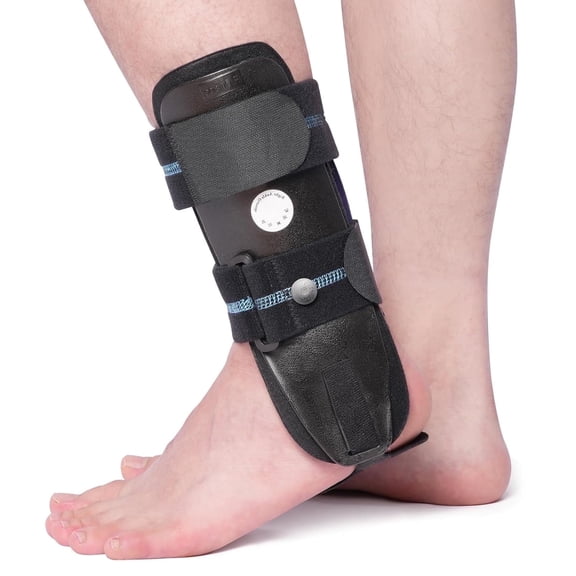
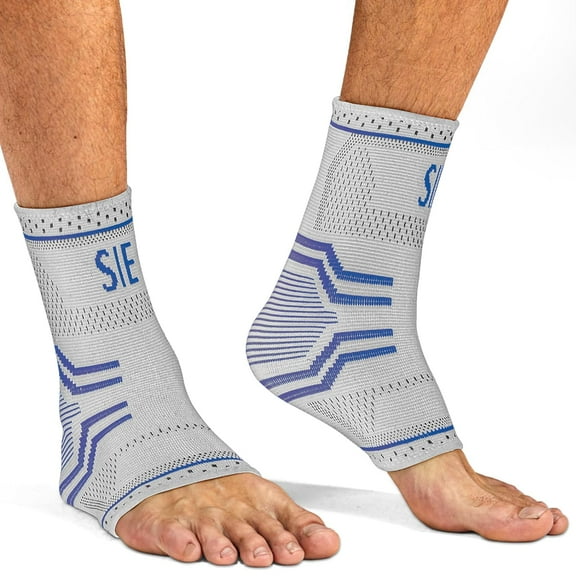
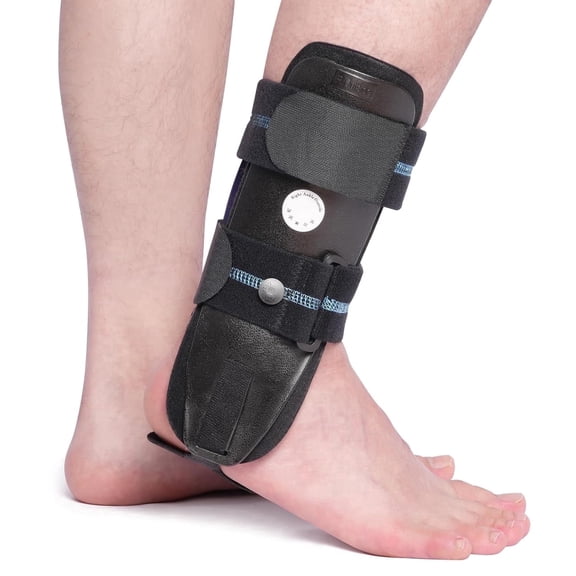
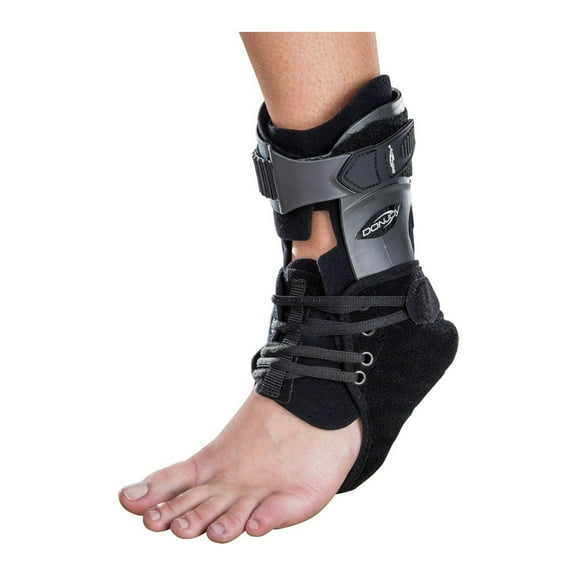
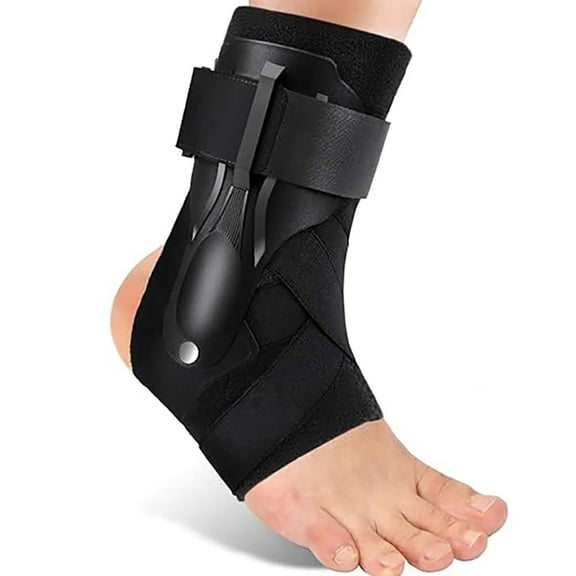
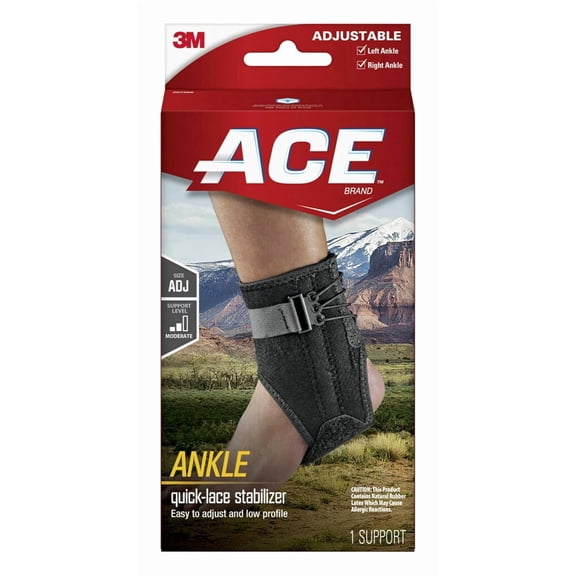
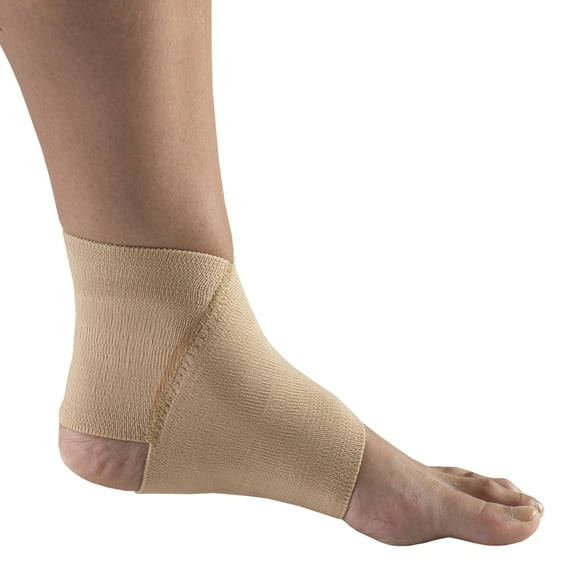
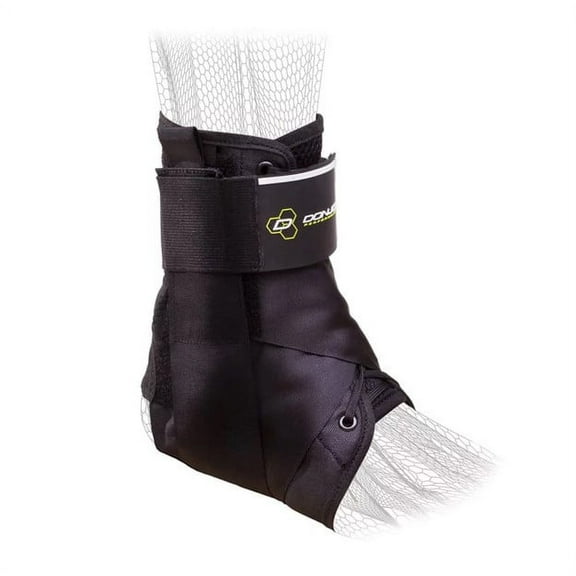
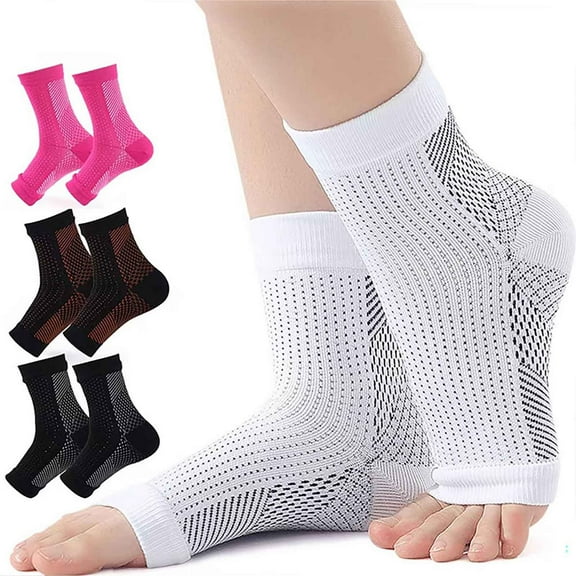
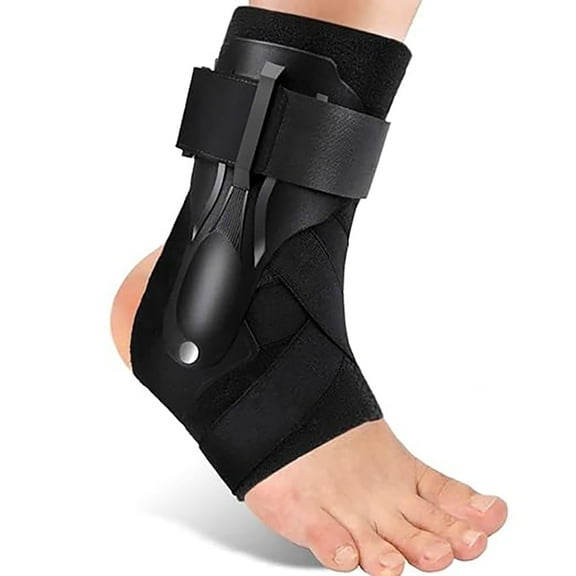
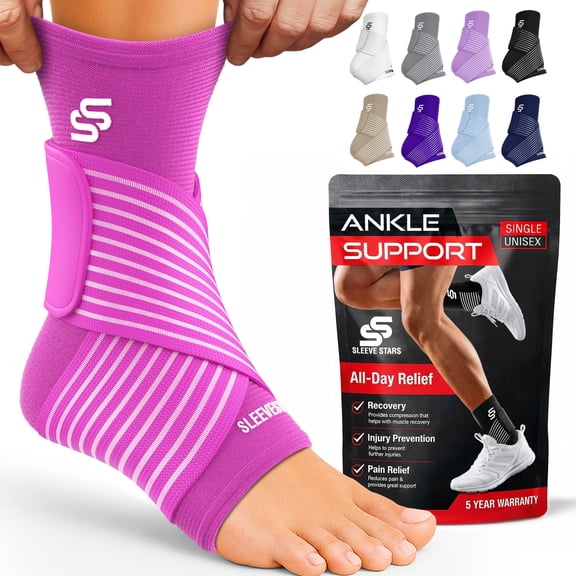
Start with support level, since it affects comfort and mobility. Compression sleeves usually offer mild support with a slim profile. Lace-up braces add structure and help limit extreme motion. Strap systems can add targeted pressure around the heel and midfoot. Rigid side stays can increase stability, but they can feel bulkier in narrow shoes.
Fit matters because an ankle brace that slides won’t feel stable. Check sizing charts by ankle circumference and shoe size before you choose. Look for heel openings that stay centered and don’t bunch in socks. Low-profile seams help reduce rubbing inside athletic shoes. Taller cuffs can feel more secure, but they may sit under pants differently.
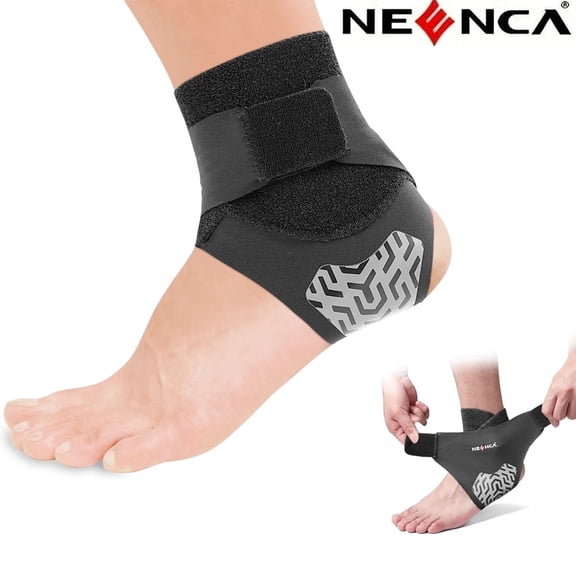
Materials change how an ankle support brace feels during sweat and heat. Breathable knits can feel lighter for gym sessions and warm weather. Neoprene styles can feel more snug and supportive during short wear. Moisture-wicking liners help reduce damp buildup during long workouts. Some braces include antimicrobial fabrics, but feel can vary by brand.
Closures affect how fast you can put it on and take it off. Pull-on sleeves are quick for routine wear and travel. Hook-and-loop straps let you fine-tune pressure during the day. Lace-up designs can take longer, but they can feel more locked in. If you need shoes on fast, strap braces can be a practical middle ground.
Choosing an ankle support brace for a sprained ankle
A sprained ankle brace is often chosen when you want steadier movement after a twist. Many shoppers prefer moderate support that limits risky motion but still allows walking. Lace-up and strap styles can help create a secure, wrapped feel. Compression sleeves can be useful when you want low bulk inside shoes. Your comfort and activity level should guide the support level you pick.
Think about what you’ll do while wearing it, since daily needs vary. For desk work and errands, a lighter sleeve can feel easier all day. For sports practice, firmer bracing can feel more protective during cuts. If swelling comes and goes, adjustable straps help you change tightness. Keep socks and footwear in mind for consistent fit.
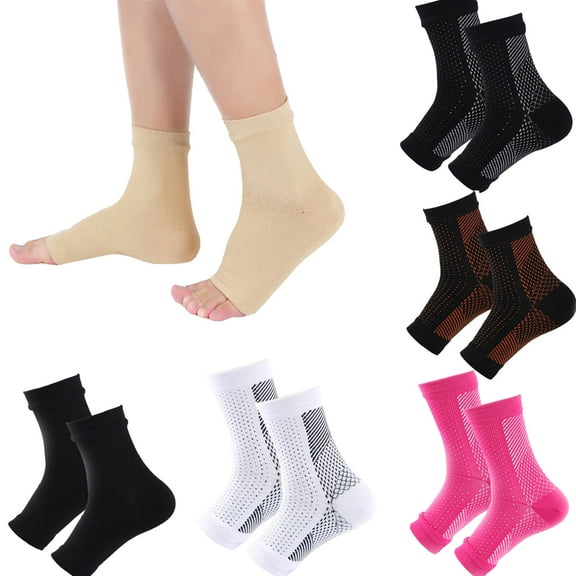
Consider convenience features that matter during recovery routines. A wide opening can make it easier to pull over a tender ankle. Open-heel designs can improve ground feel in trainers and court shoes. Washable materials help when you wear a brace often. A pair pack can be helpful if you switch between left and right support.
Use cases for braces for ankle support
Training is a common reason to choose an ankle brace for men. Gym lifts, treadmill sessions, and agility drills can stress ankles differently. A slim ankle sleeve brace can work well under crew socks. A strap brace can feel steadier for jump rope and plyometrics. Many athletes keep a sleeve in their bag for warmups and cooldowns.
Workdays can also call for extra stability and comfort. Warehouse shifts and retail floors mean hours of standing and quick turns. A breathable ankle support brace can feel more comfortable inside work boots. Taller braces may feel better when climbing ladders or ramps. Low-profile designs can help avoid pressure points at the boot collar.
Sports and recreation often need more targeted control. Basketball, tennis, and pickleball involve fast cuts and short stops. Figure-eight straps can help reduce the feeling of ankle rolling. Lace-up braces can fit well when you want firm containment. For hiking, a supportive wrap can feel helpful on uneven trails.
Everyday movement can benefit from light support too. Yard work, dog walks, and travel days add lots of steps. Compression sleeves can feel smooth under pants and casual shoes. A brace with a grippy knit can help reduce sliding during long walks. If you alternate shoes, choose a brace that stays comfortable across pairs.
Get steadier steps with the right fit
When your ankle feels supported, you can focus on your day instead of every step. Use sizing, support level, and closure style to narrow choices quickly. An ankle brace for men that fits your shoes and routine can feel secure without constant readjustment. That steadier feel can make daily movement more comfortable.