

Wooden Bunk Beds & Wood Bunk Beds | Walmart







































About Wooden Bunk Beds & Wood Bunk Beds | Walmart - Walmart.com
Wood bunk beds help you use shared bedrooms wisely while keeping a warm, furniture-style look. You can compare material, configuration, access, storage, and finish choices to match your room and routine.
If you're furnishing a kids' room, guest space, or vacation home, this category gives you practical options. You can focus on sturdy wood construction, space-saving layouts, and details that support everyday sleeping and play.
How to choose wood bunk beds for your room
Start with your floor plan because your layout shapes every other decision you make. You should measure wall length, ceiling height, and clearance around doors, windows, and dressers.
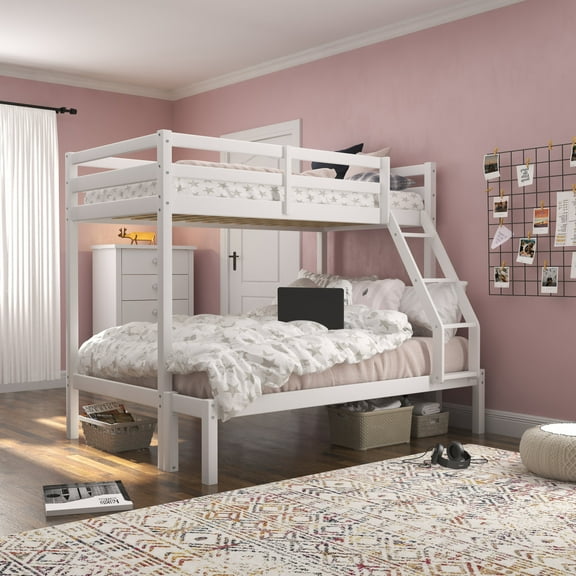
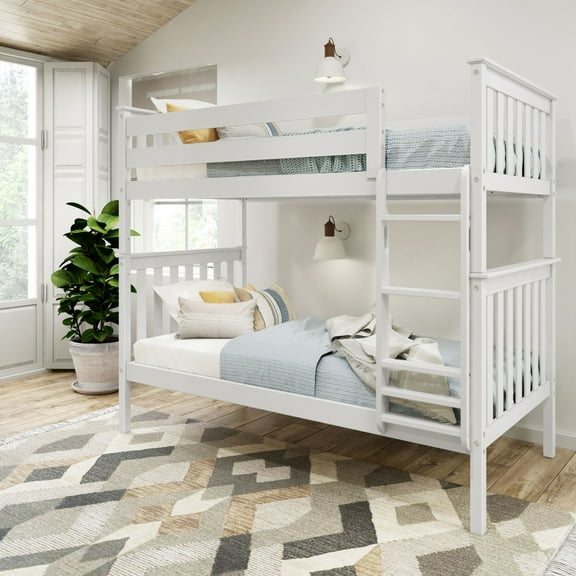
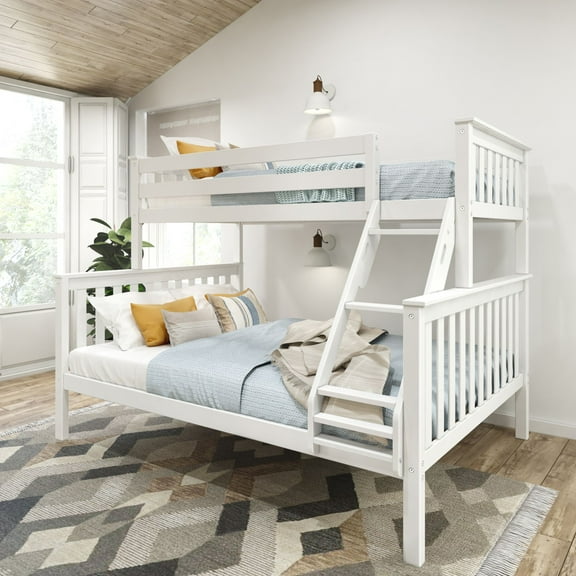
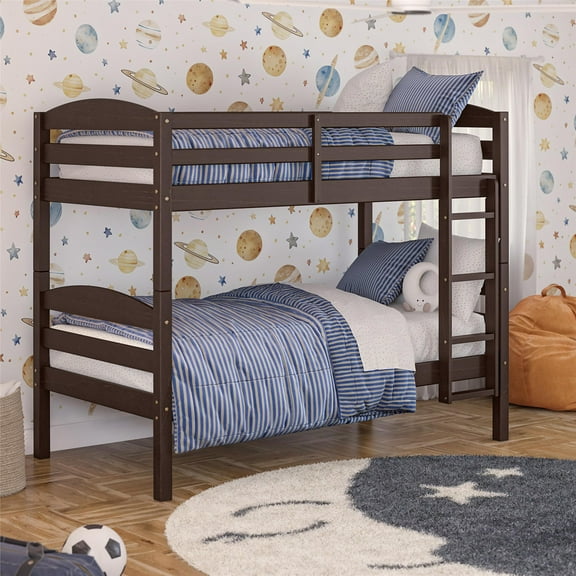
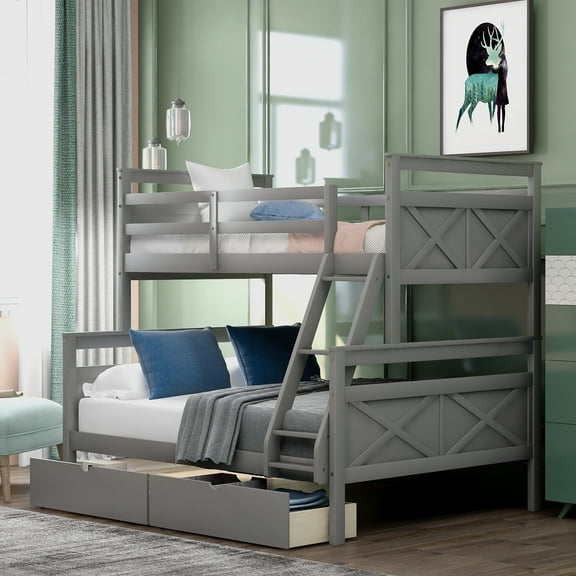
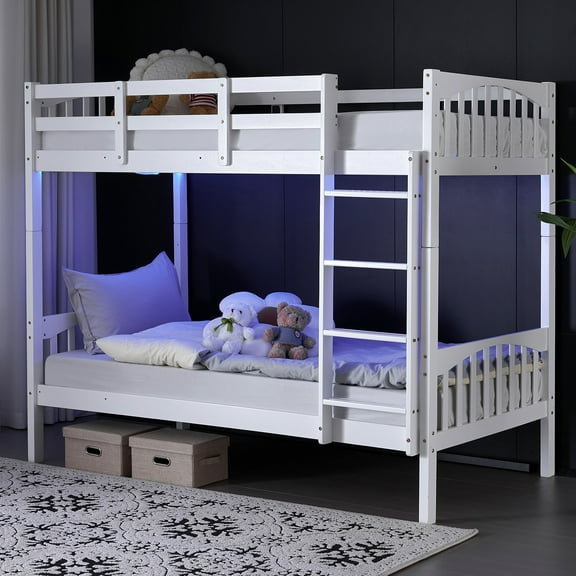
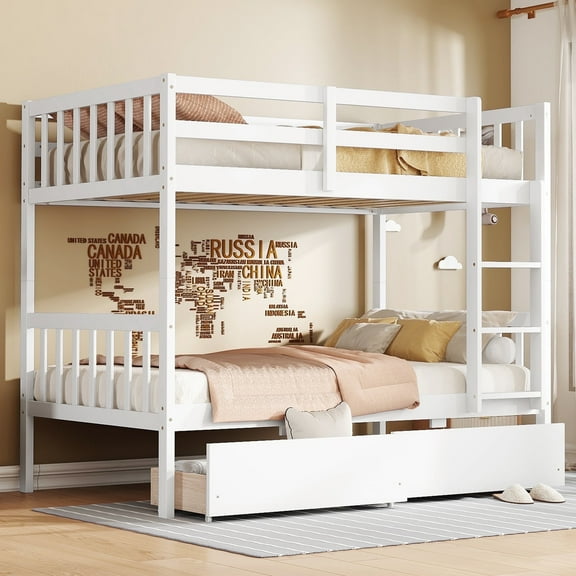
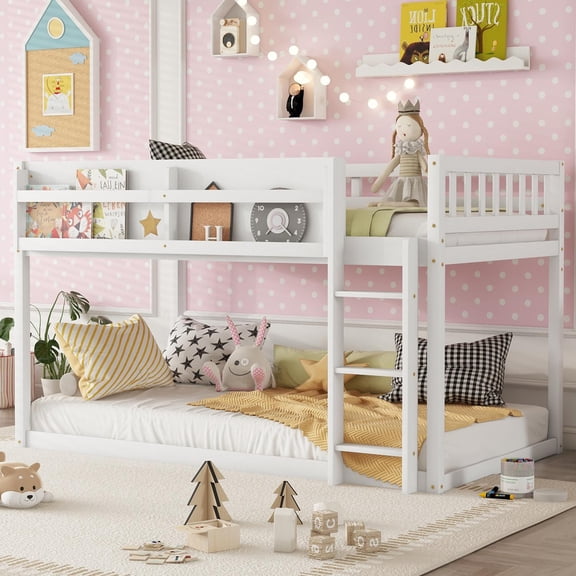
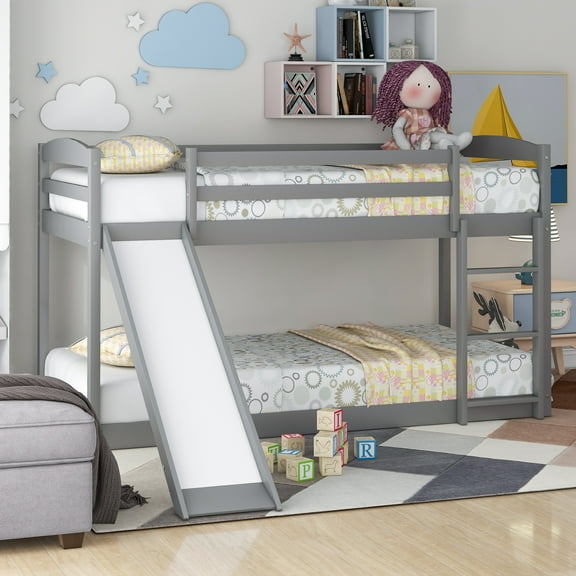
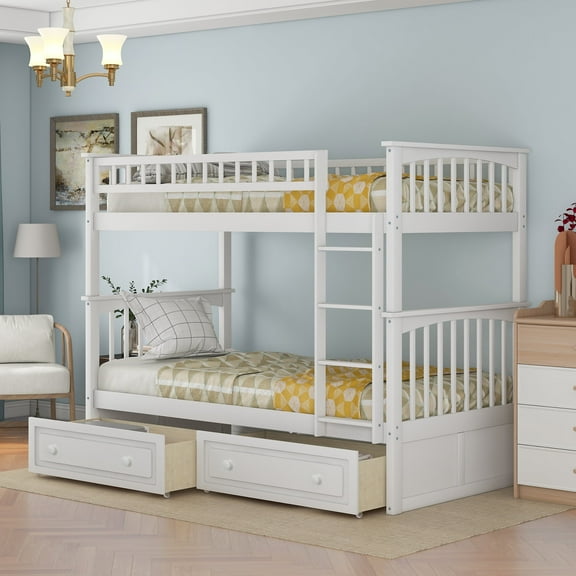
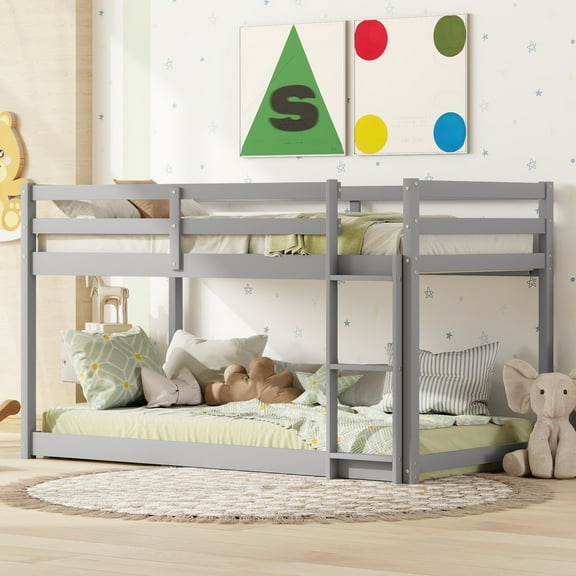
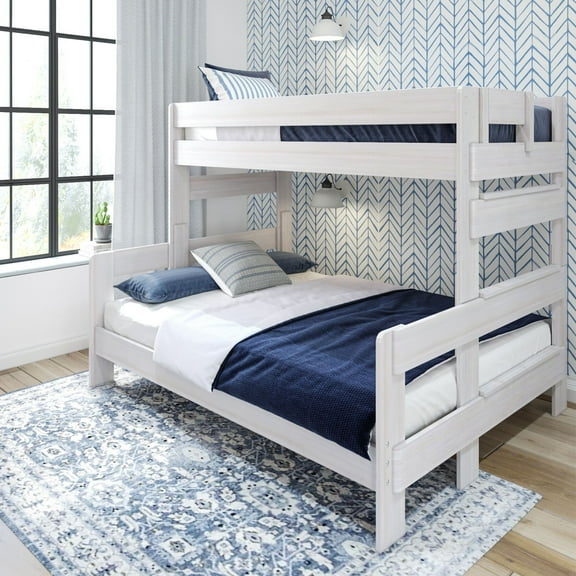
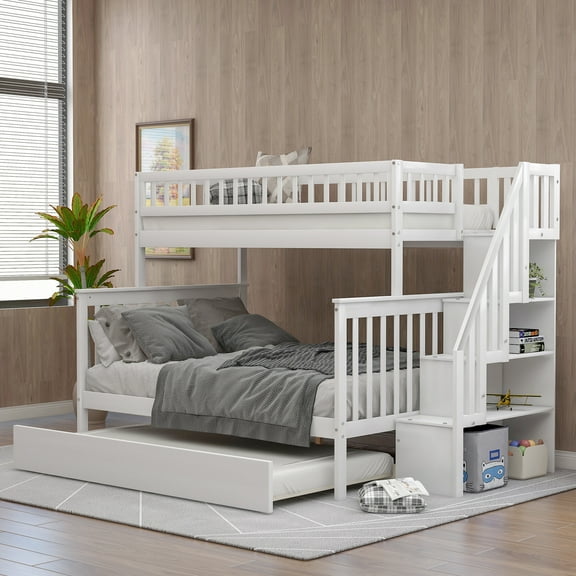
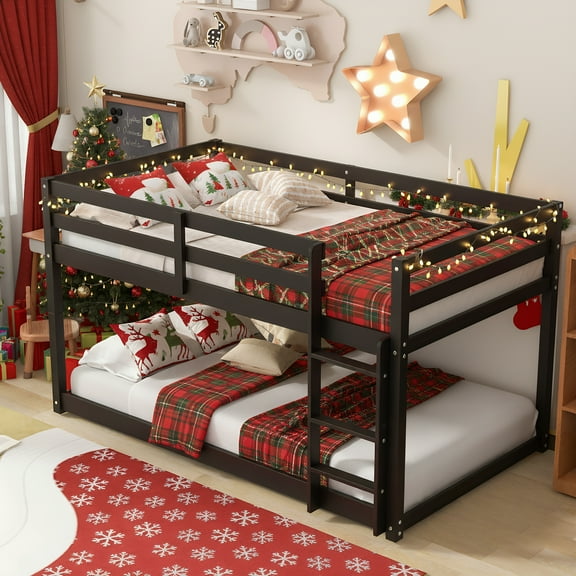
For tighter rooms, you may prefer twin over twin wood bunk beds because they keep the footprint compact. If you need more lower-bed space, you can choose twin over full wooden bunk beds instead.
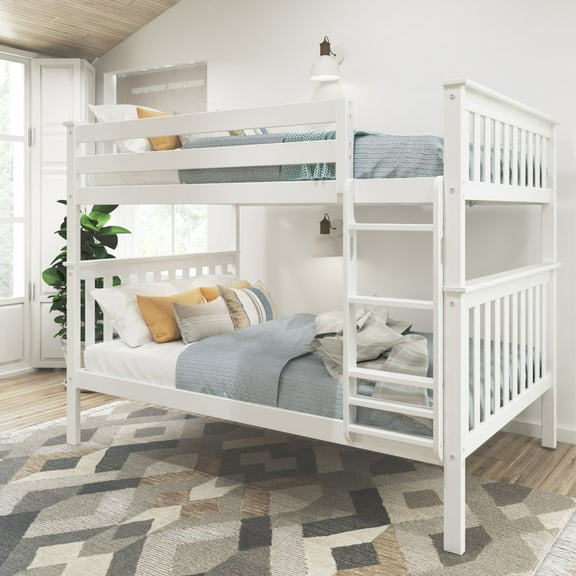
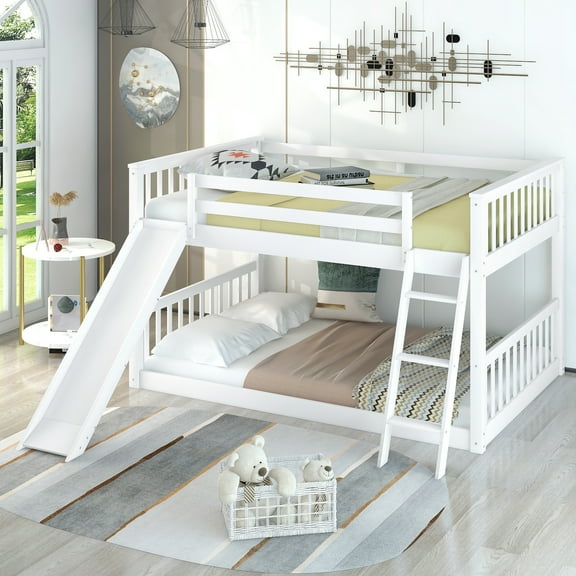
You can also compare full over full styles when older kids or guests need broader sleeping space. Before you decide, you should check the room's open path for climbing, changing sheets, and daily movement.
- You can use twin over twin layouts when your room is narrower and your sleepers are younger.
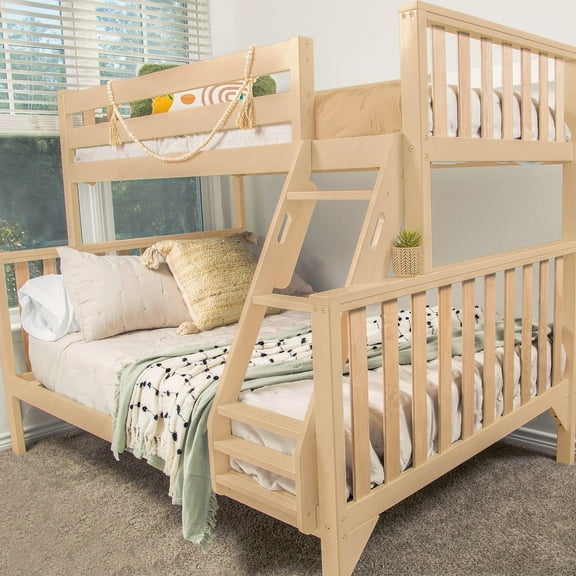
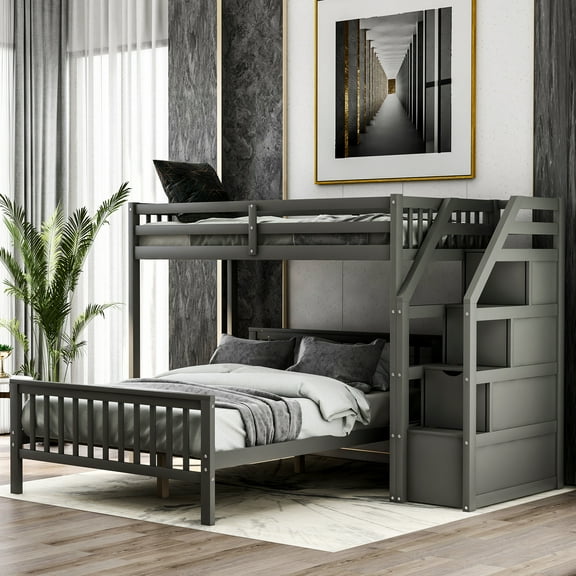
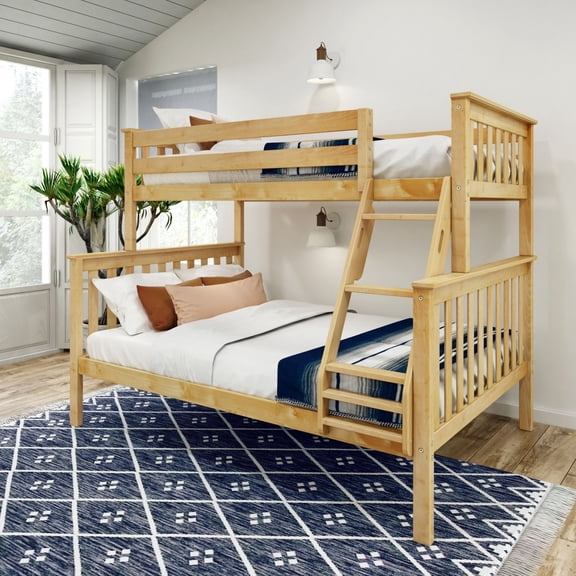
- You can choose twin over full frames when your lower bunk needs extra width for siblings or sleepovers.
- You can consider full over full options when your room has more square footage and taller sleepers.
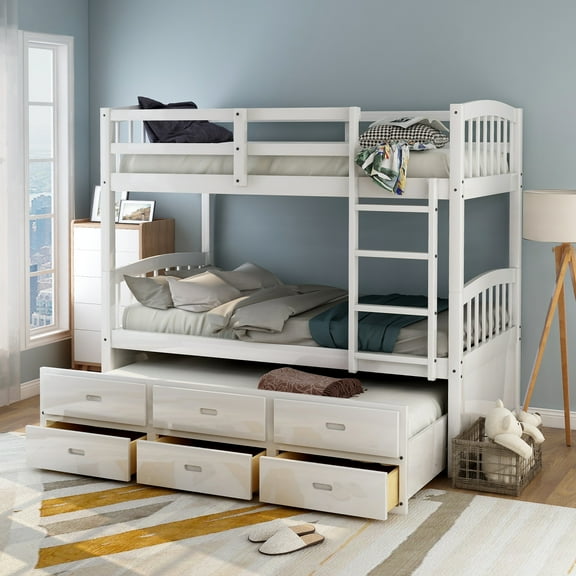
- You can look for wood bunk beds with trundle space when overnight guests visit often.
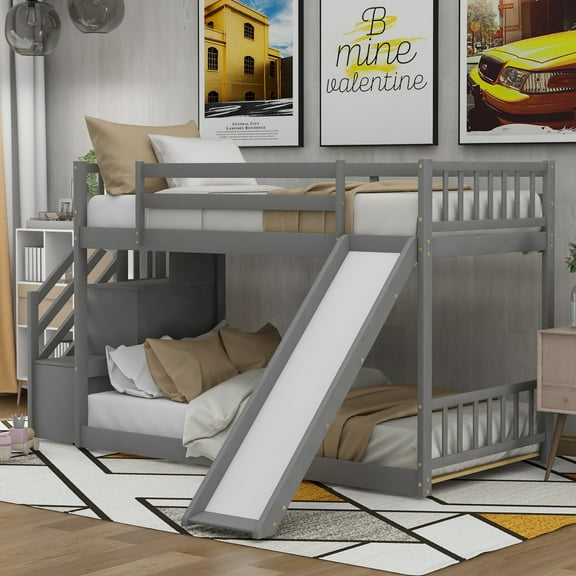
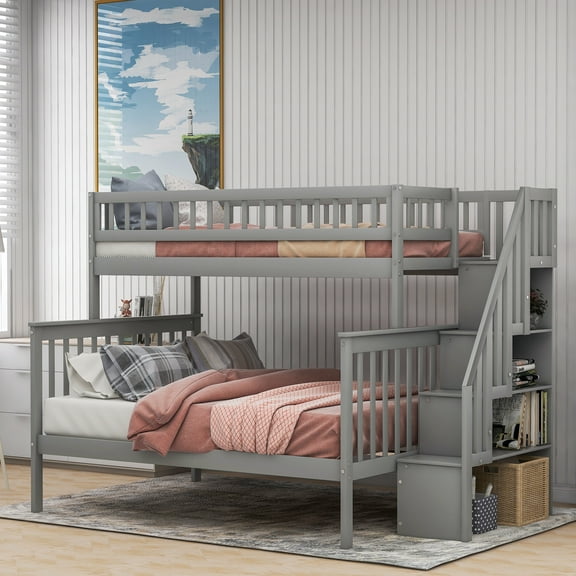
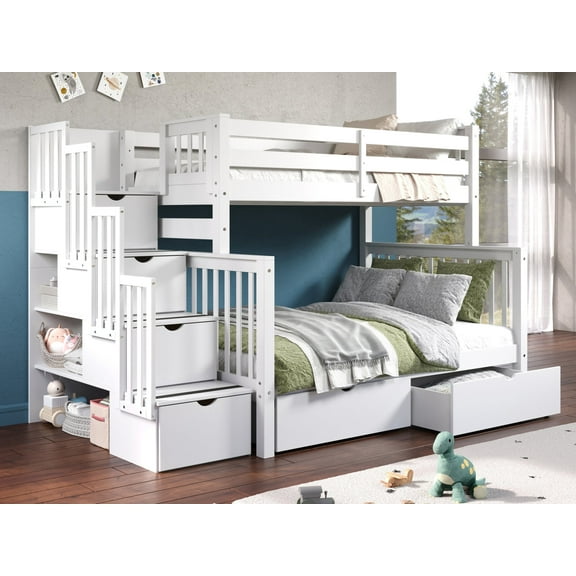
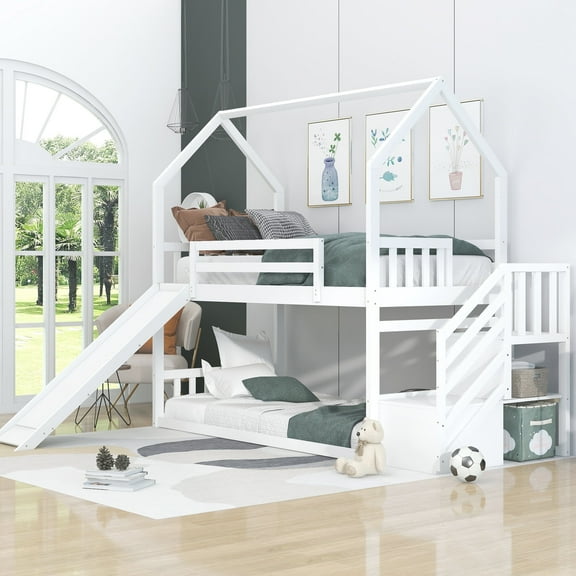
- You can compare wood bunk beds with stairs when you want easier climbing and built-in storage potential.
Comparing wooden bunk beds by material and finish
You should compare material types because they affect weight, appearance, and everyday durability. Solid pine often gives you a classic grain pattern, while hardwood can provide a denser feel.
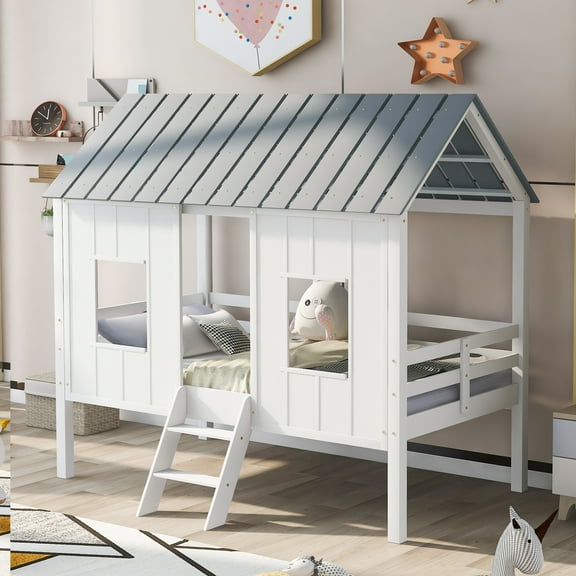
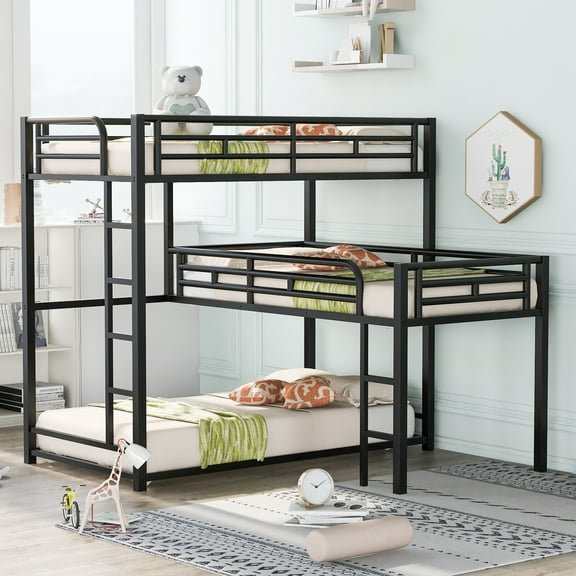
If you want a lighter visual style, you may lean toward white or gray finishes. When you want a richer furniture look, you can consider espresso or cherry finishes.
You can also find engineered wood options that help you match a clean, painted appearance. As you compare wooden bunk beds, you should check how the finish works with your flooring, bedding, and nearby storage.
For long-term use, you may want solid wood bunk beds that fit a timeless bedroom setup. If your room changes over time, you can choose a neutral finish that works with new wall colors.
Choosing safety details and support features
You should review decision-critical safety details before you narrow your shortlist. Look for ASTM certification, guardrail height, and posted weight capacity so your choice aligns with the intended sleepers.
When you compare upper bunks, you should check that guardrails rise high enough above the mattress area. You should also confirm mattress thickness guidance so the rail coverage stays appropriate for the frame.
If you're planning for older kids, you may pay close attention to weight capacity limits on each sleeping surface. You can also review slat support details because they affect mattress support and overall stability.
You should think about access design as part of daily comfort, not just placement. An angled ladder can feel easier to step on, while a vertical ladder can preserve more open floor space.
When you want broader footholds, wood bunk beds with stairs can simplify climbing routines. You may also find staircase steps that include drawers, which helps you combine access and storage.
Matching storage and function to daily routines
You can get more from one footprint when you choose features that match your household routine. Under-bed drawers, trundles, and built-in desks each support a different kind of room setup.
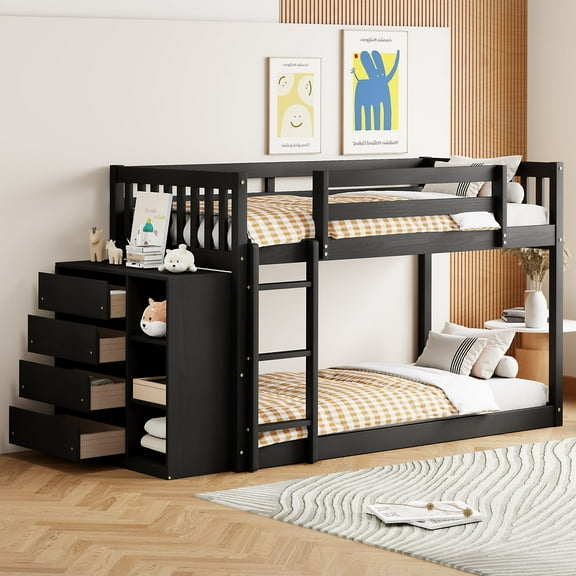
If sleepovers happen often, you may want wood bunk beds with trundle options for an extra sleeping spot. When clothing storage is limited, you can look for drawers that help keep floors clearer.
You can choose a built-in desk when your room also needs a homework or craft zone. In smaller bedrooms, that combination helps you use vertical space instead of adding another table.
As you compare features, you should think about what happens every evening and every morning. You may need fast guest prep, easier cleanup, or a place where your child can study nearby.
Picking the right setup for shared rooms and guest spaces
You can match specific combinations to the people using the room most often. A twin over twin layout with a vertical ladder suits compact sibling rooms where floor space matters.
For mixed ages, you may prefer twin over full wooden bunk beds with an angled ladder. That setup gives you a wider lower bunk and a climbing path that feels more gradual.
If your household hosts cousins or weekend guests, you can consider wood bunk beds with trundle support. That option helps you add sleeping capacity without using another permanent bed footprint.
You may also want solid wood bunk beds with stairs and drawers for a room that needs storage and easier access. In guest cabins or vacation homes, that combination can keep essentials organized in one piece.
When you're coordinating the full room, you should think about mattresses, bedding, and nearby nightstands together. You can create a more cohesive setup when your finish color and bed size align early.
Wood bunk beds give you practical sleeping space, familiar furniture styling, and flexible features for changing rooms. When you compare safety details, dimensions, and storage carefully, you can choose a setup that fits your household with lasting function.