

Sewing Kits in Sewing















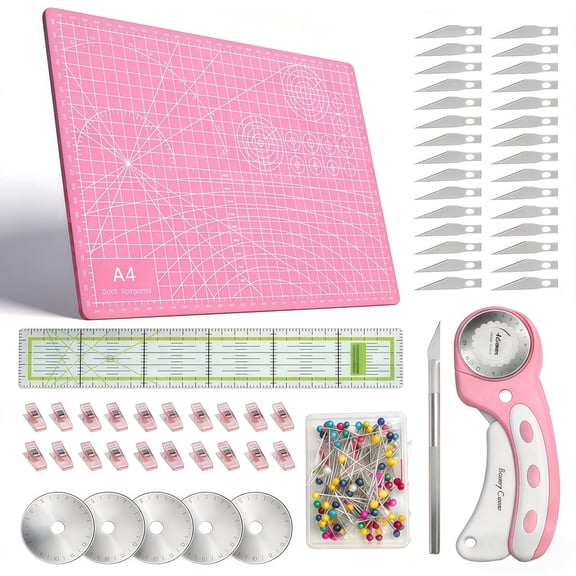
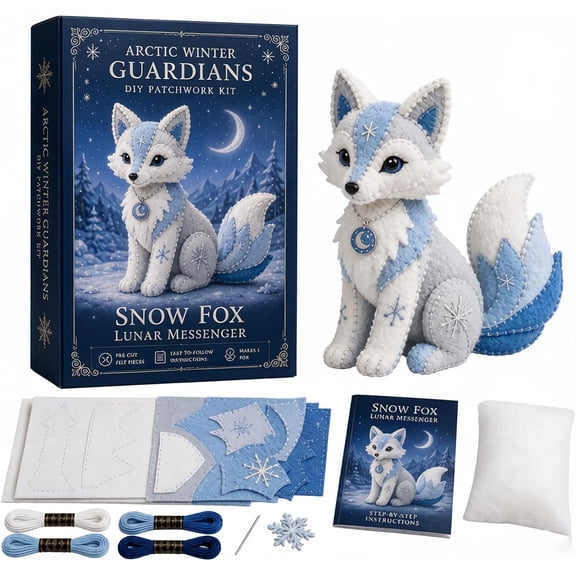










About Sewing Kits in Sewing - Walmart.com
Sewing kits help you handle quick fixes, first projects, and organized home mending with the tools you need in one place. You can compare portable cases, starter supplies, and complete sets that match how and where you sew.
How to choose sewing kits by kit type
When you compare kit type first, you can narrow your options faster and avoid paying for tools you won't use. You should consider where you'll sew, how often you'll mend, and how much space you have.
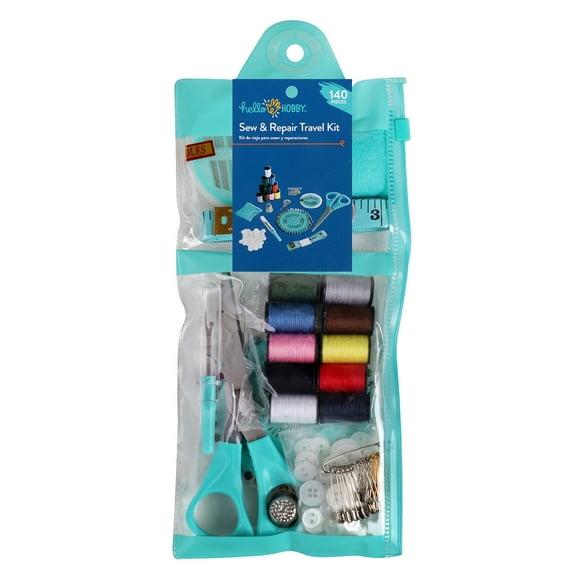
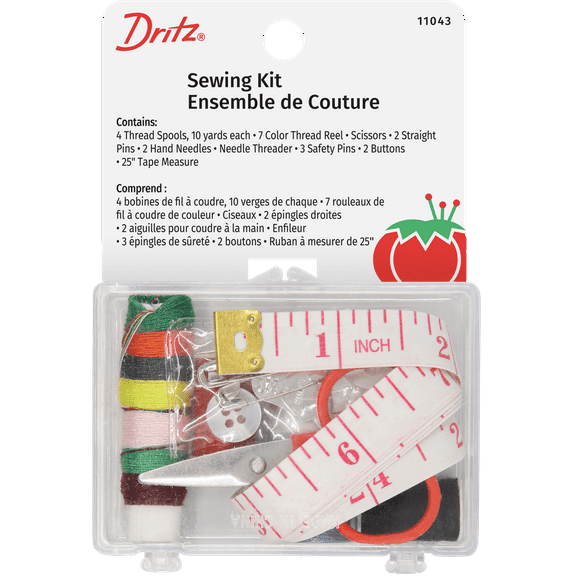
A travel sewing kit works well when you want a compact pouch for luggage, desk drawers, or glove boxes. You can keep basic needles, thread spools, and small scissors close for quick button fixes and hem touch-ups.
An emergency sewing kit makes sense when you want a few essentials ready for last-minute repairs before work, school, or events. You can store a compact sewing kit in a backpack or carry-on without giving up much room.
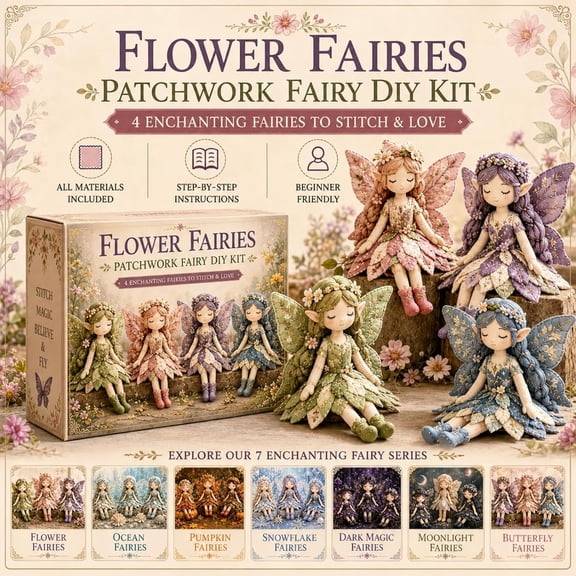
If you're learning, a sewing kit for beginners can make your first projects feel more organized and less confusing. You can start with common tools and practice simple stitches without sorting through loose supplies.
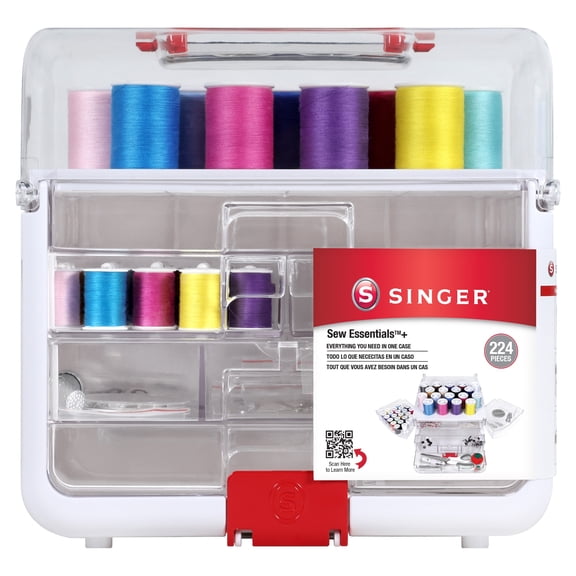
For regular mending or craft work, you may want a larger home set with extra notions and more color choices. You can compare broader assortments when your projects include hems, patches, or repeated alterations.
What to look for in a sewing kit with thread
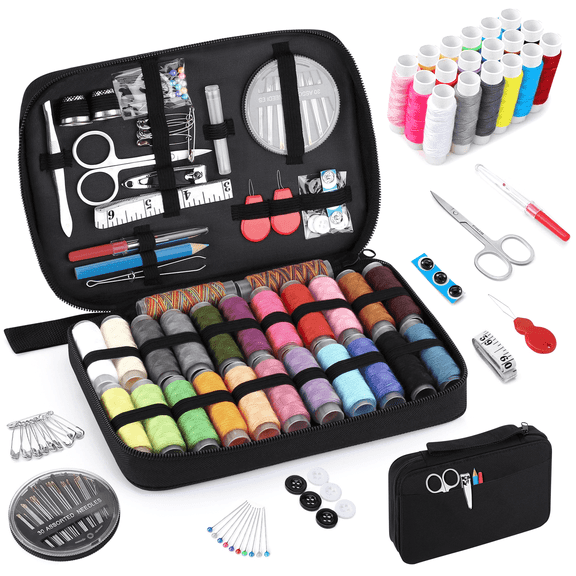
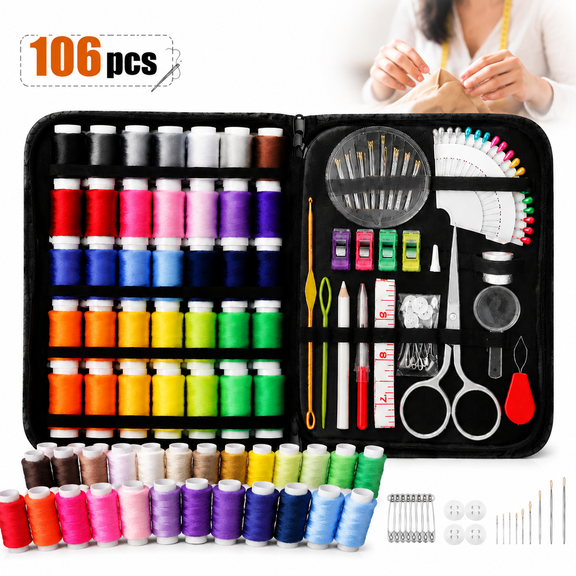
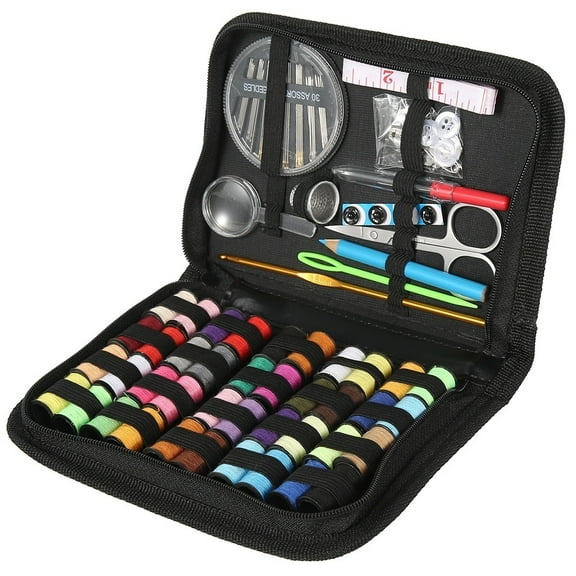
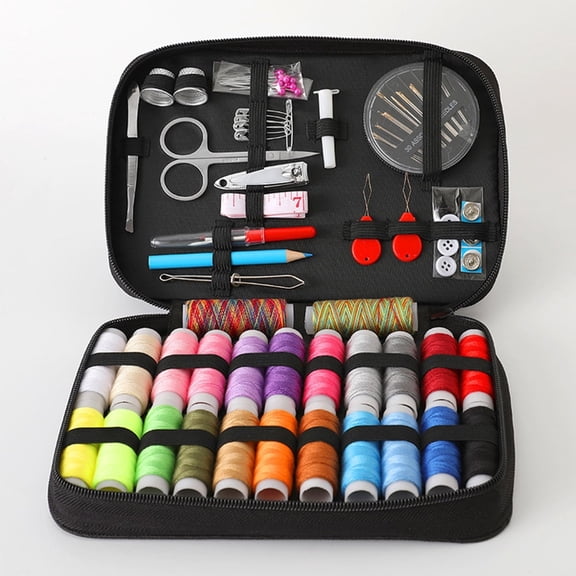
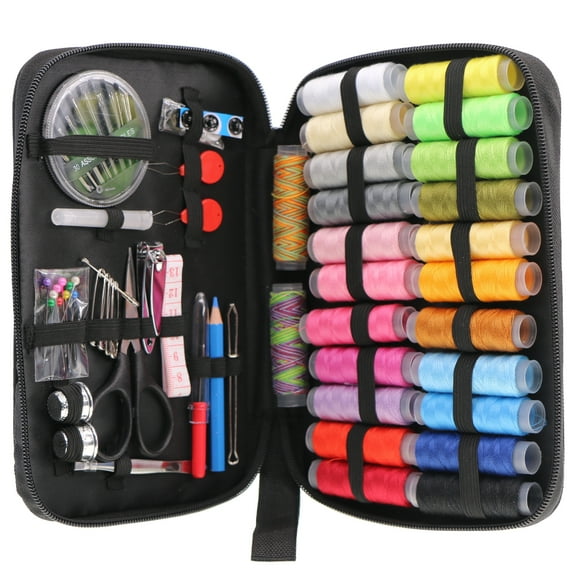
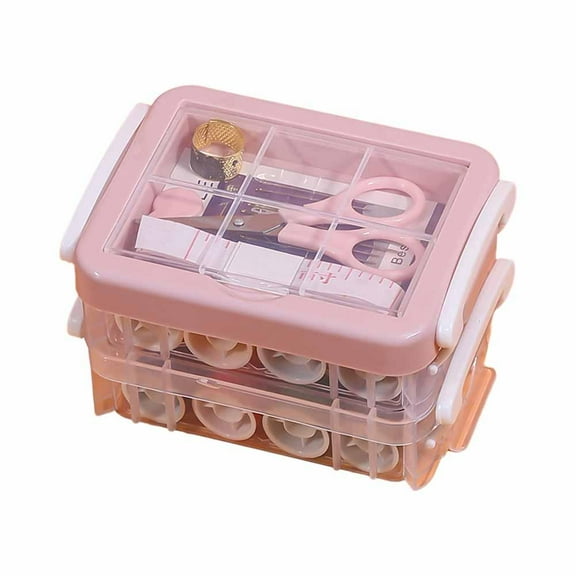
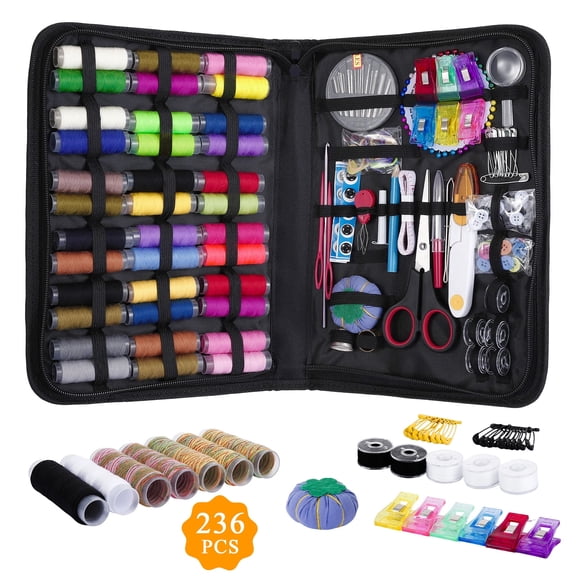
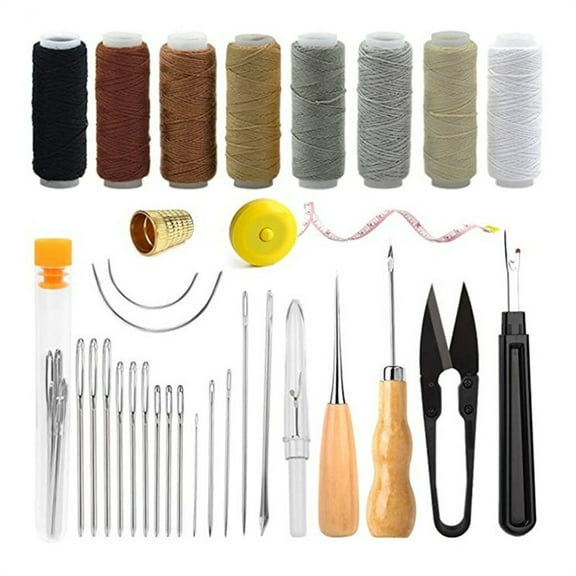
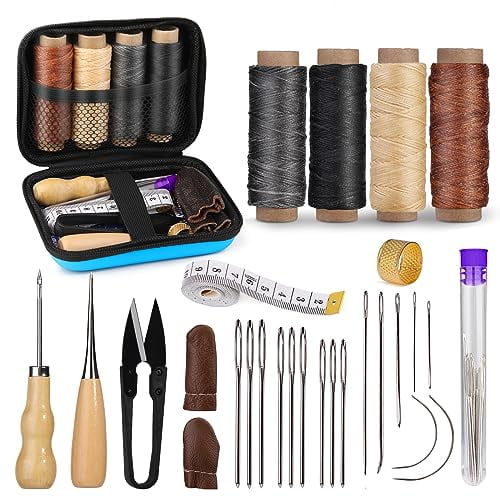
Included tools shape how useful your kit feels on day one. You should check whether your set includes needles, thread spools, scissors, a thimble, and a tape measure.
- You can use multiple thread colors for basic clothing repairs and simple craft projects.
- You can trim loose ends neatly when your kit includes small scissors that fit the case.
- You can measure hems and fabric pieces more easily when your kit includes a tape measure.
- You can handle hand-sewing tasks with more control when your kit includes several needle sizes.
- You can keep your fingers comfortable during repeated stitching when your kit includes a thimble.
Tool selection matters because different repairs call for different supplies. You may prefer extra thread spools for frequent touch-ups, or more needles for varied fabrics and stitch types.
You should also compare how the case secures the tools inside. You can spend less time searching when elastic loops, trays, or labeled sections keep each item in place.
Choosing a portable sewing kit case
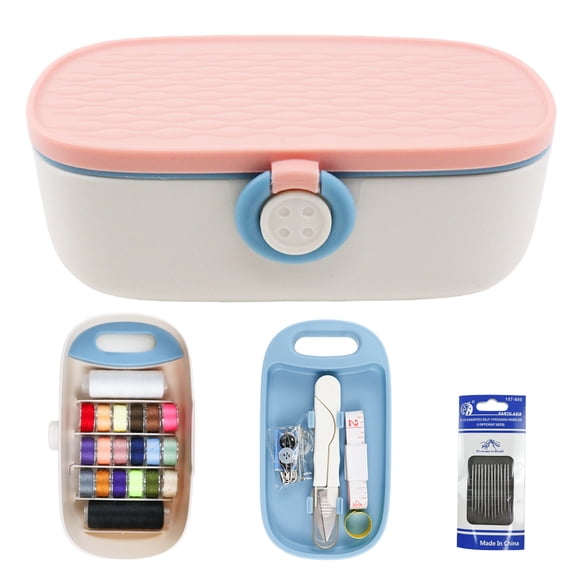
Case material affects how you carry, store, and access your supplies. You should compare zippered fabric pouches, wooden boxes, and hard plastic organizers based on your routine.
A zippered fabric pouch suits you when you want flexibility and easy packing in tight spaces. You can slide it into a suitcase, tote, or drawer and keep the contents contained.
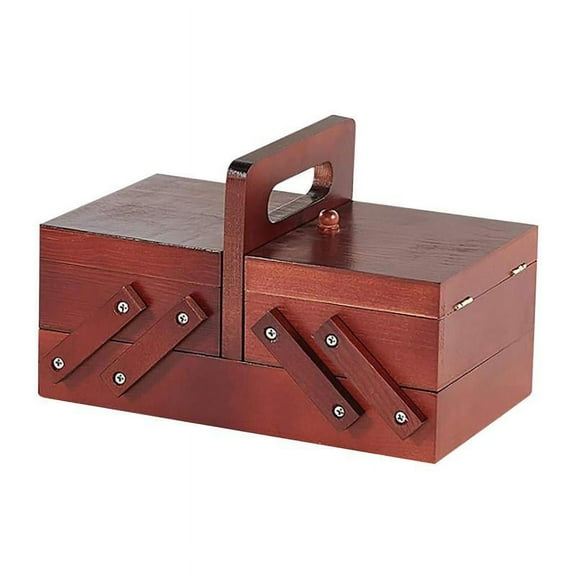
A wooden box may fit your space when you want a home sewing station with a classic look. You can place it on a shelf or table and keep your tools visible between projects.
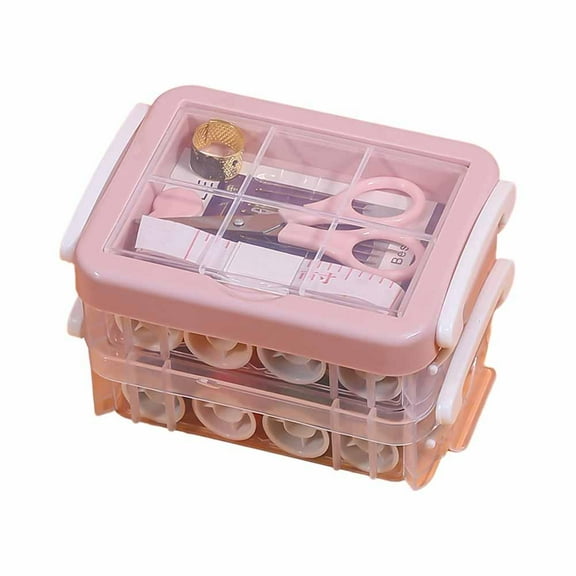
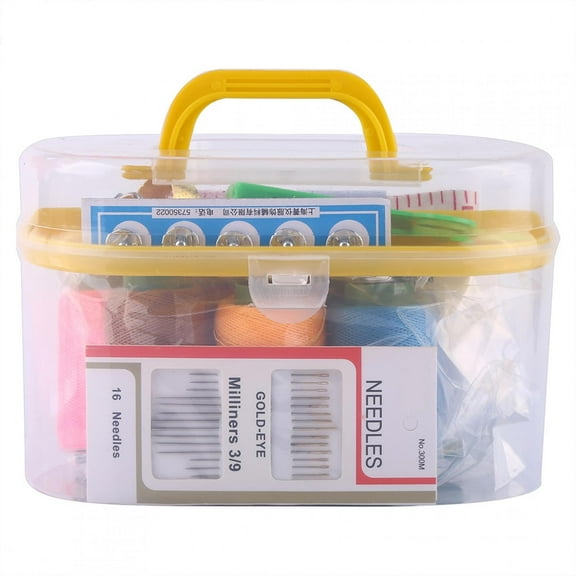
A hard plastic organizer helps you when you want firm structure and separated compartments. You can spot thread colors faster and keep needles, scissors, and notions from shifting around.
Organization matters as much as the tools themselves. You should look for layouts that let you grab a needle, match a thread, and return supplies without creating clutter.
Matching skill level to your projects
Skill level can guide you toward a set that feels usable right away. You should compare beginner, kids, adult, and advanced options with your typical projects in mind.
If you're new to hand sewing, a sewing kit for beginners usually focuses on core tools and straightforward organization. You can learn basic repairs, simple seams, and button replacement without extra complexity.
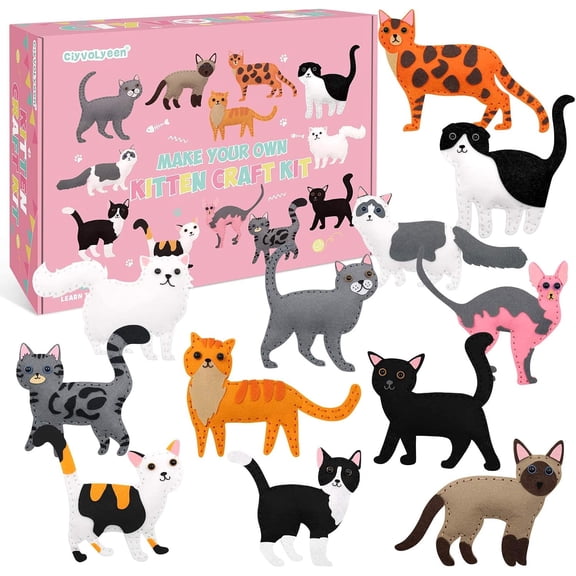
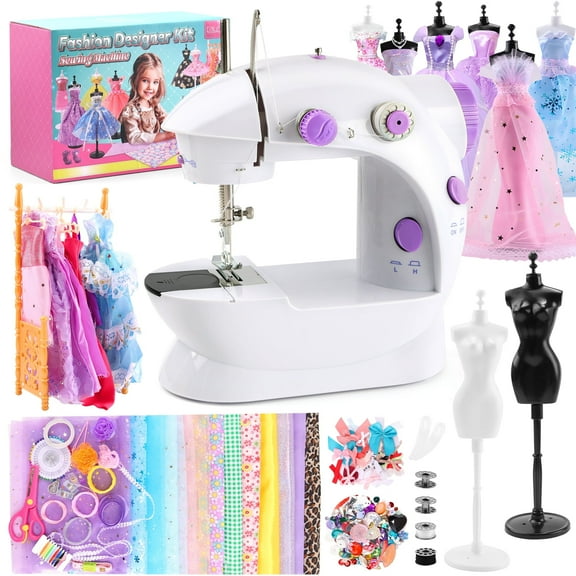
For kids, you may want simpler assortments and easy-to-follow layouts that support supervised craft time. You can choose sets that feel approachable for small hands and short projects.
Adult shoppers often need versatile kits for household repairs, office fixes, and occasional crafting. You can use a balanced set for hems, missing buttons, costume updates, and fabric touch-ups.
If you sew often, you may prefer expanded assortments with more needle types, thread choices, and storage sections. You can support longer projects when your case stays organized through repeated use.
How sewing kits fit real-life use
You can keep a travel sewing kit in your luggage for business trips, weddings, cruises, and family vacations. You'll appreciate fast access when a strap loosens or a hem needs attention away from home.
At home, you can use fuller sets for uniform fixes, school projects, and seasonal wardrobe updates. You can also keep supplies ready for pillow repairs, loose seams, and simple craft work.
In your car or office, a portable sewing kit can support quick clothing fixes between meetings or events. You can store a small case neatly and still have thread, needles, and scissors nearby.
For first-time learners, organized sewing kits reduce setup time and make practice easier to repeat. You can focus on threading needles, measuring fabric, and building confidence with each small project.
You may also want to pair your kit with sewing thread, needles and pins, or sewing machines for larger projects. You can build a more complete sewing setup as your repairs and crafts become more detailed.
When you compare kit type, included tools, case material, and skill level, you can choose sewing kits that fit your routine clearly. You end up with organized supplies that make everyday repairs and simple projects easier to finish.