


Bird Feeder Poles & Stands (In-Store & Shipping) | Walmart
























About Bird Feeder Poles & Stands (In-Store & Shipping) | Walmart - Walmart.com
You can organize your yard with bird feeder poles that support steadier hanging, cleaner placement, and flexible setup around lawns, decks, and patios. You'll find mount styles, hook layouts, and protective features that help your feeding station fit your space and daily routine.
How to choose bird feeder poles for your space
You should start with mount type because installation changes how stable your feeder station feels each day. You can compare ground screw, clamp-on, deck mount, and wall mount styles based on where you plan to hang feeders.
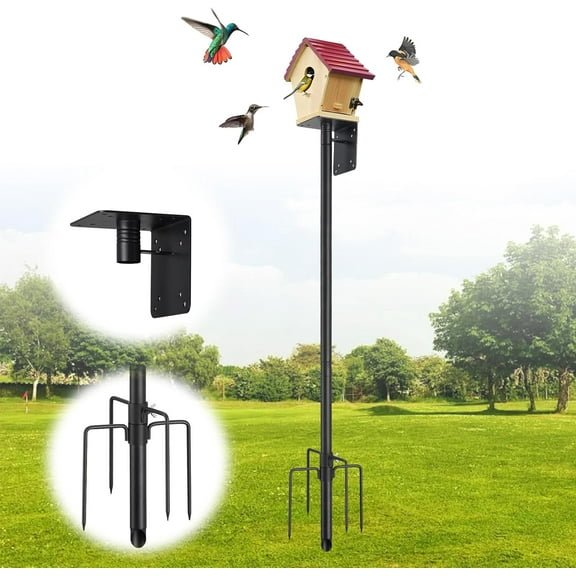
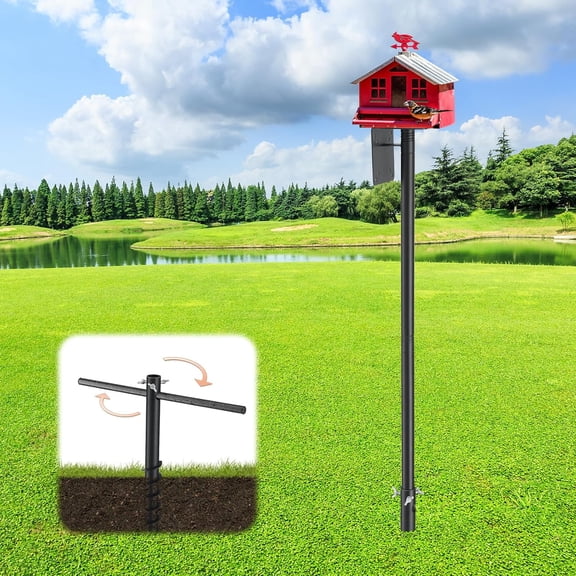
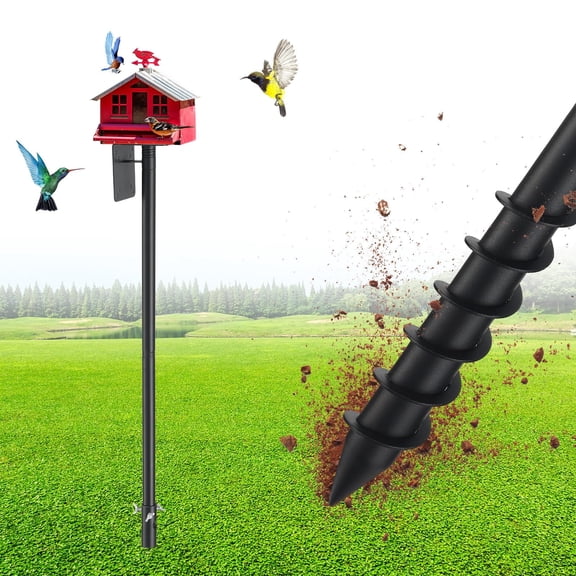
If you want placement in open lawns, you may prefer a ground screw base. An auger spiral depth helps your pole stay upright and feel more secure in soil.
When you use a deck mount bird feeder pole, you can keep birds close to your patio without using planting space. You should check clamp thickness and rail compatibility, because your pole needs a secure fit on wood or metal surfaces.
If you prefer a fixed location near a fence or wall, you can compare wall mount styles for a tidier footprint. You'll also want enough clearance so your feeders hang freely and swing without hitting nearby surfaces.
Choosing hook configuration and feeder capacity
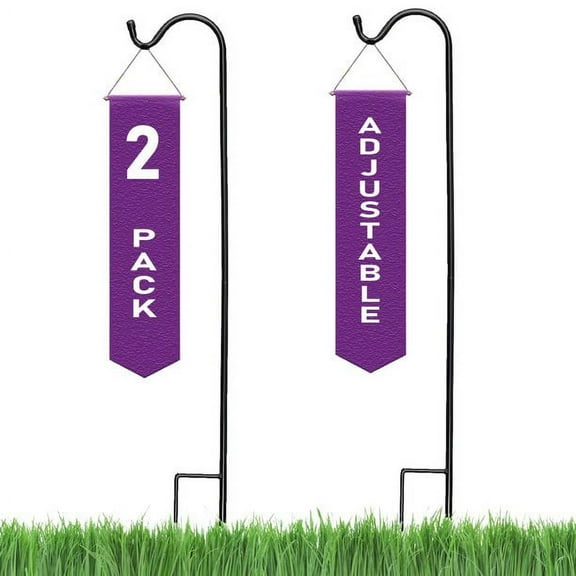
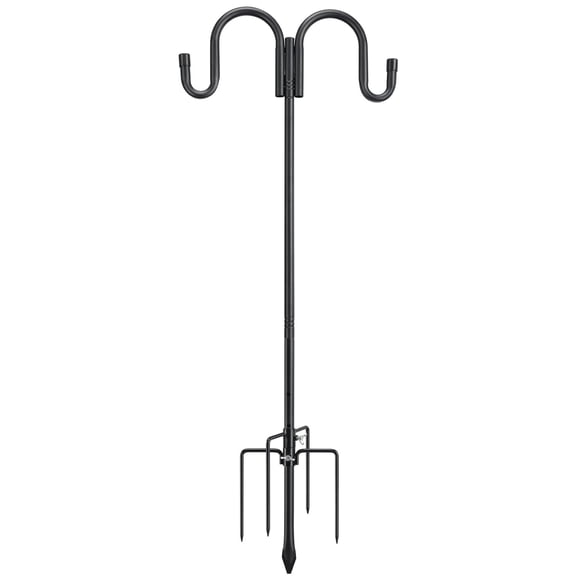
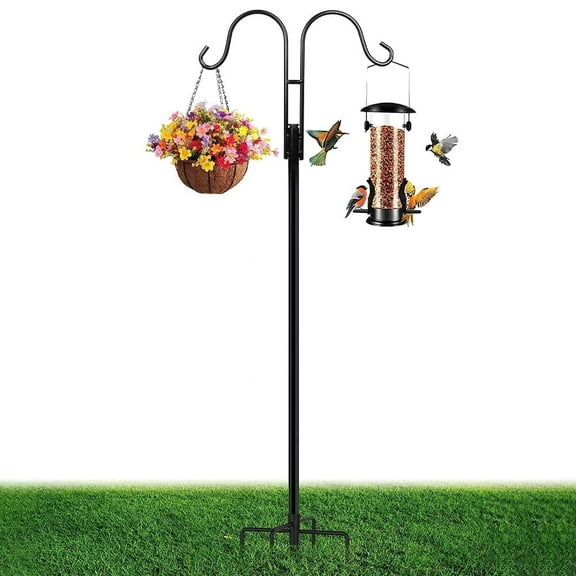
You can shape your feeding station around one feeder or several by comparing hook layouts before you choose. You'll usually see single hook, double hook, multi-hook, and four-way designs for different feeding routines.
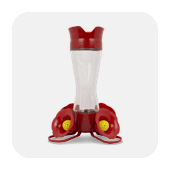
If you feed one seed tube or nectar feeder, you may only need a single hook and a simple upright pole. You can keep refills easy and reduce crowding with a smaller layout.
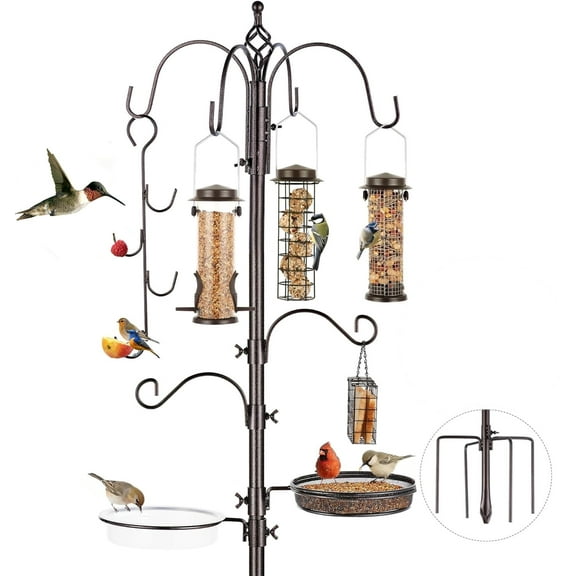
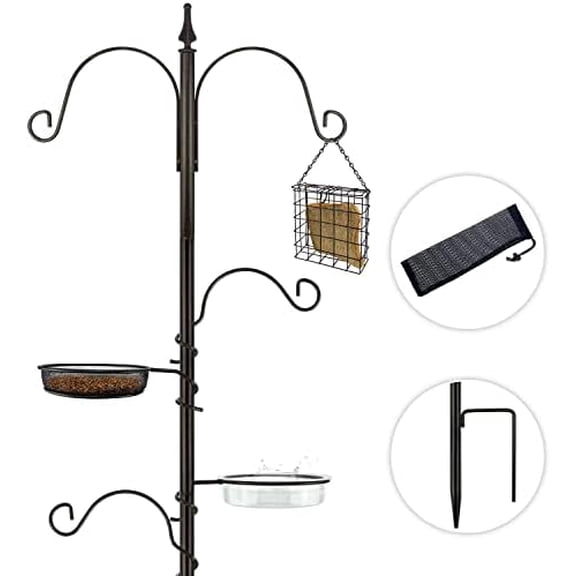
A multi-hook bird feeder pole can help you separate seed, suet, and water in one area. You'll give different birds more room, and you can spread weight across several arms instead of one point.
- You can use single hook poles for one lightweight feeder in a compact area.
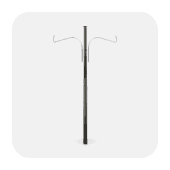
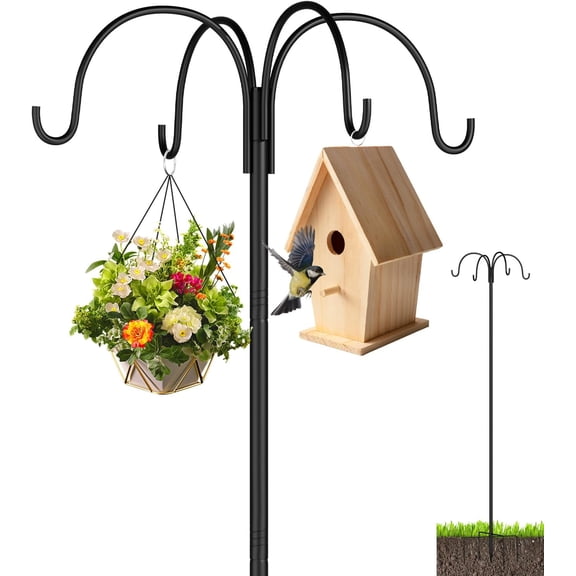
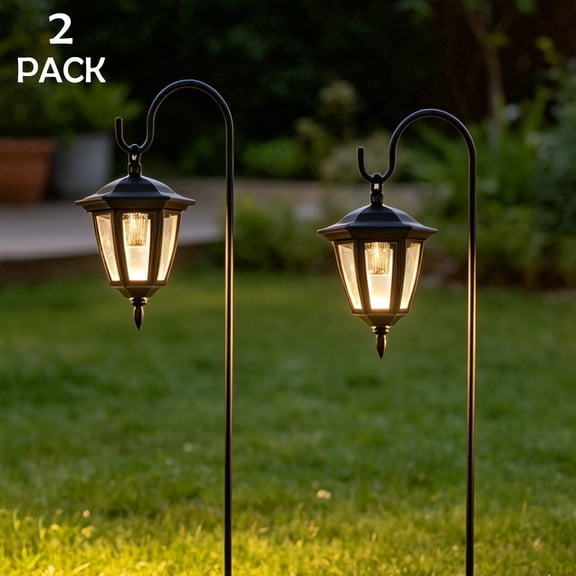
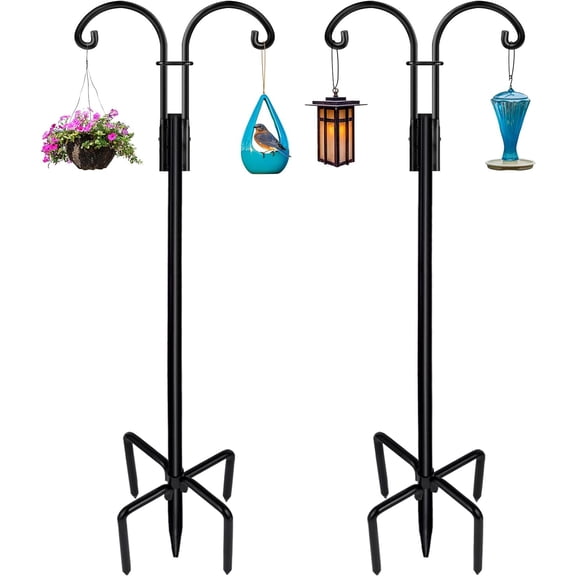
- You can choose double hook poles when you want two feeder styles at the same height.
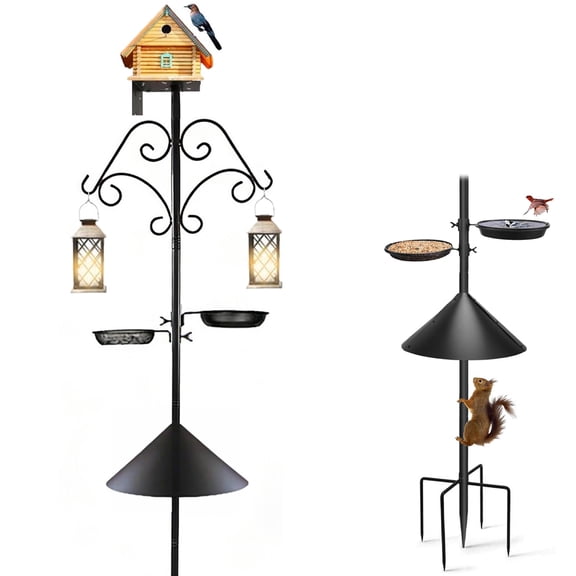
- You can pick multi-hook or four-way poles when you want a fuller backyard feeding station.
- You should compare weight capacity if you plan to hang heavy wooden feeders instead of light plastic tubes.
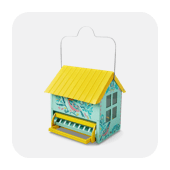
You should match your pole to feeder weight, especially when you use larger hopper feeders or wooden houses. You'll usually want stronger steel construction when your setup includes multiple hanging items.
Comparing heavy duty bird feeder pole materials
You can narrow your options by looking at material and finish, since outdoor exposure changes how a pole holds up. You'll often see heavy-duty steel, rust-resistant coatings, and wrought iron styles across this category.
A heavy duty bird feeder pole can make sense when you hang several feeders or use larger hopper designs. You'll usually notice sturdier tubing, stronger hooks, and a more planted feel during windy weather.
If you want a traditional garden look, you may lean toward wrought iron styling with decorative curves and scrollwork. You should still compare the support design, because appearance and carrying strength aren't always the same.
Rust-resistant finishes matter when you keep your station outdoors through spring rain or winter bird feeder mounting needs. You'll want coatings that help your pole keep its look through damp mornings, changing temperatures, and regular cleaning.
Looking for squirrel proof bird feeder pole features
You can make your setup easier to manage by comparing protection features before you install anything. You'll often find squirrel baffle and predator guard options that support a cleaner feeding area.
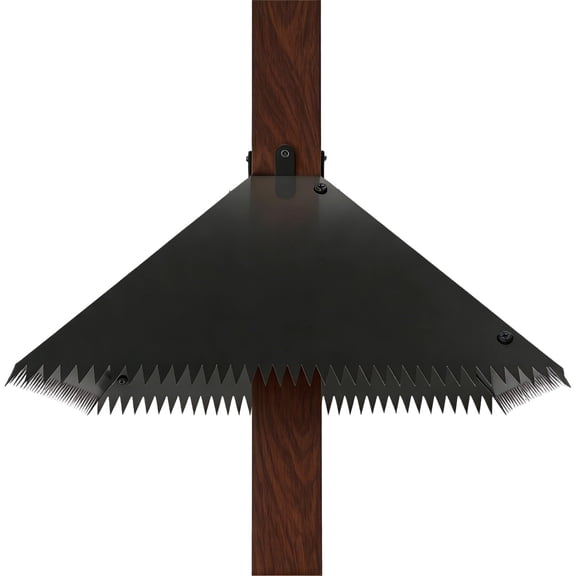
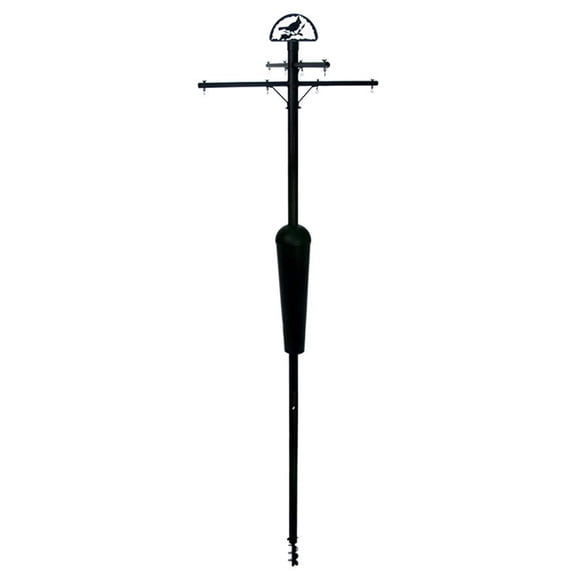
A squirrel proof bird feeder pole usually uses a baffle that creates a smooth barrier beneath the feeder. You'll make climbing harder when your guard sits at the right height and leaves little room above nearby jumping points.
If you place feeders near fences, deck rails, or low branches, you may reduce the benefit of a baffle. You should measure surrounding clearance so your protection features work as intended in your space.
Predator guards can also matter when you want more separation between birds and nearby structures. You'll create a more controlled station when you combine pole height, spacing, and guard placement thoughtfully.
Using bird feeder poles through the seasons
You can keep your yard flexible by choosing height-adjustable designs that simplify refilling and cleaning during busy weeks. You'll appreciate easier access when you swap seed blends, rinse trays, or change feeder positions.
Spring bird feeding poles can help you expand your setup as activity increases around garden beds and lawns. You can start with one feeder, then add hooks or accessories as your feeding routine grows.
During colder months, you may want stable mounting and easy access for winter bird feeder mounting tasks. You'll likely prefer poles that stay steady in firm soil, attach securely to decks, or support quick feeder changes.
You can also coordinate your pole choice with nearby birding essentials for a complete station. You'll often pair poles with bird feeders, wild bird food, bird baths, or bird houses for a more organized setup.
You can choose bird feeder poles with more confidence when you compare mount type, hook layout, material strength, and protection features together. You'll end up with a setup that fits your space, supports your feeders, and keeps routine upkeep simpler.