

Wood Sealers in Wood Stains, Coatings & Finishes

















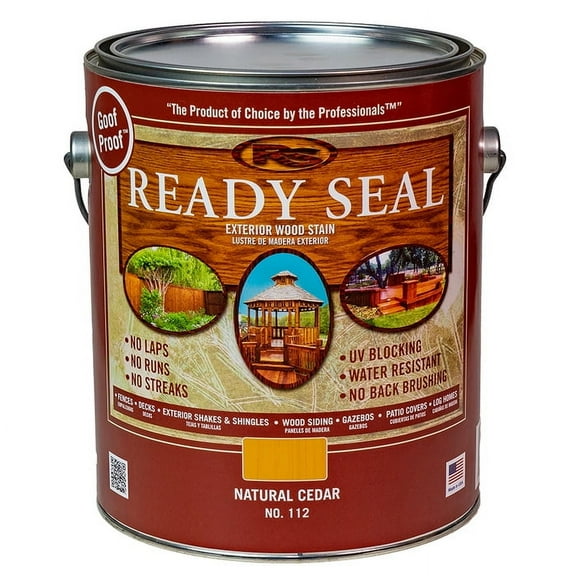


About Wood Sealers in Wood Stains, Coatings & Finishes - Walmart.com
Staining and sealing wood helps outdoor boards, rails, and furniture keep their color and finish through sun, rain, and daily wear.
This category brings together wood stain and sealer options for decks, fences, siding, and trim. Youu'll find formulas made for fresh wood, older surfaces, and maintenance coats. That makes it easier to match the product to your project and finish goals.
Staining and sealing wood for lasting results
A good sealer for wood does more than add color. It also helps slow fading, highlights grain, and leaves surfaces looking more even. Thatu's important when youu're updating a deck, gate, pergola, or picnic table.
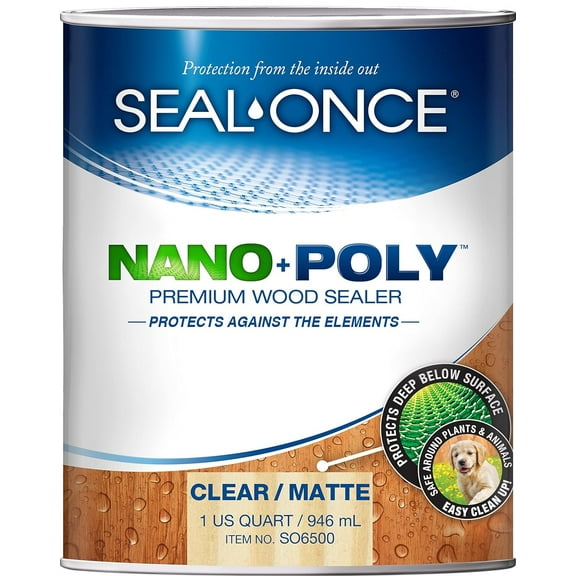
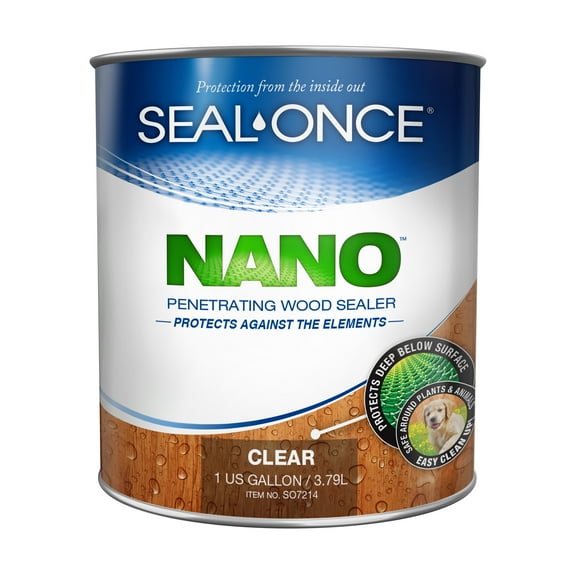
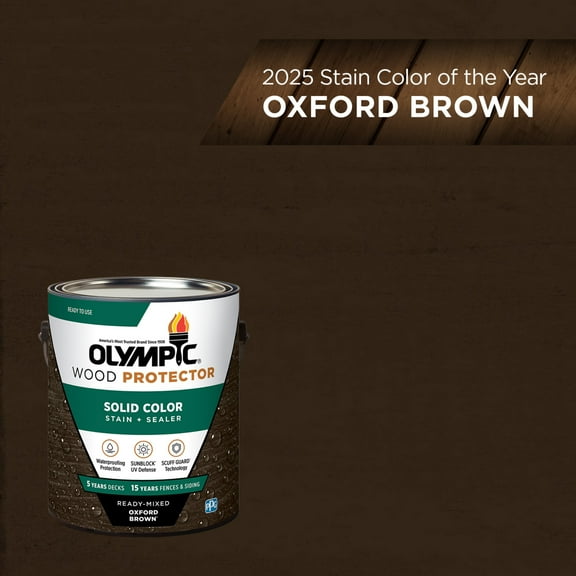
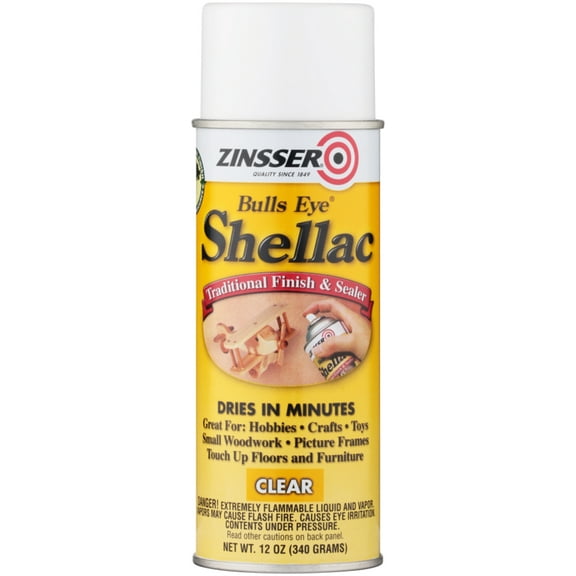
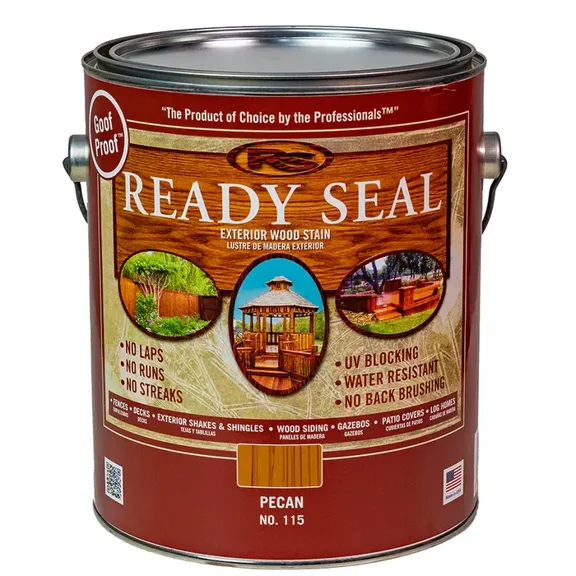
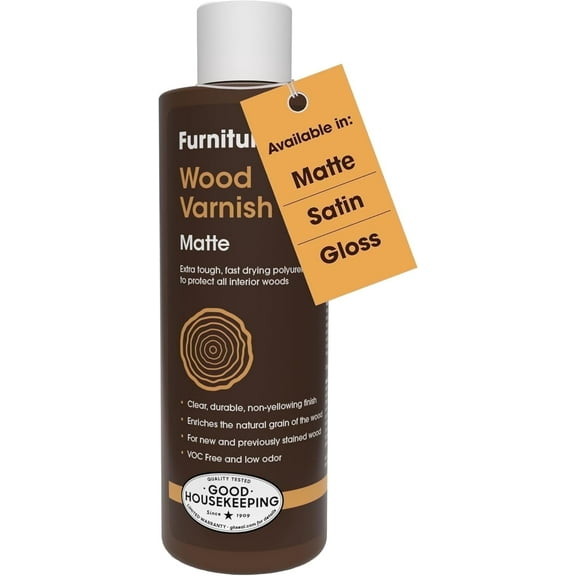
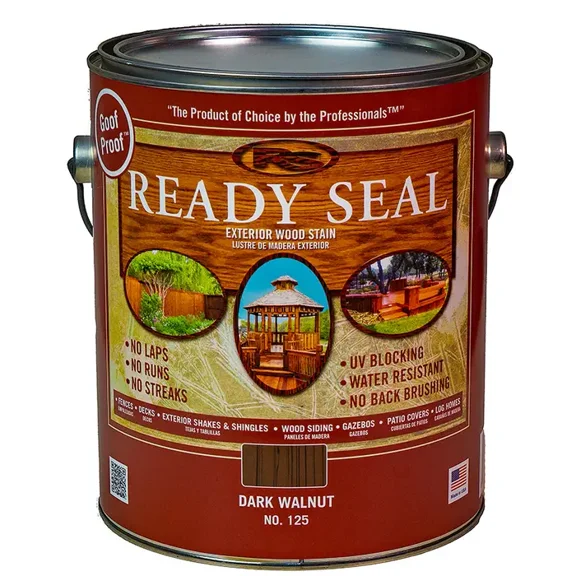
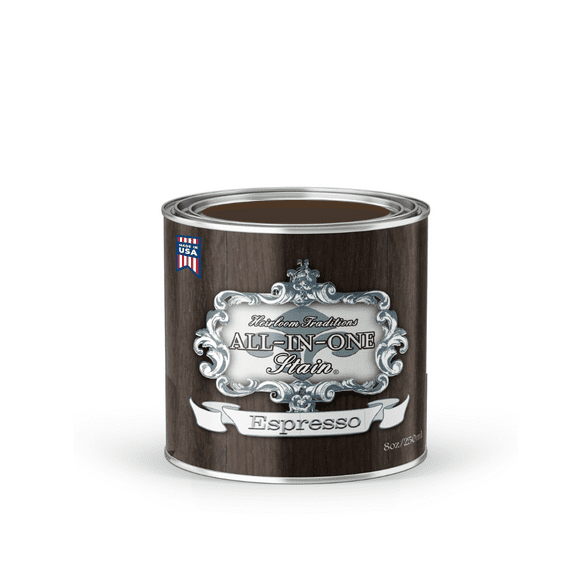
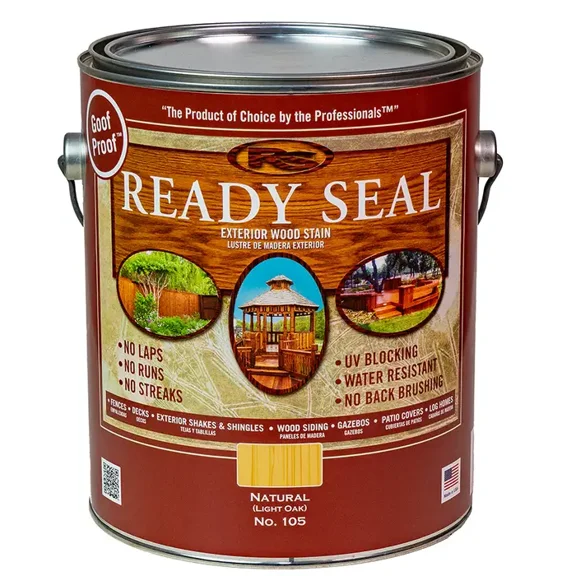
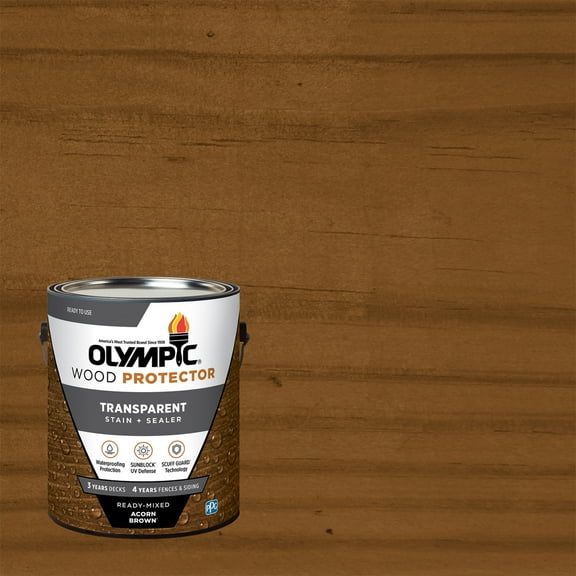
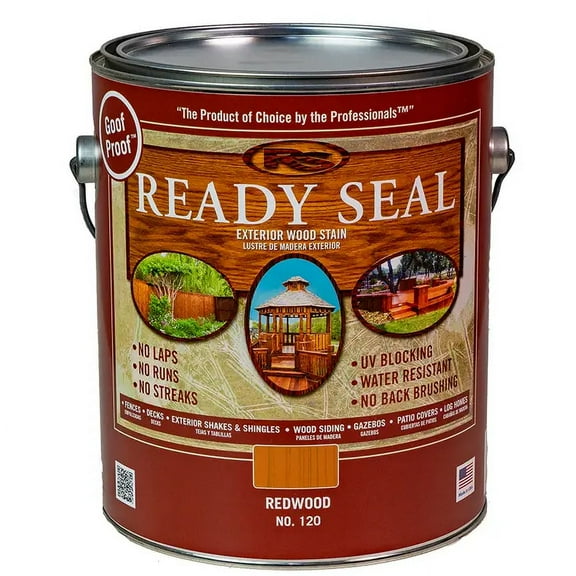
Combo products can simplify project planning. A wood stain and sealer adds tone and a protective layer in one step. Standalone sealants work well when you want to keep the natural look of cedar, pine, or pressure-treated lumber.
- Helps wood grain stay visible while enhancing color.
- Supports a cleaner-looking finish on decks, fences, and railings.
- Offers options for clear coats, tinted finishes, and solid coverage.
- Works across outdoor structures, garden projects, and exterior trim.
Different sheens and opacities also change the final look. Transparent finishes show more grain detail, while solid formulas cover more variation in older boards. That choice can shape the whole appearance of a backyard space.
Wood stain and sealer features that matter
Project success often comes down to formula type, coverage, and finish. Water-based products usually dry faster and make cleanup easier. Oil-based options often soak deeply into porous wood and bring out rich grain patterns.
Look closely at where the product is meant to go. An outdoor wood sealer is made for exposed surfaces like decks, fences, playsets, and patio furniture. Interior-focused products fit doors, paneling, shelves, and decorative woodwork.
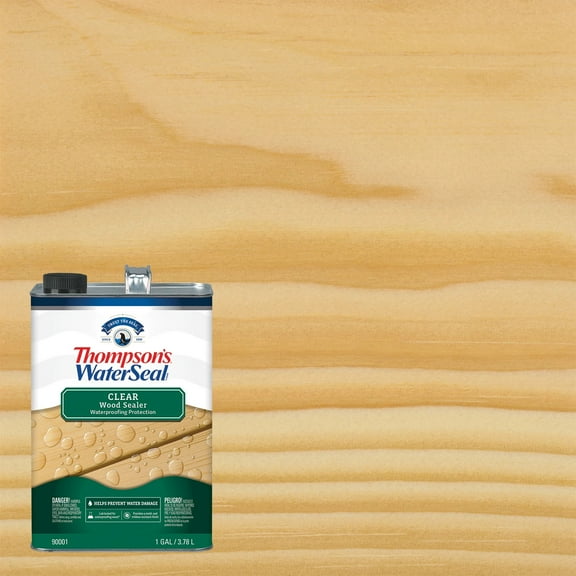
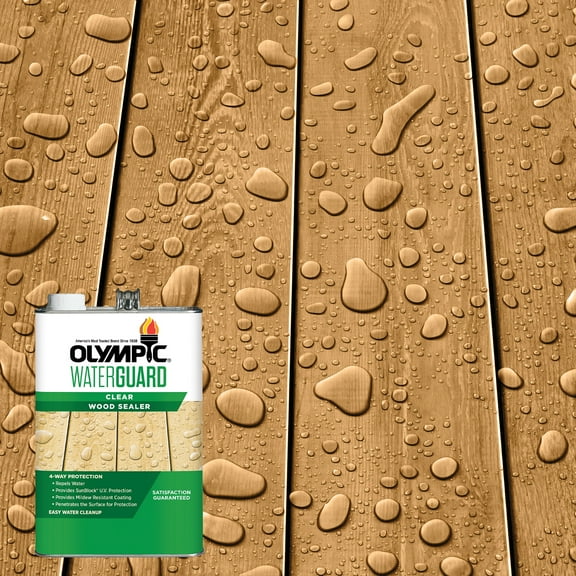
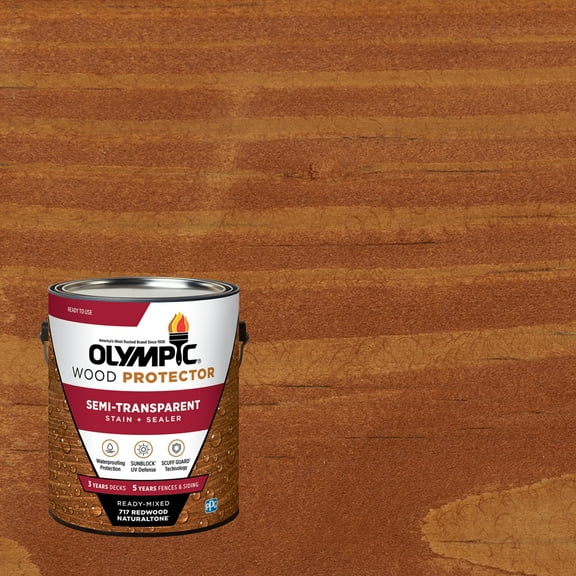
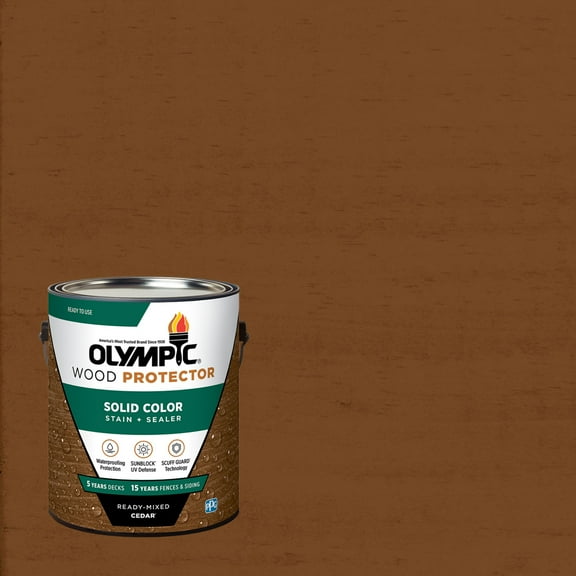
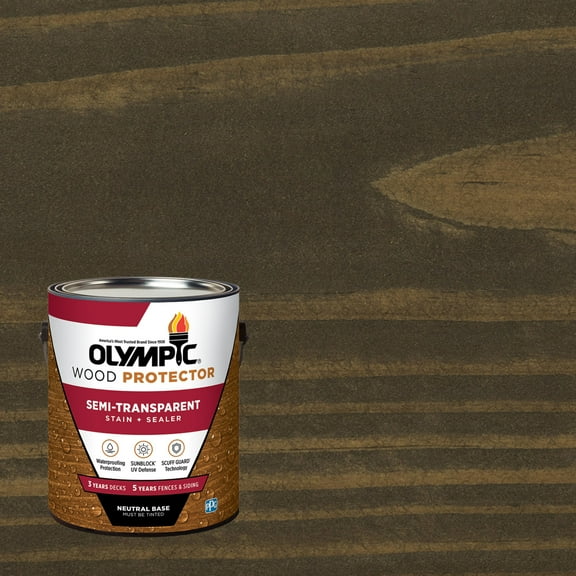
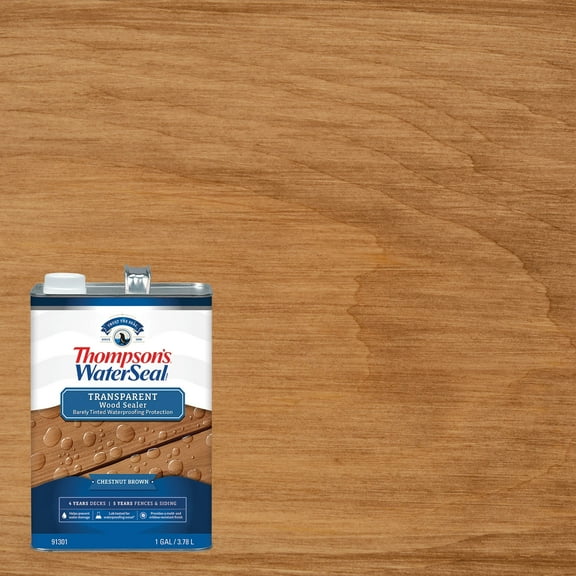
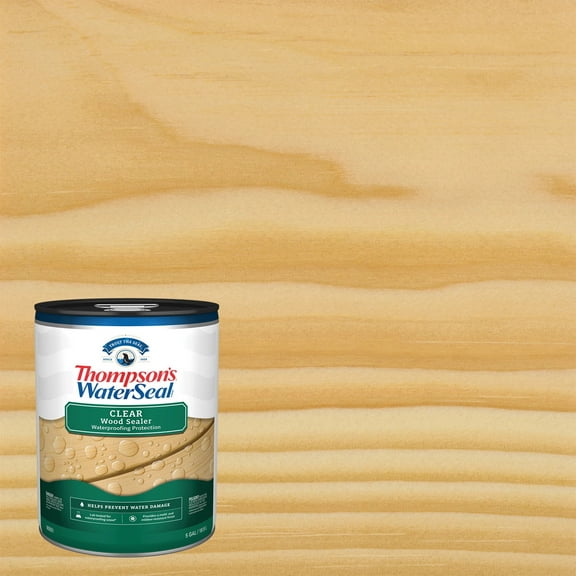
Opacity is another key filter. Clear and transparent coatings keep the natural wood tone visible. Semi-transparent options add color while showing grain. Solid finishes create a painted appearance without hiding the wood texture completely.
Application method matters too. Some sealant wood products are designed for brushes and rollers, while others work with sprayers or stain pads. That can affect how quickly you cover long fence runs, deck boards, or stair treads.
Coverage area and recoat timing can help you plan around weekends and changing weather. For large surfaces, checking square-foot coverage helps estimate how much product youu'll need before starting.
Choosing an outdoor wood sealer by project
Not every exterior job needs the same formula. Deck boards handle foot traffic and open exposure, so many shoppers choose an outdoor wood sealer built for horizontal surfaces. That can help maintain a more uniform finish across large planked areas.
A fence sealer often needs easy application across vertical boards, posts, and gates. Semi-transparent finishes are common here because they add color while letting wood character show through. That balance works well for backyard privacy fences and decorative pickets.
For siding, shutters, and trim, youu'll want to consider color consistency and how the finish looks across different cuts of wood. A sealer stain for wood can help tie together mixed grain patterns on older exterior projects.
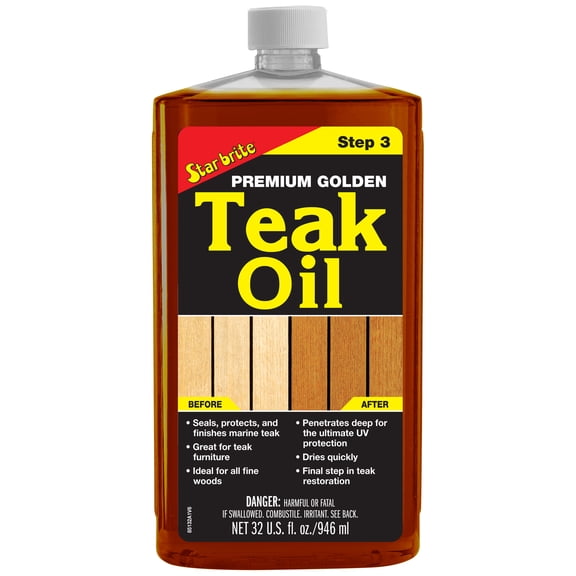
Outdoor furniture and planters bring another need. Smaller items often have corners, slats, and detailed edges that benefit from smoother brush flow and manageable dry times. Clear or lightly tinted wood sealant for outdoors can keep the original appearance more visible.
Fresh lumber and weathered boards can absorb stain differently. New pressure-treated wood may need a product suited to recently installed materials, while older surfaces may benefit from stronger color coverage.
How to compare sealer for wood options
Start with the surface location and the look you want. Then compare transparency, base type, and application method. Those three details usually narrow the field quickly.
Next, think about project scale. A gallon count that works for a bench wonu't cover a full deck or perimeter fence. Matching product size to square footage helps keep color and finish consistent from start to finish.
It also helps to compare maintenance expectations. Some finishes are designed for easier refresh coats, which is useful on decks, dock railings, and other frequently exposed surfaces. That can make future upkeep feel more predictable.
Color family matters for repairs and additions. If youu're sealing a new gate next to an older fence, a close stain match can create a more blended appearance. Thatu's especially useful when outdoor spaces have multiple wood structures in view.
With the right wood stain and sealer, your project can keep its character while standing up to everyday exposure. Choosing by surface, opacity, and formula makes the finish look cleaner and last through more seasons.