

Kitchen Cleaners & Kitchen Cleaning Sprays




















About Kitchen Cleaners & Kitchen Cleaning Sprays - Walmart.com
You can compare kitchen cleaner options by surface, formula, and form, so your counters, cooktops, and appliances stay presentable after daily cooking. You’ll also find choices for quick wipe-downs or stuck-on grease, which matters when your kitchen sees light prep and heavy meals.
How to choose the right kitchen cleaner
Start with your main cleaning task before you compare labels. You’ll want one type for everyday crumbs and splatters, and another for greasy backsplash buildup.
Look at where you’ll use it most often in your kitchen. You may need one cleaner for quartz counters, another for stainless steel doors, and another for oven interiors.
Check whether your routine calls for daily maintenance or thorough cleaning sessions. You’ll notice that a kitchen cleaner made for frequent wiping usually feels different from a concentrated degreasing formula.
Choosing between kitchen cleaning spray, liquid, powder, and wipes
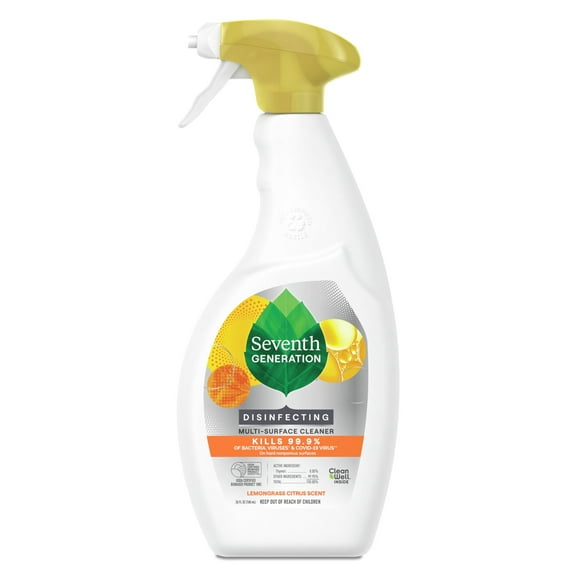
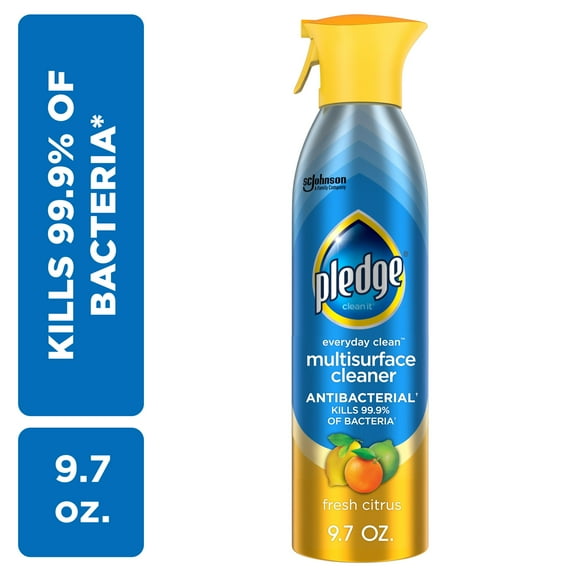
Product form changes how you clean and how much added control you get. You’ll usually reach for a kitchen cleaning spray when you want even coverage on counters, handles, and appliance fronts.
Pourable liquid works well when you want to spread cleaner across broad areas or mix it with water. You may prefer this format for sinks, tile edges, or broad countertop sections.
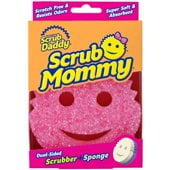
Powder formulas can help you scrub cooked-on messes when you need added friction. You should compare abrasive versus non-abrasive options, especially if your surfaces include polished stone or stainless steel.
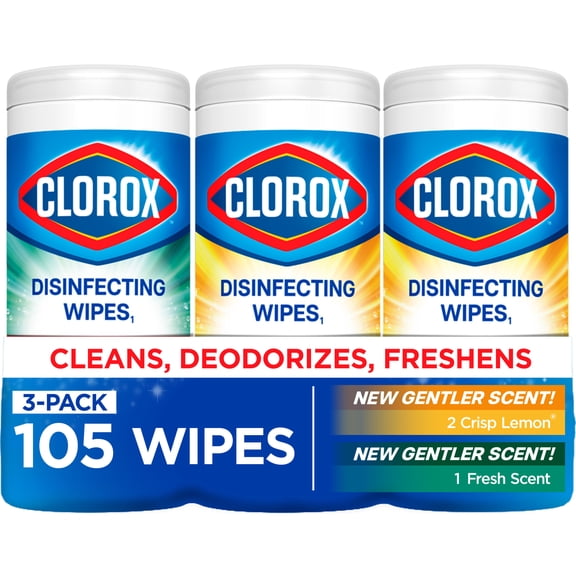
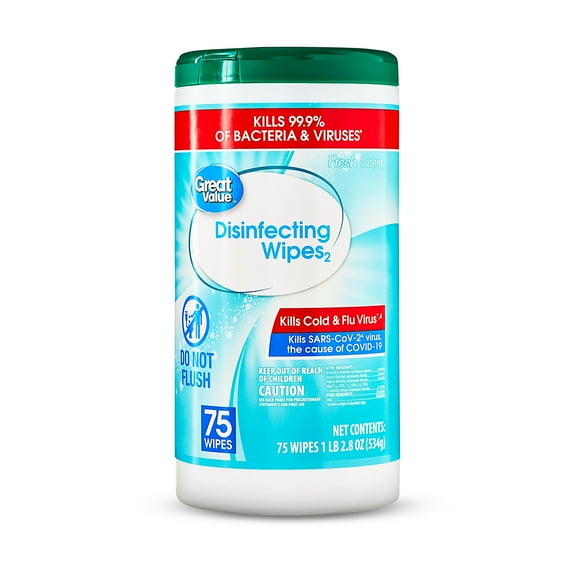
Wipes give you a fast grab-and-go option for quick touchups around the kitchen. You’ll appreciate them when you want to clean cabinet pulls, microwave buttons, or small spills without extra tools.
- You can use spray formats for targeted misting on appliance doors and backsplashes.
- You can choose liquids for broad cleaning jobs around sinks and long counters.
- You can compare powders when you need scrubbing help for stubborn residue.
- You can keep wipes nearby for fast cleanup between cooking steps.
Comparing surface compatibility for kitchen appliances cleaner needs
Surface compatibility should guide every choice you make in this category. You’ll want to check whether your cleaner suits stainless steel, granite, quartz, wood, or ceramic before regular use.
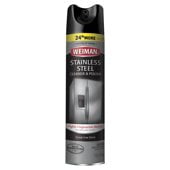
For stainless steel, you should look for non-abrasive formulas that help prevent a dull-looking finish. You’ll also want a product that wipes clean with minimal residue on refrigerator doors.
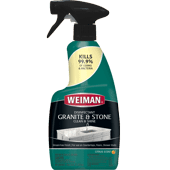
For granite and quartz, consider whether the formula feels gentle enough for sealed stone. You may prefer a kitchen appliances cleaner that supports routine cleanup without a gritty texture.
Wood and ceramic need different care because their finishes and textures differ. You’ll want to compare how quickly a formula lifts splatters from glazed tile versus finished butcher-block areas.
If pH level appears on packaging, use it as a clue for surface care. You can pair that detail with non-abrasive wording when you’re choosing for polished counters or sleek appliance panels.
Matching formula type to grease, crumbs, and daily messes
Formula type matters because kitchen messes change throughout the week. You’ll likely need a degreaser for cooking splatter and a multi-surface option for everyday wiping.
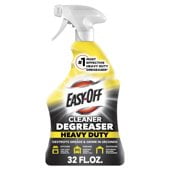
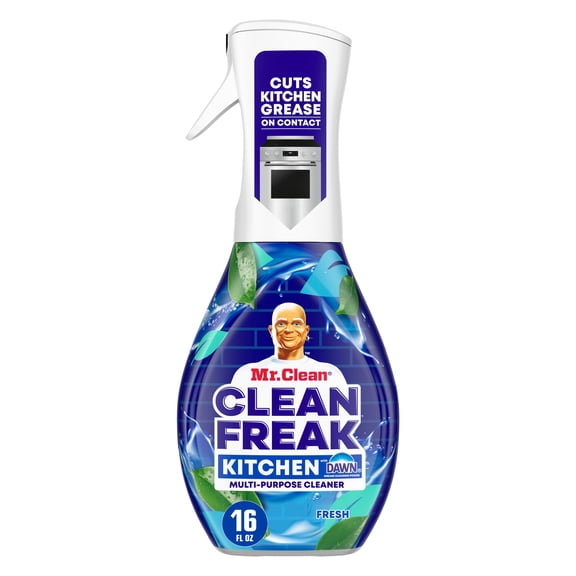
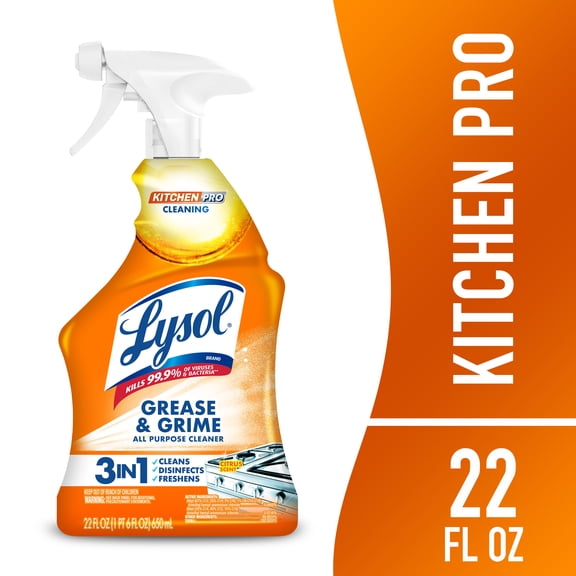
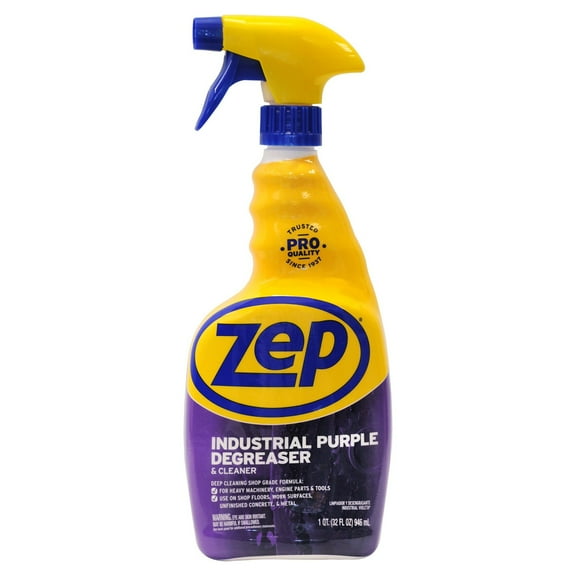
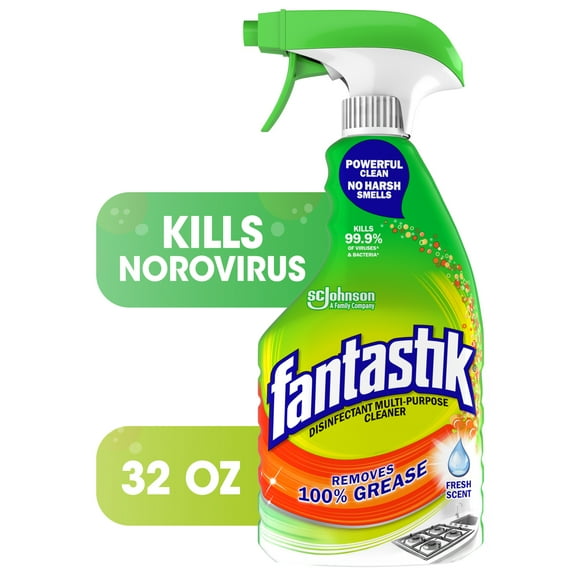
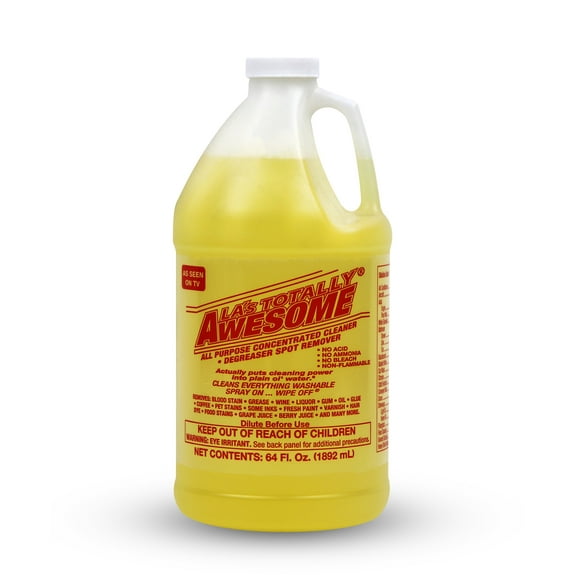
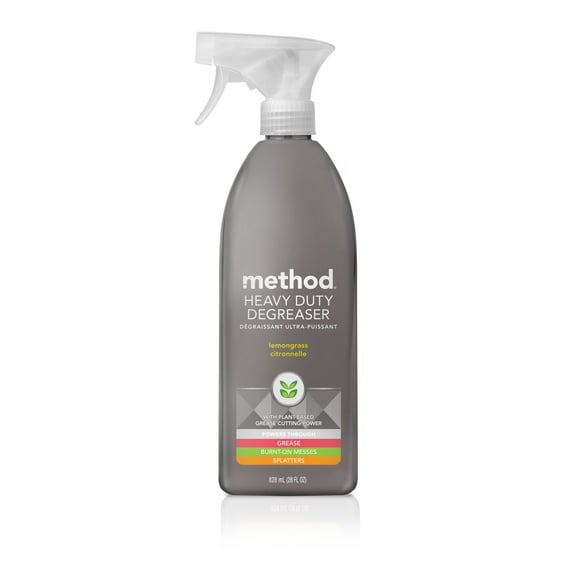
Degreasers help you tackle oily film around ranges, hood areas, and backsplashes. You’ll usually choose them when sautéing, frying, or roasting leaves a sticky layer behind.
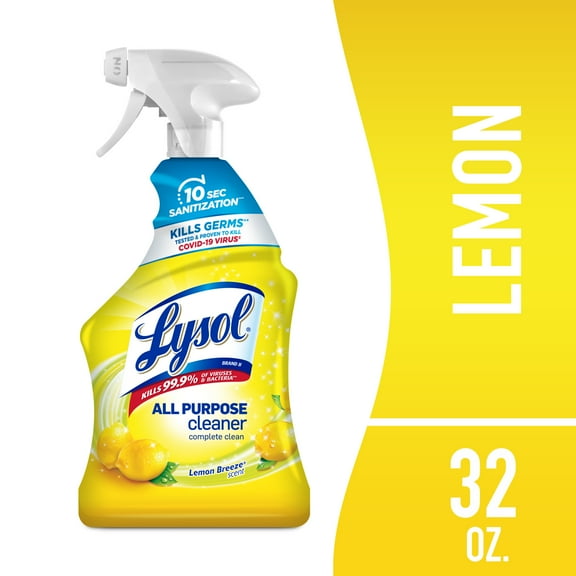
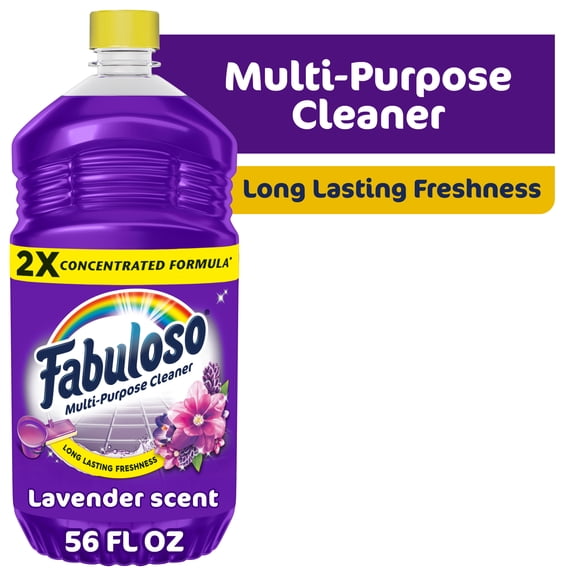
Multi-surface options suit lighter maintenance on counters, sinks, and table areas. You can use them when your goal is quick cleanup after snacks, prep work, or morning coffee.
Natural and disinfectant formulas give you different cleaning priorities to compare. You should read the label closely when your focus is scent, residue, or use around food-prep spaces.
Scent matters when you clean areas near cutting boards, fruit bowls, and serving spaces. You may prefer a formula that leaves your kitchen smelling fresh without a lingering heavy fragrance.
Residue also affects how satisfied you feel after wiping food-contact surfaces. You’ll want a cleaner that leaves counters ready for your usual kitchen routine after you follow label directions.
Using kitchen cleaner liquid and cooking cleaner by area
Application area helps you narrow the right option quickly. You’ll clean ovens, cooktops, countertops, and sinks differently because each area collects a different kind of mess.
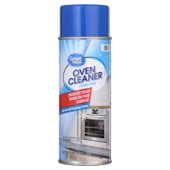
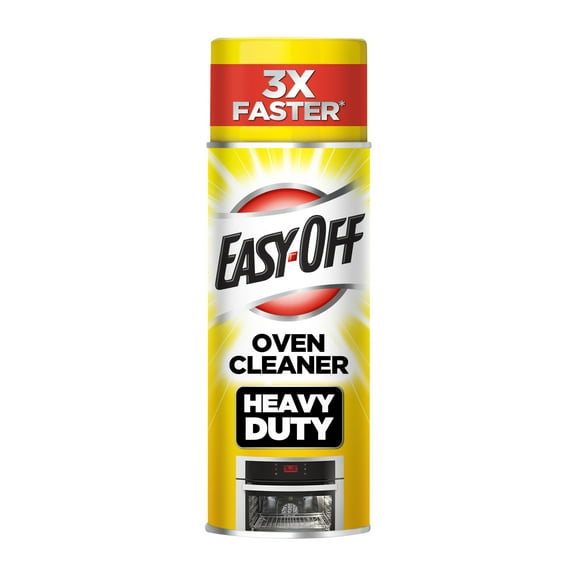
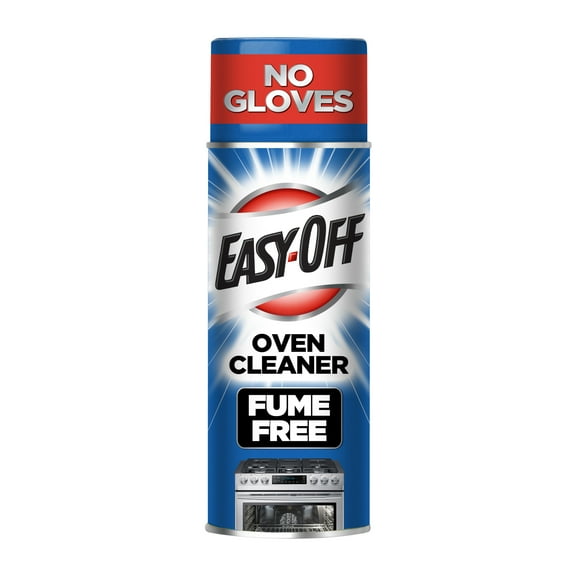
Ovens often need specialized cooking cleaner options for baked-on splatter and darker residue. You can reserve those formulas for thorough cleaning sessions instead of everyday countertop wiping.
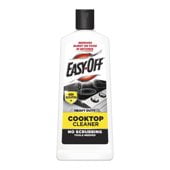
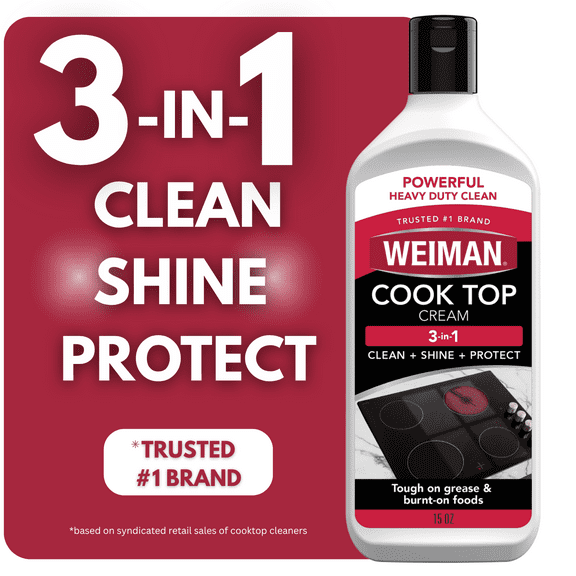
Cooktops need attention to finish, especially if you have glass, ceramic, or metal surfaces. You’ll want a non-abrasive choice that handles grease without making smooth surfaces harder to polish.
Countertops usually call for a kitchen cleaner liquid or spray that’s easy to spread and wipe away. You may prioritize lighter scent and minimal residue here because this area handles frequent food prep.
Sinks collect water spots, soap film, and stray food messes through the day. You can compare formulas that rinse clean and work across stainless steel or ceramic sink basins.
Kitchen equipment cleaner options also help around mixers, toaster ovens, coffee stations, and microwave exteriors. You’ll get targeted results when you match the formula to the surface and the mess.
What to look for before you choose
Check the label for form, surface compatibility, and intended application area before you decide. You’ll make an informed pick when you compare spray control, liquid coverage, and scrubbing strength side by side.
With the right kitchen cleaner, you can keep greasy cooktops, stone counters, and appliance surfaces looking ready for your next meal prep. You’ll feel confident when each formula matches your kitchen’s materials and cleaning routine.