


Find auto parts that fit
Let’s search for parts that fit your vehicle.Differential Fluids in Automotive Fluids
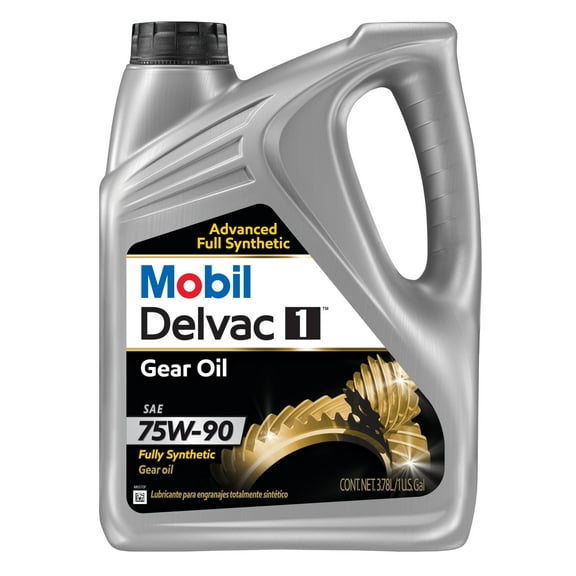

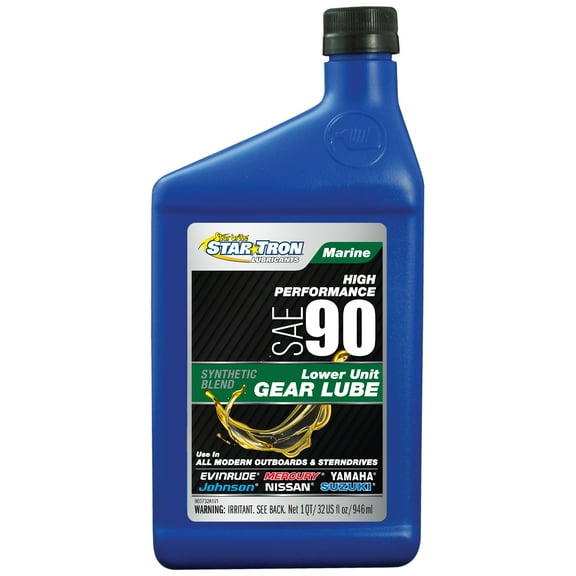
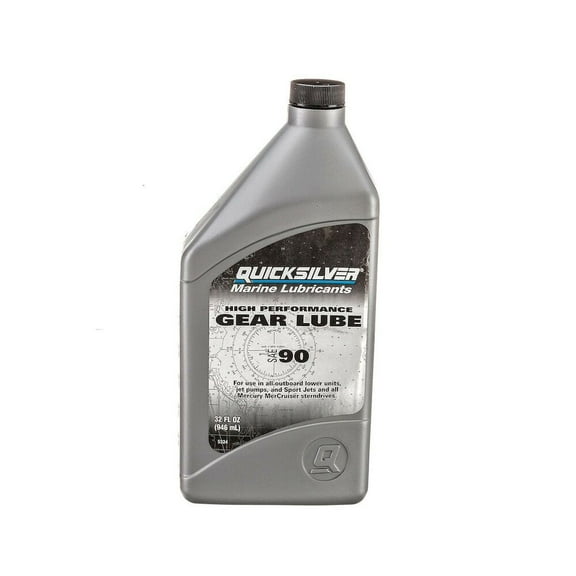











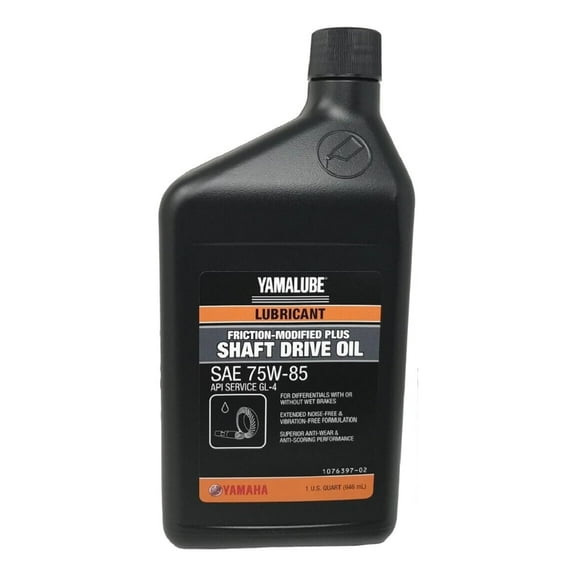


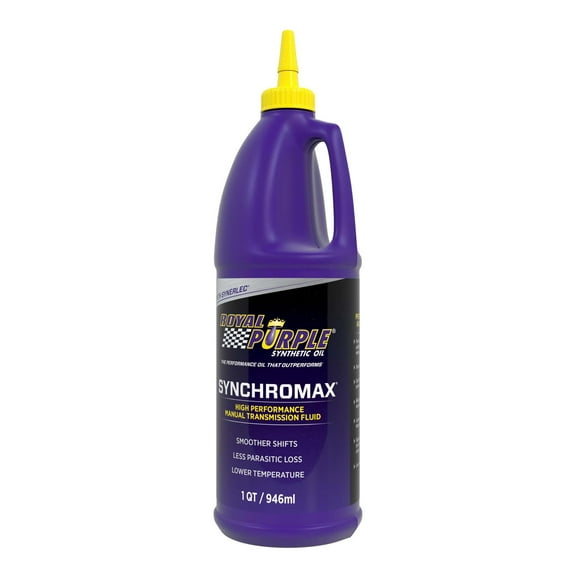



About Differential Fluids in Automotive Fluids - Walmart.com
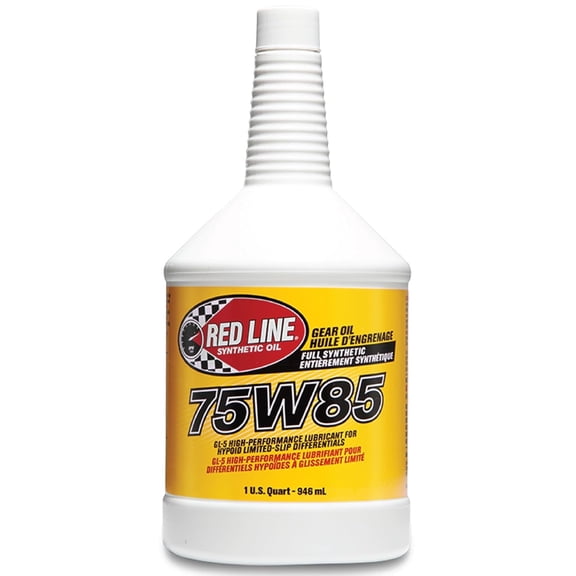
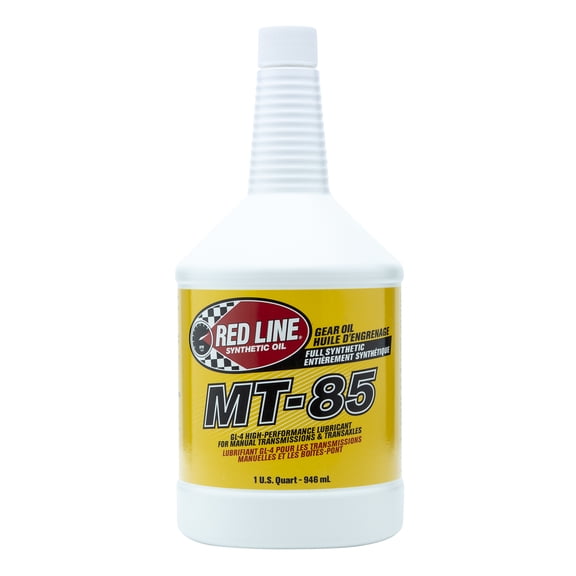
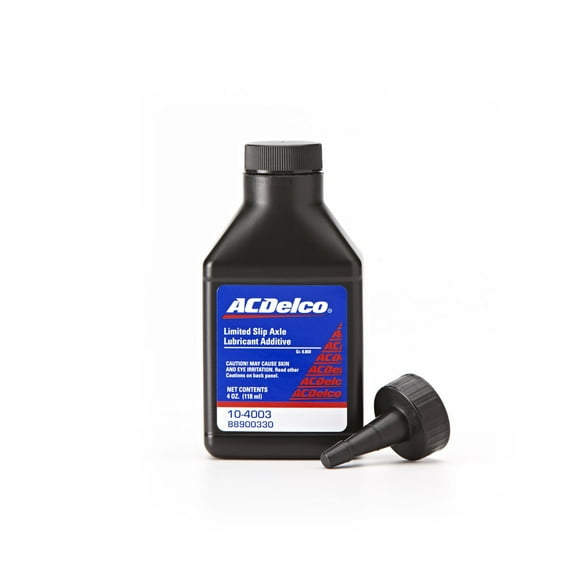
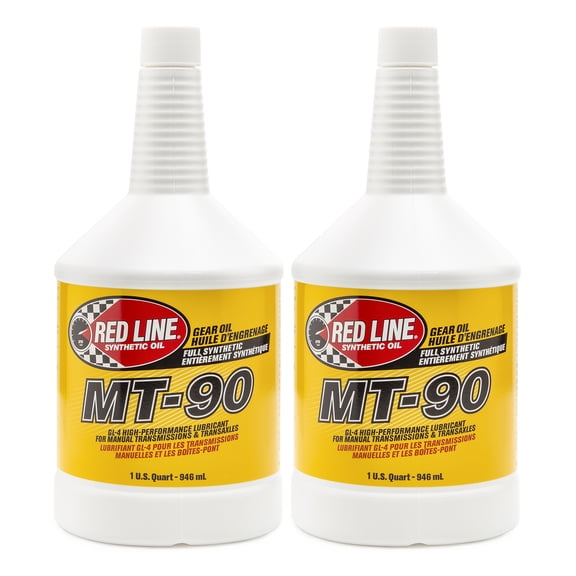
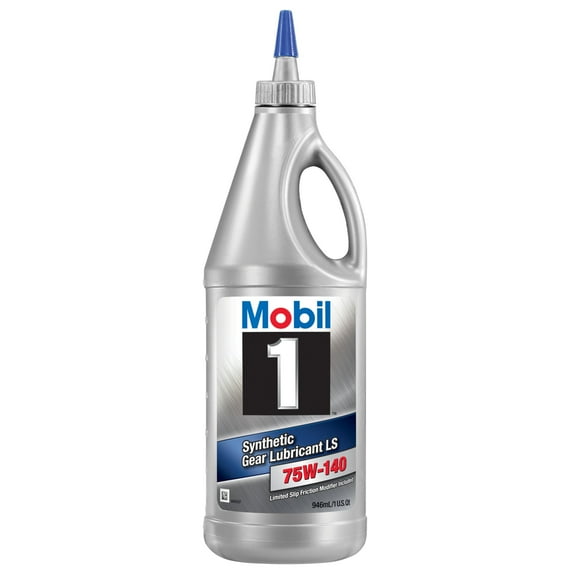
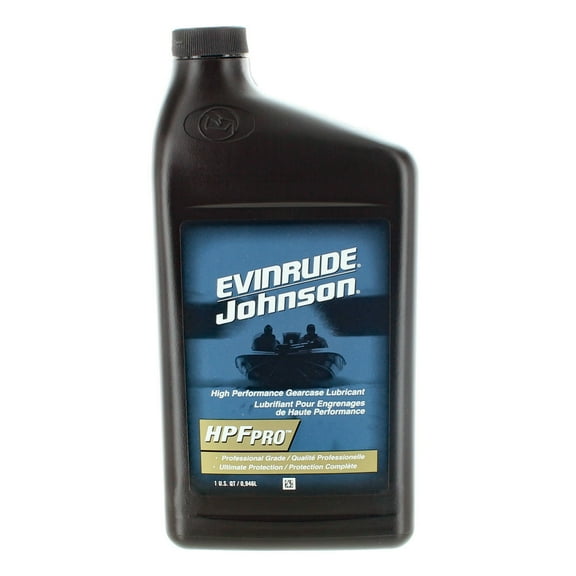
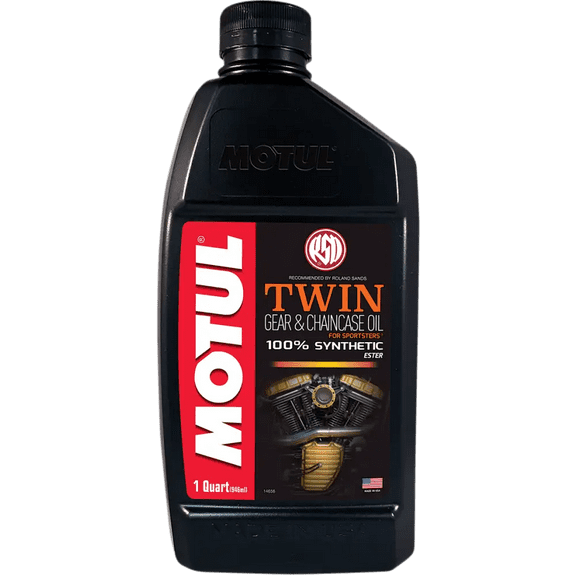
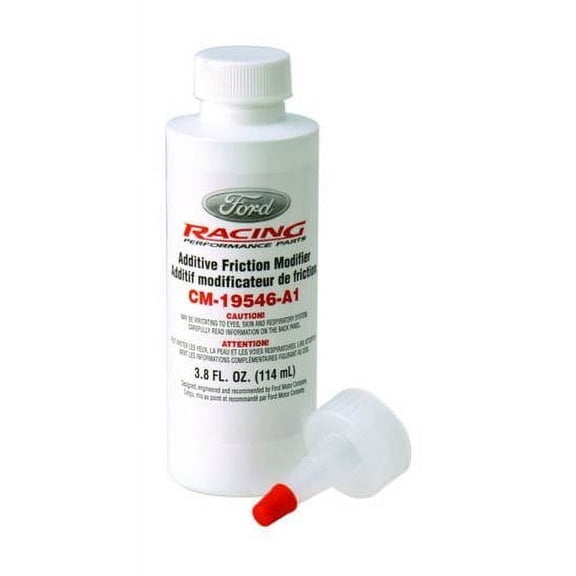
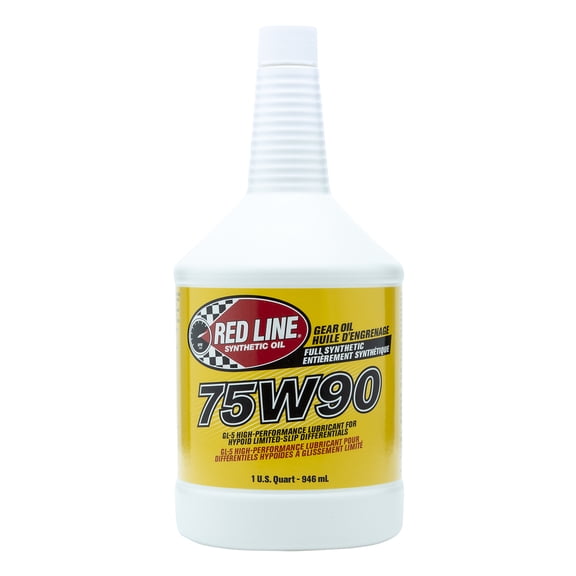
Rear differential fluid keeps gears lubricated under heavy load, heat, and constant rotation in your axle housing. The right bottle helps reduce chatter, noise, and harsh engagement during turns and towing. Walmart’s selection includes common gear oil weights, plus additives made for limited-slip differentials. You’ll also find options labeled differential oil, diff fluid, and aceite de diferencial for easier matching. Use your owner’s manual to confirm viscosity and whether your axle needs a friction modifier.
Rear differential fluid benefits you’ll notice
Fresh rear differential fluid helps your ring and pinion gears glide instead of grind under load. That means smoother starts, steadier highway cruising, and fewer surprises when you’re towing. It also helps manage heat, which matters when your axle works hard on long drives. If your vehicle has a limited-slip differential, the correct fluid can help reduce clutch chatter in tight turns.
Choosing the right differential fluid also supports cleaner components over time. Old fluid can carry metallic wear particles that increase noise and vibration. New fluid helps maintain consistent lubrication across bearings, gears, and seals.
- Helps reduce gear whine caused by worn or oxidized lubricant
- Supports smoother limited-slip performance when the right friction modifier is used
- Helps protect gears during towing, hauling, and steep climbs
- Helps reduce heat stress during long highway trips
- Supports longer seal life by keeping lubrication consistent at the pinion and axle ends
Key features to compare in differential fluid and differential oil
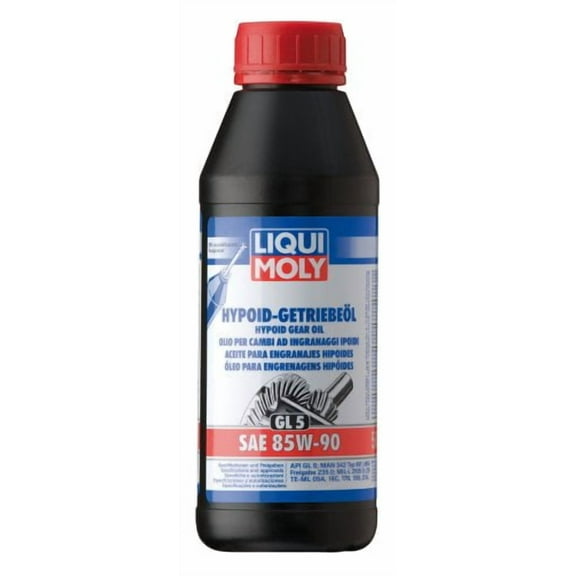
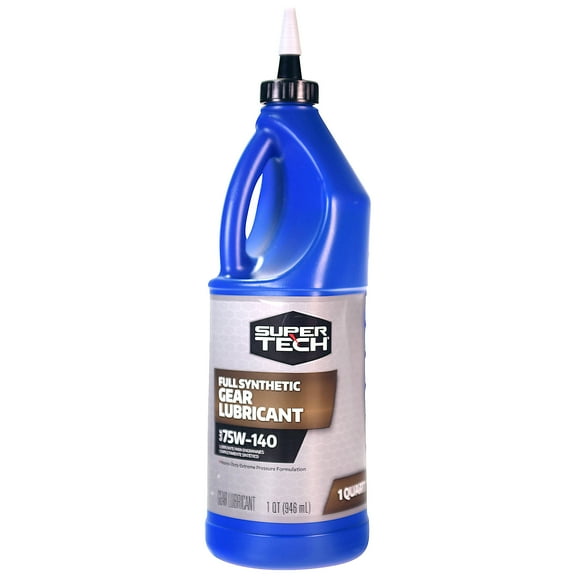
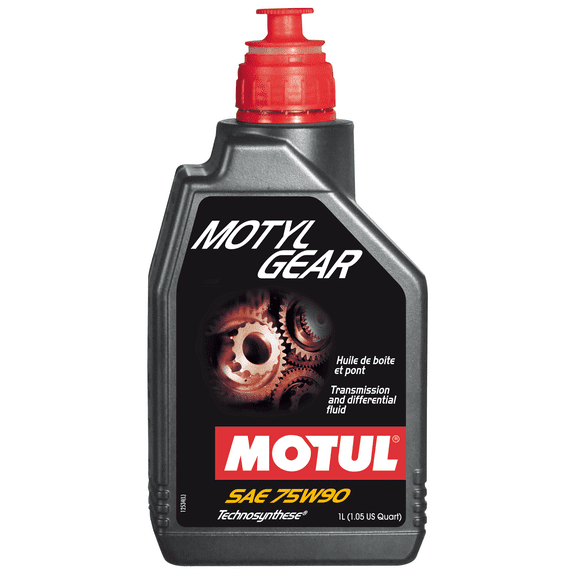
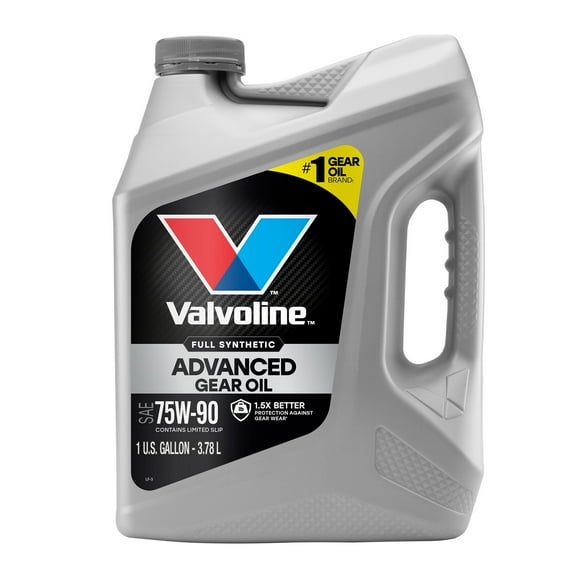
Start with viscosity, since it controls film strength at operating temperature. Many vehicles call for seventy five W-ninety or eighty W-ninety gear oil. Some trucks use heavier weights for higher loads or hotter driving conditions. Always match the spec in your manual, including any OEM performance rating.
Next, check whether the product is synthetic, conventional, or a blend. Synthetic differential oil can flow well in cold weather and resist oxidation longer. Conventional options can be a solid match for older service intervals and lighter duty cycles. Either way, the label should state the intended axle and gear applications.
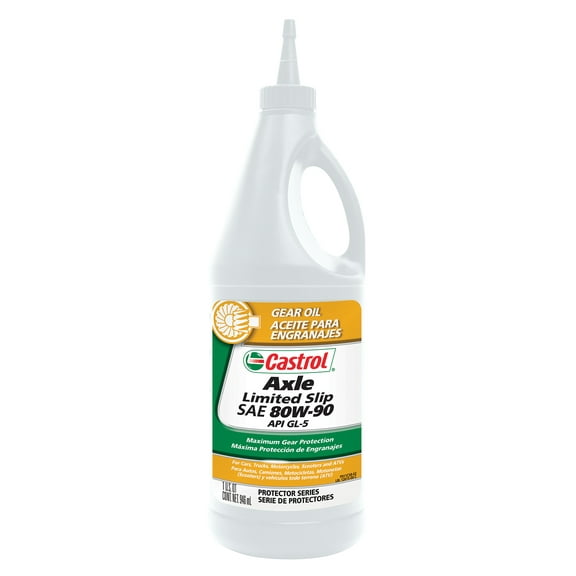
Limited-slip compatibility is another key detail. Some rear and front differential fluid applications require a friction modifier. Other bottles are already formulated for limited-slip units, so you don’t need an extra additive. If your axle uses clutch packs, look for notes like “LS” or “limited-slip” on the label.
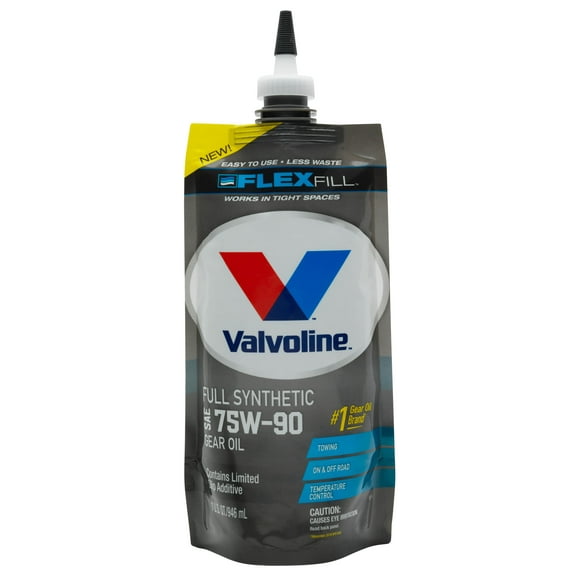
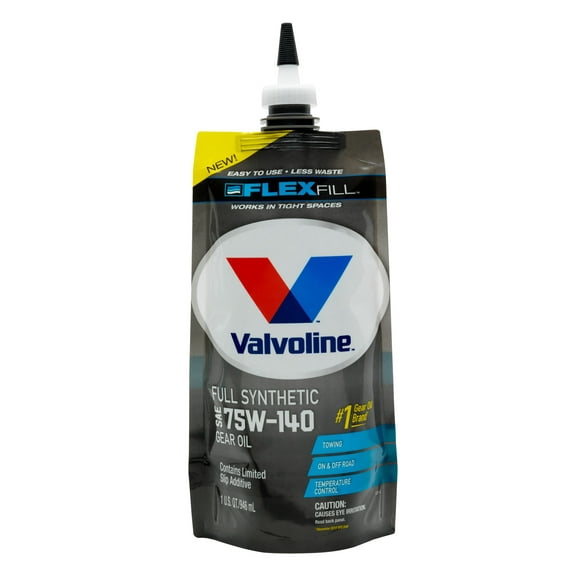
Packaging can affect how easy the job is. Many diff fluid bottles include a long-neck spout for tight fill ports. For stubborn access points, you might prefer fluid in squeeze pouches or containers that work with a hand pump. The goal is filling to the correct level without introducing dirt into the housing.
Use cases for rear and front differential fluid
If you tow a trailer, your rear axle runs hotter and sees higher tooth loads. That’s when fresh rear differential fluid can help keep lubrication stable on long pulls. It’s also useful before road trips, especially in summer heat or mountain driving. Many owners pair the change with a quick inspection for seepage around the cover and pinion seal.
Four-wheel-drive and all-wheel-drive vehicles often have multiple service points. You may need rear and front differential fluid, and sometimes transfer case fluid too. Matching each component’s spec helps prevent binding, noise, and vibration. It also keeps your drivetrain behavior consistent on dry pavement and slippery conditions.
Off-road driving adds water and dust risk at the axle vents and seals. After deep water crossings, a differential oil change can help remove moisture contamination. For desert trails, clean lubricant helps limit abrasive wear from fine dust. A magnetic drain plug can also help capture metal particles between changes.
Cold-weather drivers often notice stiff engagement on frosty mornings. A synthetic gear oil can improve cold flow and reduce initial drag. That can make backing out of a driveway feel smoother and quieter. Always confirm the viscosity range approved for your axle.
Spanish-speaking shoppers often search by application name. If you’re looking for aceite de diferencial, focus on the same specs: viscosity, limited-slip requirements, and service rating. The right match protects the gears, not the language on the label. Keeping the bottle handy during shopping helps confirm the exact requirement.
Confidence for your next differential service
When your manual calls for a specific weight and limited-slip requirement, matching it is straightforward. With the right rear differential fluid, your axle stays lubricated under heat and load. That helps keep driving smooth, especially when you haul, tow, or tackle steep grades.