







Contact Solution in Eye Care





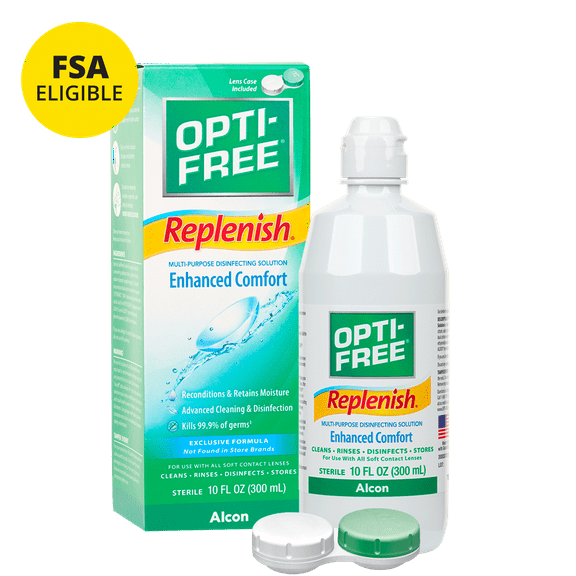
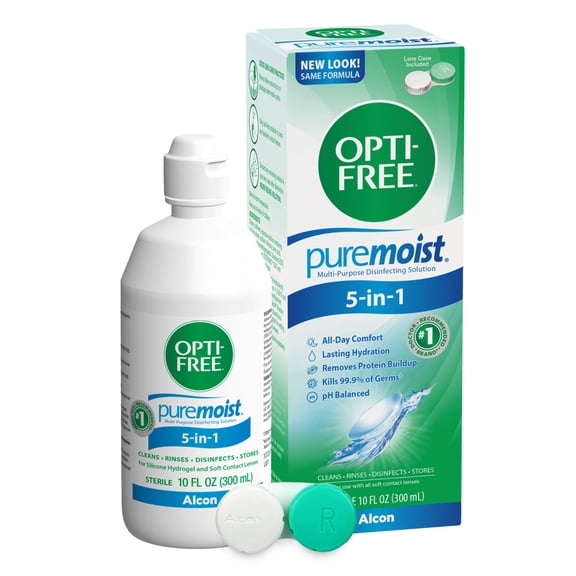
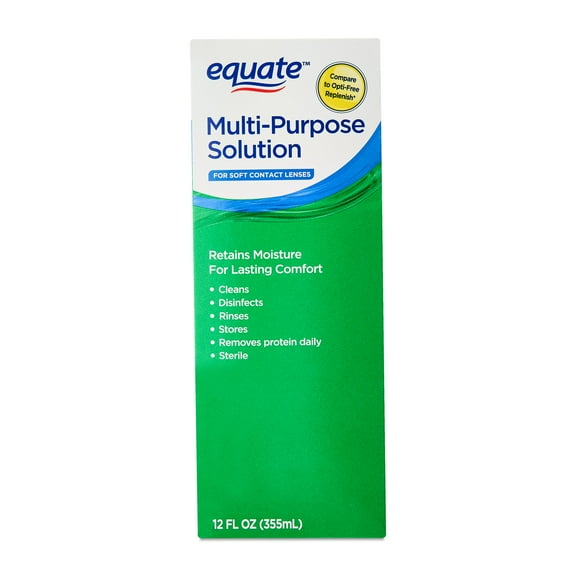
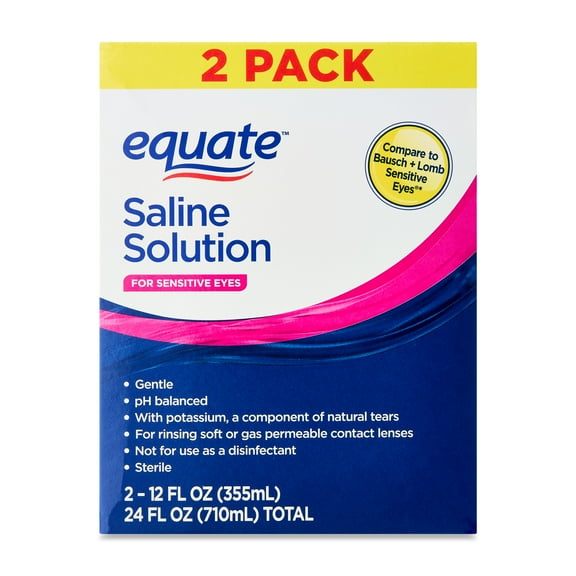










About Contact Solution in Eye Care - Walmart.com
Contact lens solution helps you clean, rinse, and store your lenses with care steps that match your routine. You can compare solution types, lens compatibility, pack sizes, and comfort-focused formulas in one place.
Different formulas support different lens materials and cleaning methods, so your choice matters from the first use. You’ll get clearer guidance when you compare multi-purpose options, peroxide systems, and saline by how you wear your lenses.
How to choose contact lens solution by solution type
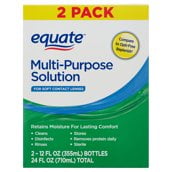
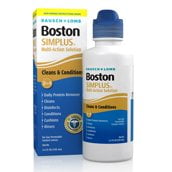
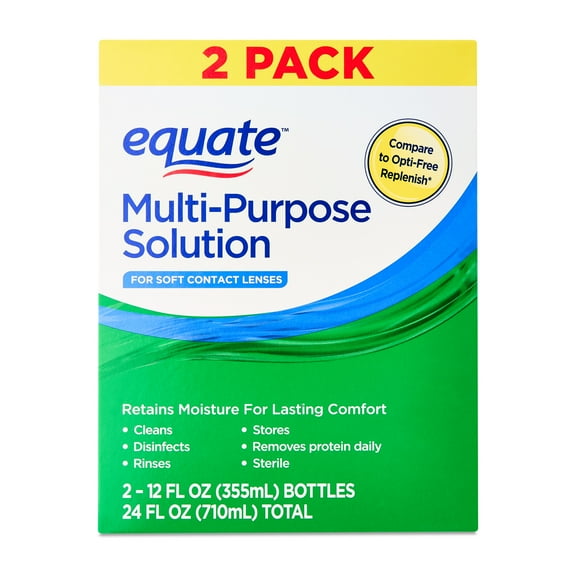
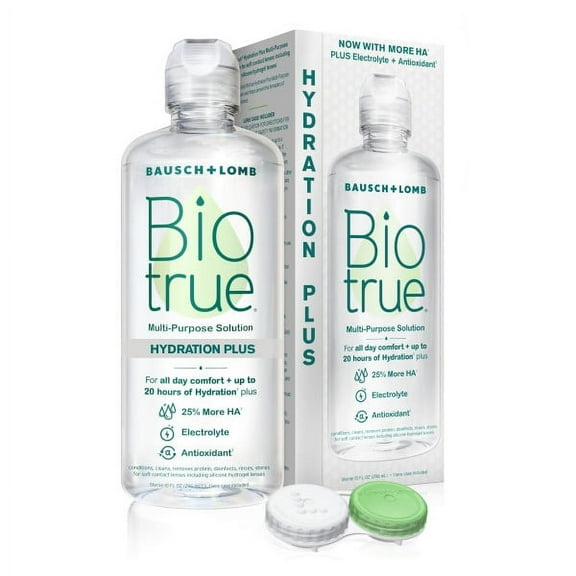
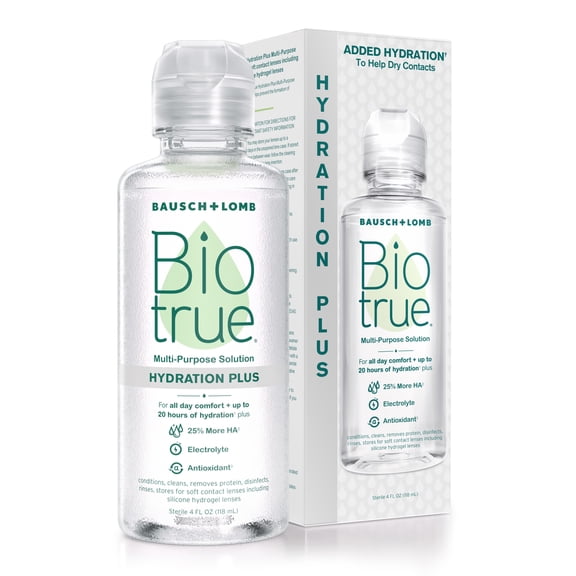
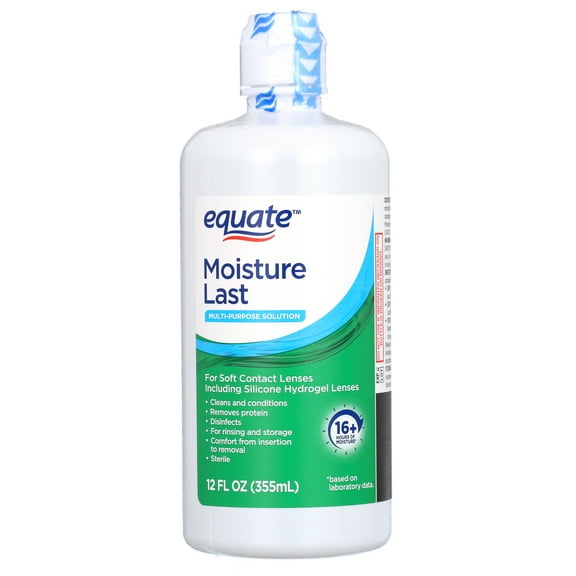
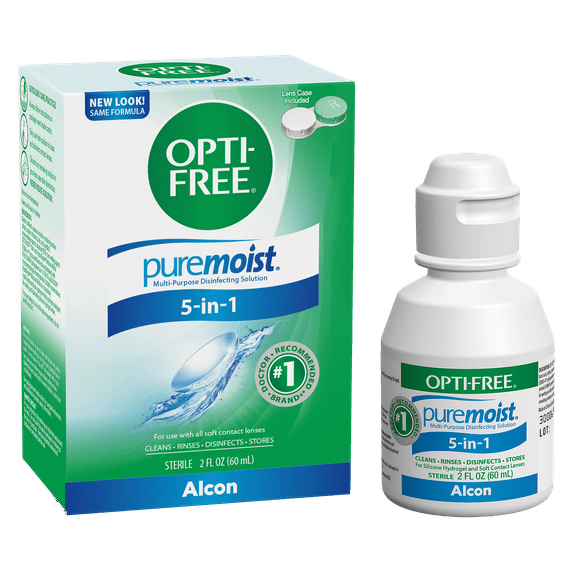
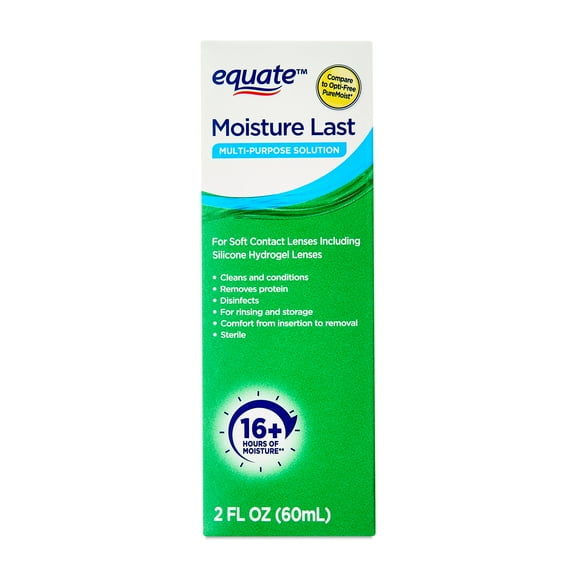
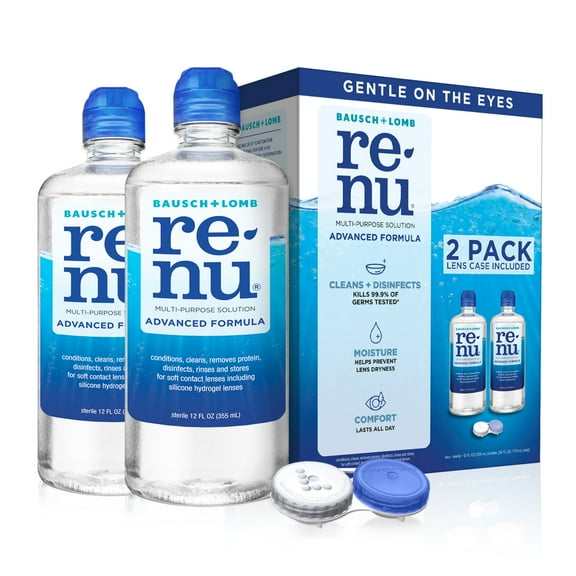
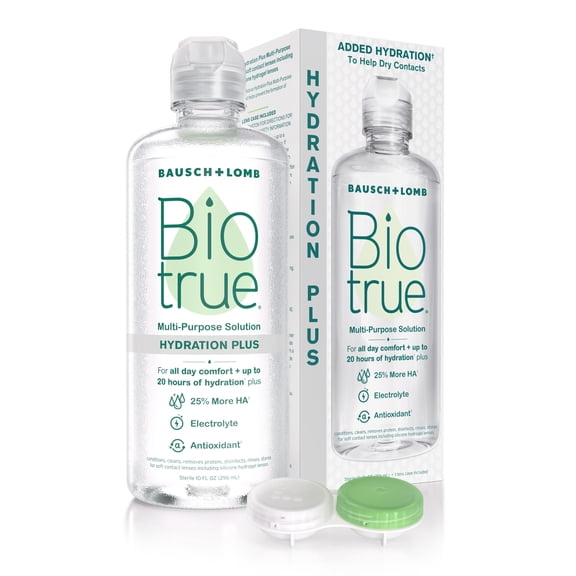
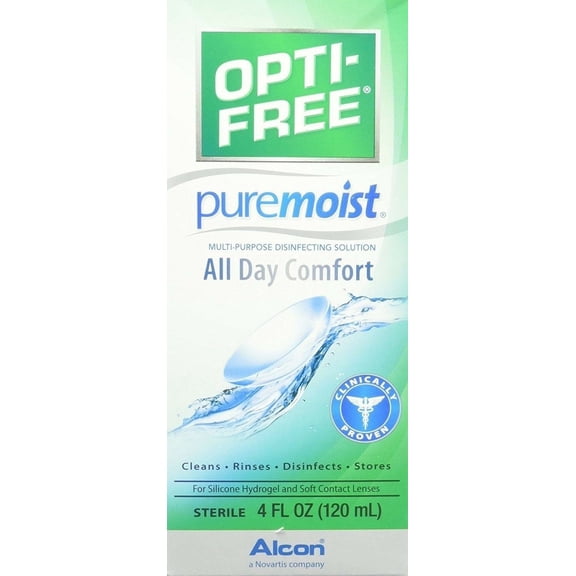
Your daily routine often points you toward the right formula faster than a brand name alone. A multi purpose contact solution gives you one-bottle cleaning, rinsing, disinfecting, and storage for simpler care steps.
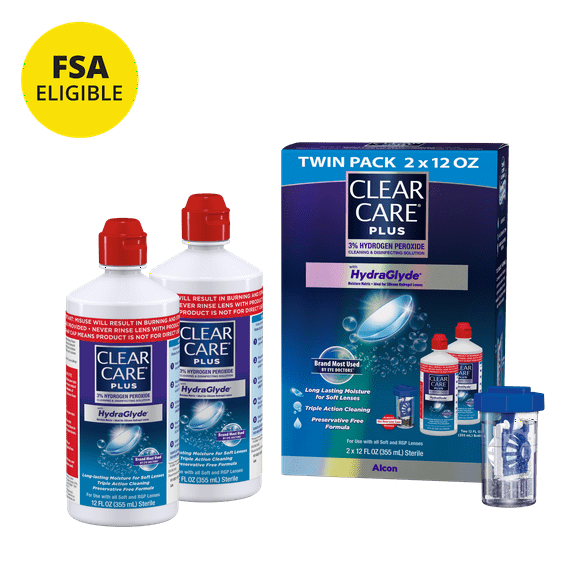
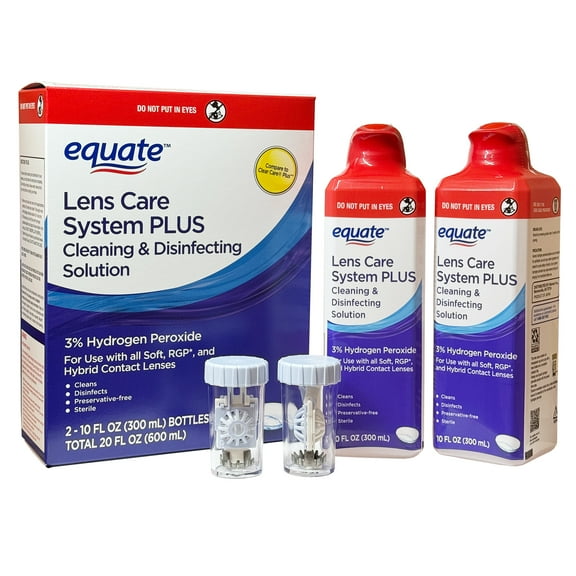
A hydrogen peroxide system fits a routine where you want a separate neutralizing process before lens wear. You should check the labeled soak time, because that step shapes how your overnight care works.
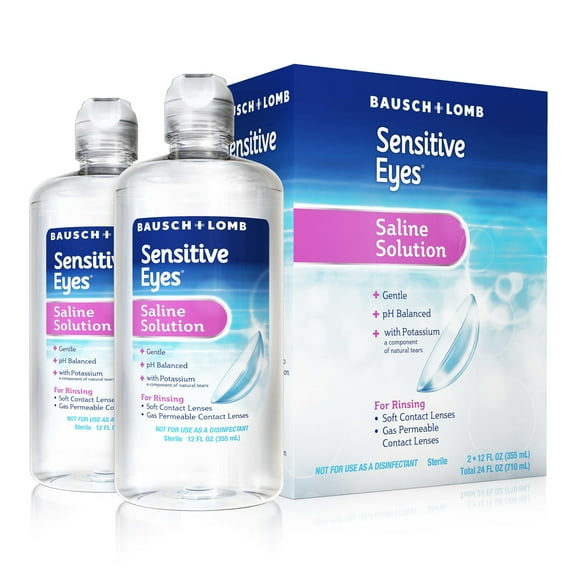
Saline solution for contacts works well when your approved care routine calls for rinsing without a disinfecting step. Daily cleaner formulas also help you remove surface buildup before storage when your lens type requires separate products.
- Your multi-purpose formula can simplify lens care when you want fewer bottles on your counter.
- Your peroxide system can suit a step-by-step routine with a neutralizing case and timed soaking.
- Your saline option can support rinsing steps when your lens care directions call for it.
- Your daily cleaner can help loosen deposits during regular lens surface cleaning.
Choosing lens compatibility for soft, silicone hydrogel, and RGP lenses
Lens material is one of the first details you should compare before picking any bottle. Soft lenses, silicone hydrogel lenses, and rigid gas permeable lenses can call for different care instructions.
For silicone hydrogel lenses, you should look for labels that clearly name that material. That detail helps you match oxygen-friendly lens designs with a formula made for their surface and wear pattern.
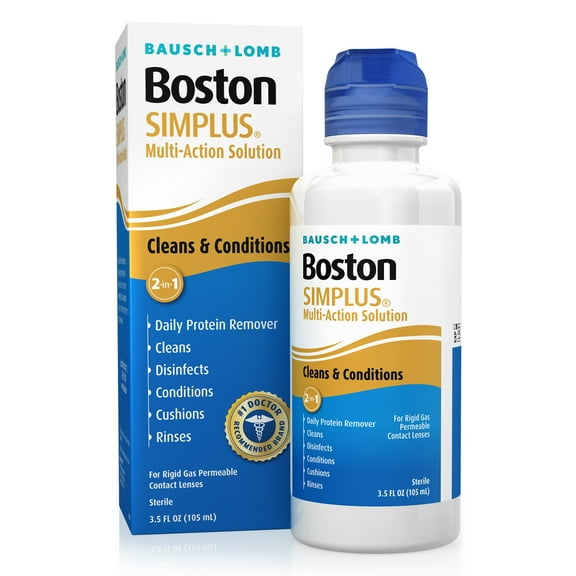
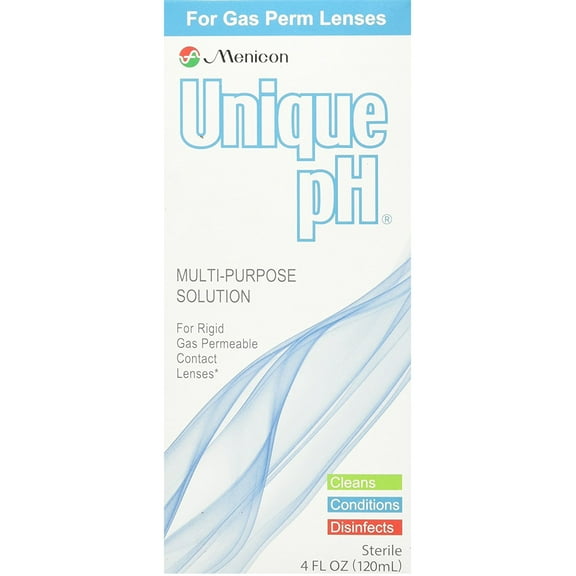
Rigid gas permeable wear calls for a gas permeable contact lens solution made for that firmer lens structure. You can compare conditioning steps, cleaning steps, and storage directions before settling on one routine.
Your wearing schedule also matters when you compare formulas across lens categories. Occasional use, daily insertion, and overnight-approved wear can each shape which care steps feel easier to maintain.
How to compare multi purpose contact solution features
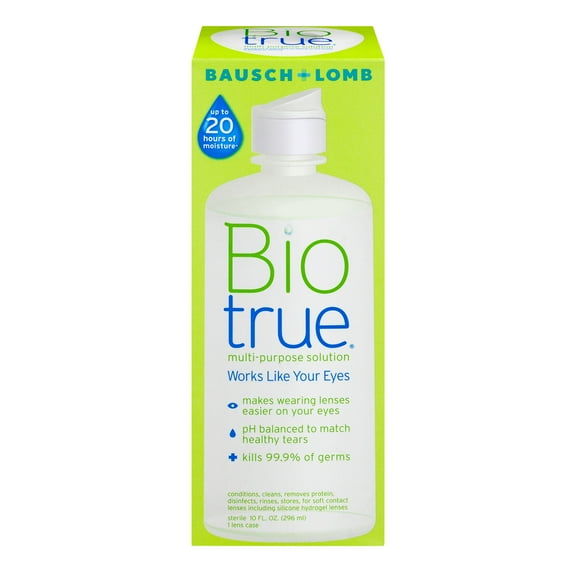
Feature labels become more useful when you connect them to the care steps you’ll actually follow. A multi purpose contact solution usually combines several tasks, which can reduce bottle switching during busy mornings.
Some formulas focus on deposit removal, while others highlight moisture support during storage and insertion. You should also check whether the bottle is marked for soft lenses, silicone hydrogel, or another specific lens material.
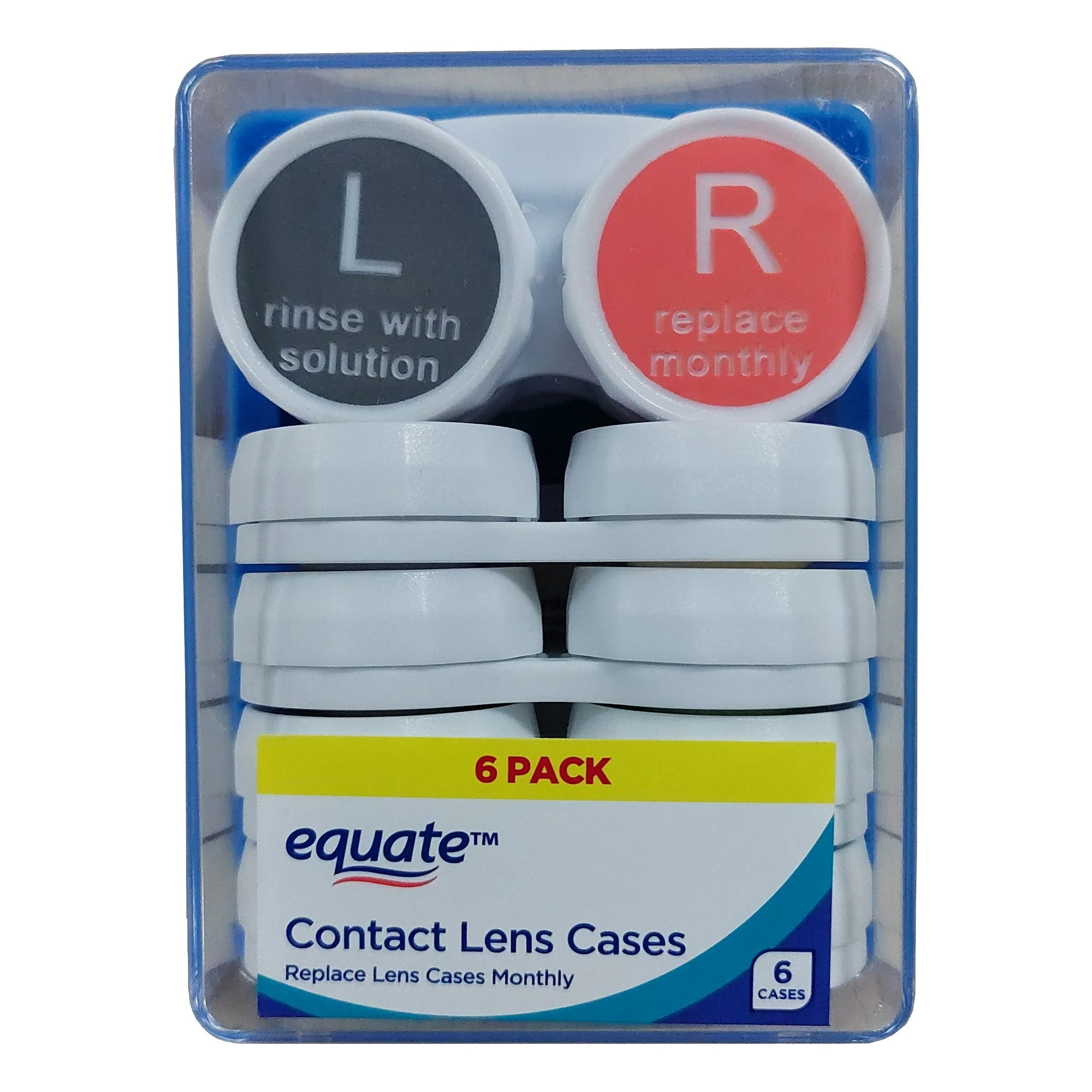
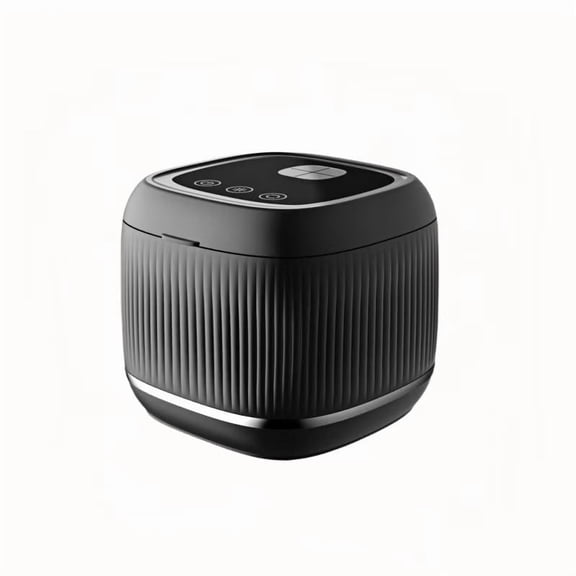
Case design can matter too when your formula uses a neutralizing disc or a standard flat case. That packaging detail helps you understand whether your routine involves one simple soak or a more exact process.
How to compare contact solution for sensitive eyes
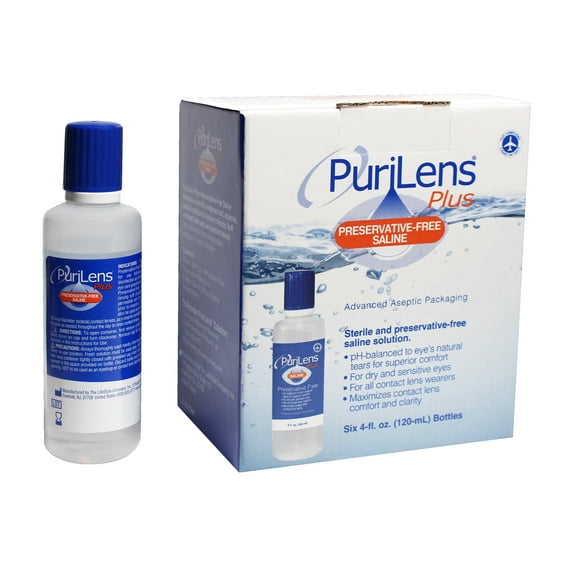
Your comfort preferences can narrow the field quickly when standard formulas feel less appealing. Contact solution for sensitive eyes often highlights moisturizing ingredients, preservative-free options, or comfort-focused lens care steps.
Dry environments, long desk hours, and frequent screen time can influence what feels comfortable in daily wear. You may prefer hydrating contact solution when you want lenses to feel smoother during insertion and storage.
Ingredient notes deserve a close look when you want a formula aligned with your usual routine. You can compare moisture claims, preservative details, and approved lens types without guessing from the bottle front alone.
Some shoppers want a straightforward formula, while others focus on all-day comfort cues in the label copy. Your choice becomes easier when you match those details to your lens material and daily wear habits.
Choosing pack size and travel size contact solution
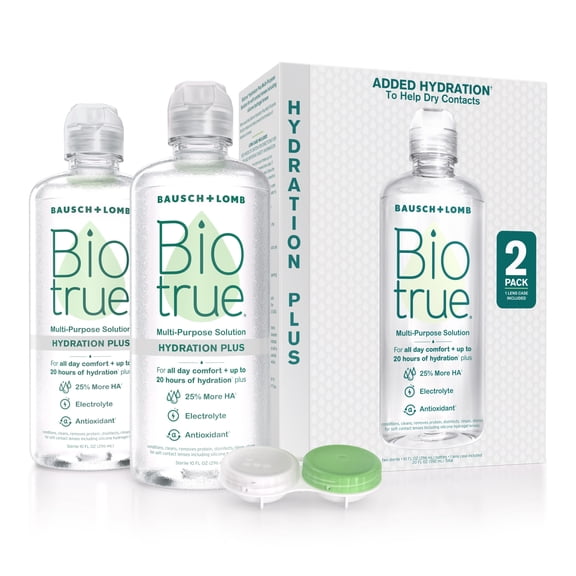
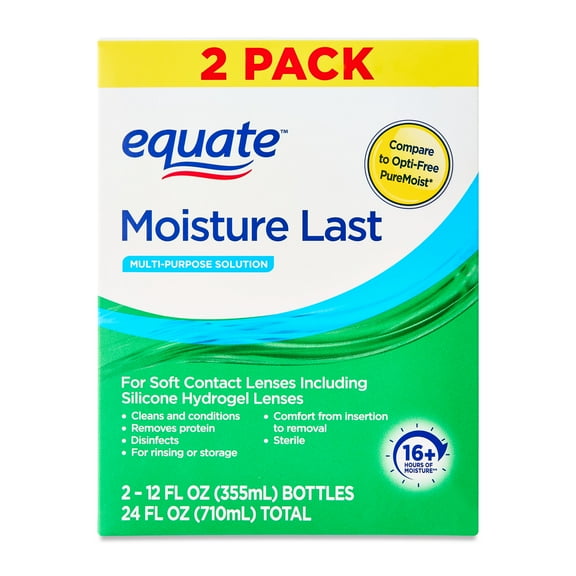
Pack size affects convenience as much as formula type when you use lens care products every day. A single pack can fit occasional wear, while a twin pack can support a more regular replacement routine.
Travel size contact solution can make packing easier when your lens case and accessories need a smaller footprint. You should still review the label and bottle size details so your care steps stay consistent away from home.
Larger bottle counts can help you keep backup solution in different places you use often. Your bathroom, gym bag, desk drawer, or overnight bag may each benefit from a planned bottle size.
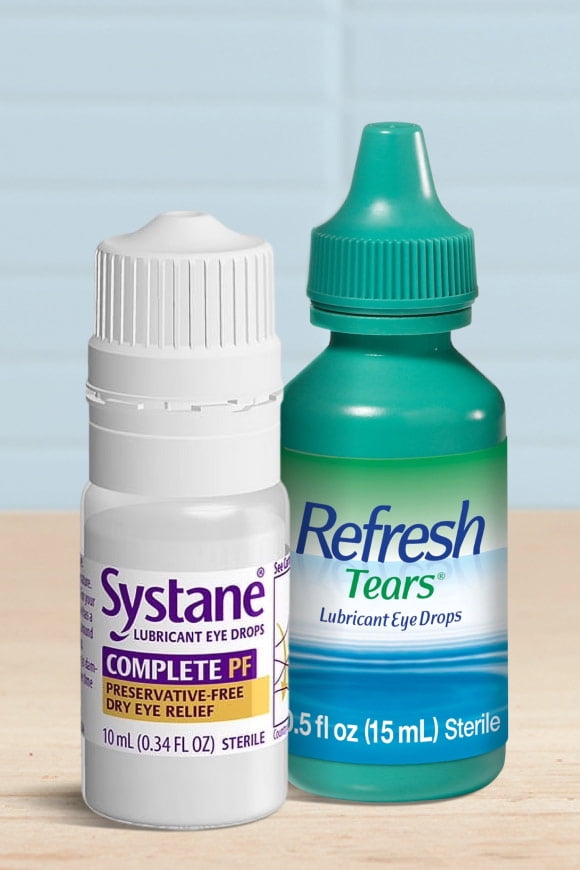
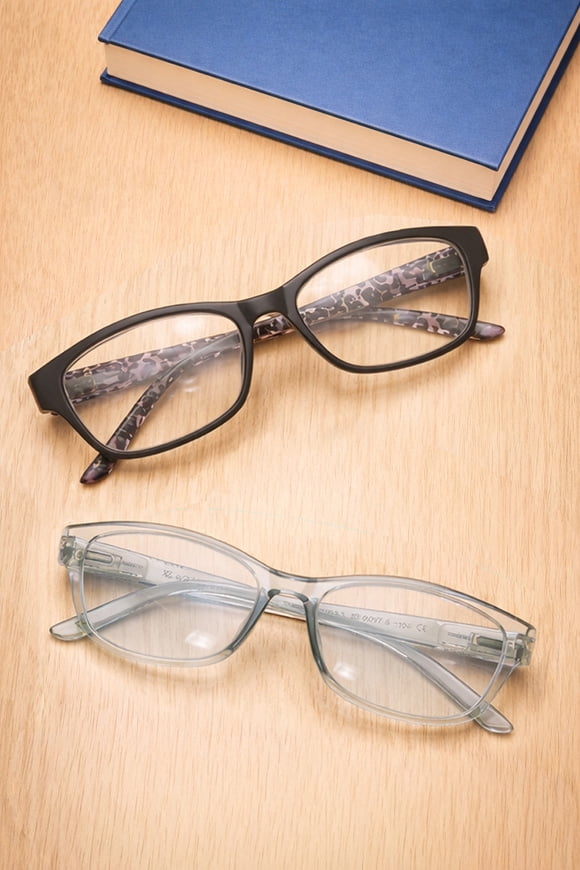
Storage space matters too when you compare compact bottles with larger formats for home use. You can build a smoother setup when your solution, contact lens cases, eye drops, and reading glasses stay organized together.
What to look for in key benefits and everyday use
The right contact lens solution supports the result you want from each care step. You can compare formulas by disinfection, protein removal, moisture support, or an all-in-one routine that feels easier to repeat.
Busy mornings often call for fewer steps, while evening care may leave room for a longer neutralizing process. Your routine becomes easier to follow when the bottle directions match the time you actually have.
Workdays, travel days, and occasional wear all create different needs around storage and handling. You can choose one formula for home use, another for trips, and a separate option for a specific lens material.
With contact lens solution matched to your lenses and schedule, you can keep lens care organized and consistent. Your routine feels easier to maintain when every bottle fits a clear purpose.