

Gouache Paints & Gouache Paint Sets | Walmart

























About Gouache Paints & Gouache Paint Sets | Walmart - Walmart.com
Gouache paints give you bold color, matte coverage, and easy reworking for posters, illustrations, and sketchbook practice. You can compare jelly cups, tubes, and pans to match your painting style and workspace.
If you want color that sits opaquely on the page, you’ll notice gouache behaves differently from transparent washes. You can layer light tones over dark areas and keep edges crisp for graphic details.
Choosing gouache paints by format
When you compare formats, you should start with how often you paint and how you store your supplies. You can pick jelly cups, tubes, or pans based on setup time, portability, and cleanup.
Jelly gouache paint works well if you want many colors ready at once and easy scooping with a brush. You should check for airtight sealing, because sealed cups help your paint stay workable between sessions.
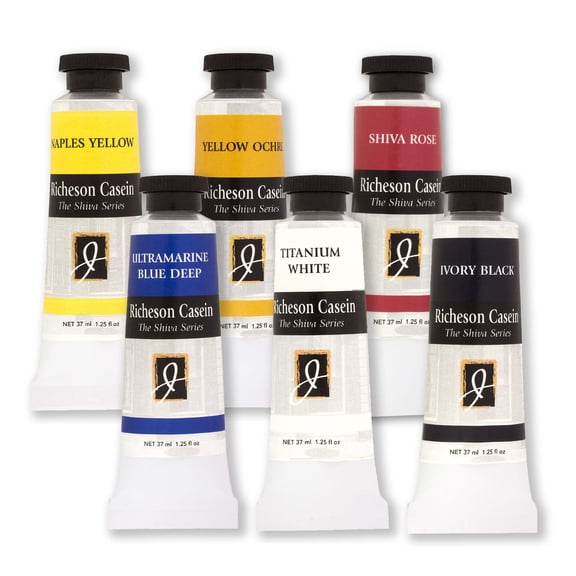
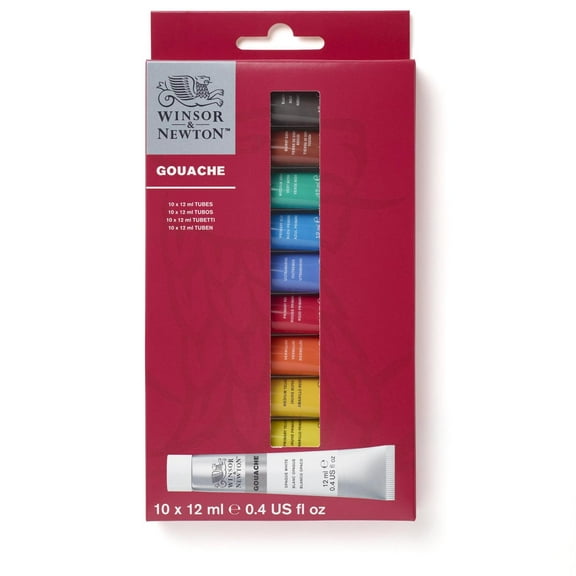
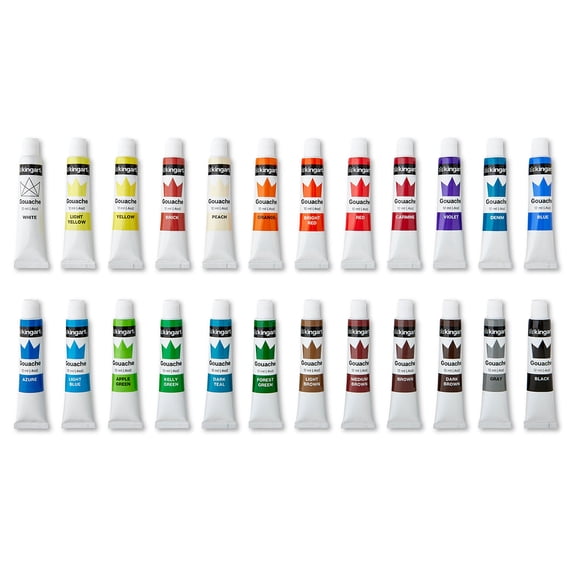
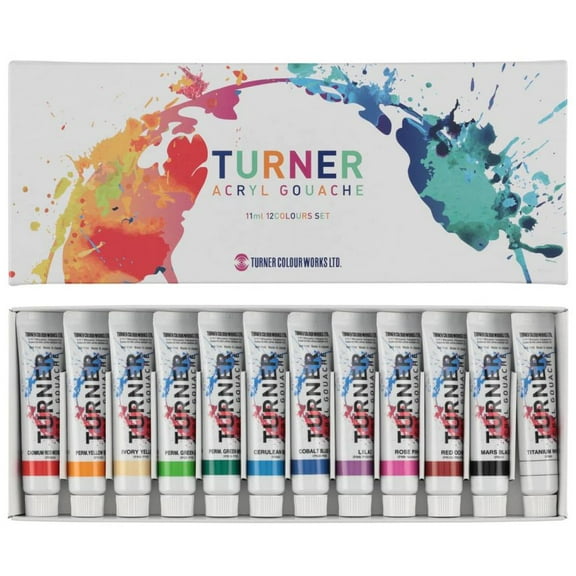
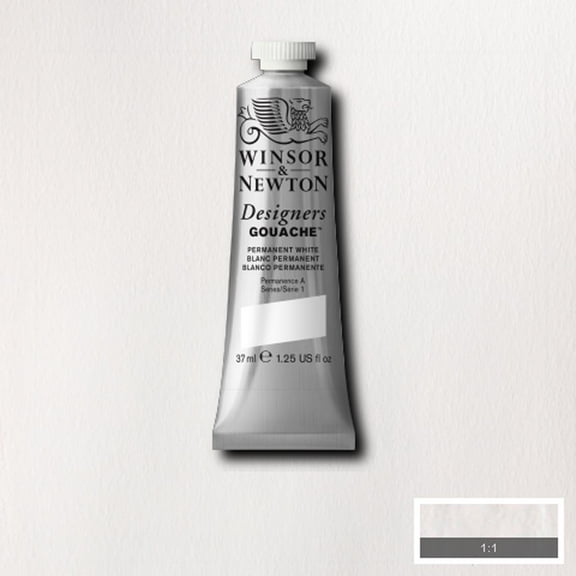
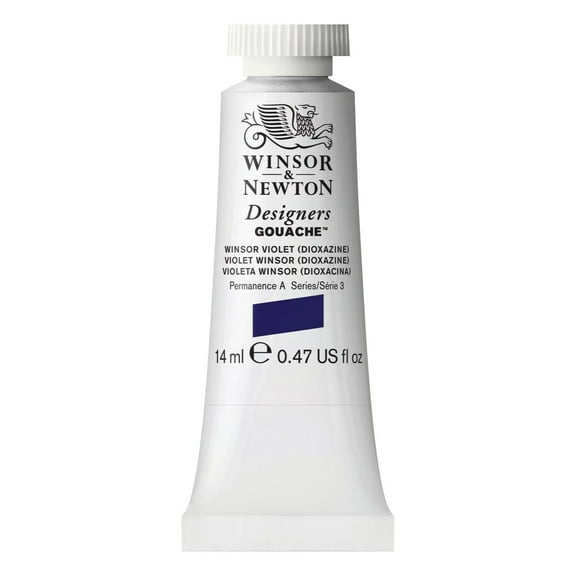
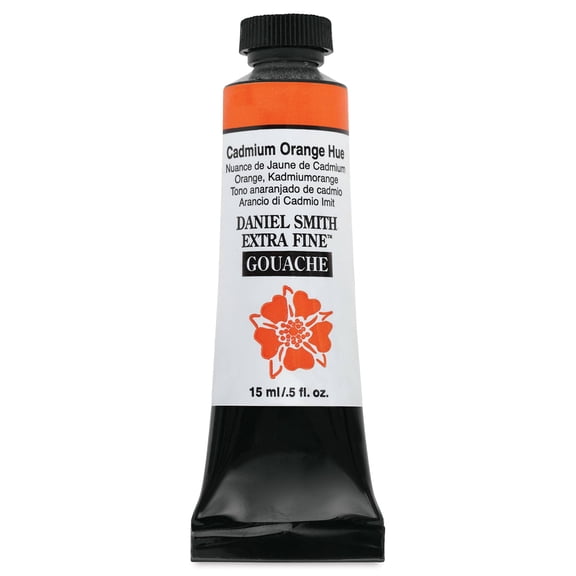
If you prefer traditional control, you may like tubes because you can squeeze only what you need onto a palette. You can also separate fresh color more easily when your mixing process matters.
Pans suit you when you want a compact kit for classes, travel, or outdoor sketching. You can rewet dried color with water, though you may notice smaller pans limit larger washes.
How to compare a gouache paint set
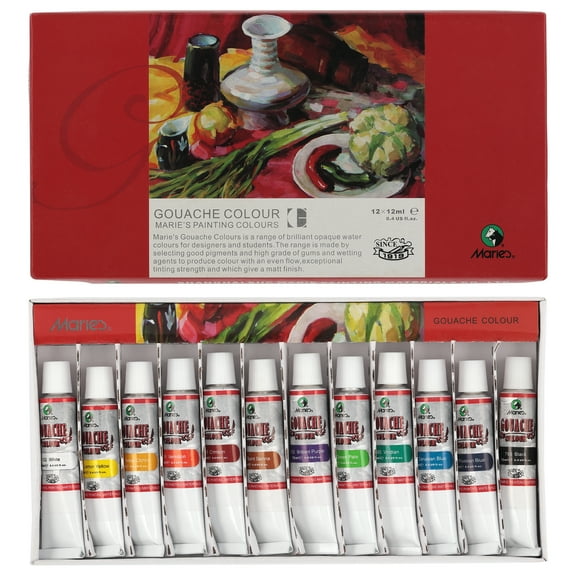
Set size changes how quickly you can start and how much mixing you’ll do. You may prefer a 12-color set for learning basics, while larger counts give you more ready-to-use shades.
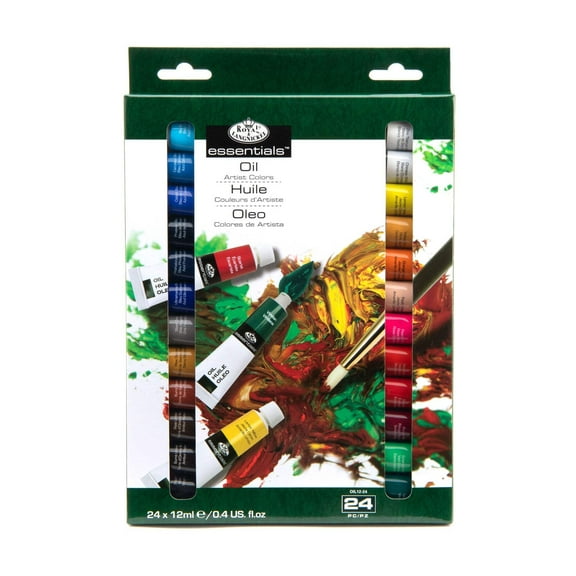
If you choose 18 colors or 24 colors, you’ll get a balanced middle ground for study and regular projects. You can access more greens, violets, and skin-tone ranges without mixing every hue.
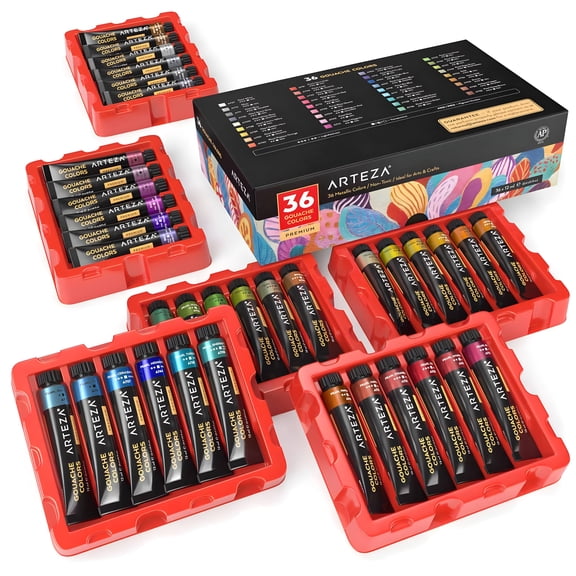
A 56-color gouache paint set gives you broad variety for illustrations, design work, and color testing. You should consider your storage space, because larger sets often take more room on your desk.
- You can use smaller sets to practice color theory and stronger mixing habits.
- You can use mid-size sets for classwork, crafts, and steady creative routines.
- You can use larger sets when you want more convenience and faster color selection.
When you compare counts, you should think about replacement habits too. You may finish white, black, and primary shades first, so refill-friendly formats can matter.
What to look for in opaque watercolor paint
If you’re comparing finish types, you should focus on opacity, reactivation, and how the paint dries on paper. You’ll often see gouache described as opaque watercolor paint because it rewets with water.
Opaque colors help you cover pencil marks, block in shapes, and build flat areas for design-heavy work. You can get cleaner highlights because lighter paint can sit over darker passages.
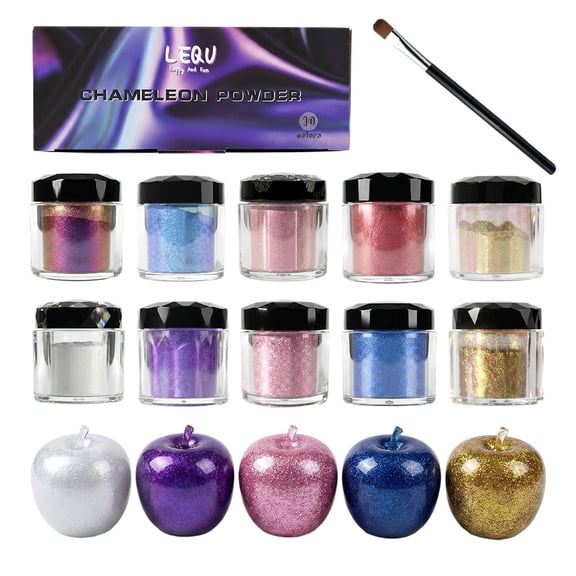
Semi-transparent options suit you if you want softer layers and more visible paper texture. Metallic and neon colors can add accents, though you should check whether they fit your project style.
Rewettability matters when you want to revisit dried paint on a palette or in pans. You can reactivate many formulas with water, which helps you continue a painting without opening new color.
Lightfastness is another decision point if you want finished pieces to keep their original look over time. You should compare product details when you display, scan, or store your art long term.
Matching skill level to gouache art supplies
Your experience level can guide which paints and accessories make sense for your routine. You can keep your setup simple as a beginner or choose expanded options for detailed studio work.
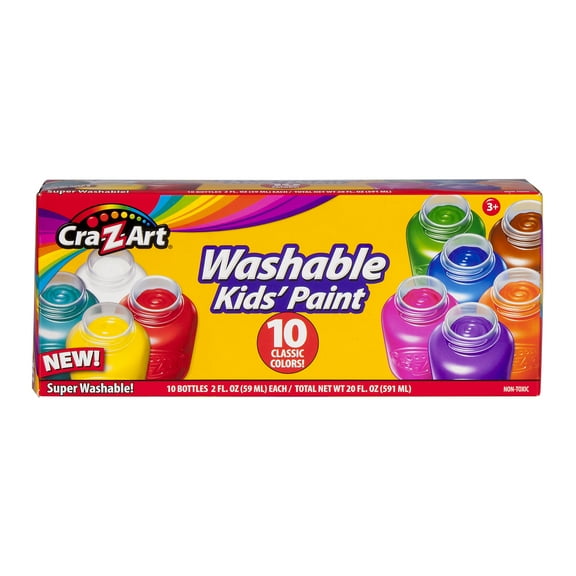
If you’re new to artists gouache, you may prefer fewer colors and easy-to-open packaging. You should also look for AP non-toxic certification when kids or students will use the paints.
Student-focused sets can help you practice layering, color mixing, and brush control without a complicated setup. You can pair them with watercolor paper, round brushes, and a mixing palette.
If you paint often, you may want broader color ranges, separate replacement colors, and finish options like metallic accents. You can also compare paint consistency if your work includes lettering, illustration, or poster layouts.
Traditional tubes vs jelly gouache paint
You should compare jelly gouache paint and tubes by how you paint, not just by appearance. You may enjoy jelly cups for quick access, while tubes can suit measured mixing and cleaner palette control.
Jelly cups help you jump into a project fast because many colors stay visible in one case. You should keep lids closed securely, since good sealing supports moisture retention and cleaner storage.
Tubes give you flexibility when you want small amounts for custom mixes or larger amounts for background fills. You can squeeze fresh paint as needed and avoid exposing every color at once.
If mold prevention matters in your storage routine, you should keep containers sealed and your tools clean between uses. You can also let brushes dry before they return to your case or bag.
Ways you can use gouache paints
You can use gouache paints for posters, illustrated cards, layered sketchbook pages, and classroom assignments. You’ll appreciate the matte finish when you want even color for scanning or photographing your work.
For beginner practice, you can start with 12 colors in tubes or pans and learn mixing through simple studies. You can build secondary shades yourself and understand warm and cool balance faster.
For design projects, you may want opaque shades that cover evenly and dry with solid color fields. You can create lettering, icons, and sharp-edged shapes with fewer streaks than transparent washes.
If you travel to class or paint outdoors, you may prefer compact pans or a smaller case of jelly cups. You can pack brushes, watercolor paper, and a palette without taking over your bag.
For larger color libraries, you can choose bigger sets when illustration work calls for fast shade selection. You’ll spend less time mixing niche hues and more time refining details and composition.
When you choose the right format, count, and finish, you can build a painting setup that fits your process. You’ll get smoother project flow, clearer color choices, and more consistent results on paper.