

Hardware Cloth


















About Hardware Cloth - Walmart.com
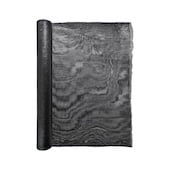
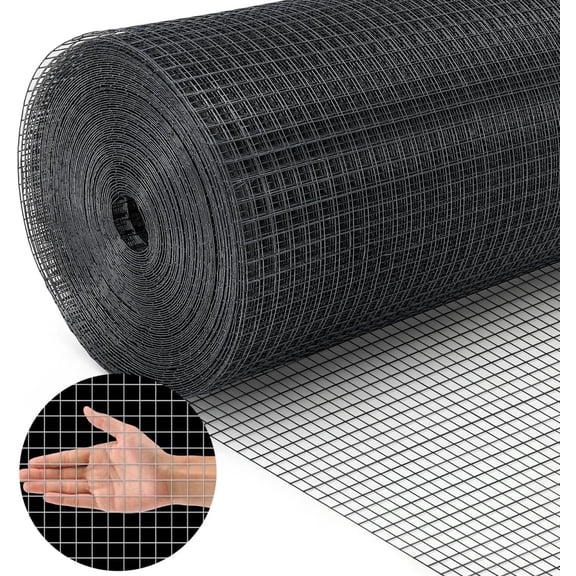
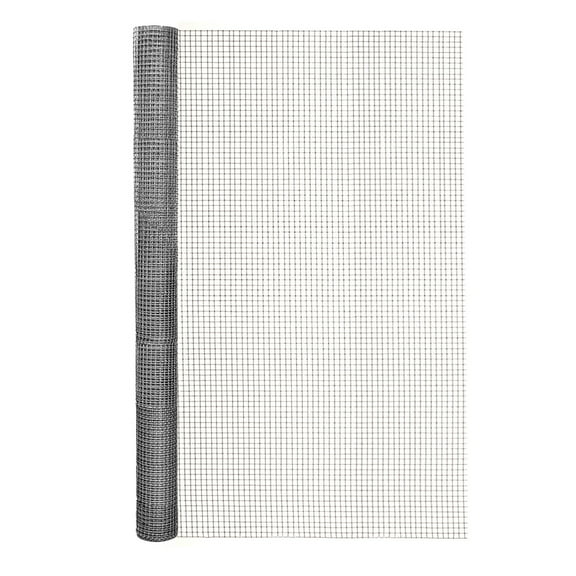
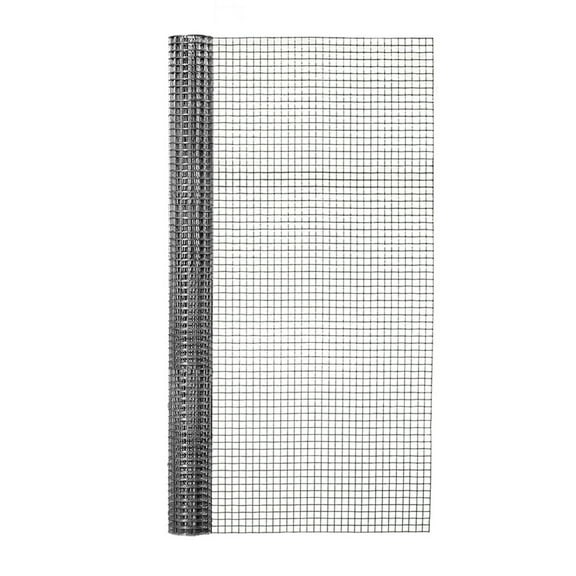
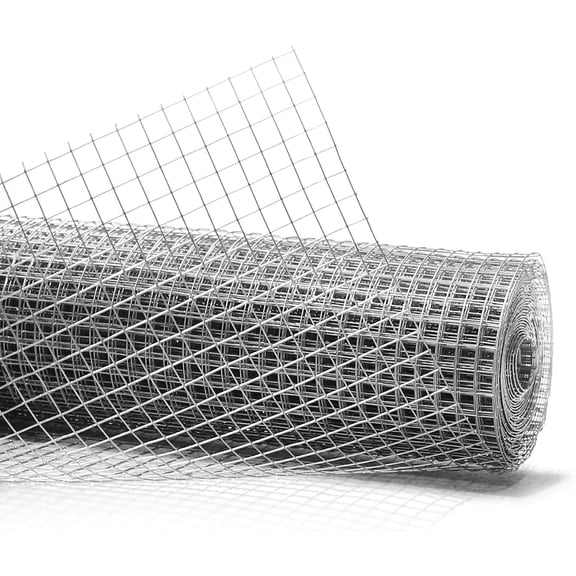
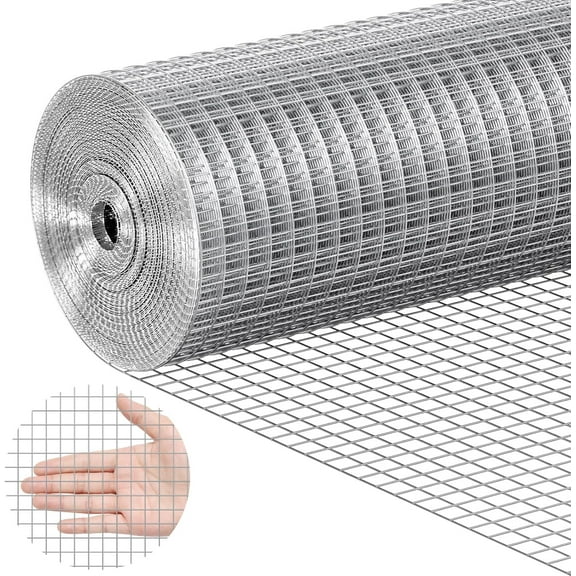
Hardware cloth helps you protect gardens, enclosures, and small outdoor spaces with rigid mesh that holds shape better than flexible netting. You can compare mesh size, wire gauge, finish, and roll dimensions to match your project with fewer installation surprises.
Choosing the right hardware cloth mesh size
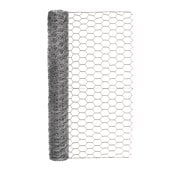
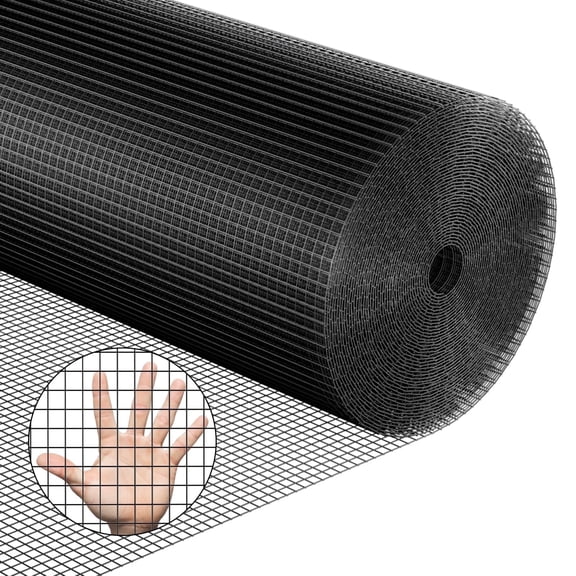
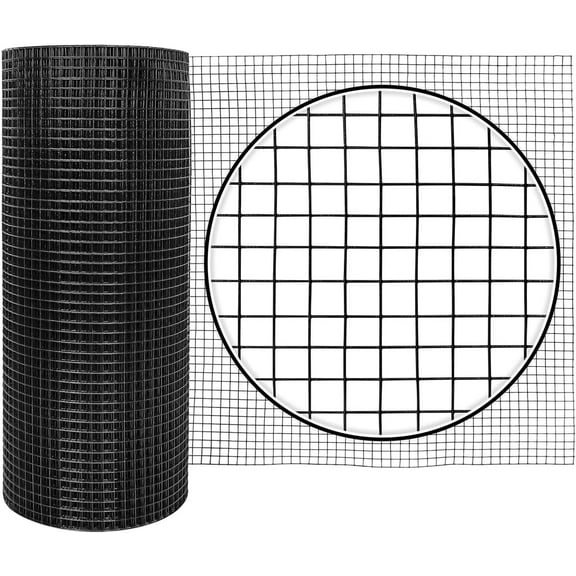
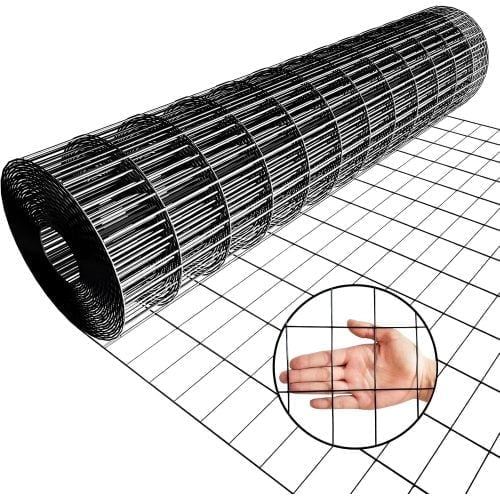
Mesh size is your first decision because it changes what can pass through the openings. You should compare hardware cloth 1/2 inch, 1/4 inch, and 1/8 inch options based on the animals or debris you want to block.
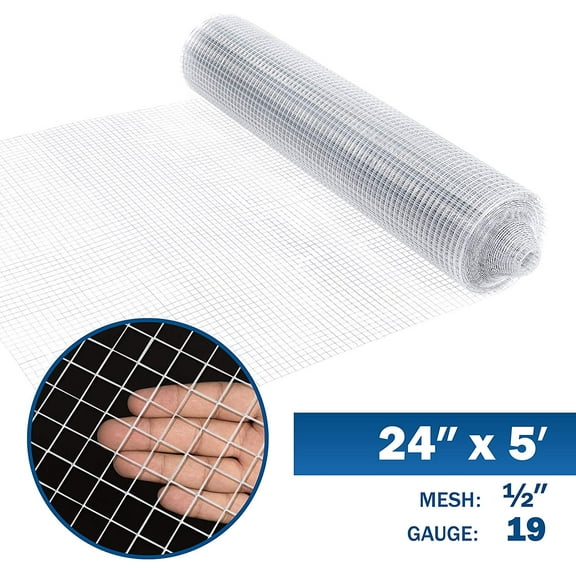
If you need broader airflow and visibility, you may prefer hardware cloth 1/2 inch for chicken coop wire panels and larger enclosure walls. If you need tighter spacing, you may choose hardware cloth 1/4 inch for garden mesh screen use around raised beds and produce.
When you want very small openings, you can consider 1/8 inch mesh for seed trays, vent covers, and tighter barrier projects. You should measure openings carefully because smaller mesh can affect light, airflow, and the amount of material in each roll.
How to compare wire gauge and finish
Wire gauge tells you how sturdy the mesh feels during fastening and shaping. You should look at 16 gauge, 19 gauge, and 23 gauge options because thicker wire usually gives your project more rigidity.
If you need a firmer barrier for repeated outdoor use, you may lean toward heavier gauge mesh. If you need easier cutting for light-duty projects, you may prefer a lighter gauge that bends with less effort.
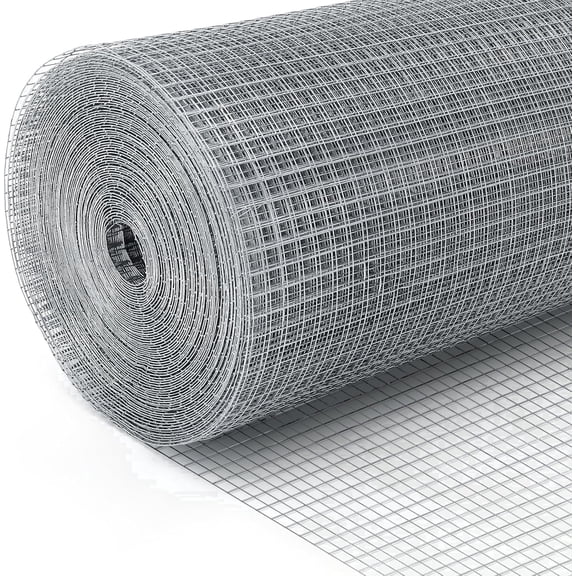
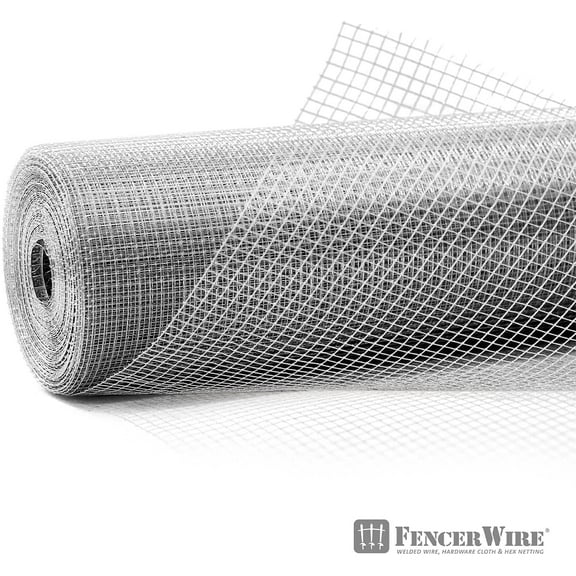
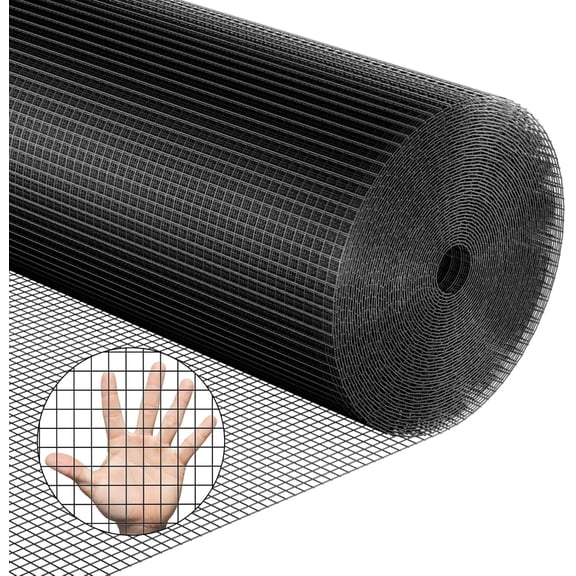
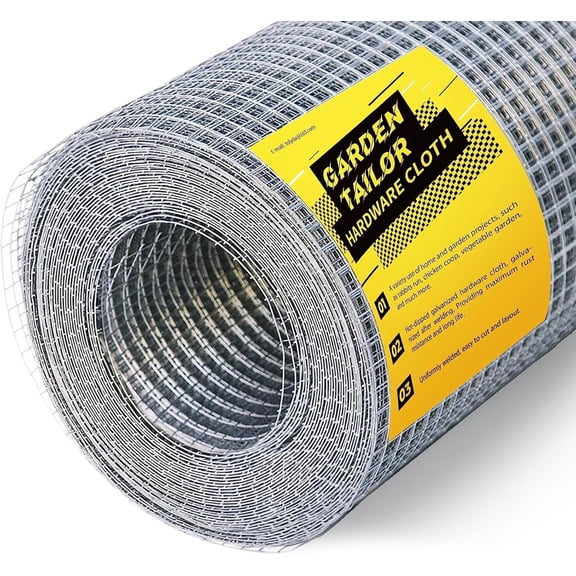
Finish matters too because weather exposure changes how your mesh performs over time. You can choose galvanized hardware cloth when you want a common steel finish for outdoor fencing, cages, and general yard projects.
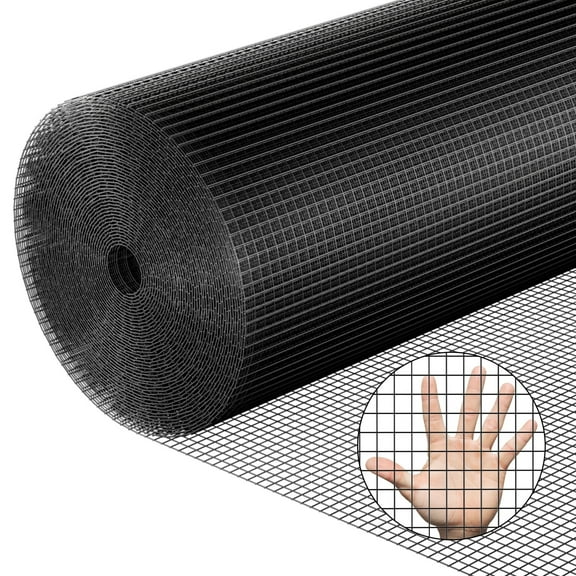
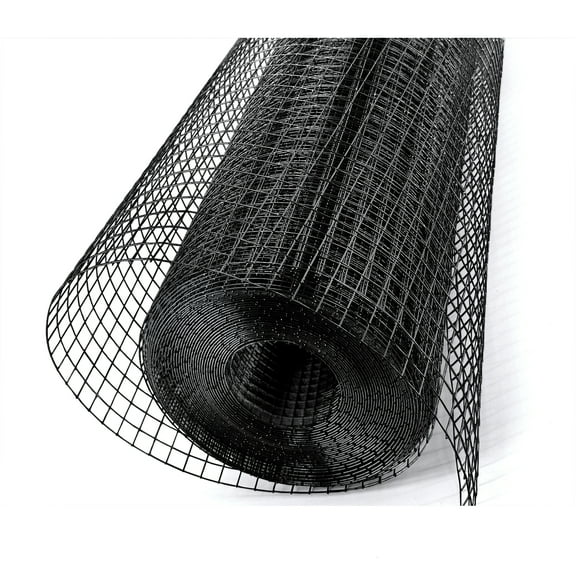
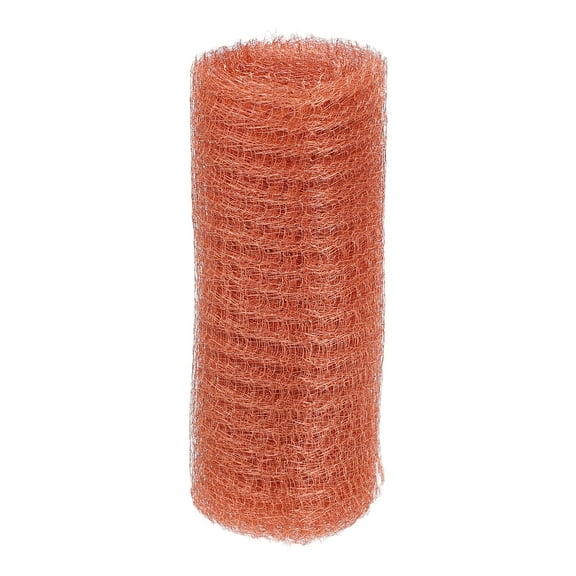
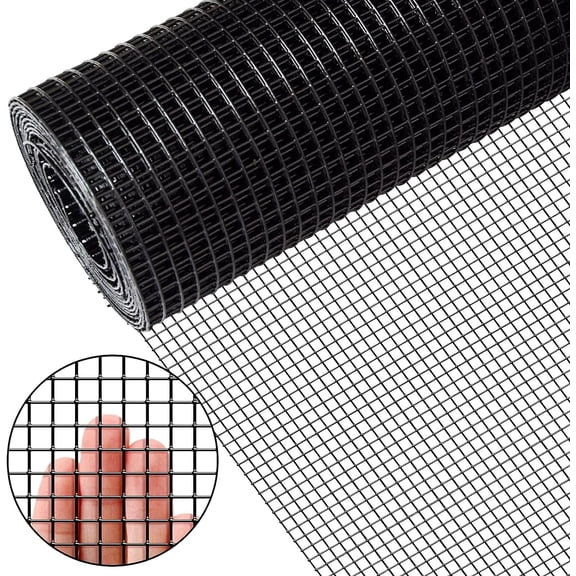
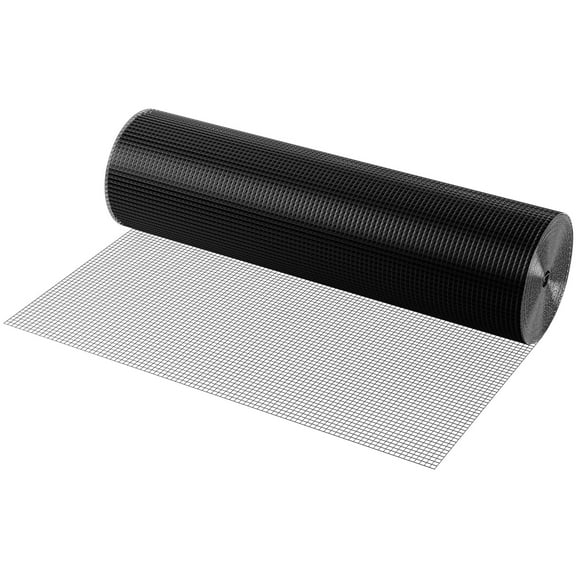
If you want a smoother outer layer, you may compare vinyl coated mesh for projects where you want coated wire around visible enclosures. You can also consider stainless steel when you want a metal option often used for demanding environments and long-term exposure.
Key benefits of wire mesh fencing for outdoor projects
You get a structured barrier that stays more rigid than loose poultry netting, which helps when you staple or fasten it to frames. You can also trim sections for custom openings around coop doors, planters, and under-deck skirting.
- You can use smaller mesh openings to help block digging pests around garden beds.
- You can choose heavier gauge wire when your enclosure needs added stiffness along posts or wood frames.
- You can pick roll sizes that reduce seams, which helps you cover long runs with fewer joins.
- You can select coated or galvanized finishes based on how exposed your project will be.
Because wire mesh fencing comes in several widths and lengths, you can match a roll to a short repair or a full perimeter section. You also get a cleaner fit when you plan your height and length before you cut.
Choosing roll dimensions for your layout
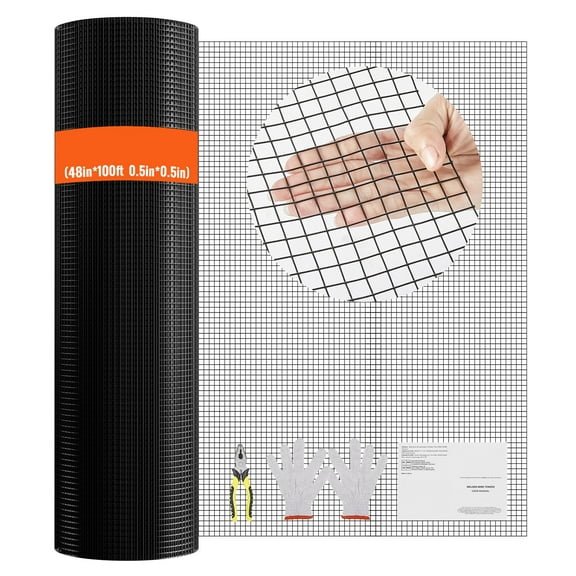
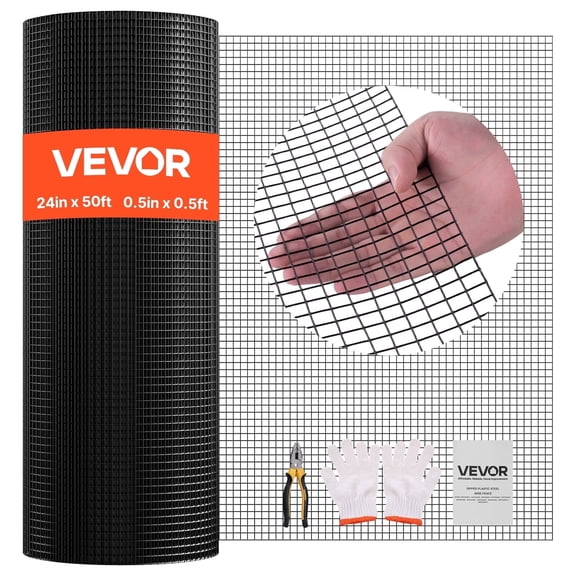
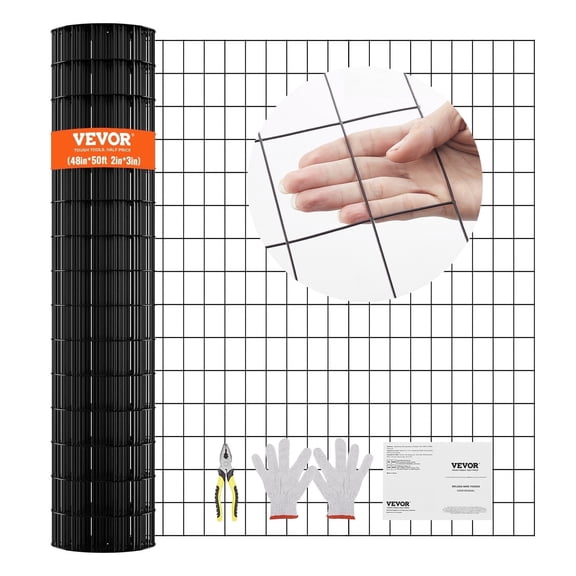
Roll dimensions affect how many cuts you make and how much overlap your project needs. You should compare options like 2ft x 25ft, 3ft x 50ft, and 4ft x 100ft before you start framing.
If you need a narrow guard along beds or under a porch edge, you may prefer a shorter roll with a smaller height. If you need a long run for wire mesh fencing, you may want a longer roll that covers more distance with fewer connections.
You should measure the project height first, then add extra length for corners, bends, and fastening points. You can avoid uneven seams when you map your layout around gates, corners, and support posts before cutting.
Matching hardware cloth to common uses
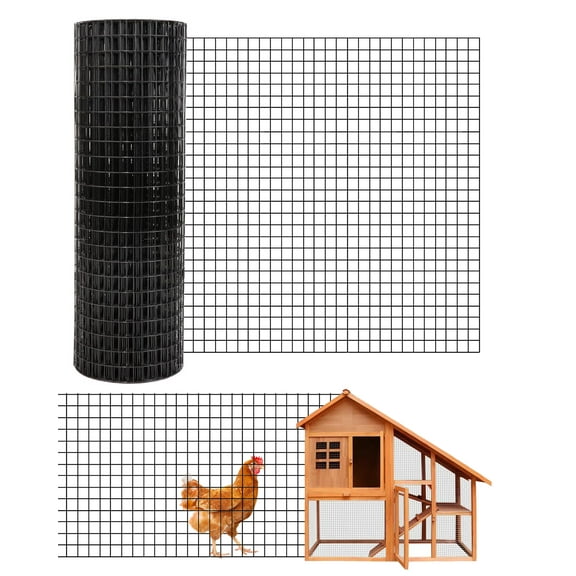
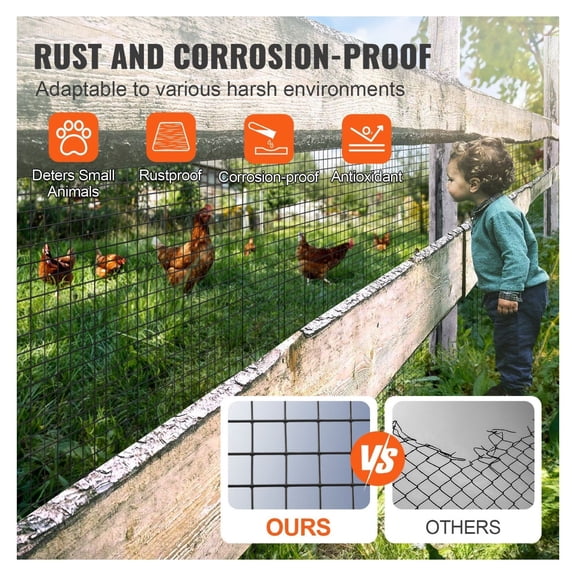
You can use hardware cloth around chicken coops when you need a mesh panel that keeps its shape against wooden frames. You may also use it for rabbit runs, compost screens, tree guards, and cabinet or vent inserts.
For garden protection, you can wrap beds, line supports, or create cloches that still allow sun and rain through. For under-deck or crawlspace edging, you can choose a mesh size and gauge that fit the opening and fastening surface.
If you want a project guide, you can start with 1/2 inch mesh for broader enclosure coverage and 1/4 inch mesh for tighter garden barriers. You can then compare galvanized steel, vinyl coated, or stainless steel finishes based on placement and exposure.
When you need cleaner planning, you should compare wire gauge with roll size instead of choosing one detail alone. You get a more dependable fit when your hardware cloth matches the opening size, frame style, and outdoor conditions.