


Find auto parts that fit
Let’s search for parts that fit your vehicle.Harley-Davidson Lowering Kits
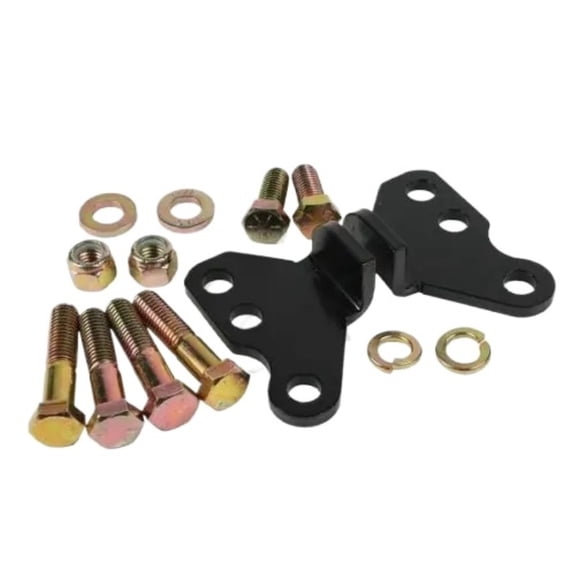

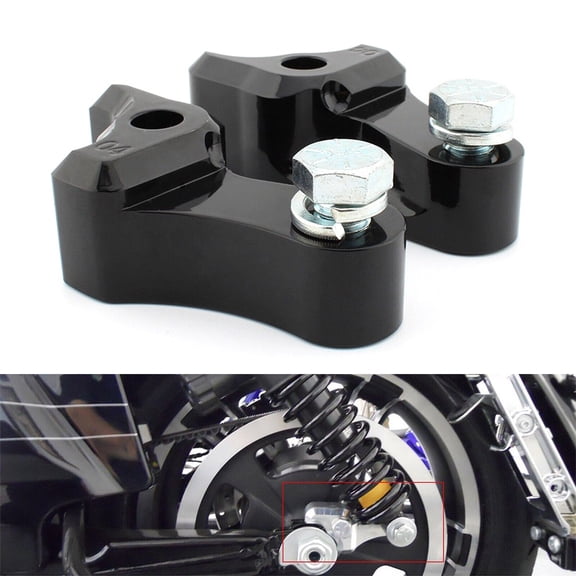

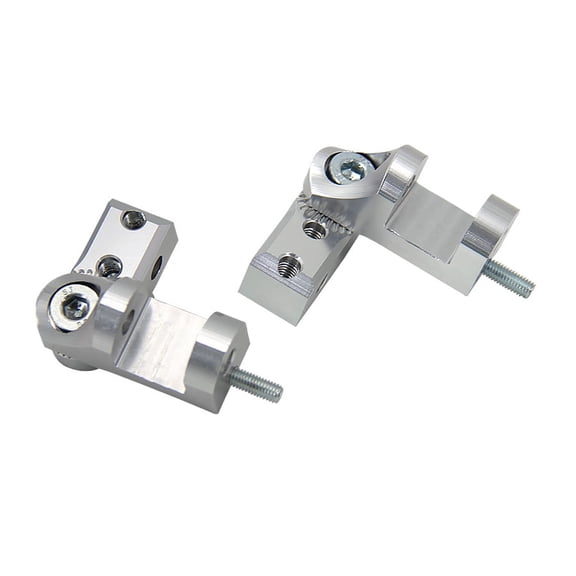


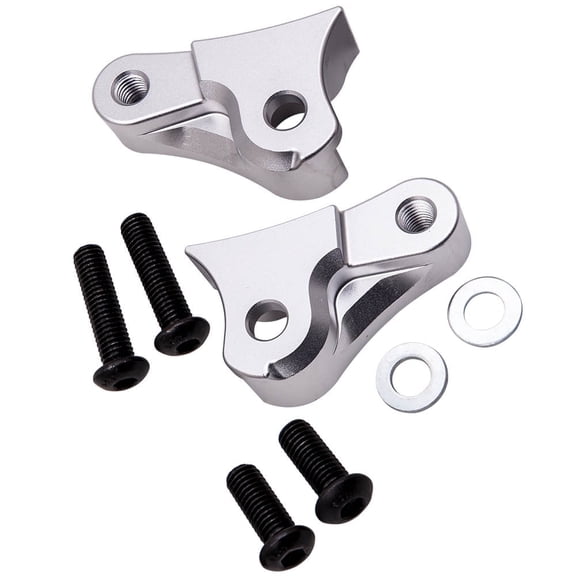

About Harley-Davidson Lowering Kits in Harley-Davidson Suspension and Steering - Walmart.com
Harley davidson lowering kits help you change ride height for a lower stance and easier footing at stops. You can compare model fit, drop amount, and component style before you choose parts for your bike.
How to choose harley davidson lowering kits
You'll want to start with model and year compatibility, because frame type and shock mounts vary across Harley families. You can narrow your options faster when you match the kit to Touring, Softail, Sportster, or Dyna fitment.
You should also compare how much drop you want before you pick any motorcycle lowering kit. You may prefer one inch for a subtle change, while two inches creates a lower look with tighter clearance.
When you compare categories, you'll notice some kits focus on the rear, while others change the front as well. You can use that difference to match your riding position, stance goals, and installation comfort.
Choosing by model compatibility
If you ride a bagger, a harley touring lowering kit should match your frame layout and rear suspension mounting points. You should check year ranges, OE part references, and saddlebag or fender space before you choose.
If you ride a cruiser, a harley softail lowering kit should match your hidden or model-specific rear suspension setup. You can avoid guesswork when you compare the listed frame type and shock mount style.
If you ride a smaller platform, a harley sportster lowering kit often targets a shorter wheelbase and different shock geometry. You should verify axle, fender, and tire clearance when you plan a bigger drop.
Dyna riders should compare fitment details just as closely, because mounting hardware and suspension layouts can differ by year. You can get a cleaner install when your kit matches the exact chassis design.
Key benefits you can compare first
You may want a lower seat feel for easier starts, steadier parking lot moves, and a different visual profile. You can also tune your bike's stance without replacing unrelated steering or brake parts.
- You can improve your reach to the ground at stops with the right drop range.
- You can change the rear profile with rear lowering blocks harley riders often choose for a simple setup.
- You can compare adjustable shocks when you want ride height flexibility instead of a fixed drop.
- You can match front fork kits to rear changes when you want a more balanced look.
You'll also notice that component choice affects how involved your installation may be. You can often choose between simpler bracket-style parts and more complete suspension changes.
Another key benefit is model-focused fitment, which helps you compare parts built around Harley mounting points. You can shop with clearer expectations for stance, hardware, and setup time.
Comparing lowering height and ride feel
You should measure how much room you have around the fender before you choose one inch, two inches, or adjustable settings. You can think of one inch as a moderate change and two inches as a more dramatic shift.
As you lower the bike, you'll usually trade some suspension travel for a lower stance. You may notice a firmer feel over rough pavement, especially when your drop is deeper.
If you want flexibility, adjustable shocks let you compare ride height settings without committing to one fixed position. You can fine-tune the balance between appearance, clearance, and everyday comfort.
Front fork kits can also affect how your bike sits and responds. You should compare front and rear changes together so your setup feels balanced instead of nose-down or tail-low.
Comparing component types and materials
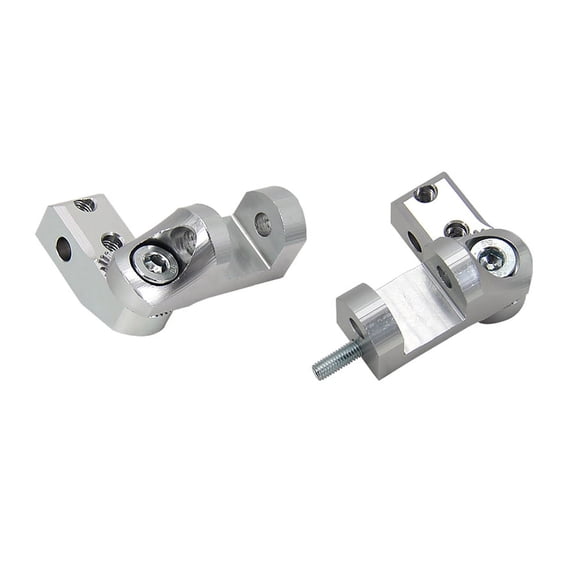
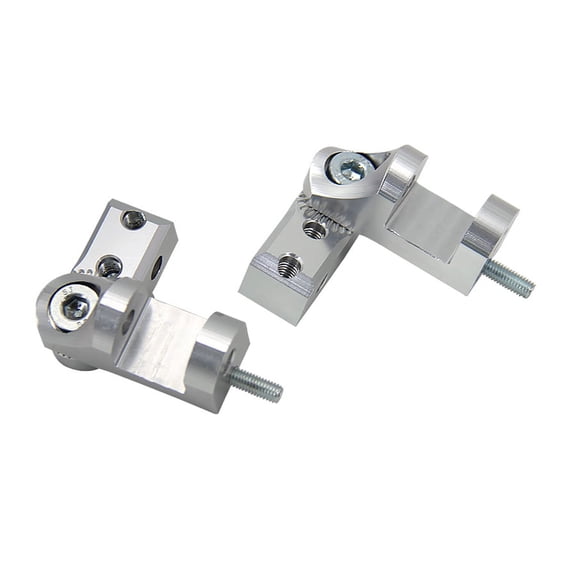
Lowering blocks and shock brackets usually focus on mounting position changes at the rear. You can consider them when you want a direct route to a lower rear end.
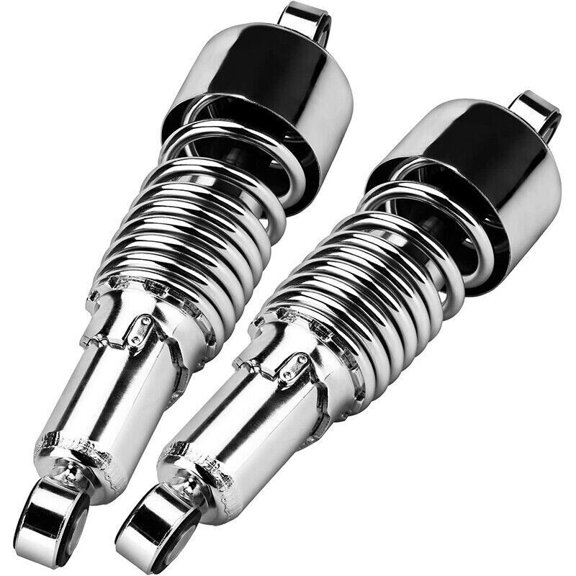
Adjustable shocks give you a different path because they combine ride-height change with suspension hardware replacement. You should compare them when you want more setup control than fixed brackets provide.
Front fork kits address the front end, which matters when you want a coordinated look from front to rear. You can use them to support a matched stance instead of lowering only one end.
Material choice matters too, because you may want heavy-duty steel for a solid feel or CNC machined aluminum for a precise finish. You can also compare black powder coat options when you want hardware that blends with darker components.
What to look for before installation
You should check whether your setup needs hand tools only or extra equipment like a shock compressor. You can plan your install better when you know the hardware steps before you start.
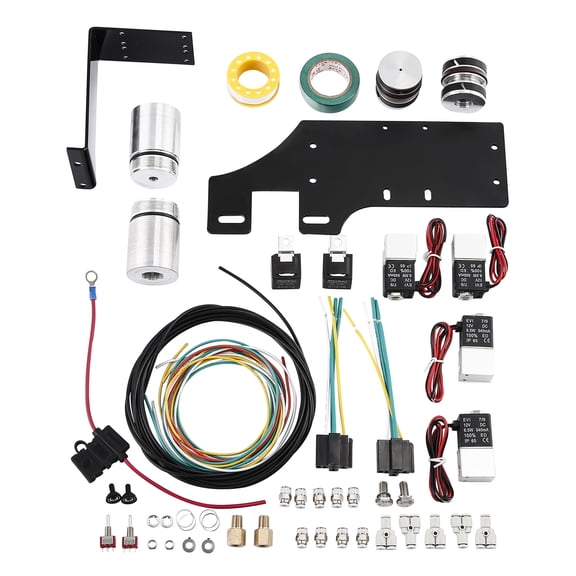
You'll also want to review included brackets, spacers, bolts, and instructions so you know what arrives with the kit. You can avoid delays when your parts list matches your bike's mounting needs.
After installation, you should recheck fender clearance, suspension movement, and side profile at your chosen height. You can get a more usable result when your lowered stance still leaves room for normal travel.
Use cases for different Harley setups
If you ride long highway miles, you may lean toward a harley touring lowering kit with a moderate drop. You can keep a composed feel while changing the bike's stance for a lower look.
If you want a sleeker cruiser profile, you may compare a harley softail lowering kit with rear brackets or adjustable shocks. You can choose fixed simplicity or added setup control based on your preferences.
If you ride around town, a harley sportster lowering kit may help you create an easier stoplight stance. You can pair a smaller drop with close clearance checks for everyday use.
If you customize a Dyna, you may compare rear-only changes against front and rear combinations. You can build the look you want while keeping fitment details tied to your exact year.
When you compare harley davidson lowering kits by model, drop, component type, and material, you can narrow choices with less guesswork. You can end with a setup that matches your bike's frame, your stance goals, and your install plan.