

Oversized Wall Plates & Jumbo Switch Covers - Walmart
























About Oversized Wall Plates & Jumbo Switch Covers - Walmart - Walmart.com
Your wall plate choice can quickly hide uneven cutouts and refresh a finished room. You can use oversized options to cover exposed drywall edges that standard plates may leave visible.
When you compare sizes, you may notice oversized and jumbo formats give you more coverage around switches and outlets. You can also use them to create a cleaner transition between the device opening and your painted wall.
How to choose the right wall plate size
You should start by measuring the visible gap around your electrical box before you choose a replacement cover. You can compare standard, preferred, oversized, and jumbo sizes to match the opening you need covered.
If your old opening looks neat, you may only need a standard plate around 4.5 by 2.75 inches. If your cutout looks larger, you may prefer oversized or jumbo wall plate options around 5.25 by 3.5 inches.
You can use a larger cover to hide paint lines, chipped edges, or a rough drywall cut. You may also find that a bigger border gives your switch or outlet a more finished look.
Why oversized light switch plate options help
You can choose an oversized light switch plate when a standard cover leaves gaps around the device opening. You may also like the wider border when you update older rooms with visible patch marks.
- You can cover uneven drywall cuts around a light switch or outlet.
- You can reduce the look of old paint outlines from smaller covers.
- You can match remodeled rooms without replacing the electrical box.
- You can create a cleaner edge around high-use wall controls.
In busy spaces, you may want extra large light switch covers that extend farther past the device opening. You can use that added surface area to hide imperfections left after repainting or fixture changes.
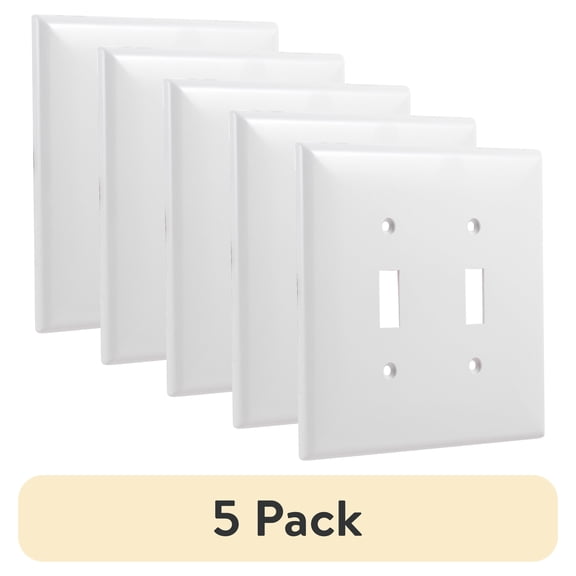
For a quick refresh, you can swap a small cover for large switch plate styles without changing the switch itself. You get a visible upgrade that focuses on fit, coverage, and a neater wall line.
Choosing configuration type and gang count
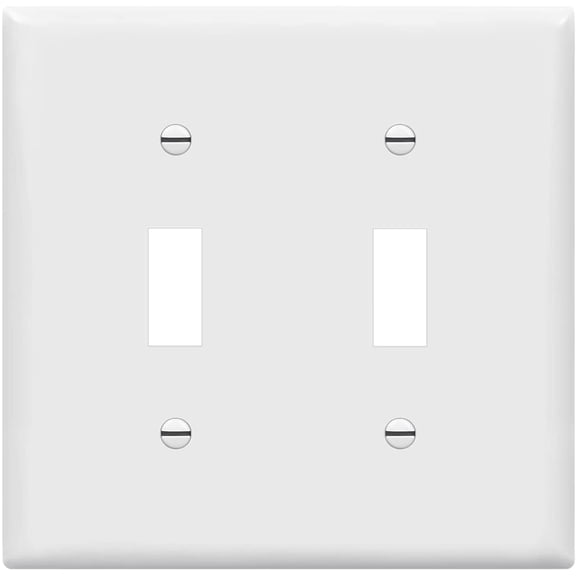
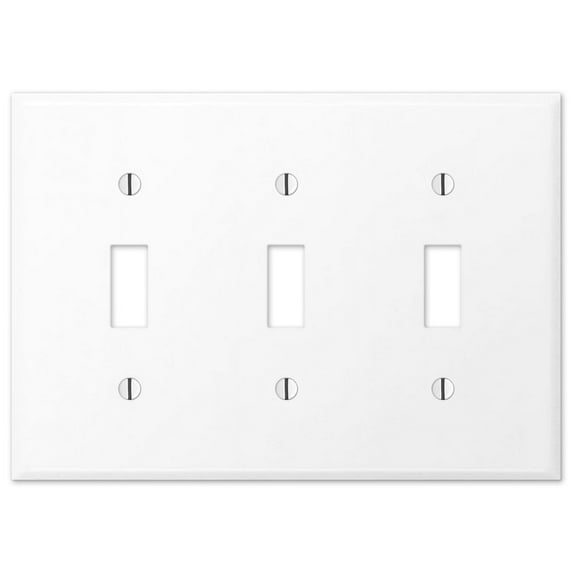
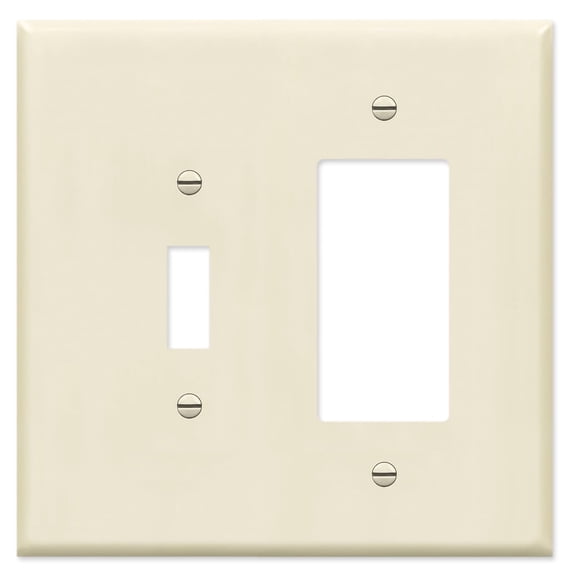
You should match the cover opening to your exact device style before you install anything. You can compare toggle, rocker, decorator, duplex outlet, and blank cover layouts for the right fit.
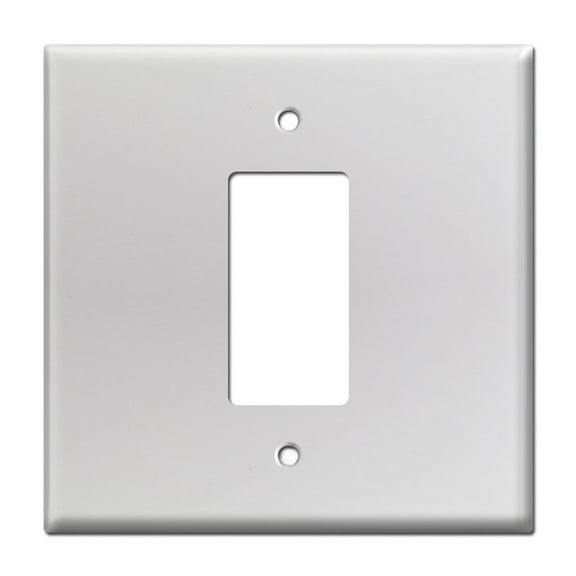
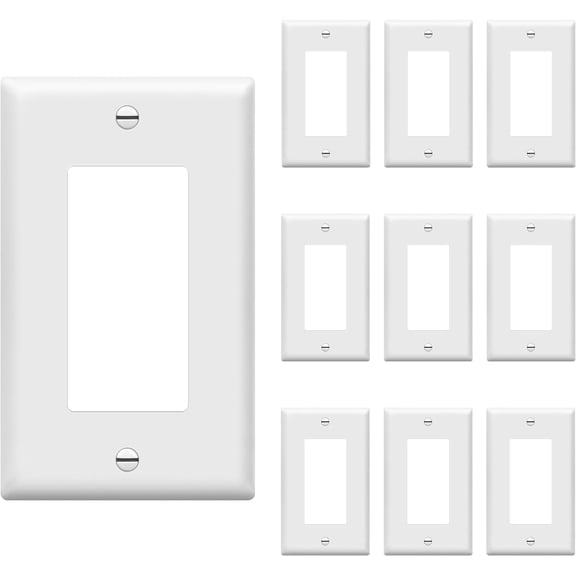
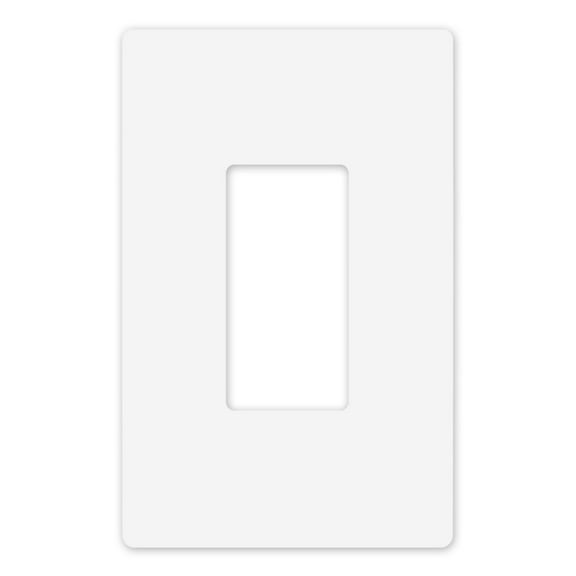
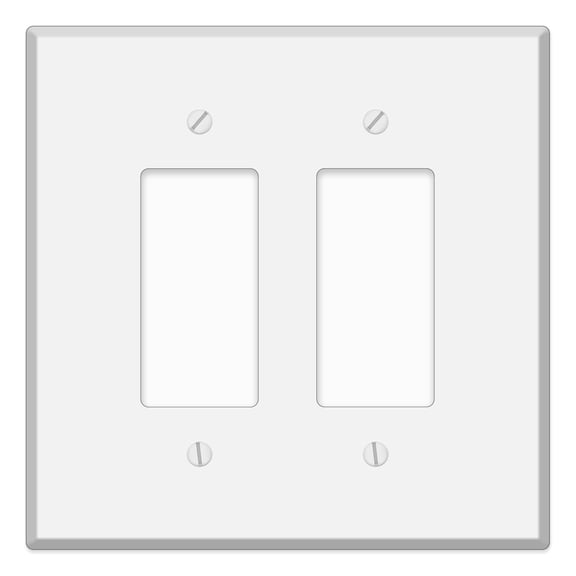
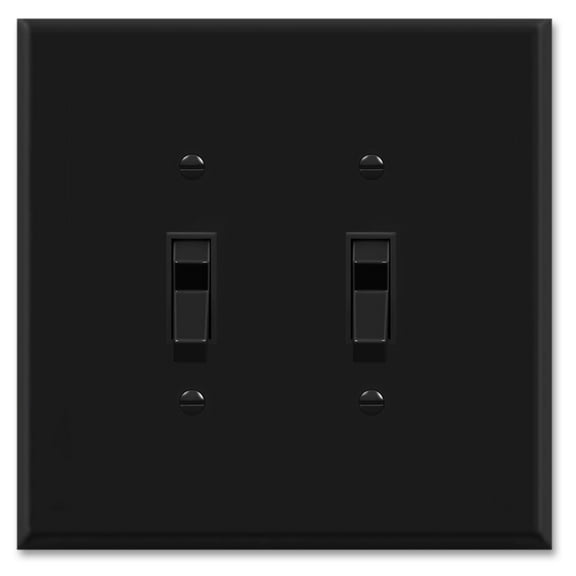
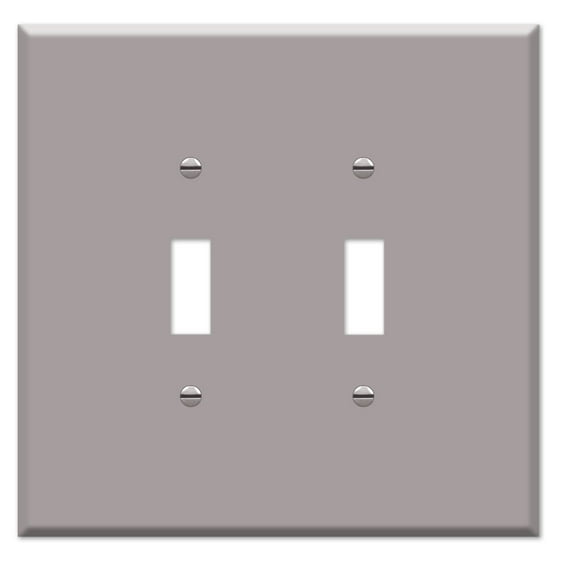
If you have broad rectangular switches, you should look at oversized rocker switch plate covers or decorator openings. If you have a classic narrow lever, you should choose toggle-shaped oversized wall switch plates instead.
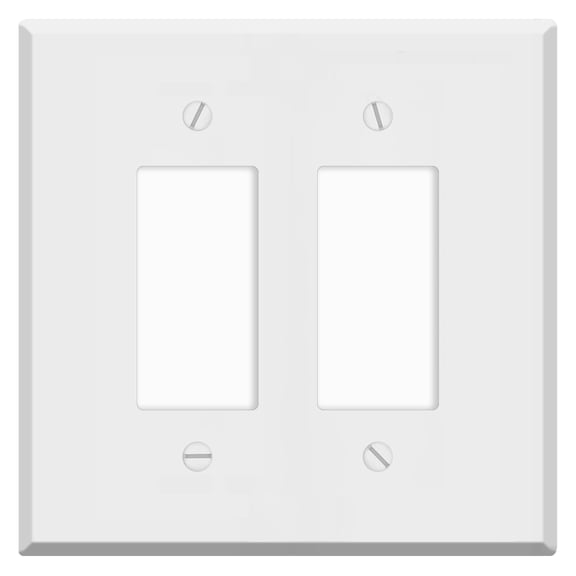
You can also check gang count before you order, because one-gang and two-gang plates are not interchangeable. If your box holds three or four devices, you should choose a matching multi-gang cover for full alignment.
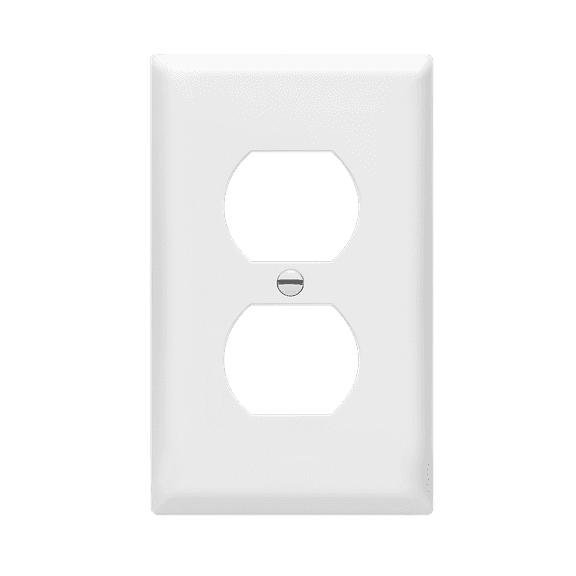
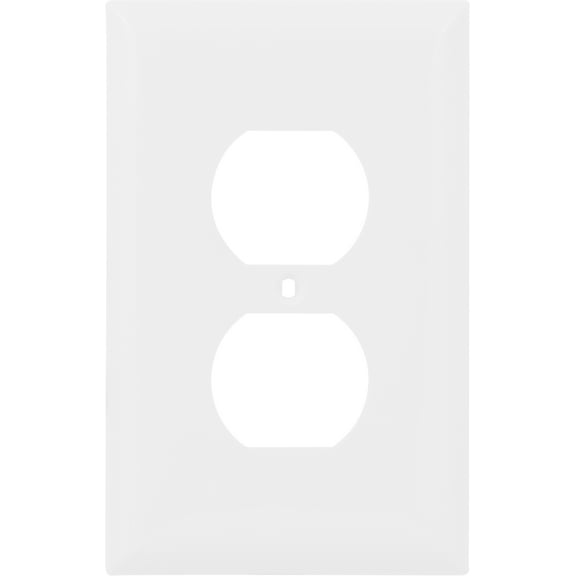
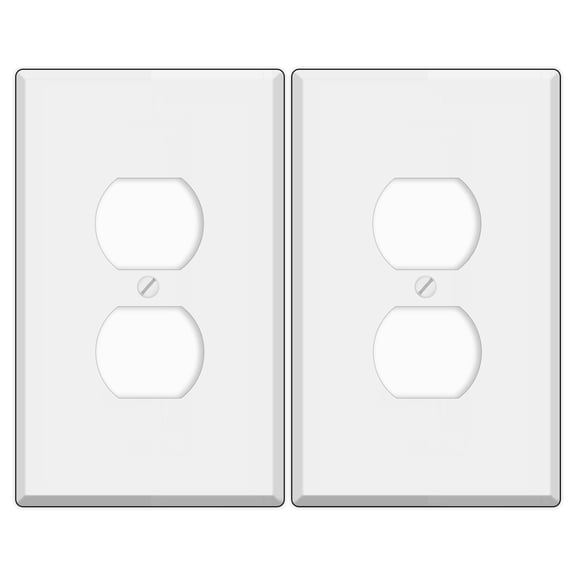
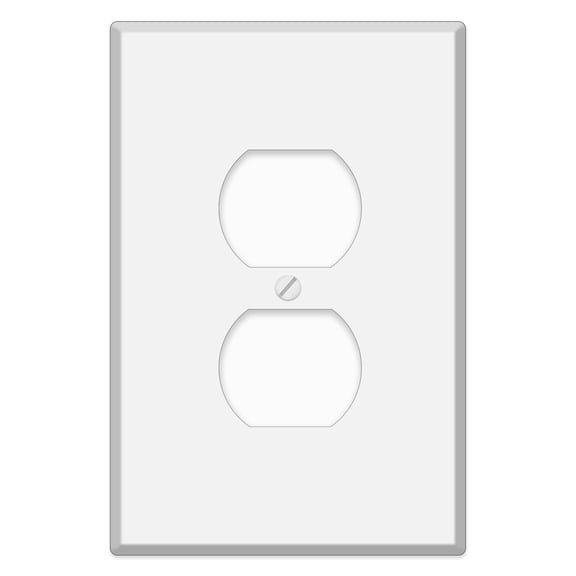
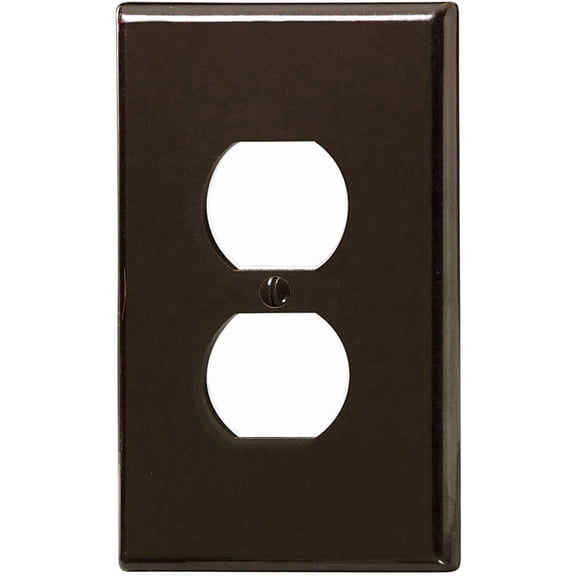
For receptacles, you may want wall socket covers made for duplex outlets, GFCI shapes, or large outlet openings. You can avoid misalignment by counting both the device style and the number of openings.
Comparing applications from standard outlet to 220V
You can narrow your choice by checking whether your cover fits a light switch, a standard outlet, a blank opening, or a 220V device. You should confirm the device shape first, because similar-looking covers can have different cutouts.
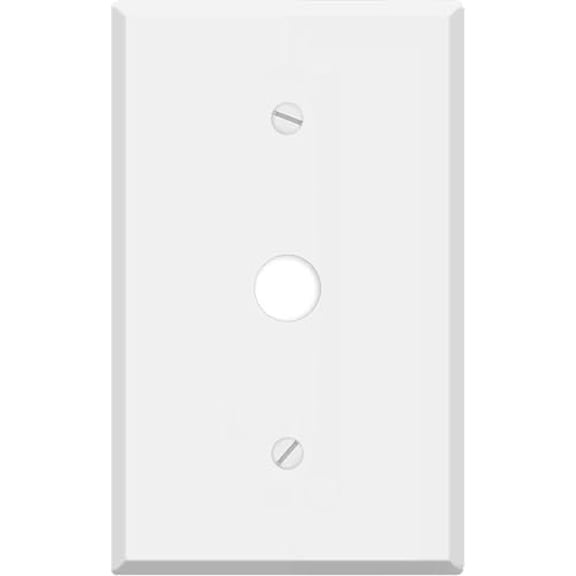
In utility rooms or laundry spaces, you may need an oversized 220 outlet cover with a larger center opening. You can use that format when a dryer or other 220V receptacle needs more wall coverage.
For common receptacles, you may compare jumbo outlet covers and large outlet covers when the drywall opening runs wide. You can use those larger sizes to frame the outlet neatly without changing the wiring device.
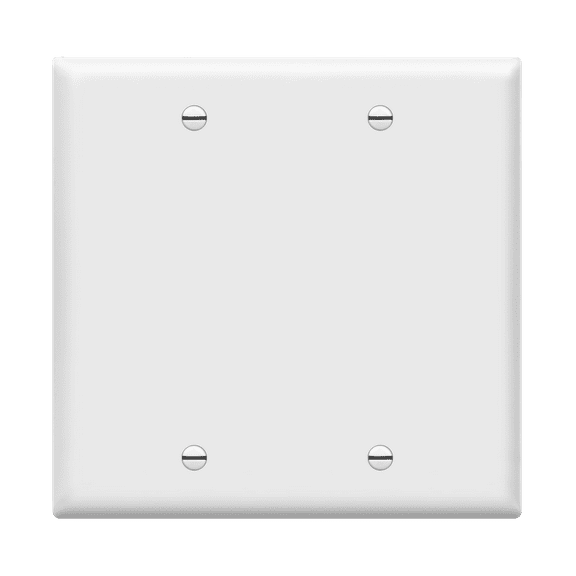
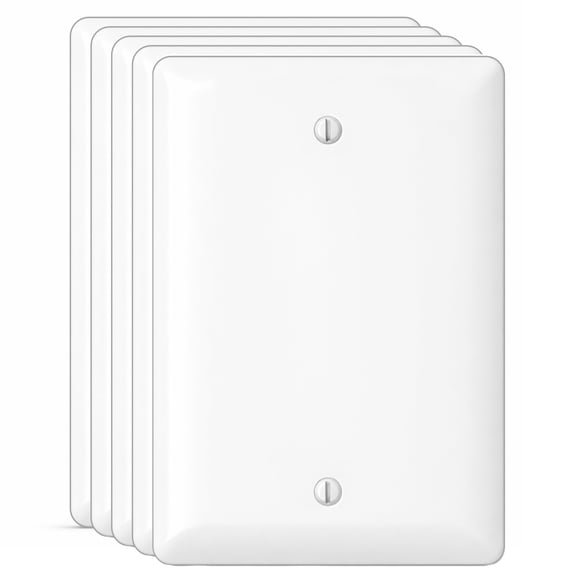
If you removed a device but still need a finished surface, you can choose a blank cover in an oversized format. You get broader coverage that can hide marks from the earlier installation.
What to look for in material and finish
You can choose material based on how your room looks and how often you touch the wall. You may prefer plastic or thermoplastic for easy cleaning and a smooth painted-wall look.
If your space needs a more substantial feel, you can compare metal options with a crisp edge and firmer face. If your decor leans decorative, you may also consider wood or ceramic styles for a distinct finish.
You should also look at the room itself when you compare finishes. You can use simple white covers in utility spaces, or you can coordinate tone and texture in living rooms and entryways.
When you match material with the device opening, you create a result that looks intentional instead of patched. You also make it easier to blend the cover with nearby trim, outlets, and switches.
Using oversized wall plates in real rooms
You can use oversized wall plates after painting, remodeling, or replacing old devices with newer shapes. You may notice they work especially well where older covers left visible outlines on the wall.
In kitchens and baths, you can choose larger wall socket covers when tile edges or paint lines sit close to the box. You get a broader border that helps the finished surface look more even.
For hallways, bedrooms, and living areas, you can use an oversized light switch cover to clean up a high-traffic wall. You may also like how a jumbo switch plate covers small flaws around frequently used controls.
In garages, laundry rooms, or workshop spaces, you can select a jumbo wall plate or large light switch cover for rougher cutouts. You get more forgiveness around the opening and a tidier final appearance.
When you compare size, configuration, application, material, and gang count, you can choose a cover that fits the opening and the room. You end up with cleaner lines, fuller wall coverage, and a more finished installation.