







Lawn and Garden Supplies Near Me: Lawn Care at Walmart









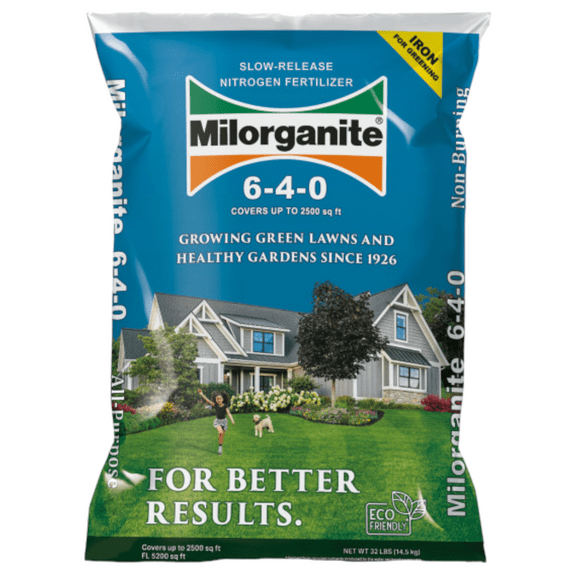


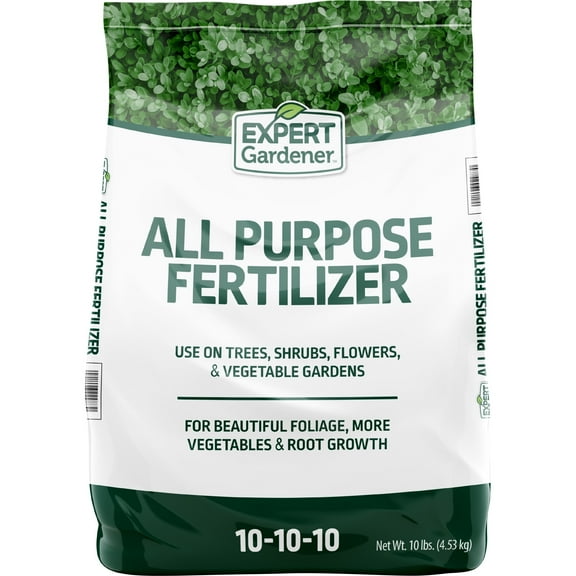













About Lawn and Garden Supplies Near Me: Lawn Care at Walmart - Walmart.com
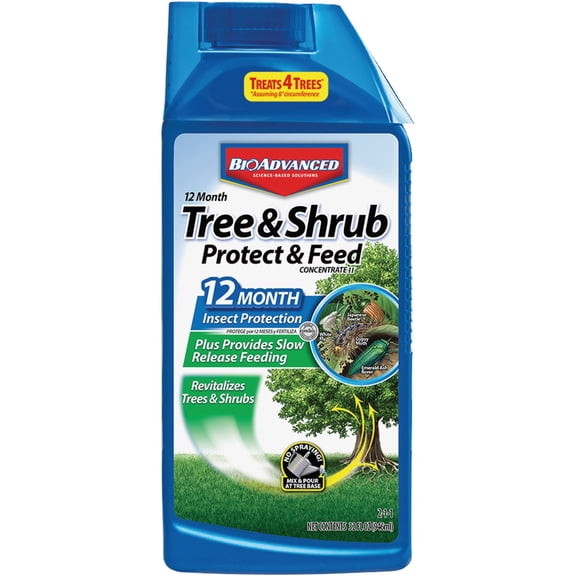
Tree fertilizer helps you support steady seasonal growth, vibrant color, and convenient feeding across fruit, evergreen, shade, and palm trees. You can compare spikes, granular blends, liquids, and powders in one place, so your yard plan stays simple.
When you shop this category, you’re usually deciding by tree type, feeding method, and timing. You’ll also want formulas that match root depth, nutrient ratio, and the amount of work you want each application to take.
Choosing the right tree fertilizer for your yard
You should start with the kind of tree you’re feeding, because different trees use nutrients in different ways. You’ll often compare fruit tree fertilizer, evergreen tree fertilizer, and general formulas for shade or ornamental trees.
If you’re feeding citrus or fruit trees, you may look for nutrient ratios that support blossoms, fruiting, and seasonal color. If you’re feeding evergreens, you may prefer formulas with higher nitrogen for deep green needles.
For mixed landscapes, you may want a balanced NPK blend that works across several tree types. You should check labels carefully, because palm trees, shade trees, and citrus often have different feeding needs.
How to compare tree fertilizer spikes, liquids, and granular options
You can narrow your options fast by comparing how each fertilizer type applies and how quickly it starts working. You’ll notice that tree fertilizer spikes fit shoppers who want less measuring and tidy placement.
Granular formulas work well when you want broad coverage around the drip line and flexible feeding amounts. Liquid and powder options can help you mix custom amounts when you want rapid uptake or quick dilution.
- You can use tree fertilizer spikes when you want simple placement around established root zones.
- You can choose granular formulas when you want even coverage across larger soil areas.
- You can pick liquid options when you want quick mixing for regular seasonal feeding.
- You can consider powder formulas when you want storage flexibility and mix-as-needed convenience.
You should also compare release speed before you choose a format. You may prefer spikes for longer feeding, while liquids can suit you when you want an efficient routine.
What to look for in nutrient ratios and application methods
You’ll see nutrient ratios listed as NPK, and those numbers help you match feeding to your tree’s growth stage. You can use high nitrogen formulas for vibrant foliage, while balanced blends suit many general landscape trees.
If you’re feeding flowering or fruiting trees, you may look for phosphorus-rich options during active seasonal growth. You should still compare the label directions, because timing and coverage can vary by formula.
Application method matters just as much as formula strength when you want reliable coverage around roots. You can choose deep root tree fertilizer when you want nutrients delivered below the surface near active root zones.
Soil surface feeding works well when you want to spread product around the drip line and water it in. Foliar spray options can fit you when labels allow leaf application for quick, targeted feeding.
You may also compare organic tree fertilizer and synthetic formulas before you commit to a feeding plan. Organic and natural options often appeal when you want simpler ingredient profiles, while synthetic options can offer precise nutrient ratios.
Matching fruit tree fertilizer and evergreen tree fertilizer to seasonal use
You can make informed choices when you match fertilizer type to season, tree age, and yard routine. Early spring feeding often fits active growth, while fall applications can support root-focused seasonal care.
If you’re caring for apple, peach, lemon, or orange trees, fruit tree fertilizer can help you target the needs of productive trees. You should compare formulas by species, because citrus and stone fruit trees often feed differently.
When you maintain pines, spruces, firs, or other needle-bearing trees, evergreen tree fertilizer can help you focus on foliage color and steady growth. You may prefer spikes for established evergreens when you want a lower-effort feeding schedule.
Shade trees often need broad soil coverage, especially when mature roots spread far past the trunk. You can use granular or deep root applications when you want to reach a wider feeding area.
Palm trees can need tree-specific nutrient ratios and application timing that differ from common landscape trees. You should measure the canopy and root zone first, so your feeding plan matches the tree’s size.
How to choose organic or synthetic tree fertilizer
You should decide how hands-on you want your routine to be before you choose organic or synthetic formulas. Organic options can suit you when you prefer gradual, steady feeding and soil-focused care.
Synthetic formulas can fit you when you want exact nutrient levels and straightforward comparisons between NPK ratios. You’ll want to read the application directions closely, especially if pets and wildlife use the same outdoor spaces.
You can also compare package sizes, coverage areas, and feeding frequency before you buy. That helps you choose a tree fertilizer that fits small gardens, large yards, or multi-tree landscapes with less guesswork.
When you focus on tree type, fertilizer form, NPK ratio, and application method, you can narrow your options with confidence. You’ll end up with a feeding plan that fits your trees, your season, and your yard routine.