













Reel Lawn Mowers
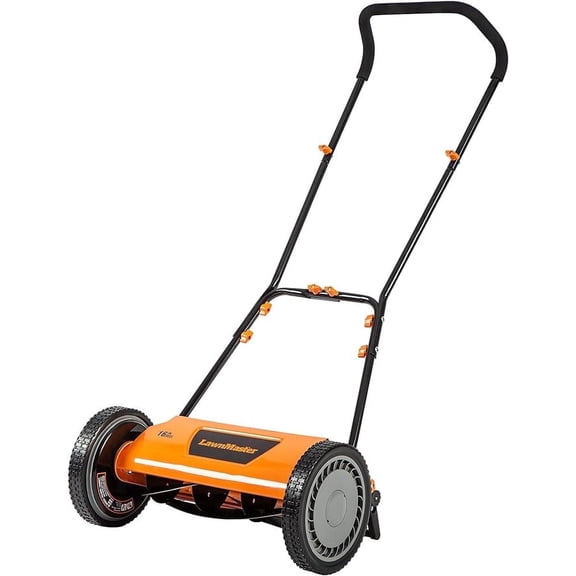


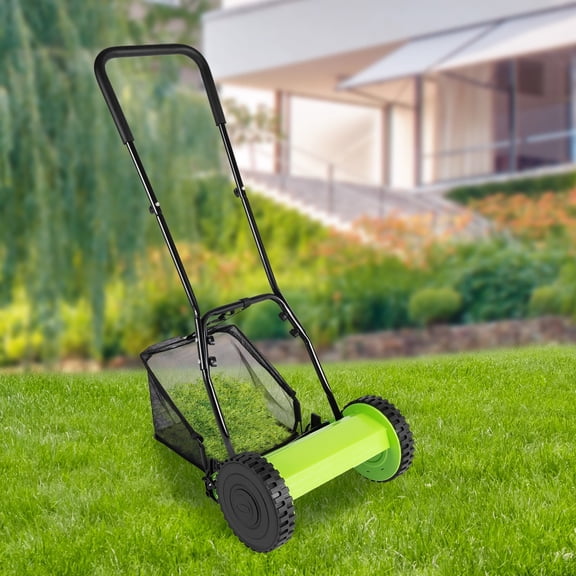
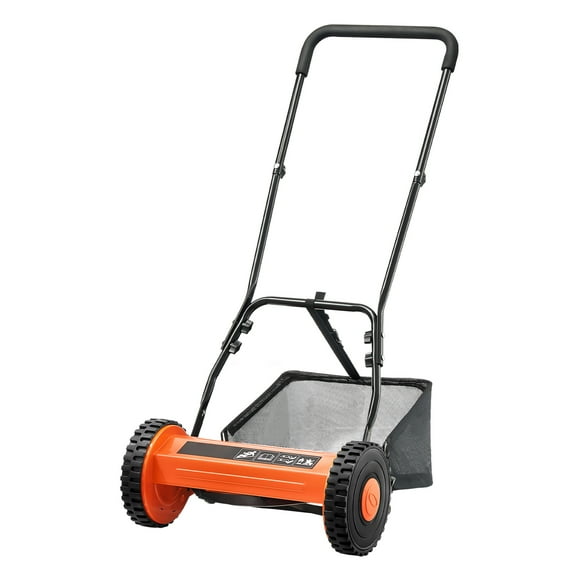
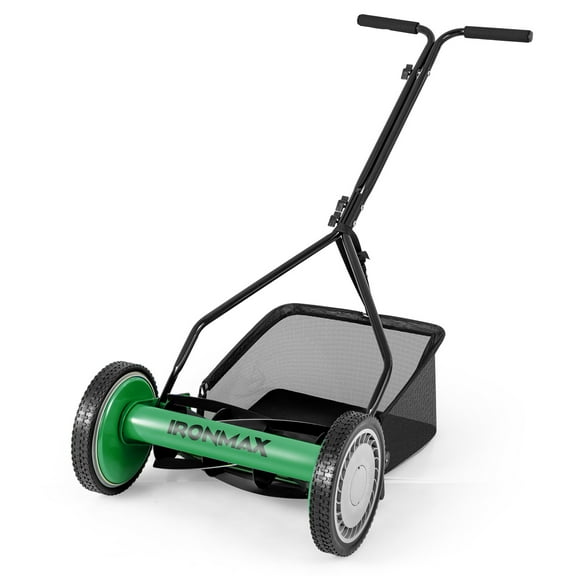





















About Reel Lawn Mowers - Walmart.com
Riding lawn mowers help you cover more ground with less walking, and you can compare deck size, drive type, and power source in one place. You’ll also find options built for tight turns, open acreage, and routine lawn care through the growing season.
Choosing riding lawn mowers for your yard
Start with your yard size, because deck width changes how quickly you can finish each pass. You should compare 30 to 42 inch decks for smaller lots and tighter storage spaces.
If you mow larger areas, you may prefer 46 to 54 inch decks for wider coverage. You can also consider 60 plus inch decks when you need fewer passes across broad, open ground.
Engine power matters with deck size, grass thickness, and how often you mow. You’ll usually compare 15 to 19 HP, 20 to 24 HP, and 25 plus HP ranges.
- You can use smaller decks for gates, narrow paths, and compact sheds.
- You may choose mid-size decks when your yard mixes open runs and landscaped edges.
- You can pick larger decks when your property has long stretches and fewer obstacles.
- You should match higher horsepower to wider decks and heavier mowing loads.
How to compare zero turn lawn mowers and lawn tractors
Drive type affects how your mower moves around trees, beds, and fences. You should compare zero turn lawn mowers, lawn tractors, and rear-engine riders by steering feel and yard layout.
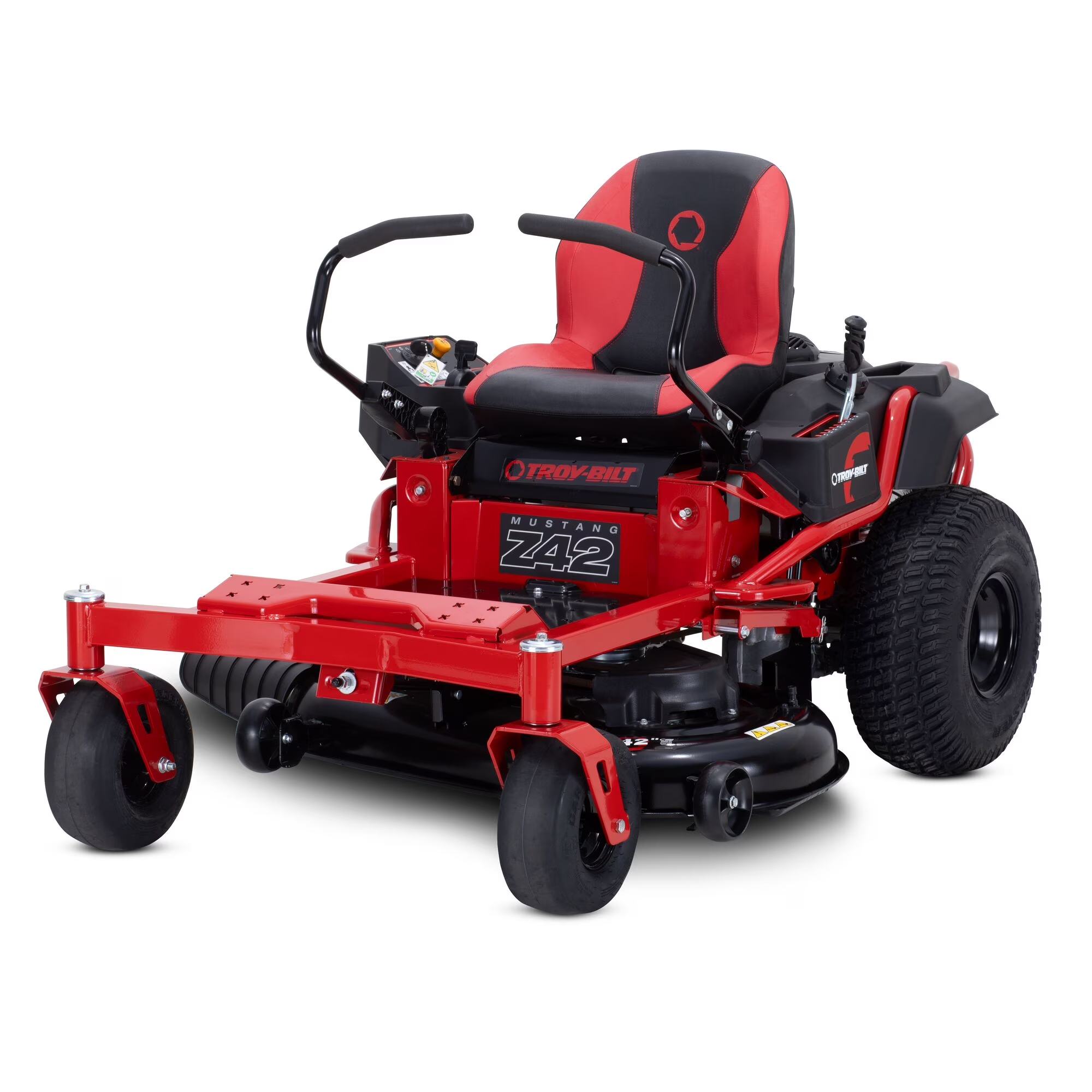
Zero-turn models help you circle obstacles quickly with lap-bar steering and tight turning movement. You may prefer that setup when your yard has many trees, islands, or curved borders.
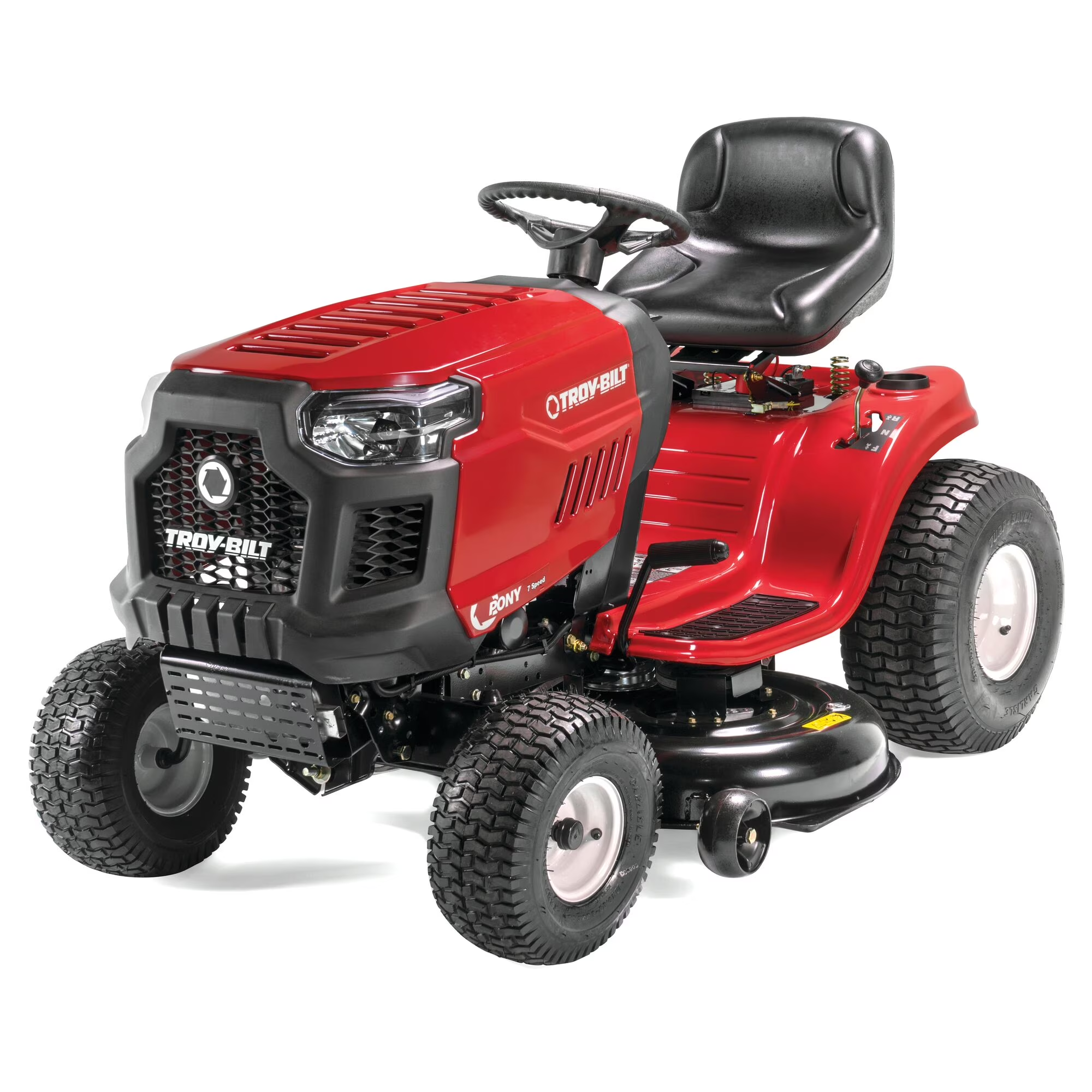
Lawn tractors use a steering wheel, so you may find them familiar from the first ride. You can use them for open lawns, longer straight passes, and towing yard carts.
Rear-engine riders often fit shoppers who want a smaller frame and simpler footprint. You might choose that style when your storage area is limited and your lawn is compact.
Terrain also shapes your choice, especially when your yard isn’t perfectly flat. You should check stability, traction, and turning style when your property includes uneven ground or gentle slopes.
Deciding between electric riding lawn mowers and gas riding mowers
Power source changes your routine before, during, and after each mow. You can compare electric riding lawn mowers and gas riding mowers by runtime habits, maintenance steps, and storage preferences.
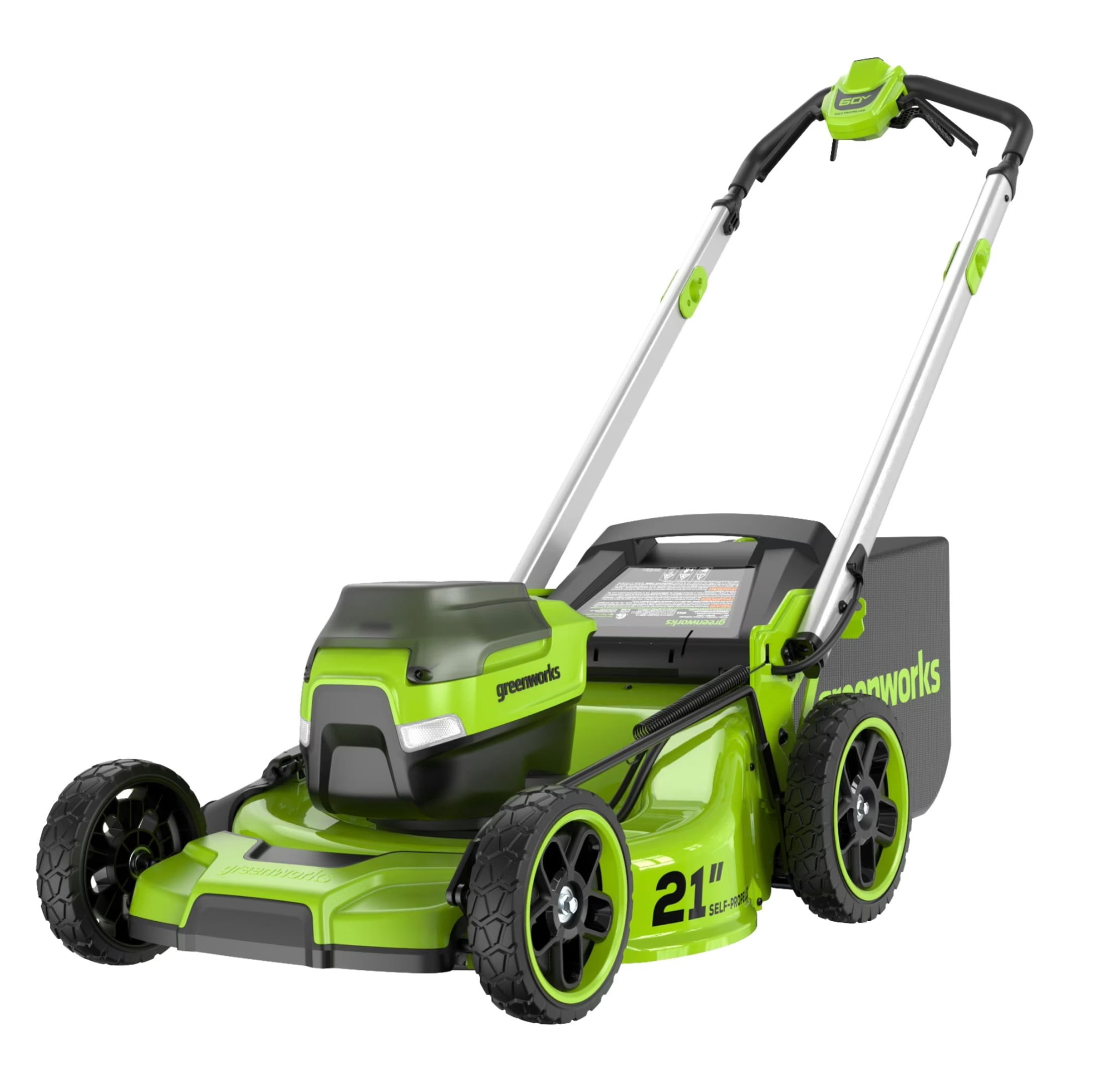
Battery powered riding mowers may suit you if you want push-button starts and less routine engine upkeep. You’ll also appreciate quieter operation when you mow in the morning or evening.
Gas-powered options may fit you if you handle larger yards or longer mowing sessions. You can refuel quickly, and you may prefer that flexibility during peak grass growth.
Check charging time, battery range, and outlet access before you choose an electric model. You should also compare fuel capacity, engine size, and maintenance intervals before you choose gas.
If your schedule includes fast weekly cuts, either power source can work with the right setup. You just need to match your mower to your yard size, grass growth, and storage routine.
What features to look for in riding lawn mowers
Comfort and control can shape how confident you feel on every pass. You should compare seat design, pedal layout, transmission type, and cutting height adjustments before you decide.
Look for controls you can reach easily when you change speed or blade height. You’ll notice that simple layouts help you stay focused around fences, trees, and garden borders.
Cutting height range matters when your lawn changes with the season and weather. You can trim shorter for a tidy look, or you can leave more length during faster spring growth.
You may also want riding mowers with bagger compatibility when you prefer collecting clippings and leaves. You should also check for mulch kits, replacement blades, covers, and other mower accessories.
Storage dimensions deserve a close look before delivery day arrives. You’ll want to measure your garage door, shed opening, and parking area so your mower fits without guesswork.
Matching mower types to real mowing routines
Small riding lawn mowers can make sense when you want seated mowing without a full-size tractor footprint. You may prefer them for smaller properties, narrow access points, and simple storage needs.
If your lawn includes trees, play sets, or planting beds, a zero-turn setup can reduce extra trimming. You can maneuver around obstacles with fewer wide loops and less back-and-forth repositioning.
When your yard has broad open sections, lawn tractors can help you settle into long, steady passes. You may also use certain models for towing attachments that support seasonal yard work.
Riding mowers with bagger options can help you collect clippings during regular mowing and leaf pickup. You can keep cleanup more organized when your yard drops leaves in heavy bursts.
For larger properties, you should compare wider decks, stronger engines, and fuel or battery plans carefully. You’ll get a smoother ownership experience when your mower matches your acreage and routine.
With riding lawn mowers, you can narrow your choice by deck width, drive type, engine power, and power source. You’ll feel more confident when your mower matches your yard layout, mowing pace, and storage space.