

Mini Blinds & Window Blinds




















About Mini Blinds & Window Blinds - Walmart.com
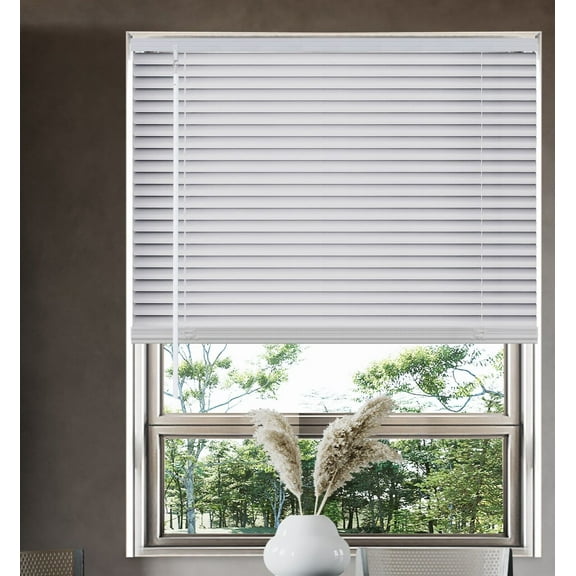
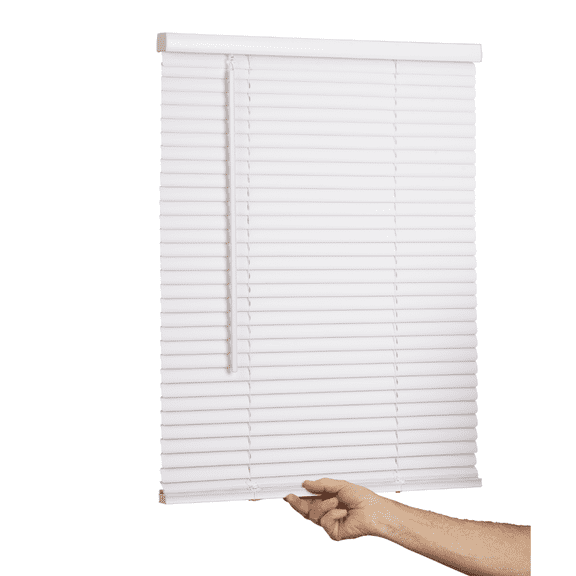
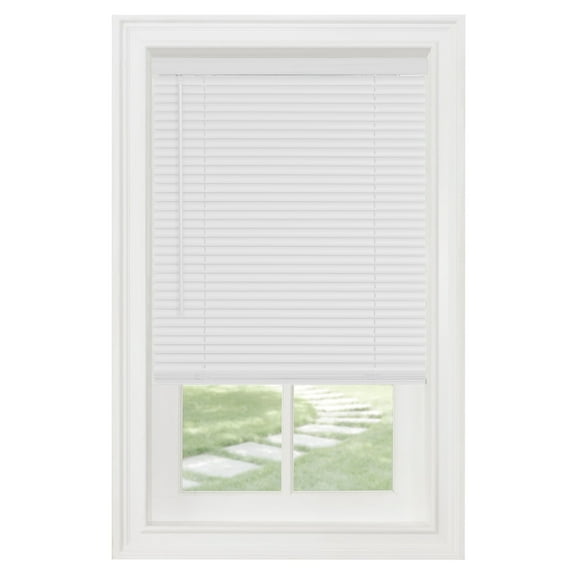
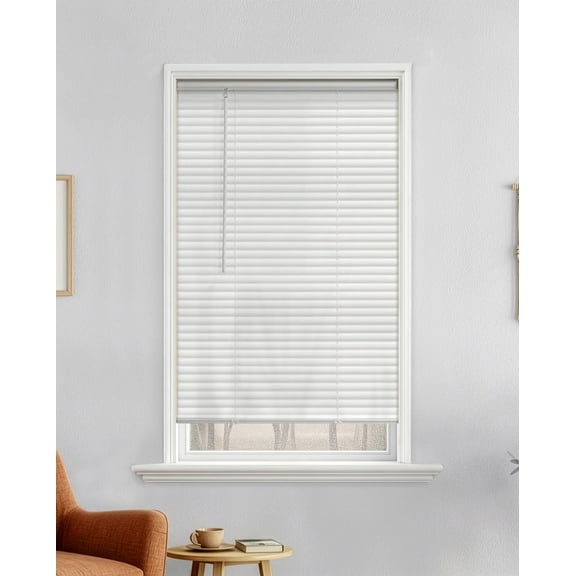
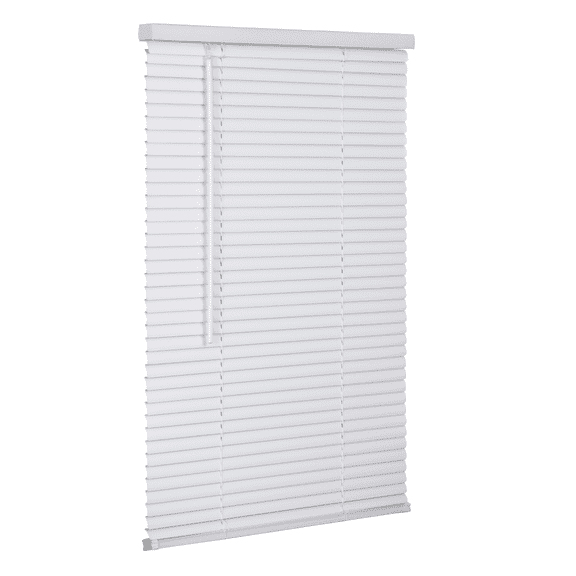
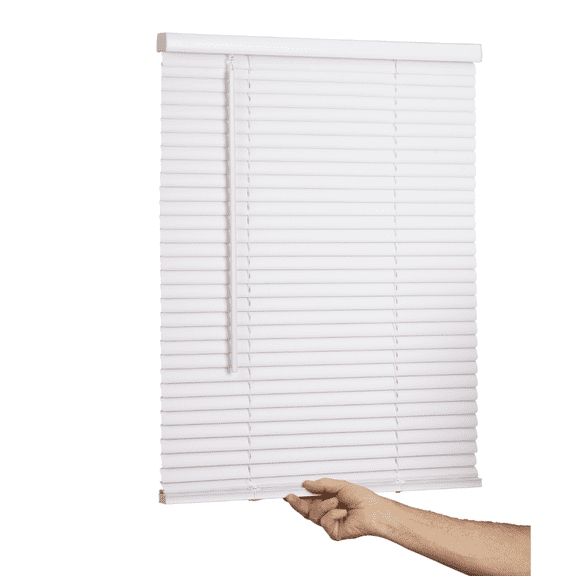
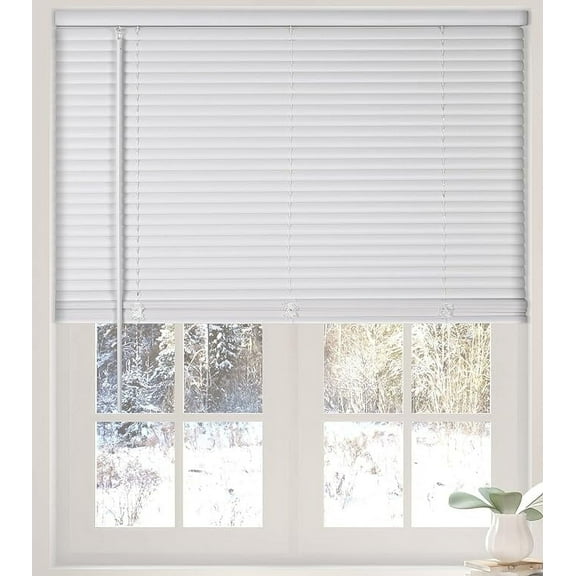
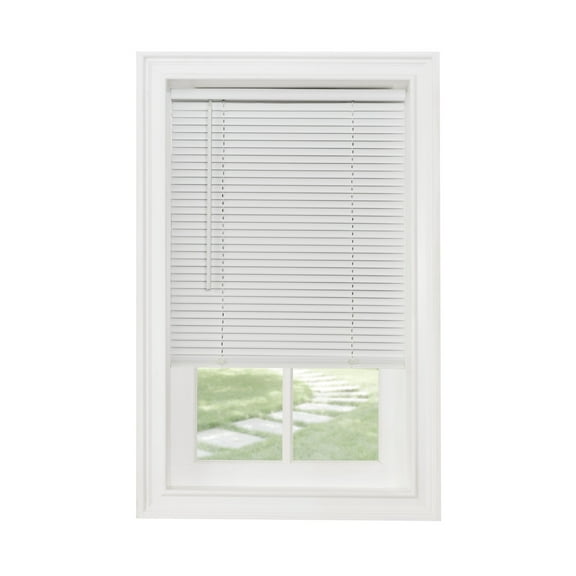
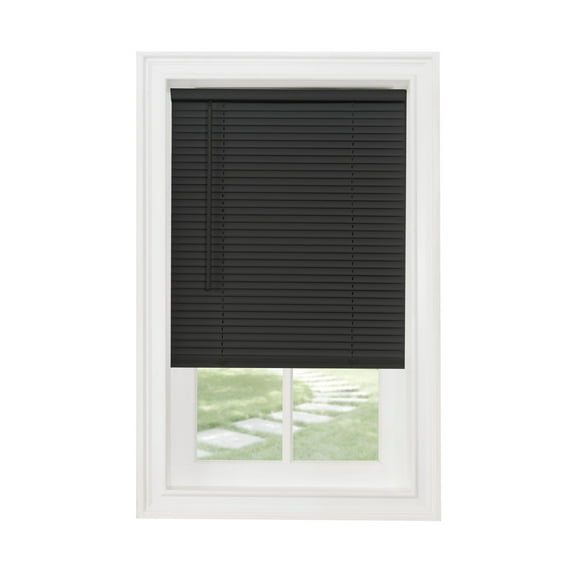
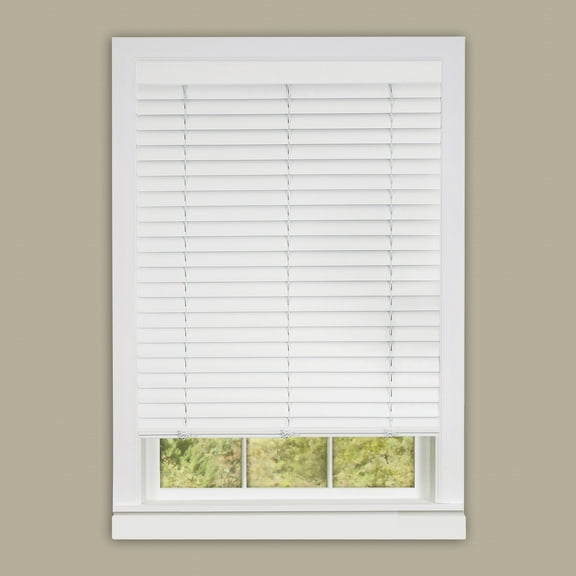
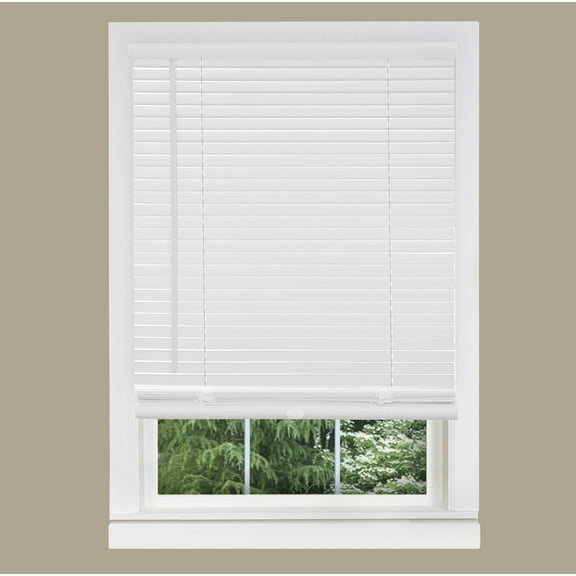
Mini blinds help you manage light, privacy, and window coverage without adding bulk around your windows. You can compare sizing, slat width, and mounting style for a cleaner fit in many rooms.
When you shop this category, you can focus on exact measurements, simple installation choices, and practical cost per window. You can also narrow options by framed looks, cordless designs, and easy-clean finishes.
How to choose mini blinds for your windows
You should start with sizing because accurate measurements shape how your blinds look and operate. You can measure width and height first, then compare standard sizes, custom width options, and width fractions.
If your window opening falls between whole numbers, you may need width fraction blinds for a closer fit. You’ll often notice this matters most when you want a neat inside mount appearance.
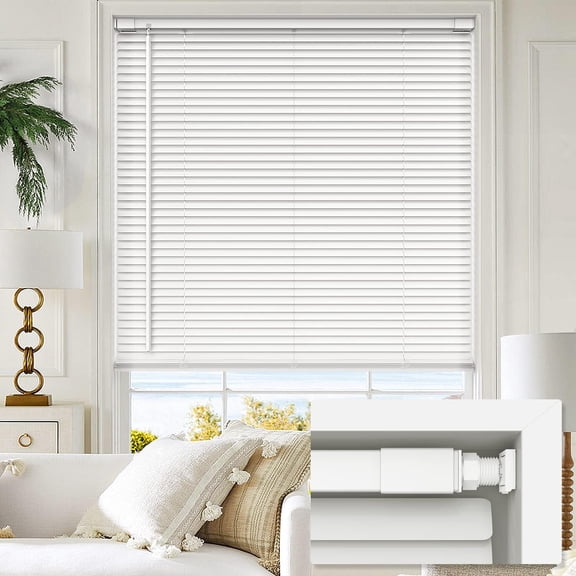
You should also compare inside mount and outside mount installation before you choose a style. If you want visible trim, you may prefer an inside mount.
If you want broader coverage or need overlap beyond the frame, you may choose an outside mount. You’ll usually find this option useful for uneven trim or wider visual coverage.
Key benefits you can expect from mini blinds
You can use mini blinds to direct daylight through adjustable slats instead of uncovering the whole window. That gives you more control during work hours, screen time, or early morning light.
You’ll also notice these blinds keep a cleaner profile compared with heavier drapes. That can help your room feel tidier, especially around desks, sinks, or smaller windows.
Another benefit comes from simpler upkeep in active households. You can wipe many styles quickly, and you can avoid removing a full fabric panel for regular cleaning.
- You can tilt slats for privacy while still letting in some daylight.
- You can choose cordless options when you want a cleaner window profile.
- You can match tiny blinds, 1-inch slats, or 2-inch slats to your room style.
- You can use framed blinds for windows when you want a more defined edge.
You may also like how compact slats suit smaller openings like bathroom, laundry, or kitchen windows. You’ll often get a tidier fit where larger window coverings can feel too heavy.
Choosing size, slat style, and cost of mini blinds
You should compare width, drop, and mounting space before you focus on color or finish. That step helps you narrow choices faster and avoid blinds that look crowded or undersized.
If you’re shopping for a 72 inch blind, you’ll want to check whether that number refers to width, length, or both. You can avoid confusion by confirming each measurement on the product page.
You may also compare custom width options when your window opening lands between standard sizes. That’s where width fractions can help you get a more exact fit.
When you review mini blinds cost, you should think in terms of cost per window and room count. You can outfit one accent window differently than a full set across several rooms.
If you’re considering mini blinds under $10, you’ll usually focus on simple vinyl styles and common sizes. You can use those for temporary updates, rentals, or utility spaces.
When you compare inexpensive mini blinds or low cost mini blinds, you should still check lift style, slat width, and mount type. Those details affect everyday use, while color remains a secondary consideration.
You can also compare traditional corded styles with cordless options based on how you use the room. If you want a streamlined look, you may lean toward cordless designs.
What to look for in framed and traditional styles
You’ll notice that framed blinds for windows can create a more finished outline around the slats. You can use that look when you want the window treatment to read as part of the trim.
Traditional styles may suit straightforward replacements when you already know your size and mount preference. You can place them in bedrooms, guest rooms, or work areas with a familiar look.
If you’re comparing tiny blinds with wider slats, you should think about scale first. Tiny blinds can suit smaller windows, while wider slats can look less busy on larger openings.
You’ll also want to check how the surface handles dust and routine wiping. Smoother finishes can make regular cleaning simpler in kitchens, kids’ rooms, and utility areas.
Matching mini blinds to real rooms and projects
You can use mini blinds in rentals when you want a straightforward window covering that fits standard dimensions. If your goal is a quick refresh, common sizes can simplify the decision.
For home offices, you may prefer slats that let you redirect glare off screens during the day. You can adjust light without fully opening the window treatment.
In bathrooms or laundry rooms, you might prioritize easy-clean materials and a compact profile. You’ll often find mini blinds useful where moisture and limited space shape your choices.
If you’re updating several windows at once, you should compare mini blinds cost across each room layout. You can mix standard sizes with custom width selections where exact measurements matter.
You may also need a 72 inch blind for wider openings in living rooms or shared spaces. In those cases, you should confirm mount depth, lift style, and slat scale together.
When you want a polished finish, you can pair framed looks with visible trim and neat inside mounts. When you need more coverage, you can choose outside mounts that extend beyond the opening.
You’ll make a smarter choice when you measure carefully, compare width fractions, and match slat size to the window. That approach helps you get a cleaner fit, smoother light control, and a more finished room.