


Organic Milk in Milk
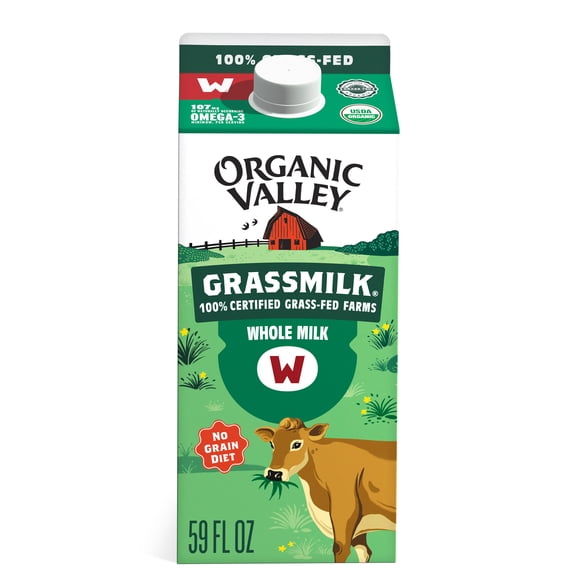


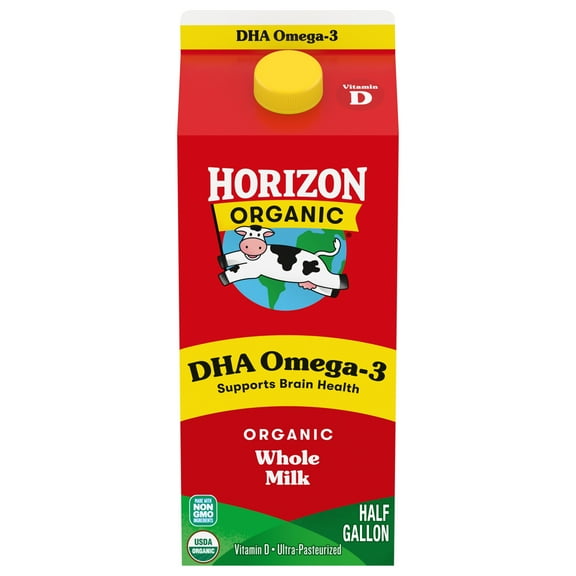

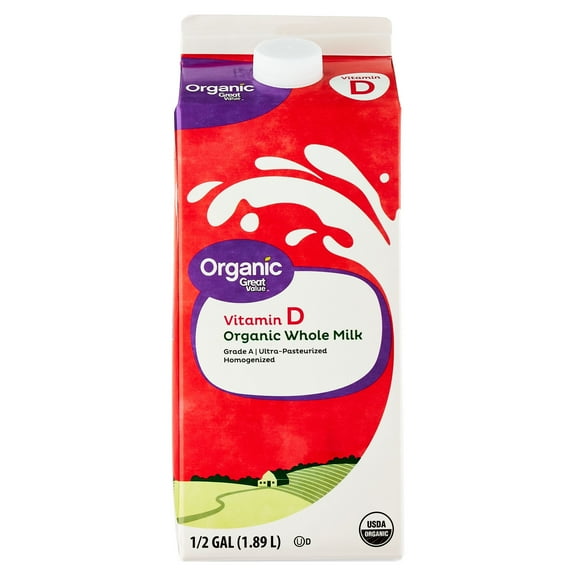















About Organic Milk in Milk - Walmart.com
Milk helps you cover breakfasts, baking, coffee, and family meals with choices that match your routine. You can compare fat content, organic options, lactose free milk, and package sizes in one place.
How to choose milk for your household
When you shop for milk, you should start with how your household uses it each week. Your choice may depend on cereal bowls, lunch packing, coffee drinks, or baking plans.
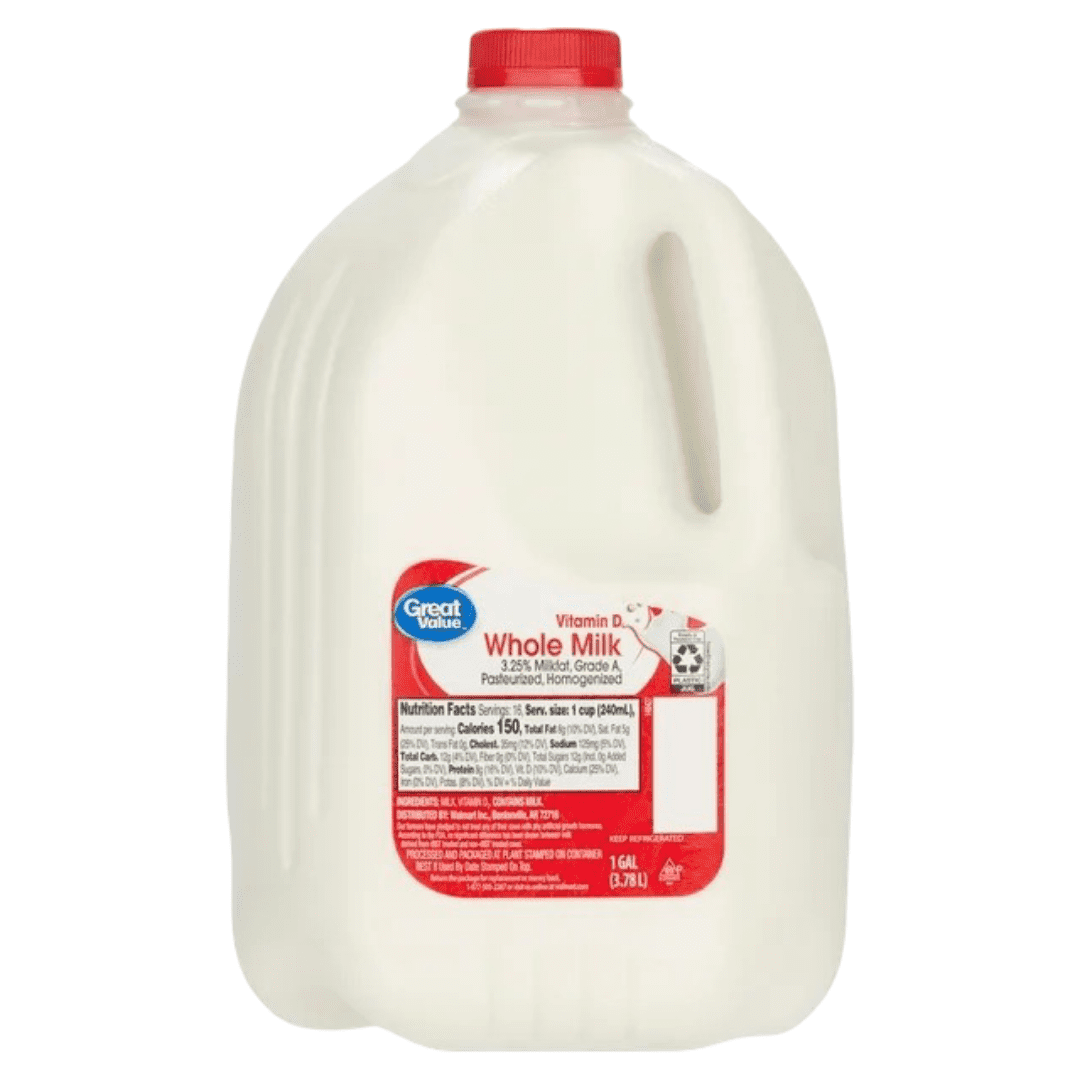
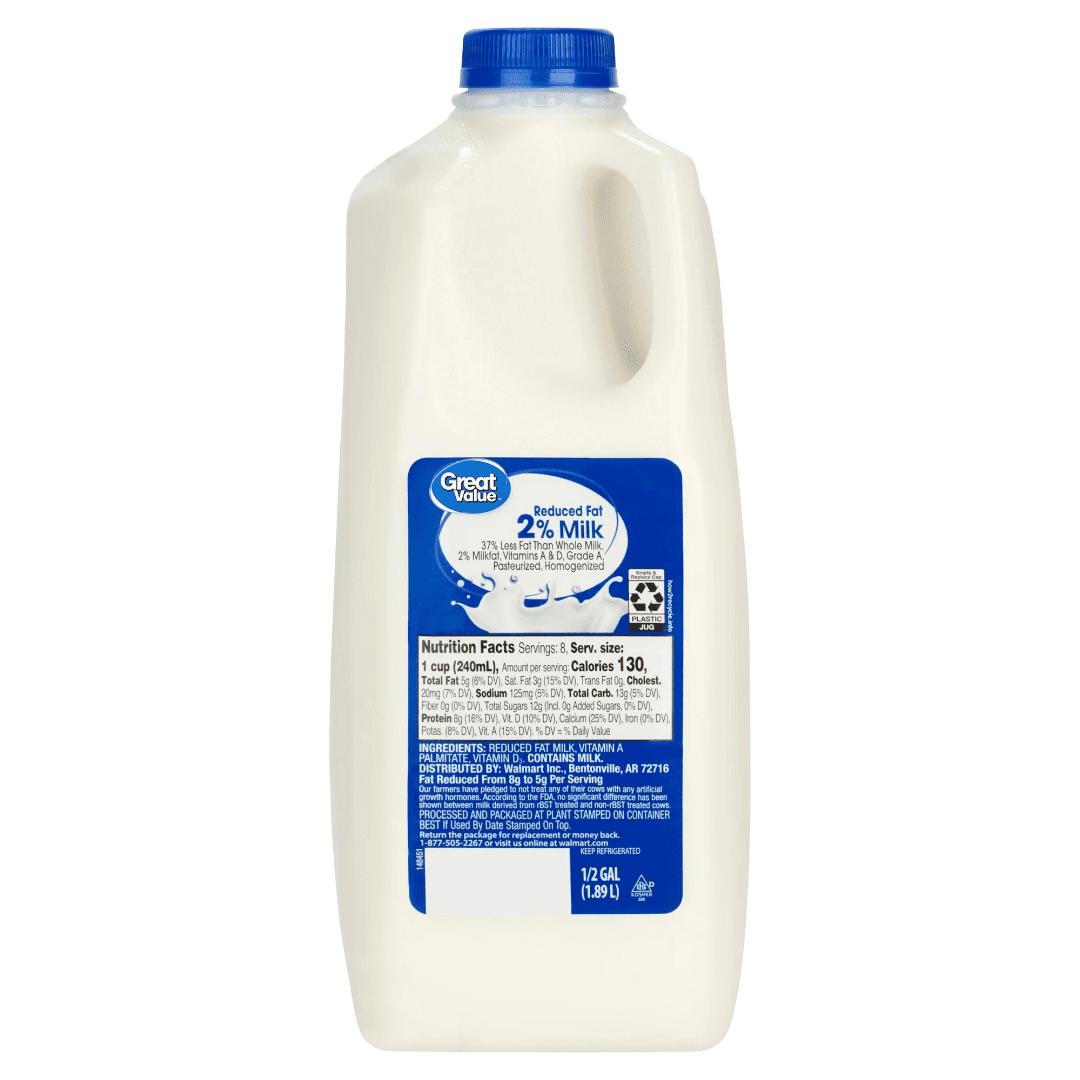
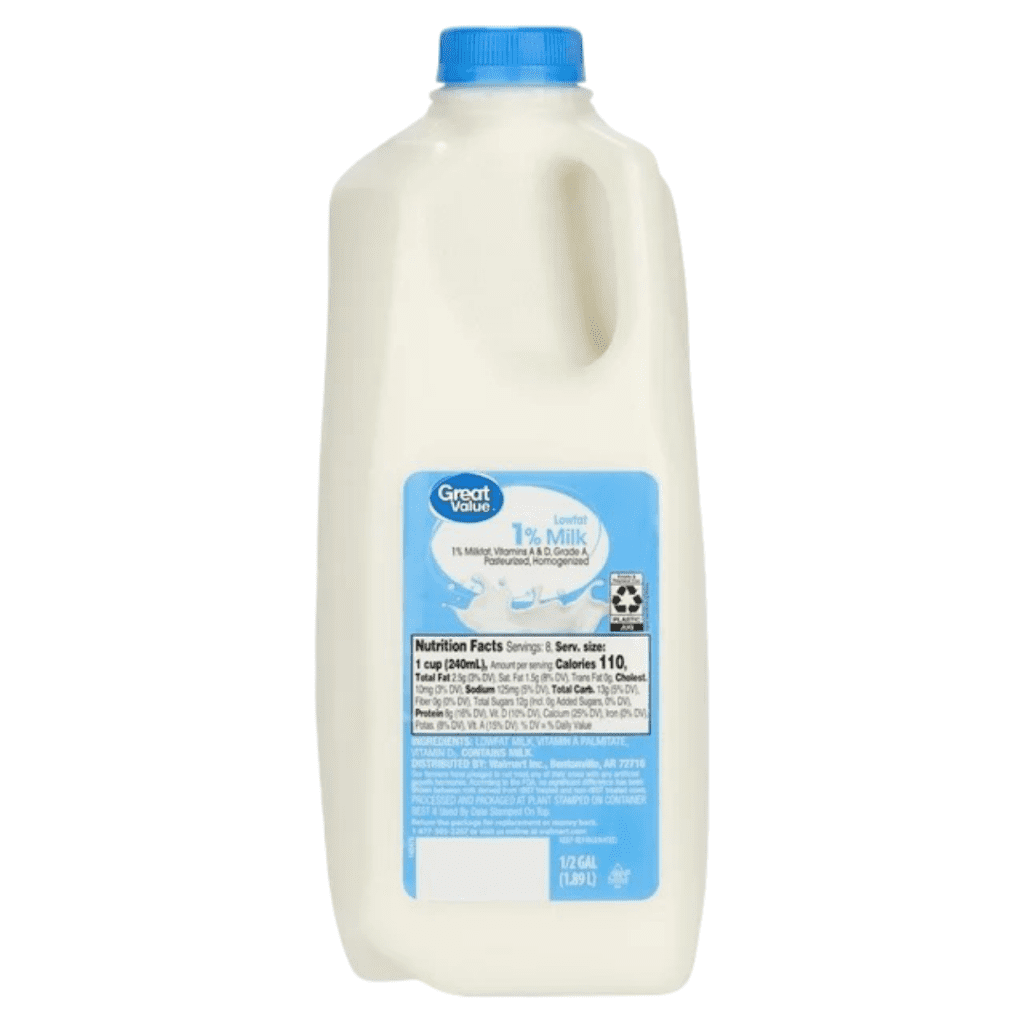
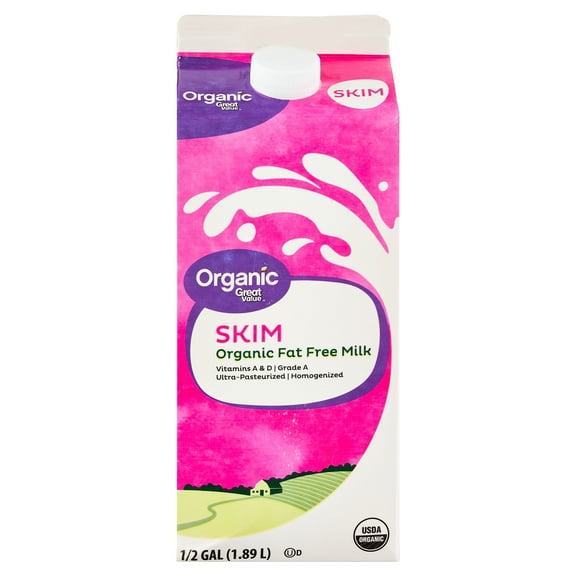
For everyday drinking, you may prefer whole milk for a richer texture. If your household wants a lighter pour, you can compare 2 percent milk, 1 percent milk, and skim milk.
Dietary preferences also shape your decision. You can compare dairy milk, lactose free milk, almond milk, and oat milk based on taste, ingredients, and intended use.
- You can match fat content to drinking, cooking, or baking needs.
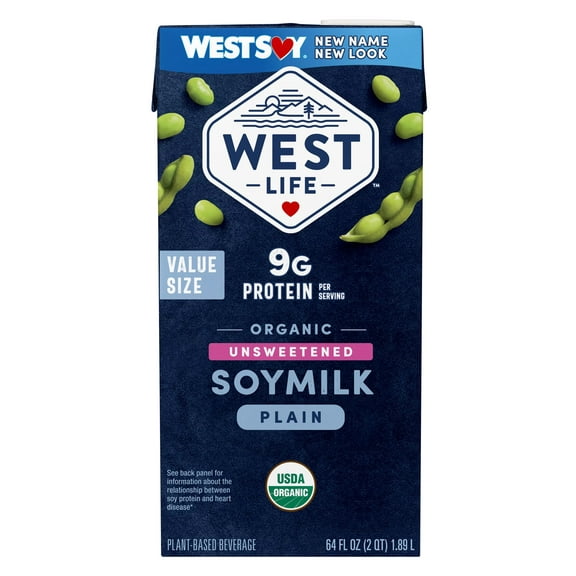
- You can compare dairy, lactose-free, and plant-based options for your household.
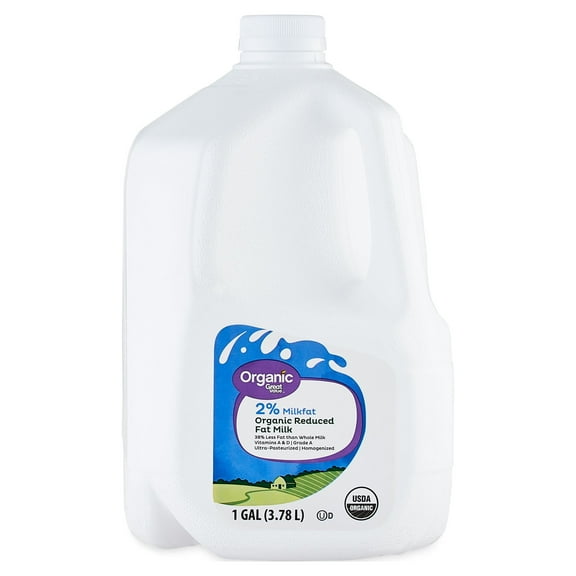
- You can choose a gallon of milk, half gallon milk, quart, or single-serve size.
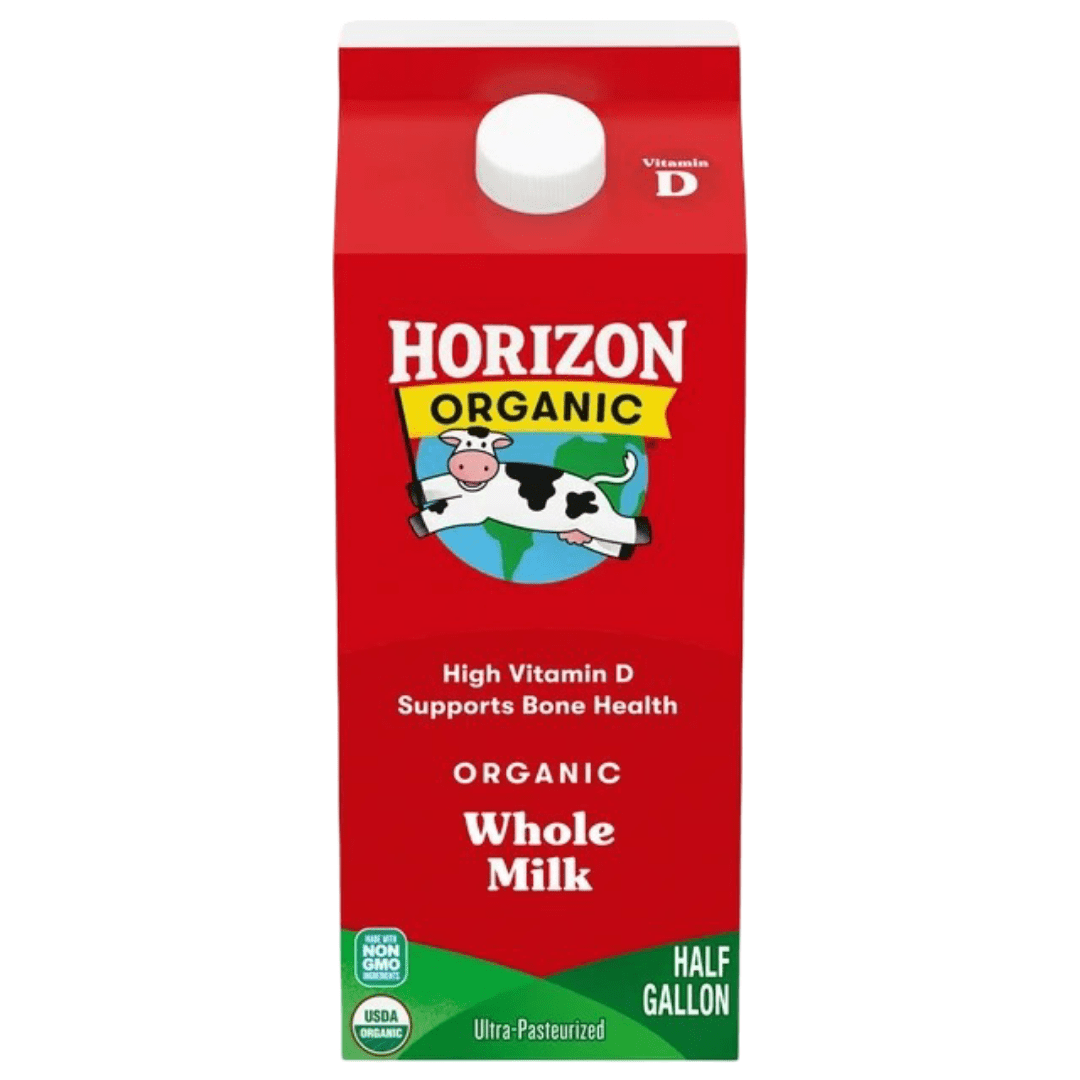
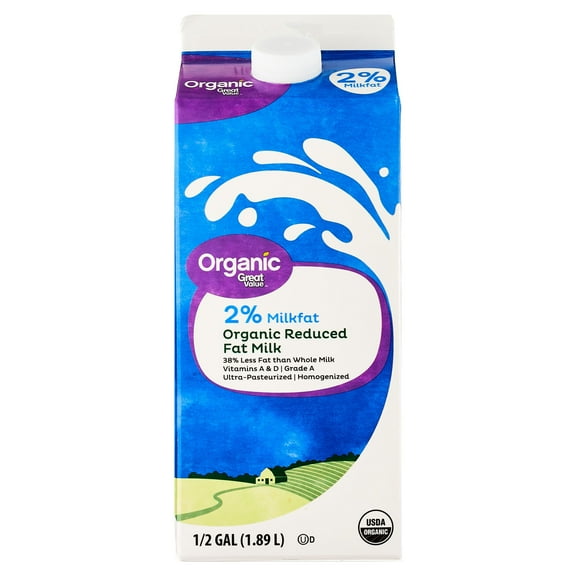
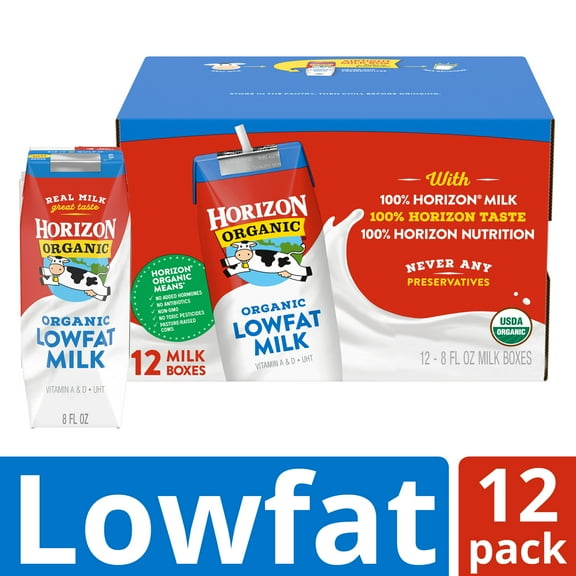
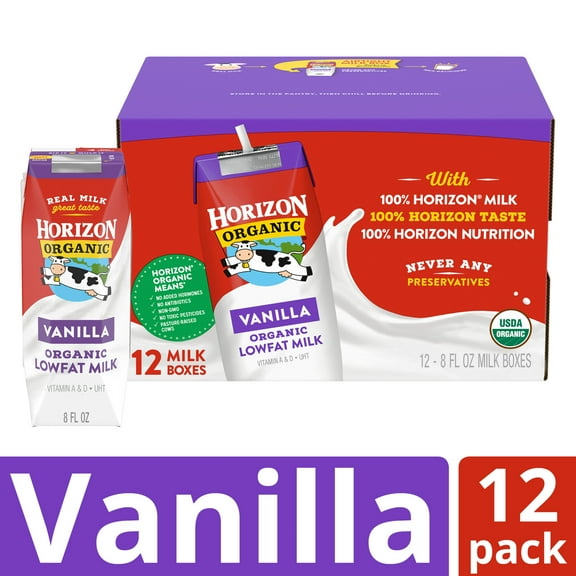
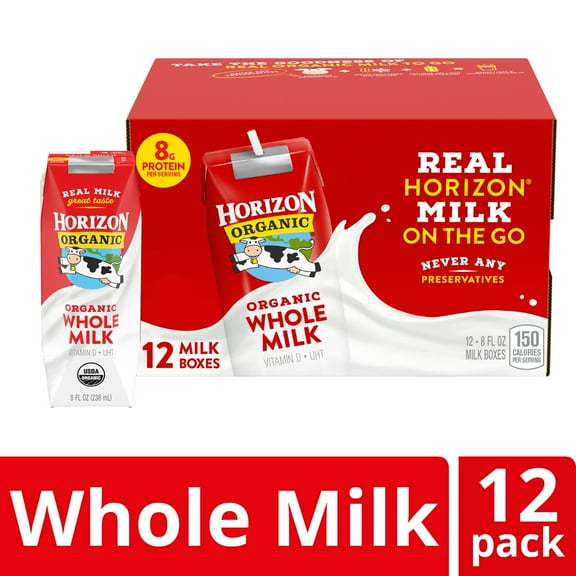
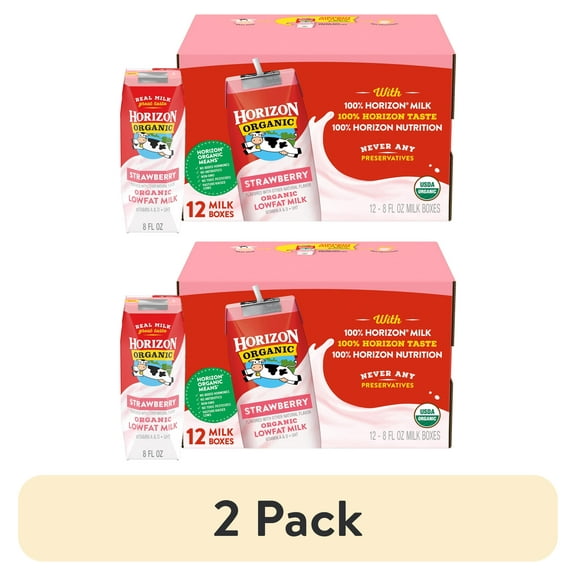
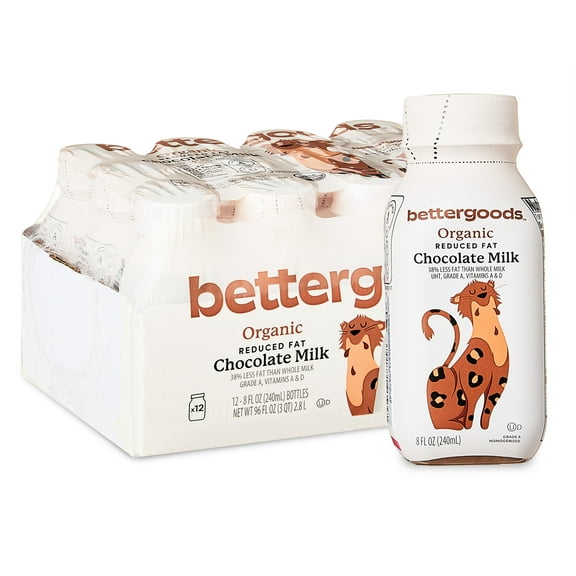
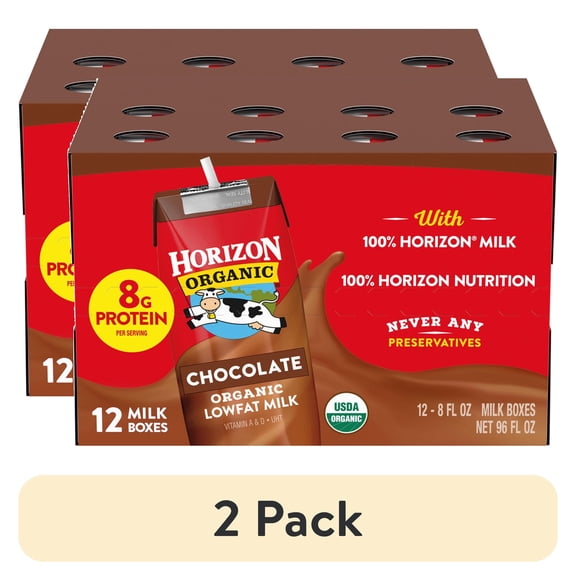
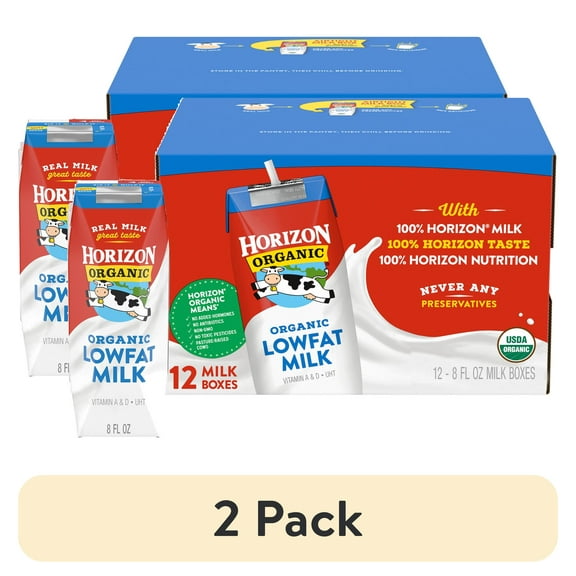
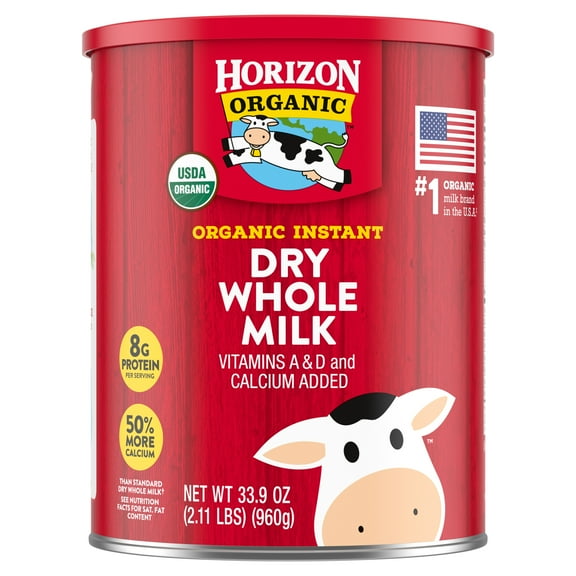
- You can review organic milk and conventional milk based on your shopping preferences.
Choosing fat content and milk type in milk
Fat content changes how your milk tastes and feels in daily use. You may notice whole milk feels fuller, while 2 percent milk balances richness with a lighter finish.
If you use milk in recipes, fat percentage can affect texture in sauces, puddings, and baked goods. Skim milk and 1 percent milk may work well when you want a lighter base.
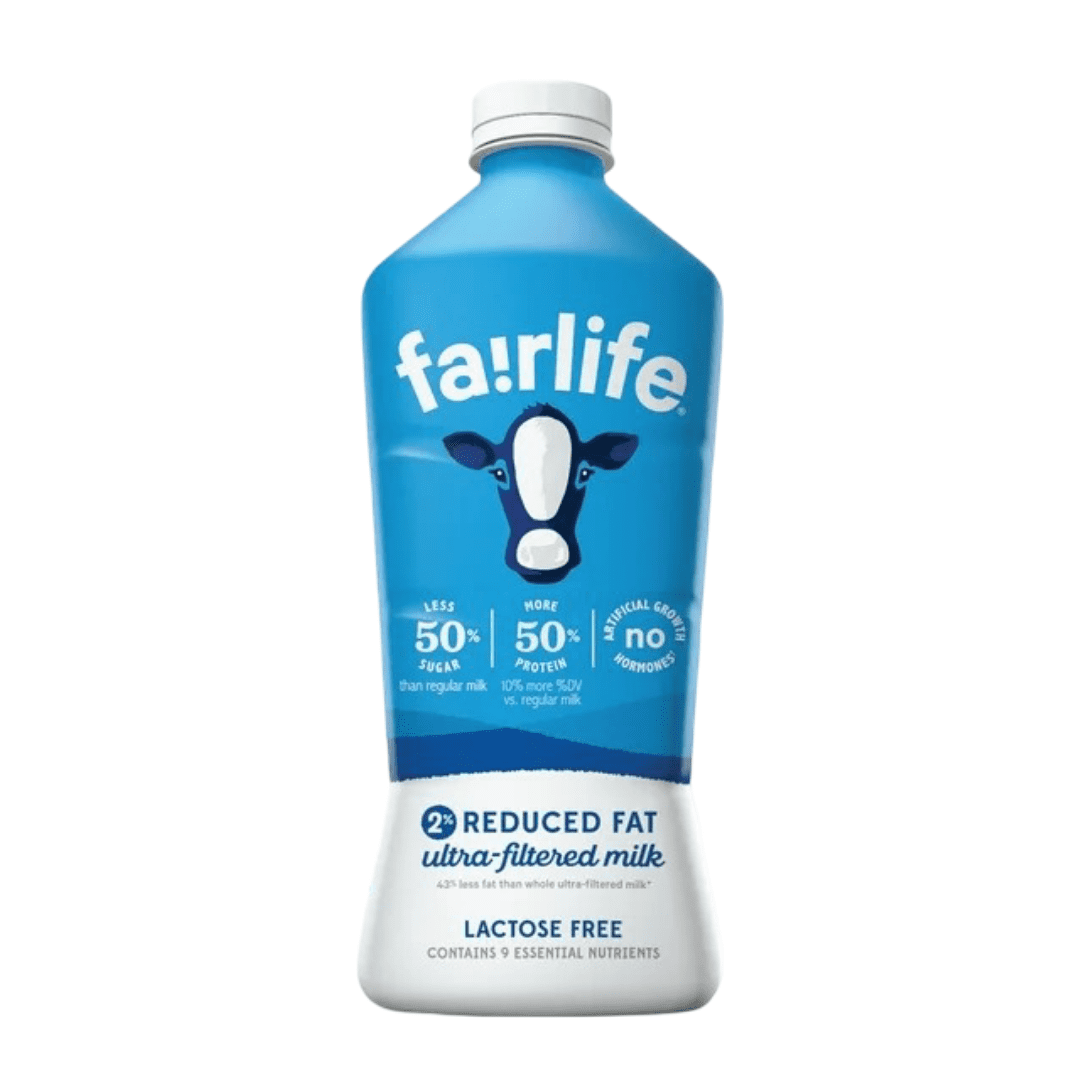
Milk type matters when your household has different dietary needs. You can keep dairy milk for familiar flavor, then add lactose free milk for a similar taste.
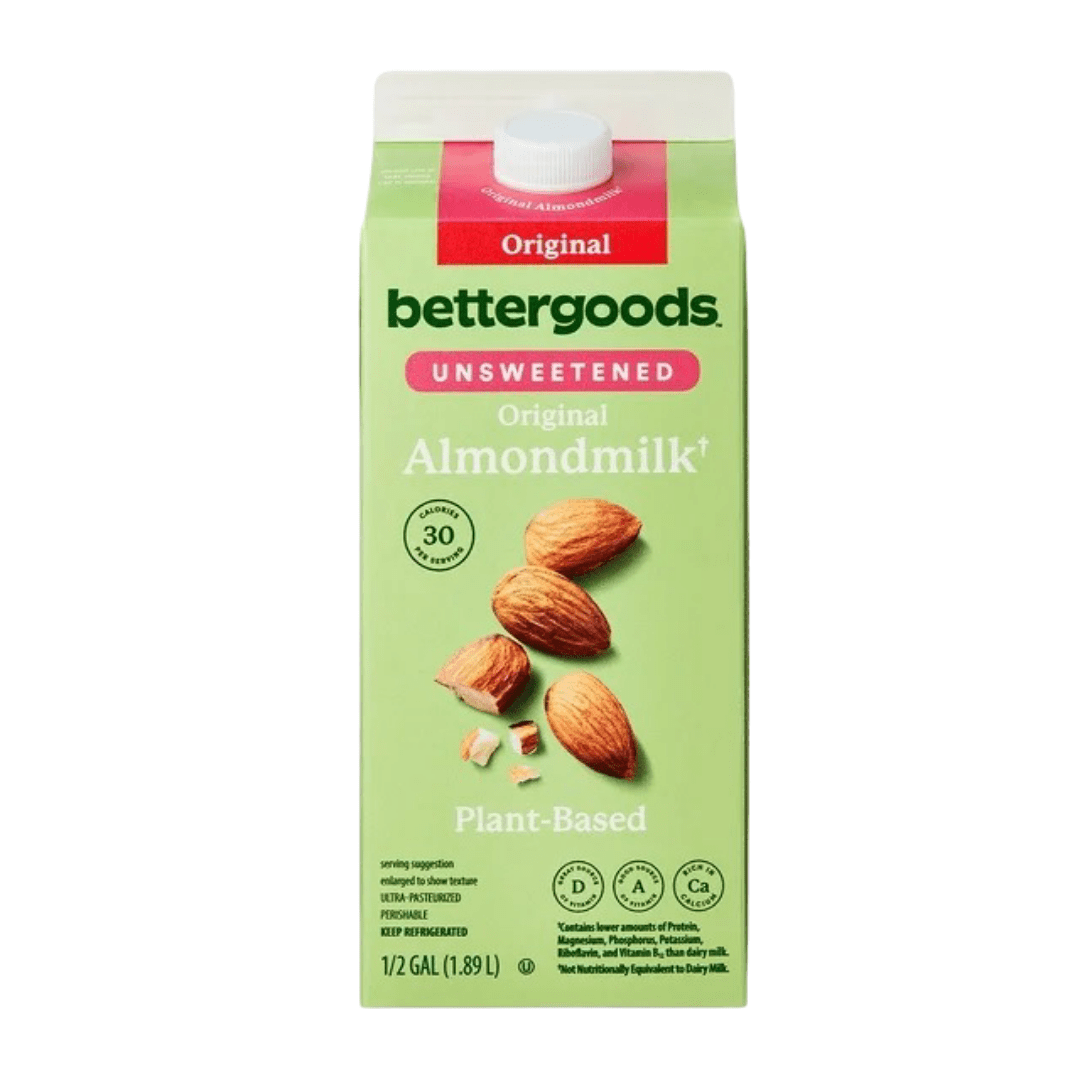
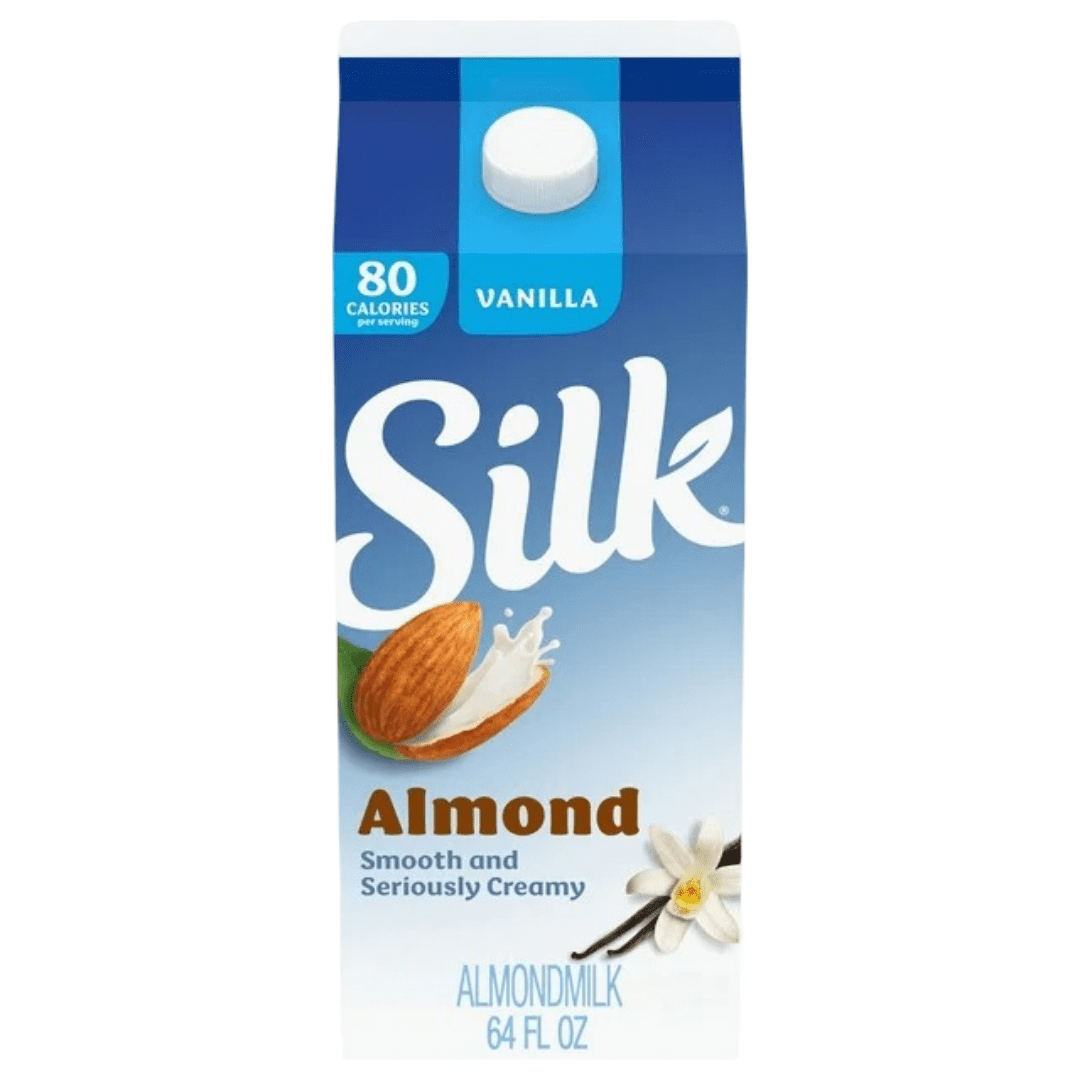
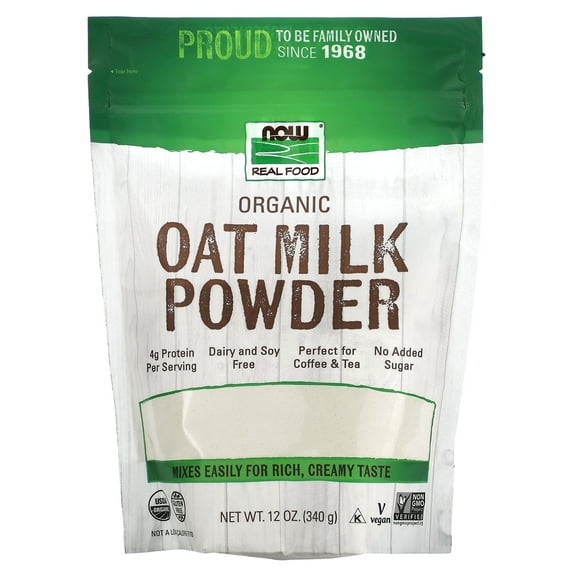
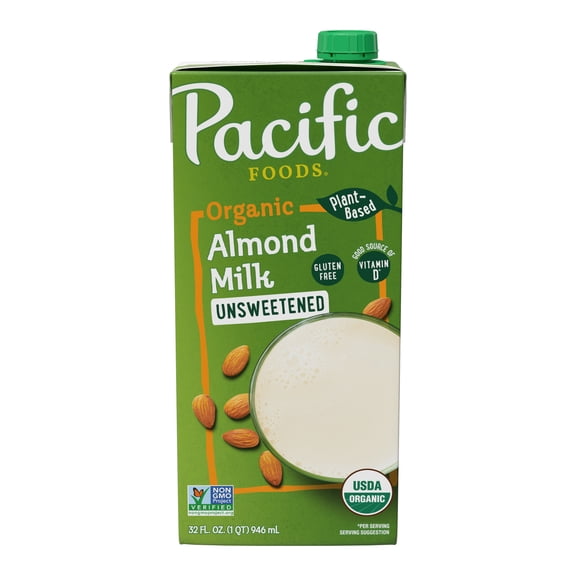
Plant-based choices help you cover more routines with one grocery order. You may prefer almond milk in smoothies, while oat milk may suit coffee drinks and creamy cereal bowls.
Comparing organic milk and package sizes
Organic status becomes important when your household wants a specific farming approach. You can compare organic milk and conventional milk while still checking fat content and package size.
Many shoppers want familiar formats across different milk types. You can often find whole milk, lower-fat choices, and lactose free milk in several container sizes.
Package size affects freshness, fridge space, and how fast your household finishes each carton. A gallon of milk may fit busy homes, while half gallon milk may suit smaller weekly use.
Single-serve and quart options can support lunch packing, portion control, or varied preferences at home. You can keep more flexibility without opening a larger container too early.
Using milk for meals, drinks, and pantry planning
Your routine can help you narrow the right milk format quickly. For breakfast, you may want a daily pour for cereal, oatmeal, or smoothies.
Coffee and tea habits can also guide your choice. You may want whole milk or oat milk for a creamier texture, while almond milk may fit lighter drinks.
Baking plans often make size and type more important. If your household cooks often, you can keep a gallon of milk ready for pancakes, sauces, and casseroles.
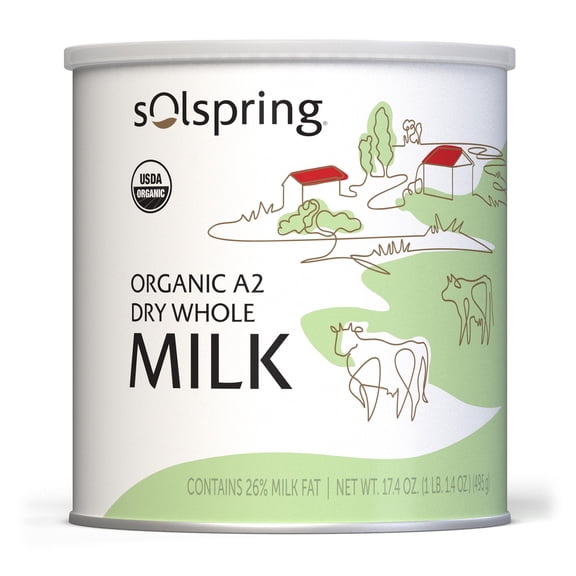
Storage style matters when you plan for both daily use and backup supply. You can check whether refrigerated or shelf-stable cartons fit your pantry and shopping schedule.
Mixed households may need more than one type at a time. You can pair dairy milk for cooking with lactose free milk or almond milk for individual preferences.
What to look for in milk
You should compare fat content, milk type, organic status, and package size before choosing. You can also check expiration dates and storage format to match your weekly habits.
These details help you narrow options without guessing at the shelf. You can find milk that fits your fridge, recipes, drinks, and family routine with less back-and-forth.