



Quaker State Oil


Find auto parts that fit
Let’s search for parts that fit your vehicle.*Required fields
Reliable performance
About Quaker State Oil - Walmart.com
Quaker State oil gives you a clear way to match your vehicle’s needs with the right formula, viscosity, and container size. You can compare full synthetic, high mileage, and conventional options in one place, so your maintenance plan stays simple.
If you’re replacing oil for daily driving, seasonal weather, or older engines, you’ll want details that support a confident choice. You can use this guide to compare Quaker State motor oil types, viscosity grades, and common fit considerations.
How to choose Quaker State oil by oil type
You should start with oil type because it shapes how your engine oil performs between changes. You can compare full synthetic, synthetic blend, high mileage, and conventional formulas based on your vehicle and driving routine.
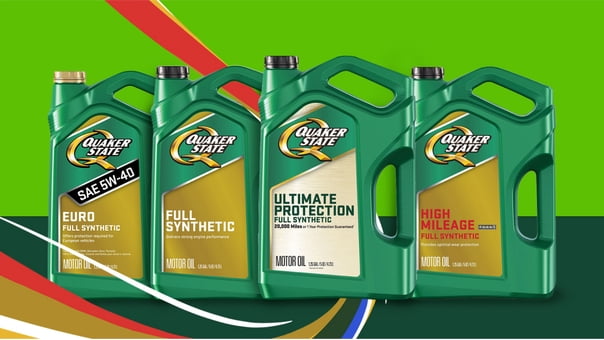
When you choose Quaker State synthetic oil, you’re usually looking for a formula that handles heat, stop-and-go traffic, and longer intervals smoothly. If you want a middle ground, you can compare synthetic blend options for mixed commuting and routine maintenance.
For older vehicles, you may prefer high mileage formulas when your engine has added wear from years of use. If your manual allows conventional oil, you can choose that format for straightforward maintenance on compatible engines.
- You can choose full synthetic when your vehicle calls for stronger heat performance and modern engine support.
- You can consider synthetic blend when you want a balance between synthetic content and everyday driving needs.
- You can look at high mileage oil when your vehicle has higher miles and you want a formula made for older engines.
- You can select conventional oil when your owner’s manual lists it as an approved option.
Choosing Quaker State motor oil by viscosity grade
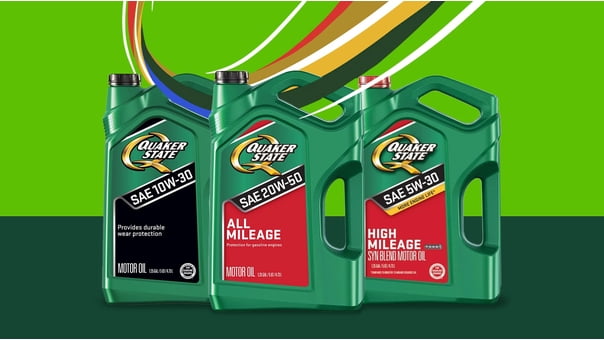
You should check viscosity before anything else because your owner’s manual lists the SAE grade your engine needs. You’ll commonly compare 5W-30, 10W-30, 0W-20, and 5W-20 when you narrow your options.
If you choose 0W-20, you’re usually matching vehicles designed for thinner oil flow at startup. When you compare 5W-30 or 10W-30, you’re often looking at engine design, climate, and manufacturer guidance.
You should treat the numbers as a fit detail, not a style preference, because the wrong grade can miss your vehicle’s requirements. You can use the labeled viscosity to quickly separate options that match your car, truck, or SUV.
What to look for in specifications and engine fit
You should also compare approvals and specifications because they help you match oil to warranty and manufacturer requirements. You may want to check API categories or dexos details if your manual lists those standards.
When you see Quaker State full synthetic oil with specific approvals, you can use that information to narrow your choice with less guesswork. If your vehicle needs a certain API or dexos specification, you should verify that label before checkout.
You can also compare by engine type, including gasoline engines, diesel applications, and older engines that call for high mileage formulas. Your manual remains the key guide, and you can use product labels to confirm compatibility details.
Matching Quaker State full synthetic oil and size to your routine
You should compare container size based on how you handle oil changes at home or in a shop. You’ll usually see one quart, five quarts, and bulk formats, and each size fits a different maintenance routine.
If you’re topping off between changes, you may want one quart bottles that are easy to store in your garage. When you’re doing a full oil change, you may prefer five quart containers for common fill amounts.
If you manage several vehicles or frequent service work, you can look at bulk options for larger-volume use. You should also compare the labeled oil type and viscosity with the size, so you don’t pick the right bottle count with the wrong formula.
Using Quaker State oil for everyday driving needs
You can match Quaker State oil to common driving situations instead of guessing from shelf names alone. If you commute daily, idle in traffic, or drive in changing temperatures, you’ll want to compare both formula and viscosity.
For newer vehicles, you may lean toward full synthetic options that align with modern engine requirements and manufacturer specs. For older vehicles, you may look for high mileage formulas paired with the viscosity listed in your manual.
If you maintain more than one vehicle, you can compare sizes and viscosities side by side to keep supplies organized. You can also pair your oil purchase with filters and DIY maintenance tools for a smoother service routine.
How Quaker State synthetic oil supports informed comparisons
You may also search for aceite quaker state, and you can use the same label details to compare formulas, grades, and sizes. The important step is checking that your selected oil matches the specifications printed in your owner’s manual.
When you compare quaker engine oil options this way, you can narrow choices faster and avoid mismatched grades. You’ll leave with a clearer pick for your engine, your mileage, and your maintenance schedule.
Quaker State oil makes it easier for you to compare synthetic, high mileage, and conventional choices with the fit details your vehicle requires. You can choose with more confidence when viscosity, specifications, and size all line up clearly.