


R134a AC Refrigerant & Recharge Kits
















About R134a AC Refrigerant & Recharge Kits - Walmart.com
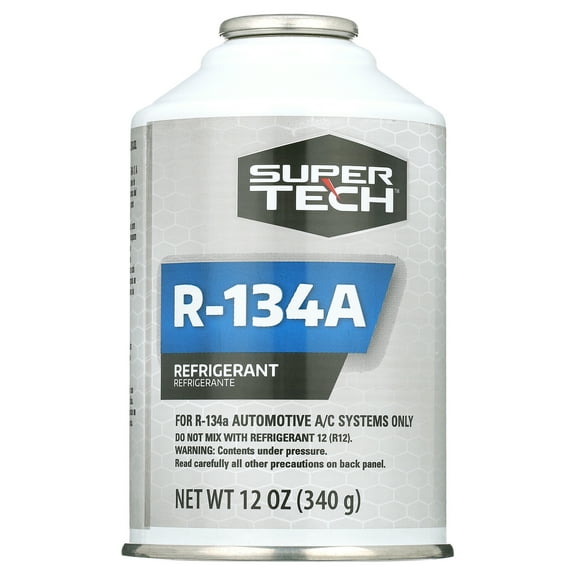
r134a refrigerant helps you restore colder cabin air in older vehicle A/C systems when you need the right can, kit, and valve match. You can use this page to compare recharge formats, pressure-reading options, and compatibility details that matter before you start.
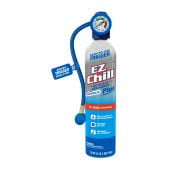
If your vehicle uses R134a, you’ll want choices built for DIY auto ac recharge tasks and routine seasonal maintenance. You can also compare self-sealing cans, puncture-style cans, and ac recharge kit options in one place.
How to choose r134a refrigerant
You should confirm your vehicle uses R134a before you choose any car ac refrigerant. You can usually check your underhood label, owner materials, or service information for the listed refrigerant type.
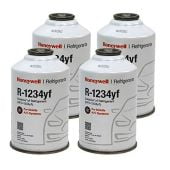
If your system calls for R1234yf or R12, you’ll need to keep shopping within that exact refrigerant family. You can avoid wasted time when you match the refrigerant type to your vehicle first.
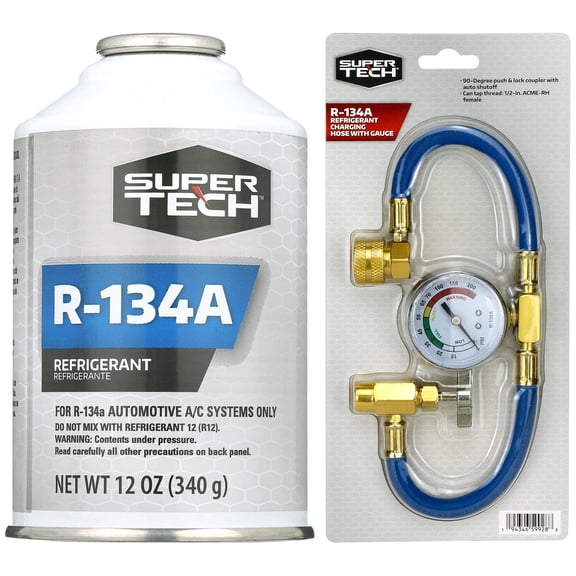
You’ll also want to decide whether you need only a refrigerant can or a complete ac recharge kit. If you don’t already own a hose and gauge, you may prefer a kit that helps you read pressure.
- You can choose a refrigerant can when you already have compatible charging equipment.
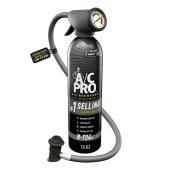
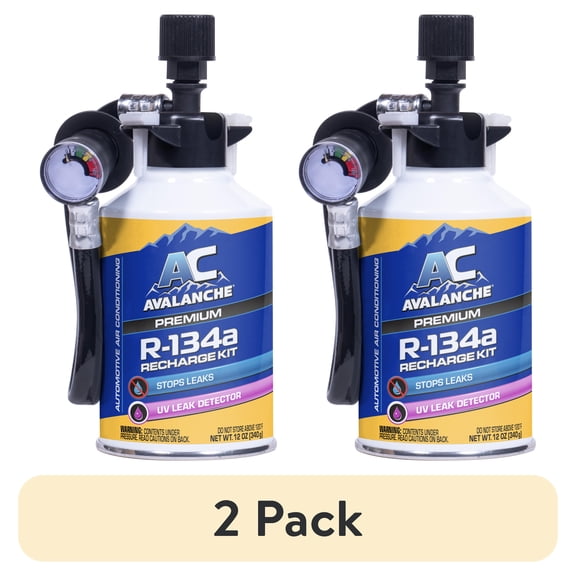
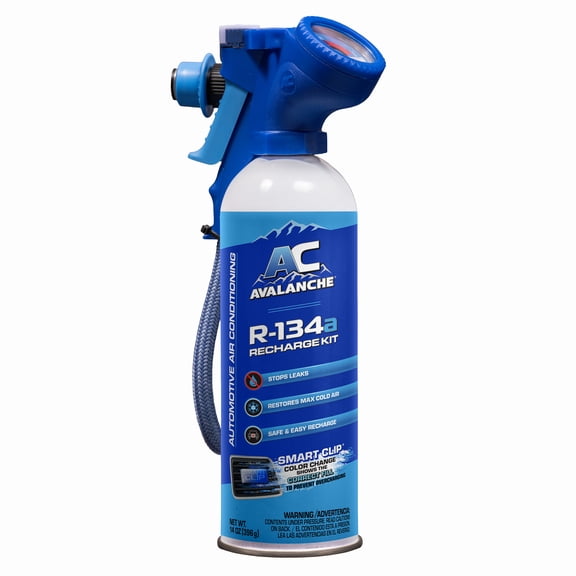
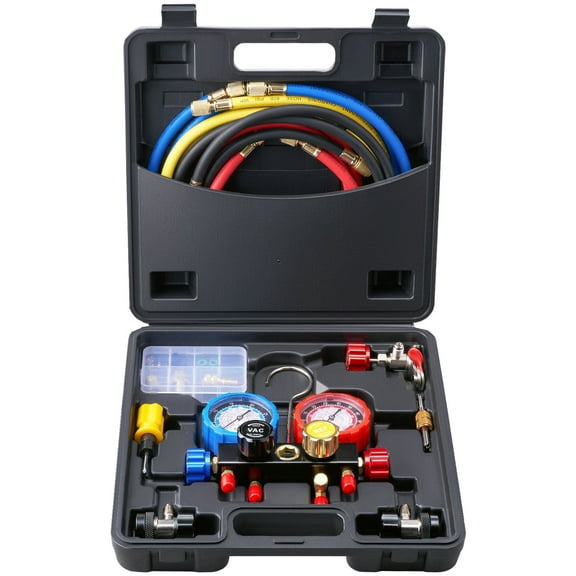
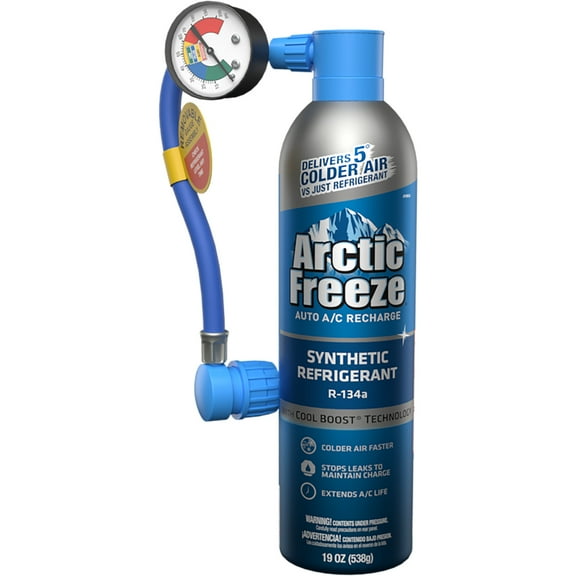
- You can choose an ac recharge kit when you want a hose, gauge, and charging connection together.
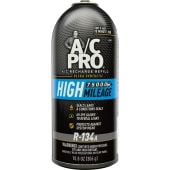
- You can compare standard cans and additive formulas based on your vehicle’s current A/C condition.
- You can narrow choices faster when you know your valve style and can size first.
Choosing product type and valve style
You’ll find several product types here, and each one fits a different starting point. You can pick a refrigerant can for simple refills, or you can choose a gauge and hose assembly for added setup support.
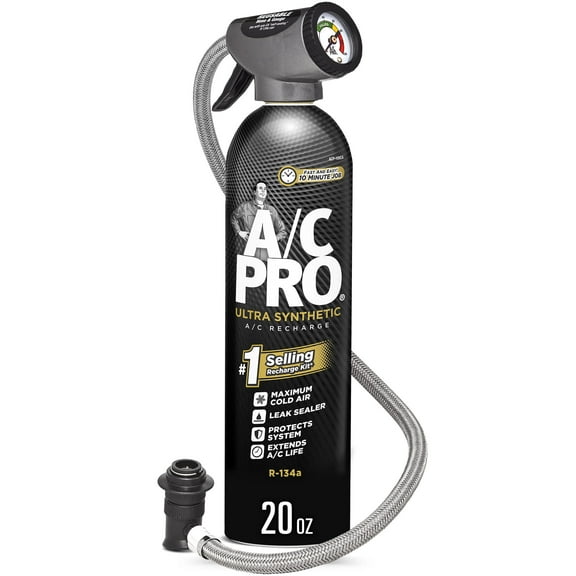
If you want a more guided r134a recharge, you may prefer a recharge kit with a built-in gauge. You can get clearer feedback during filling when you can monitor pressure as you work.
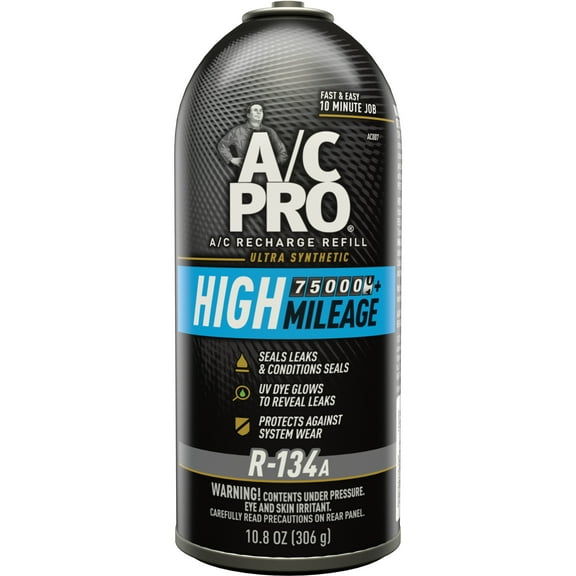
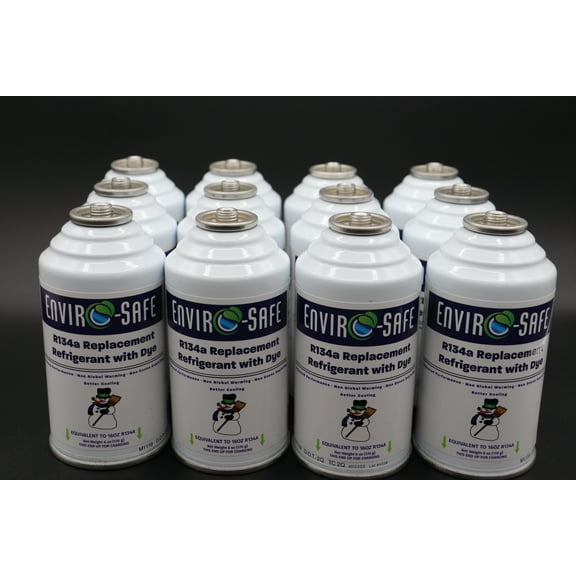
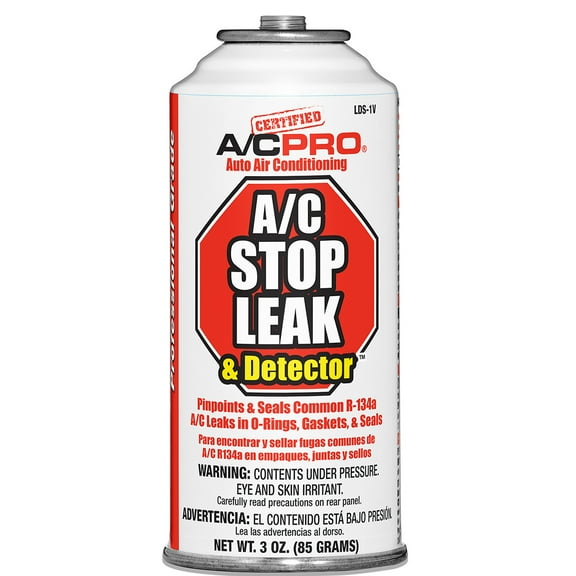
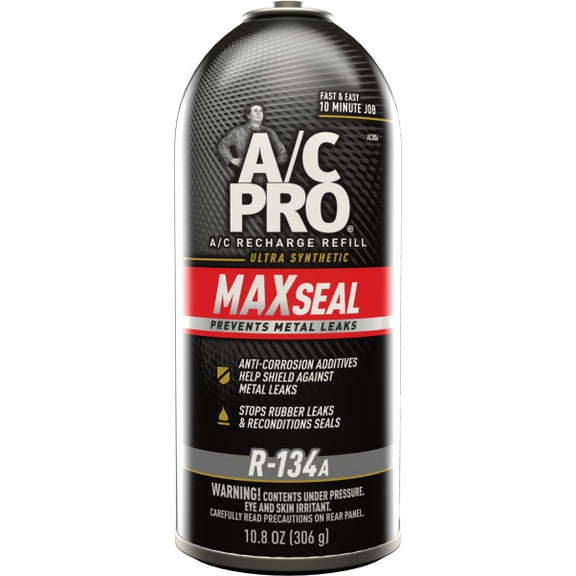
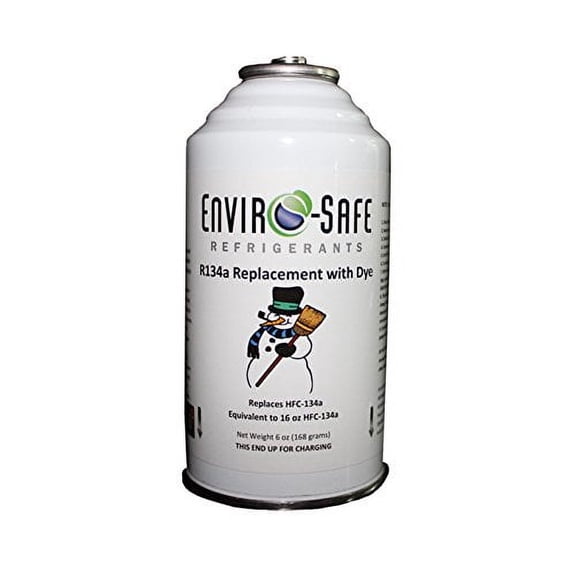
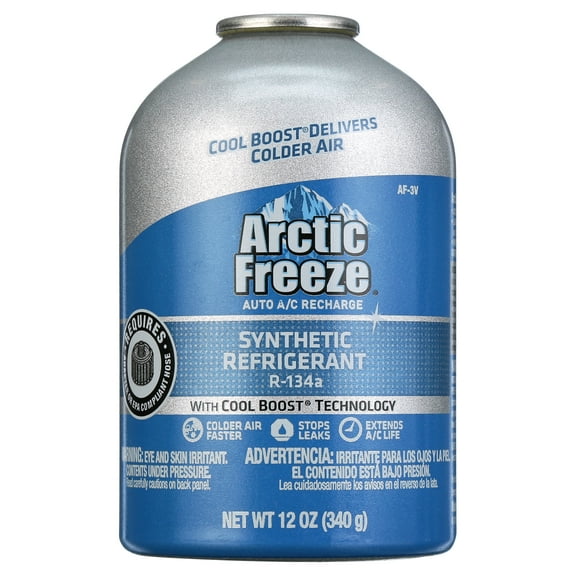
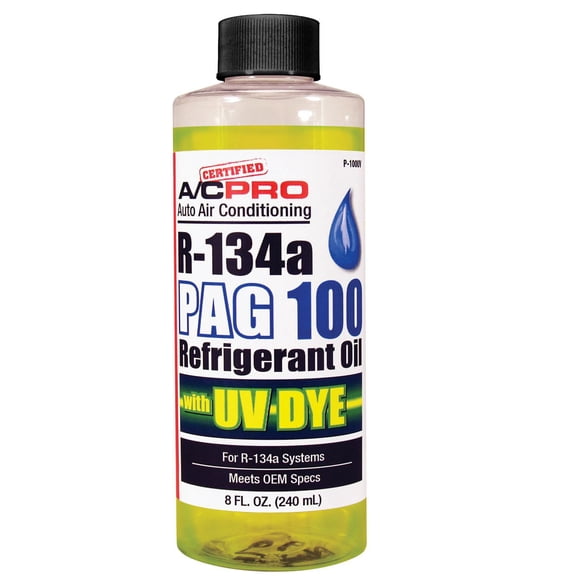
You may also see stop leak additive options and formulas with synthetic additives or UV dye. You can use these choices to match your maintenance approach and your diagnostic needs.
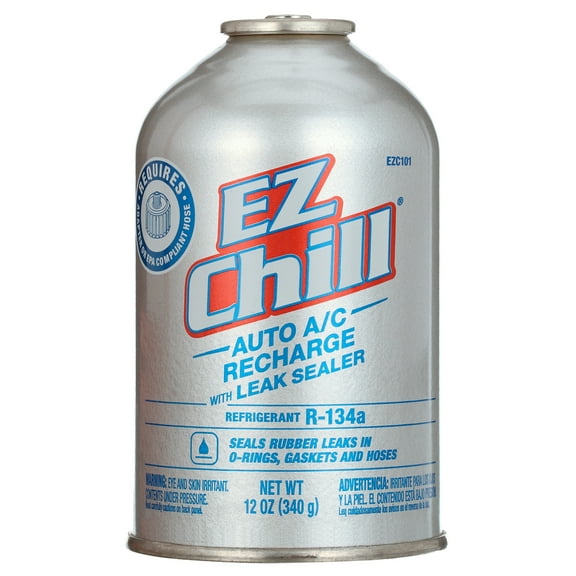
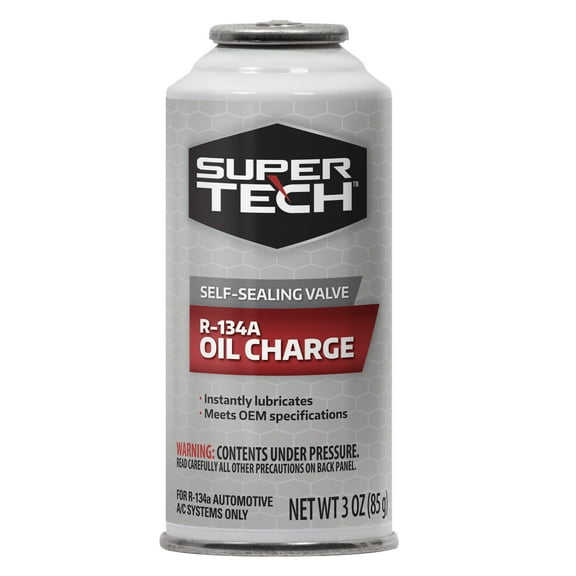
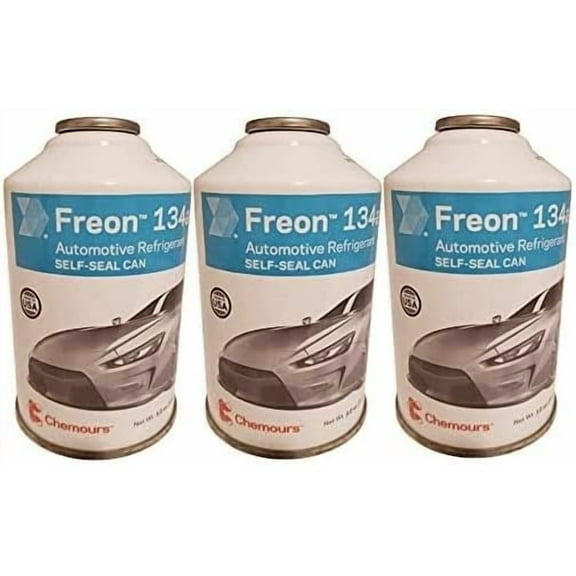
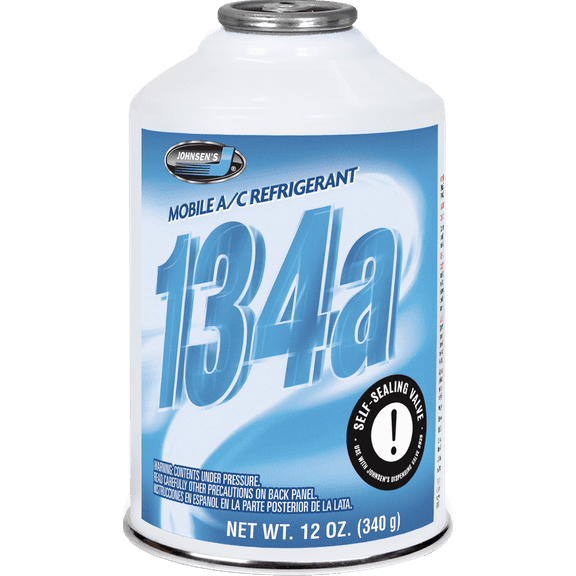
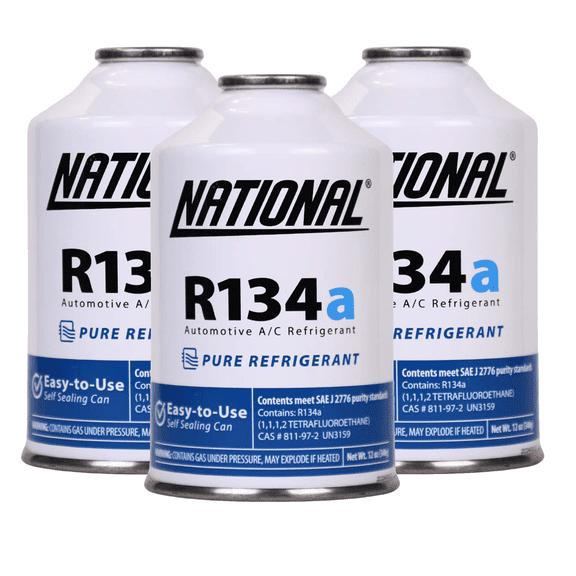
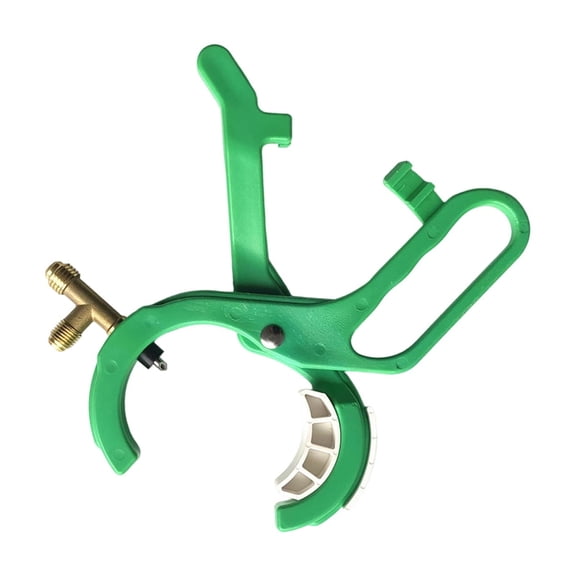
Self-sealing and puncture-style cans need special attention because your dispenser hose must match the can valve. You can avoid fit issues when you check whether your can and charging hose use the same valve style.
If you already own a hose, you should compare its connection before picking any r134a refrigerant can. You can keep your recharge process smoother when your equipment matches from the start.
Understanding size and formulation choices
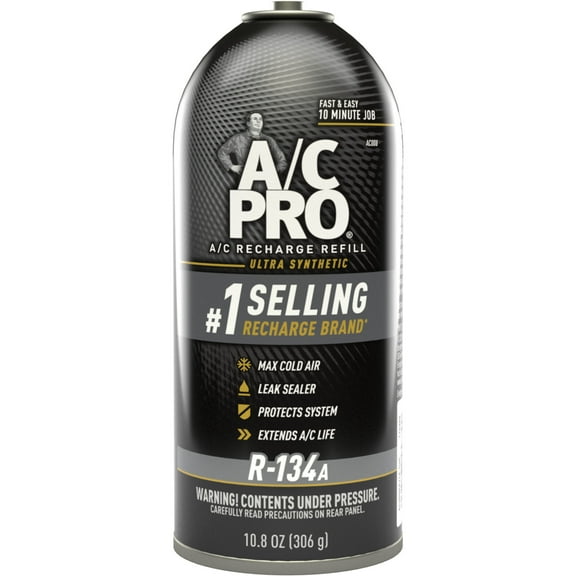
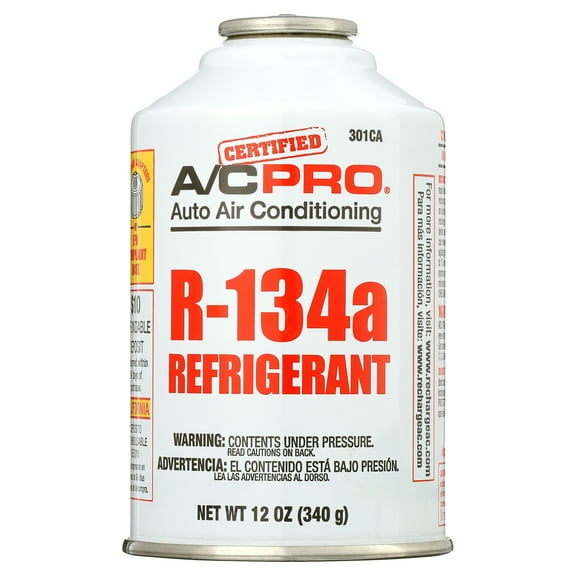
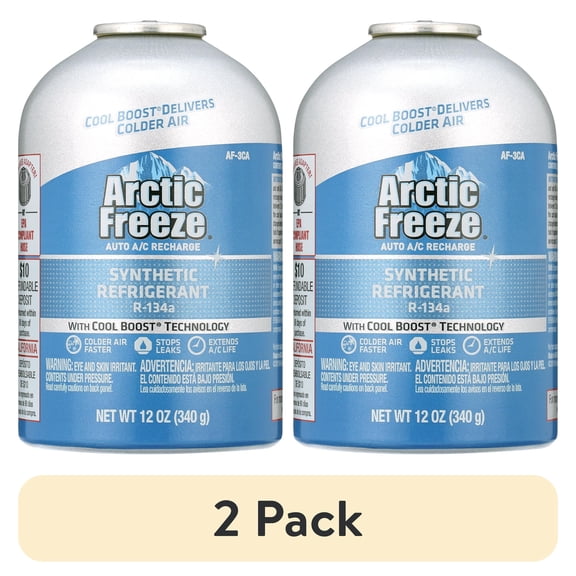
You’ll often compare 12 oz, 14 oz, 18 oz, and 22 oz options while choosing car refrigerant. You can use the listed size to match your refill plan, your vehicle needs, and your preferred handling.
Smaller cans may suit quick top-off jobs when you need controlled filling. Larger cans may suit bigger recharge tasks when you want fewer can changes during the process.
Standard R134a works well when you want the core refrigerant format without added extras. You can choose that option when you already know your system doesn’t need dye or other additives.
Formulas with UV dye can help you identify where refrigerant may be escaping during inspection. You can choose that format when you want added visibility while checking fittings and lines.
Options with leak sealer may appeal when you want a temporary step before a full repair. You should still view that approach as a short-term measure while you plan the proper parts replacement.
Synthetic additive formulas may help you compare all-in-one maintenance options on this page. You can review each label closely so you know exactly what the can includes before charging.
Using r134a refrigerant for common DIY scenarios
You may want an r134a recharge before warm-weather driving, especially if your cabin air has lost its colder feel. You can start by confirming compatibility, then choose a can or kit that matches your equipment.
If you’re handling your first auto ac recharge, you may prefer an ac recharge kit with a pressure gauge. You can follow gauge readings more confidently than guessing how much car ac refrigerant to add.
When you already own a charging hose, you may only need an r134a refrigerant can in the right valve style. You can keep your process simpler when you buy only the format your setup requires.
If you suspect a small leak, you may compare standard refrigerant with UV dye or leak sealer formulas. You can choose based on whether you want easier inspection help or a temporary sealing approach.
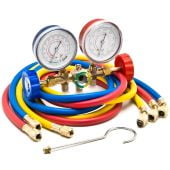
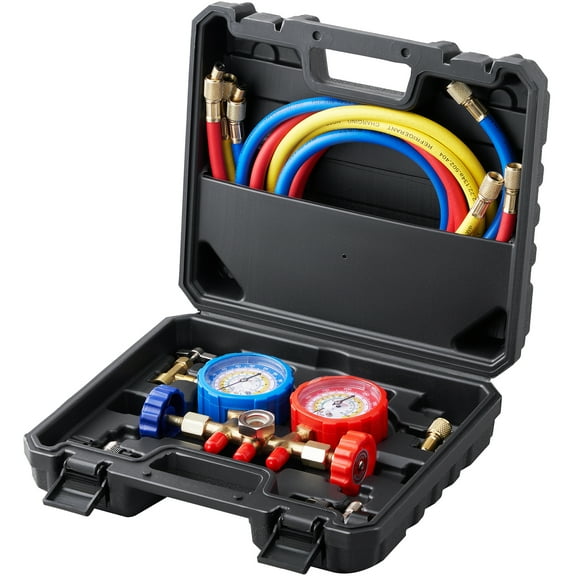
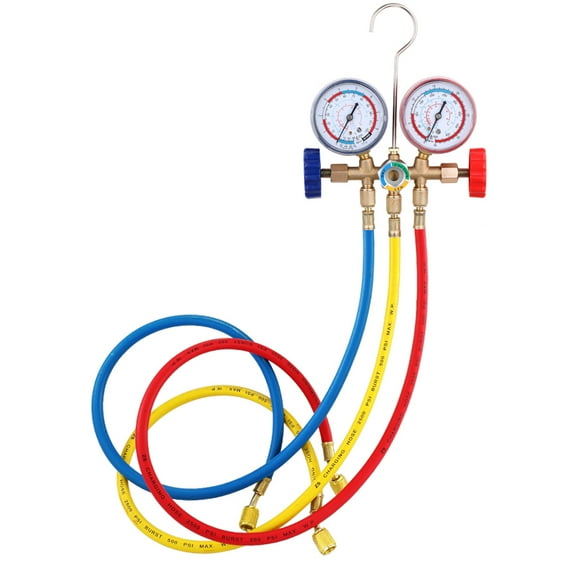
You might also pair your purchase with related A/C tools and maintenance items for a more complete setup. You can compare manifold gauge sets, cabin air filters, and recharge accessories as part of the same project.
Before you begin, you should measure carefully and check whether your system capacity calls for a partial refill. You can avoid overfilling when you read labels, gauge ranges, and vehicle specifications closely.
What to look for before you recharge
You should check system compatibility, product type, can valve style, and formulation before choosing any car ac refrigerant. You can make a faster, cleaner decision when those four details are clear first.
With the right r134a refrigerant setup, you can handle seasonal A/C maintenance with fewer equipment mismatches and clearer charging steps. You can finish with a setup that fits your vehicle and your DIY routine.