

Salad Plates: Sets of 6 & 8 in Ceramic & Glass | Walmart



































About Salad Plates: Sets of 6 & 8 in Ceramic & Glass | Walmart - Walmart.com
Salad plates help you serve greens, fruit, and desserts with the right scale for everyday meals and special gatherings. You can compare sizes, materials, and set options here, so your table feels coordinated without oversized dinnerware.
How to choose salad plates by material
When you compare salad plates, material shapes how you use them and how they feel in your hand. You can narrow your options faster by matching ceramic, porcelain, melamine, stoneware, or glass to your routine.
If you want a classic table setting, you may prefer ceramic salad plates or porcelain styles with a clean finish. You can use them for salads, dessert plates, and appetizers when you want a polished look.
When you want a weightier feel, you may lean toward stoneware salad plates with a rustic or handmade look. You can pair them with casual dinners, layered place settings, and textured table linens.
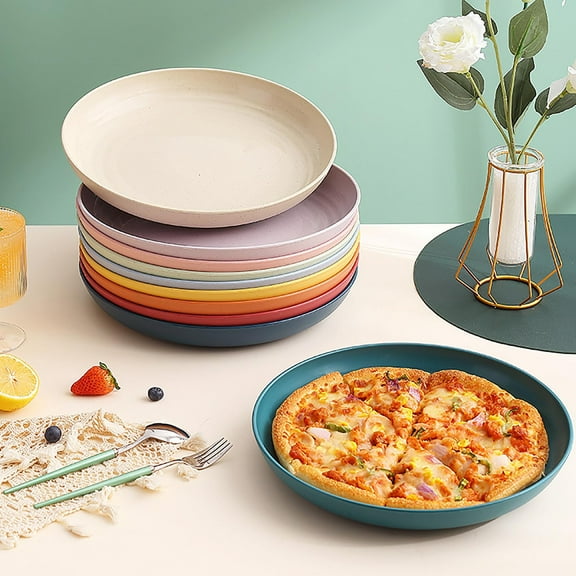
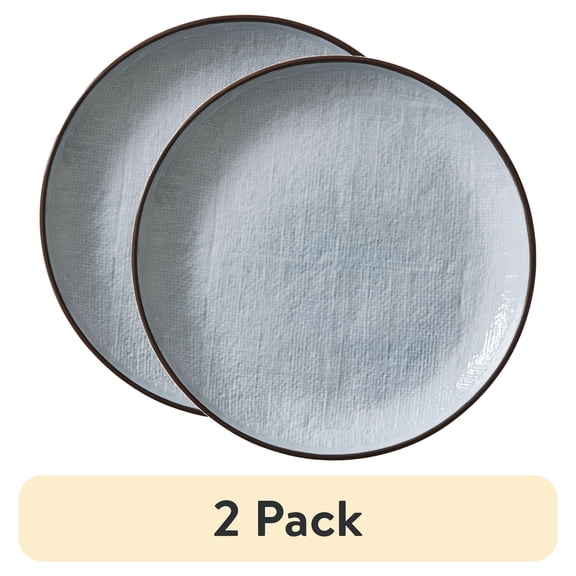
If you host outside or serve meals around kids, you may consider melamine salad plates for lighter handling. You can move them from patio table to picnic spread with less concern over delicate materials.
Glass options give you a crisp, bright presentation that lets colorful food stand out. You can use clear or tinted styles when you want your greens, cakes, or fruit visually front and center.
You should also check whether your preferred material fits your cleaning routine and reheating habits. You may look for microwave-safe and dishwasher-safe options when convenience matters during busy weekdays.
Choosing the right size and rim for small salad plates
Size matters because salad plates usually sit between appetizer pieces and full dinner plates in your cabinet. You can often compare small salad plates in seven inch, eight inch, and nine inch diameters.
If you serve side salads or a slice of cake, you may find seven inch plates easier to plate neatly. You can also use them for snacks, toast, or breakfast pastries.
An eight inch size gives you extra room without taking over your place setting. You can use it for lunch portions, layered salads, or desserts with toppings and sauces.
If you want added versatility, you may choose nine inch styles that bridge the gap toward dinnerware. You can plate sandwiches, generous salads, or brunch servings while keeping a lighter table look.
You should also compare rim shape because it changes how food sits on the plate. You may prefer a raised rim when you want better food containment for dressed greens, berries, or pastries with glaze.
- You can use seven inch plates for desserts, bread, and small sides.
- You can pick eight inch plates for everyday salads and light lunches.
- You can choose nine inch plates when you want more plating space.
- You can look for raised rims if you serve foods with dressing or toppings.
Comparing salad plate set options for your household
Set size affects storage, place settings, and how often you run the dishwasher after meals. You can choose an individual plate, a set of four, a set of six, or a set of eight.
If you’re replacing a broken piece or mixing styles, an individual plate may fit your needs. You can build a custom look or add a few extras for desserts and appetizers.
A salad plate set of four works well when you serve small households or want a compact starter collection. You can keep enough plates on hand for daily meals without filling every shelf.
When you host often, a set of six or set of eight gives you more flexibility across weekdays and gatherings. You can plate salads, desserts, and starters without washing between every course.
You may also compare matching sets with bowls, mugs, or dinner plates if you want a coordinated table. You can create a consistent look that moves easily from everyday dinners to holiday meals.
Picking a design style that fits your table
Design style changes how your place setting feels before food even reaches the table. You can choose modern, rustic, classic white, or patterned looks based on your dining space.
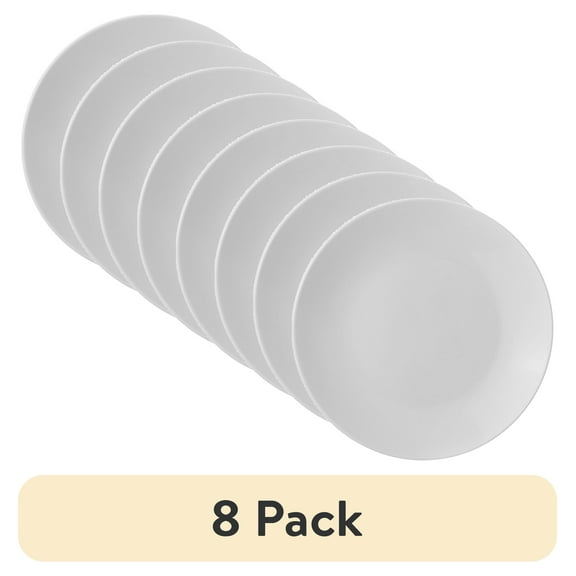
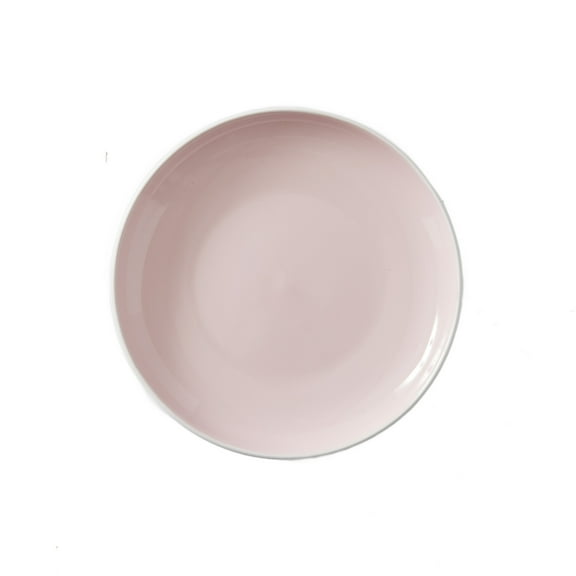
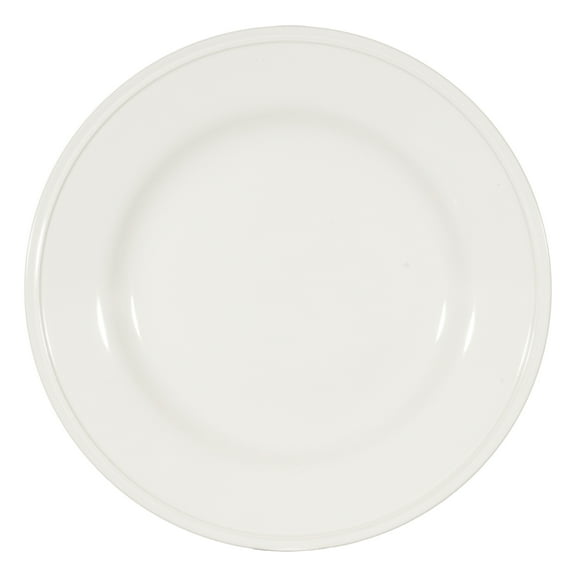
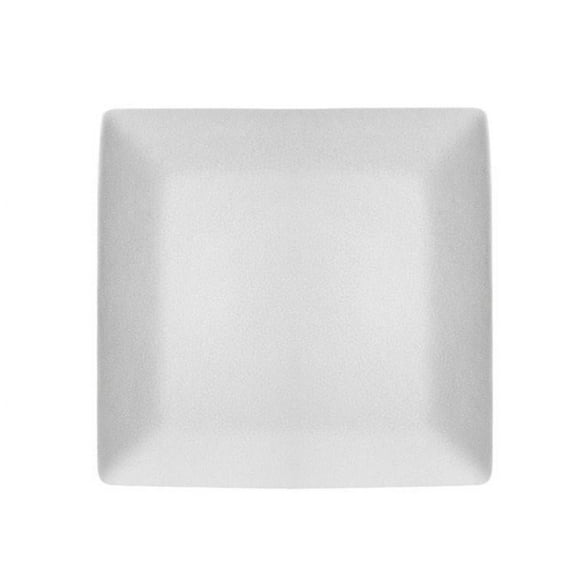
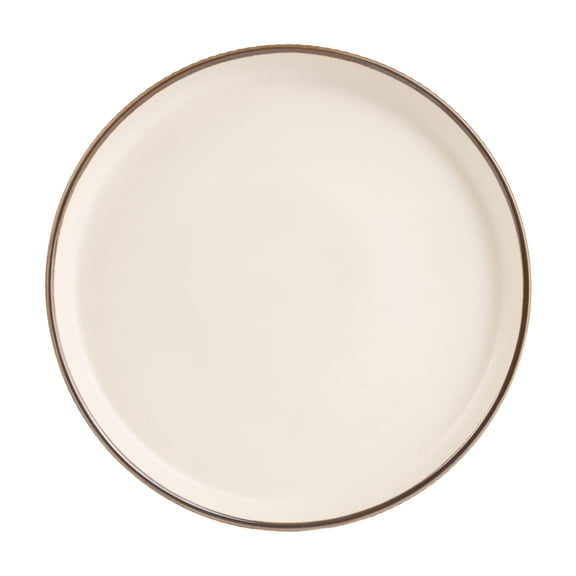
If you like a clean, flexible setup, white salad plates give you an easy match with existing dinnerware. You can dress them up for guests or keep them simple for everyday lunches.
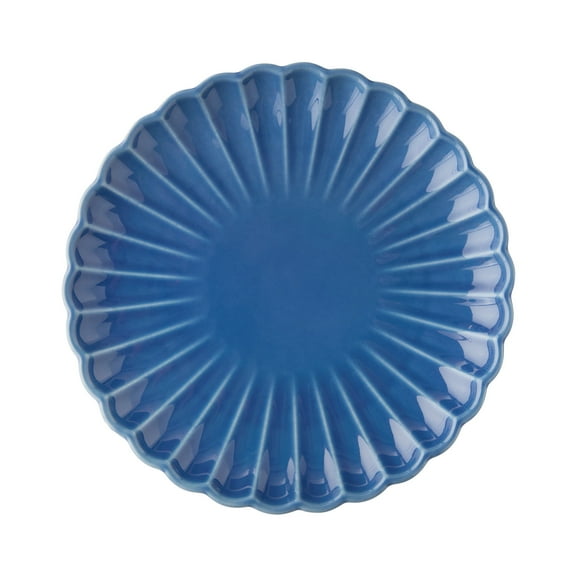
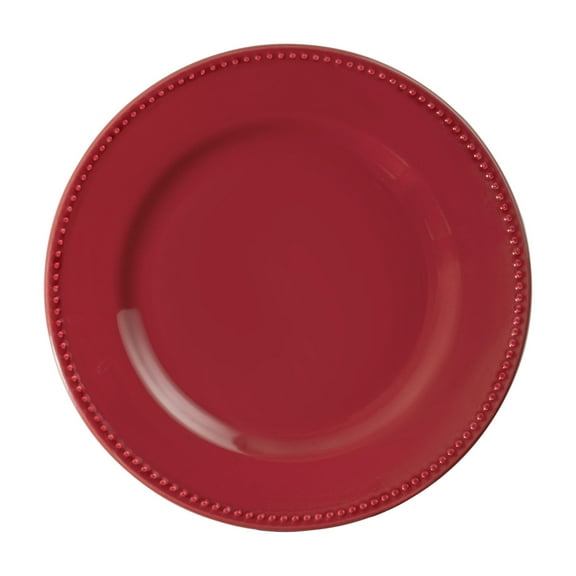
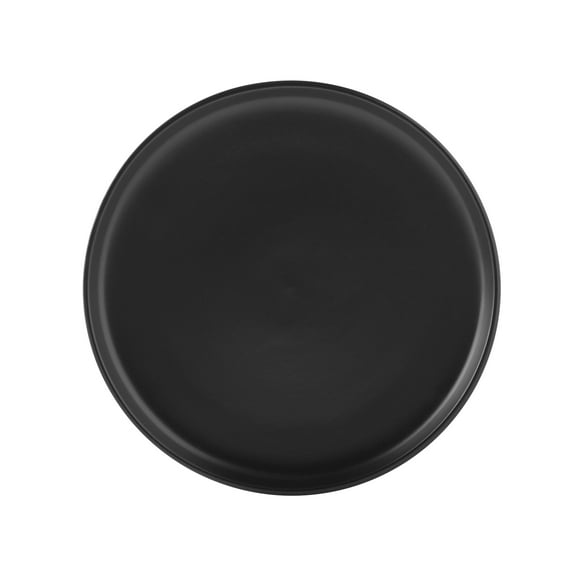
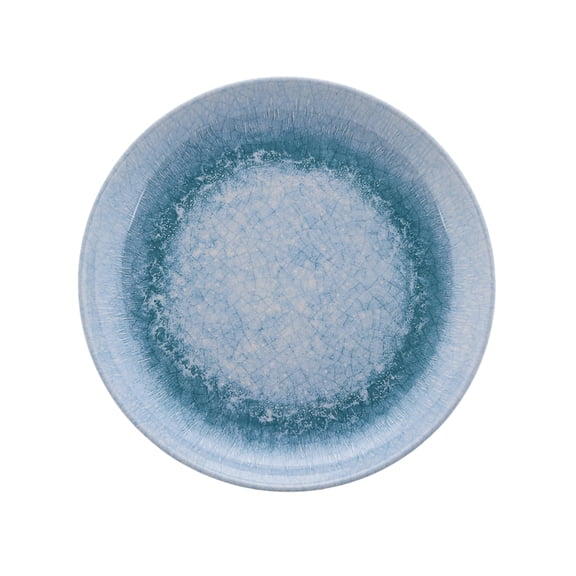
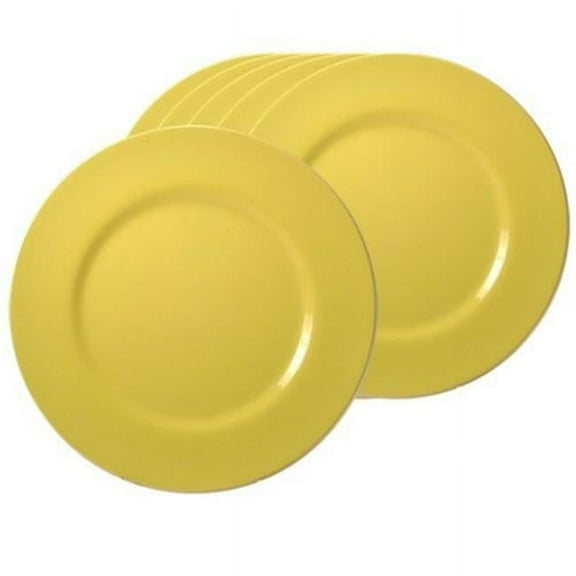
Modern styles often feature smooth lines, soft curves, or bold color blocking for a streamlined table. You can use them when you want your dishes to feel current without overwhelming the meal.
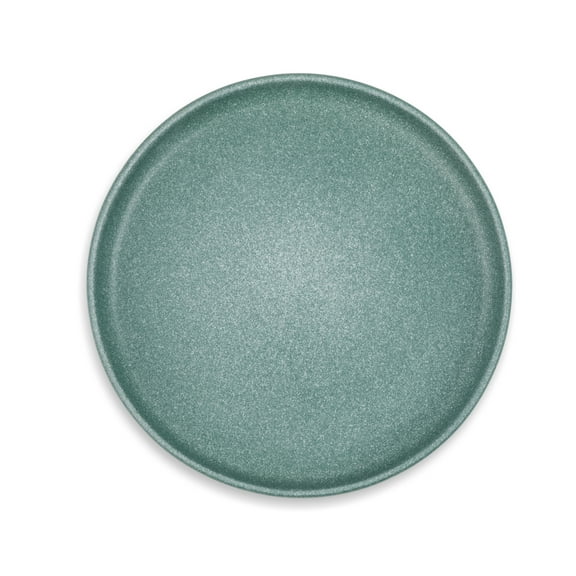
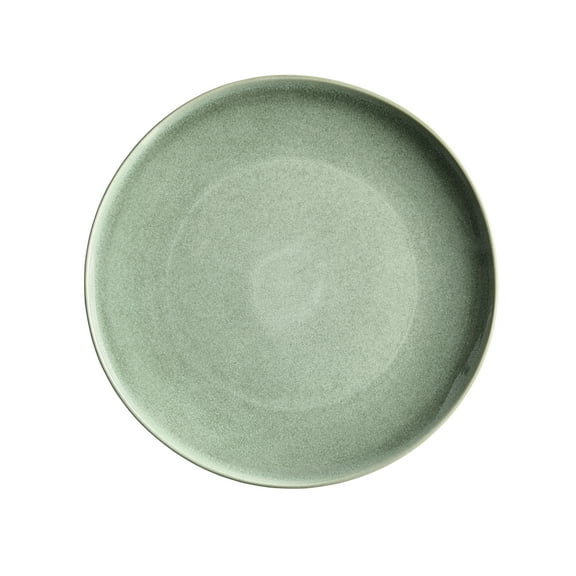
Rustic finishes bring texture, speckled glazes, and earthy tones that feel relaxed and grounded. You can pair them with stoneware bowls, wood serving pieces, and casual family dinners.
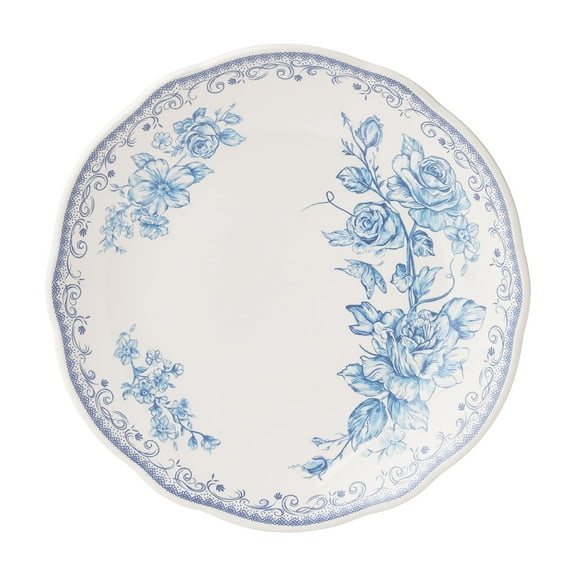
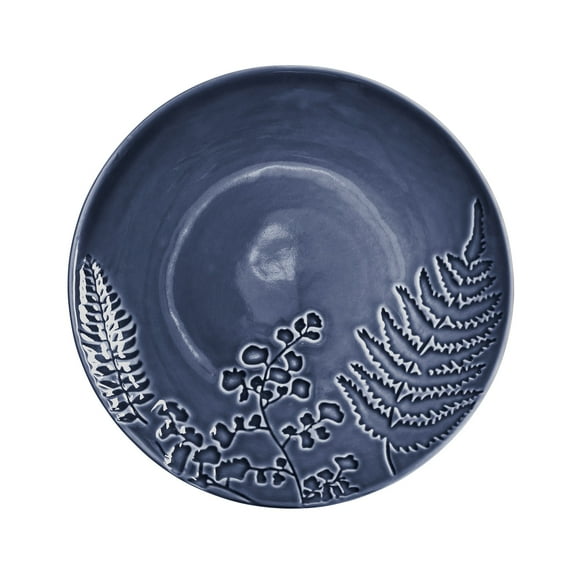
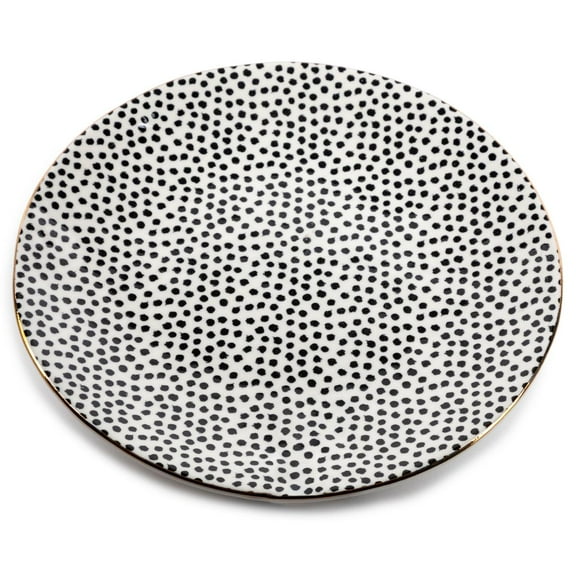
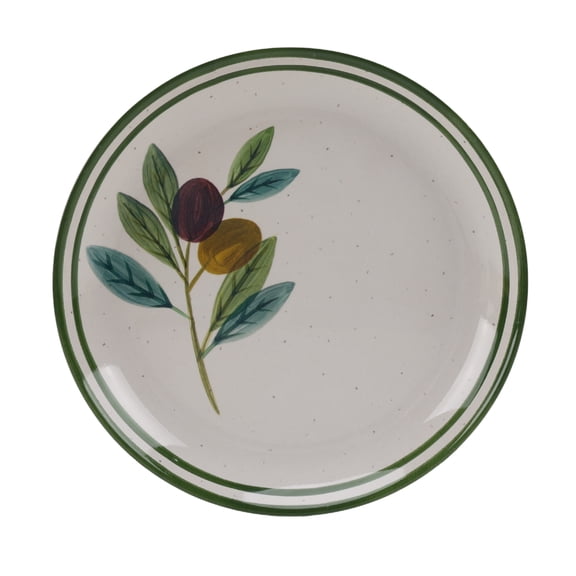
Patterned styles add personality when you want your table to feel layered and expressive. You can mix florals, stripes, or seasonal motifs with solid pieces for a balanced setting.
Using salad plates for everyday meals and entertaining
You can use salad plates far beyond leafy salads, which makes them a practical part of your kitchen. You may reach for them when you serve desserts, appetizers, sandwiches, or breakfast portions.
For weekday meals, you can plate fruit, toast, and eggs on a small plate that feels easier to handle. You can also use one beside a larger plate for bread or a side salad.
During parties, you can set out dessert plates for cake, cookies, or tasting portions. You can keep guests moving comfortably when plates stay compact and easy to hold.
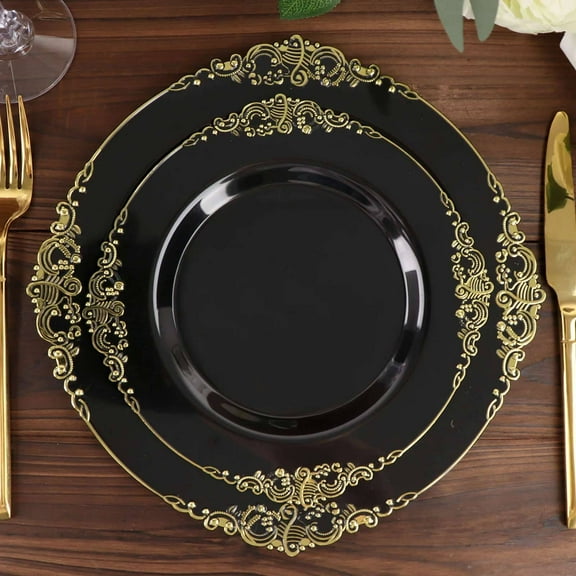
If you build layered place settings, you can place salad plates over dinner plates for a finished tablescape. You can create depth with classic white pieces or add contrast through color and pattern.
When you dine outdoors, you may choose melamine styles that feel lighter for patios and gatherings. You can keep your setup cohesive while still matching the season and your serving pieces.
You can maximize your salad plates when you match material, size, set size, and style to your routine. You can create a table that handles daily meals, desserts, and entertaining with the right fit.