



Sand Toys in Sandboxes & Water Tables










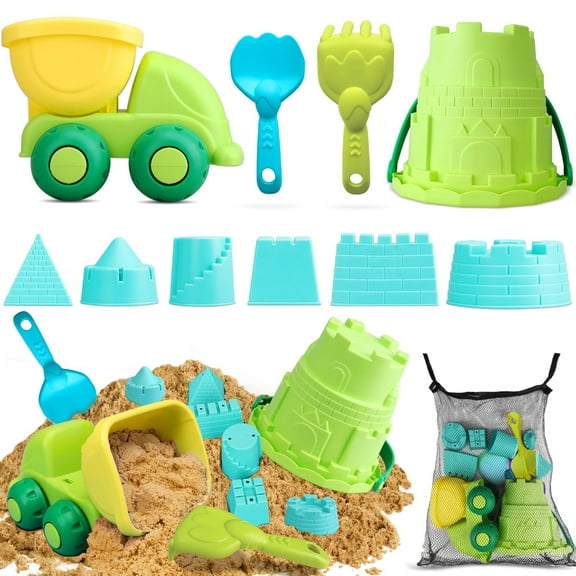


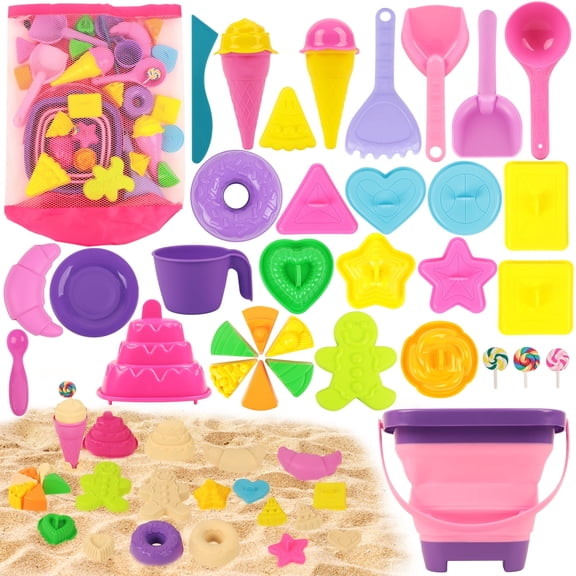

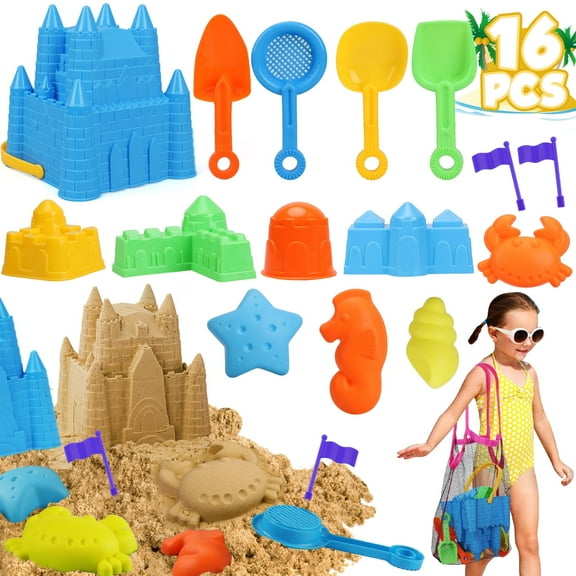
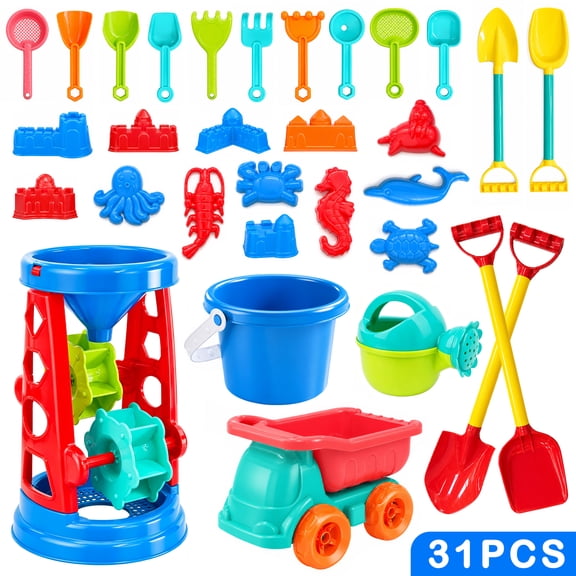






About Sand Toys in Sandboxes & Water Tables - Walmart.com
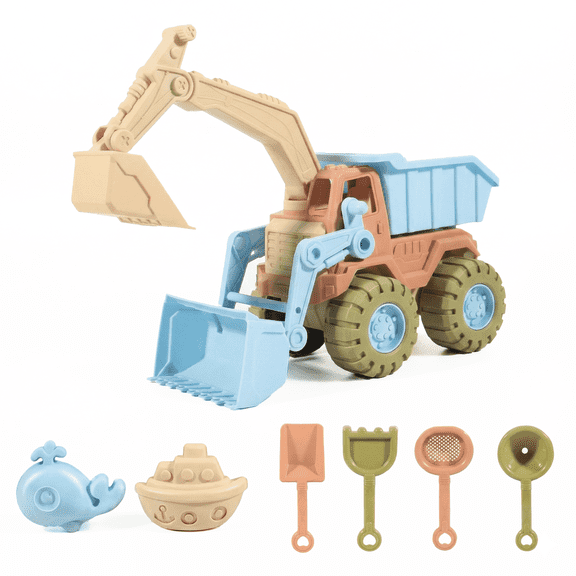
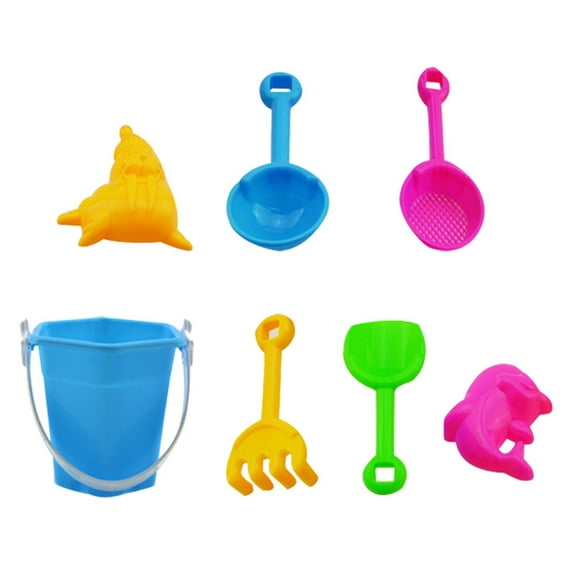
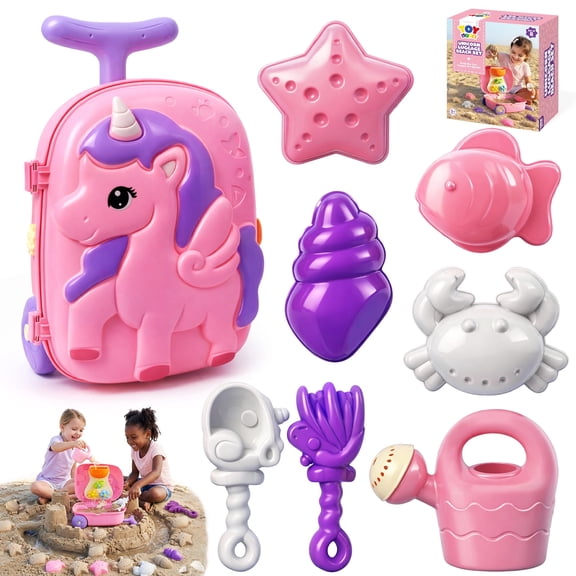
Sand toys help you turn beach days, sandbox time, and backyard play into hands-on fun. You can compare age range, materials, and set pieces for play that fits your routine.
Because this category spans beach trips, backyard bins, and water tables, you’ll want choices built for more than one setting. You’ll also notice that storage details, like mesh bags and stackable parts, can shape daily convenience.
How to choose sand toys for your child
When you shop this category, your first decision is usually age range. Younger kids need simple shapes and easy-grip handles, while older kids enjoy more detailed molds and moving parts.
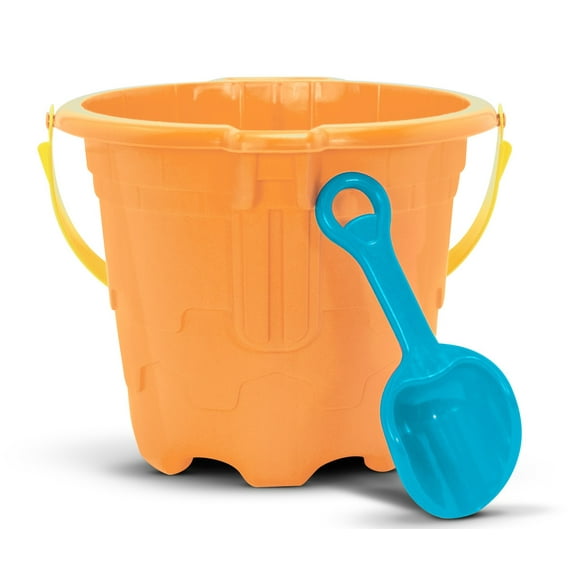
For toddlers 1-3, you’ll want larger pieces that feel easy to hold and simple to fill. Chunky buckets, rounded shovels, and basic molds support early scooping and pouring.
Preschoolers often like more steps in each activity, so your set can include sifters, rakes, and character molds. By ages four through eight, your child may enjoy sand wheels, multi-shape molds, and larger buckets for bigger builds.
- You can match simple buckets and shovels to early sand play.
- You can choose molds and sifters when your child enjoys shape-making.
- You can add sand wheels for pouring action and longer outdoor play.
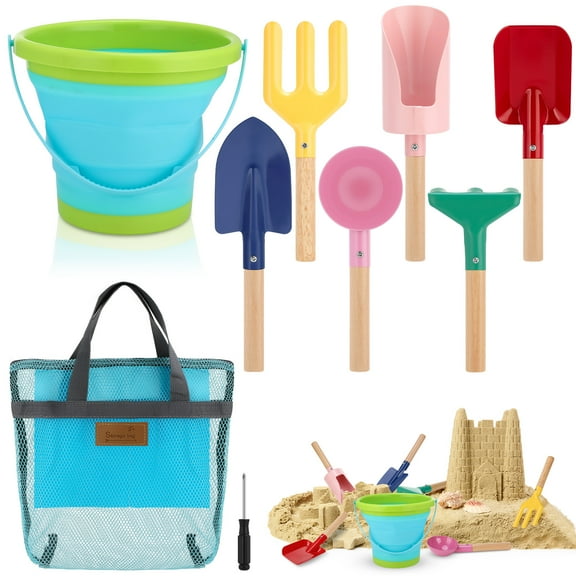
- You can look for mesh bags when your cleanup routine needs less loose sand.
Set variety matters because your child may switch from digging to shaping in the same play session. A balanced mix of buckets, molds, and scoops gives your family more ways to use one set.
What to look for in beach toys for kids
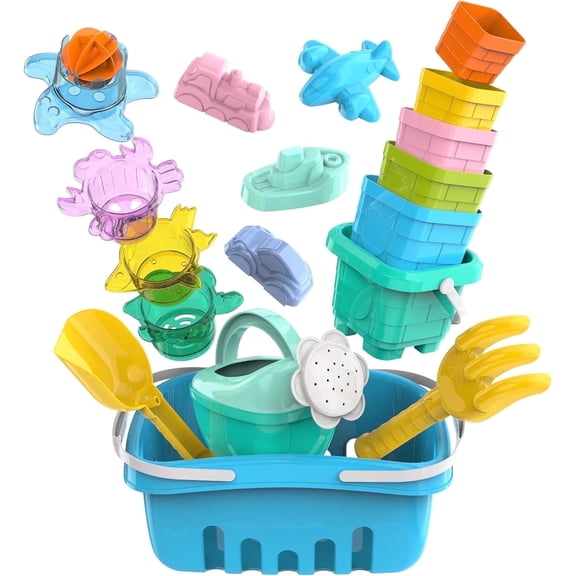
Beach toys for kids work well when your set travels easily and rinses clean after shoreline play. Lightweight pieces, nested shapes, and mesh storage can make your packing routine smoother.
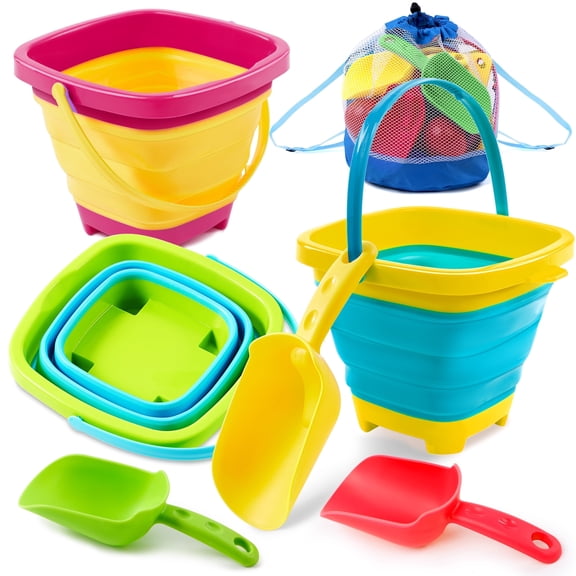
At the beach, your family usually carries towels, snacks, and extra clothes, so bulky pieces can feel awkward fast. That’s why you may prefer travel beach toys with stackable buckets or collapsible parts.
Mesh bags are especially useful because you can shake out loose sand before loading the car. You’ll also find that open-weave storage helps pieces dry between outings.
Summer beach toys often need to handle both dry digging and wet shoreline play. If your child likes moving water, pouring cups and sand wheels can keep play active longer.
Comparing materials for everyday play
Material is one of your biggest decisions because it affects feel, durability, and storage. You can compare plastic, silicone, BPA-free plastic, and recycled plastic based on how your family plays.
Plastic sand toys often give you firm walls and crisp mold edges for castles, roads, and tunnels. Thicker, crack-resistant plastic can feel steadier when your child packs wet sand tightly.
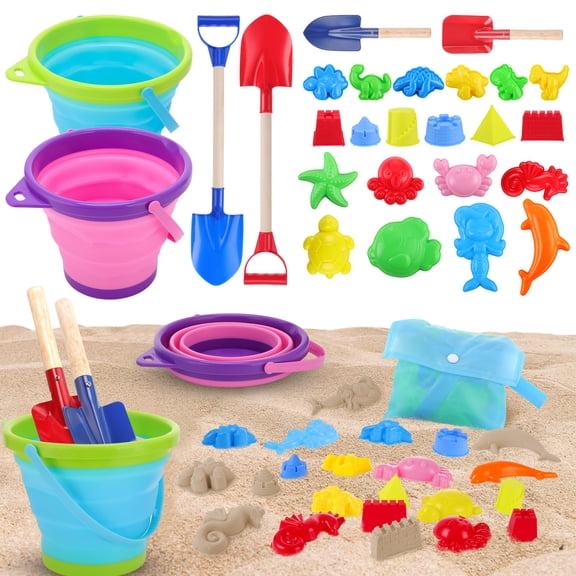
If your family travels often, silicone can be worth a closer look because flexible pieces fit smaller bags. You can fold some silicone tools more easily, then rinse them off after use.
BPA-free plastic may matter when your household prefers clear material labeling for toddler sand toys. Recycled plastic options can also give you familiar shapes and sturdy everyday function.
It helps to compare handles, rim thickness, and mold depth before you choose. Those details can affect how easily your child scoops, dumps, and shapes sand.
Choosing sandbox toys by set components
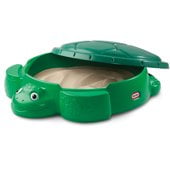
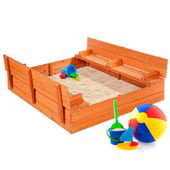
Sandbox toys usually stay closer to home, so your focus may shift from travel to variety. In a backyard sandbox, your child can use more pieces without worrying as much about carrying them.
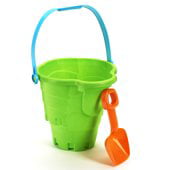
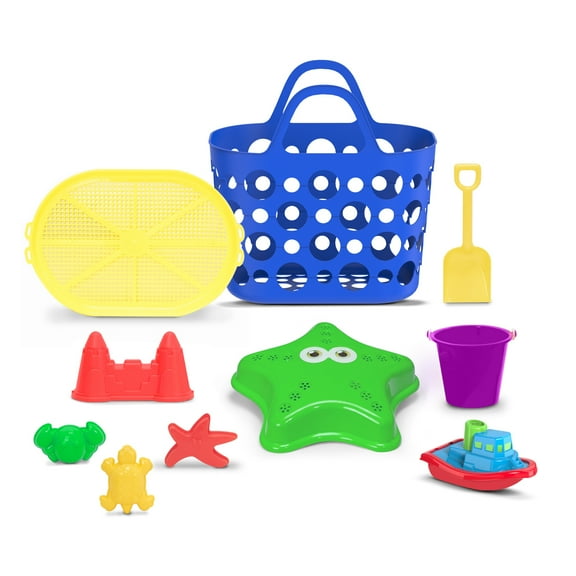
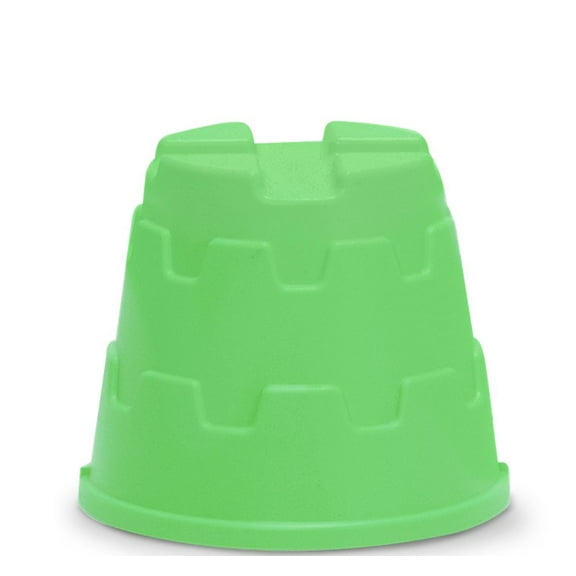
Buckets help with hauling, packing, and forming taller towers. Shovels and scoops support digging, while molds turn loose sand into castles, animals, or vehicle shapes.
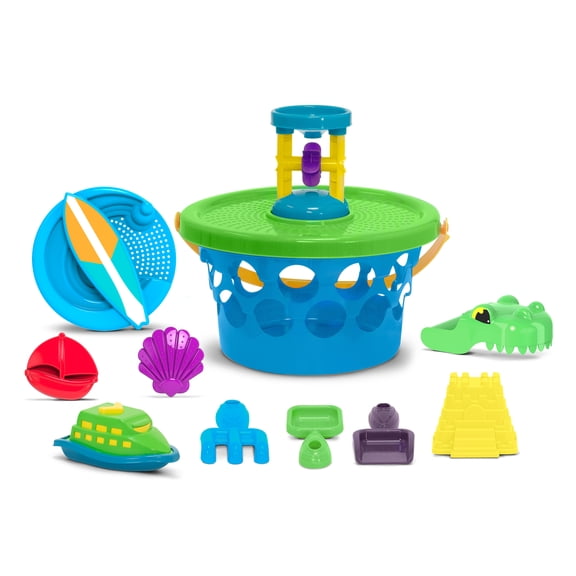
Sand play sets with sifters or rakes can add another layer of texture play. If your child enjoys cause-and-effect movement, sand wheels can bring extra pouring action to dry or damp sand.
Some sand toy sets with bucket pieces also move easily into sensory bins and patio activity tables. That versatility can help you use the same tools across backyard play spaces.
Matching sandbox toys to beach, water table, and backyard use
Your usual play location should guide your final choice. A beach setup needs portability, while a backyard sandbox setup can support more components and larger buckets.
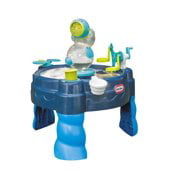
For water table use, look for tools that pour, strain, and spin with little effort. Cups, funnels, and wheels can give your child more ways to explore wet play patterns.
In a sandbox, defined molds and sturdy shovels often matter more than collapsible storage. At the beach, your family may care more about mesh bags, quick rinsing, and compact packing.
Backyard play can also include sensory tables, garden borders, and mixed sand-and-water stations. If you want one set for several spaces, versatile pieces can keep your setup simple.
Storage and portability decisions that matter
Storage details can shape how often your family actually uses a set. If cleanup feels easy, you’re more likely to keep outdoor play within reach.
Stackable buckets and nested molds help you keep pieces together between uses. A mesh bag can also make it easier for you to carry shovels, molds, and small accessories in one place.
Collapsible parts may suit travel days when your trunk or beach tote fills quickly. For home use, you may prefer sturdier shapes that stack neatly on a shelf or in a storage bin.
When you compare sand toys by age group, material, components, and portability, you can narrow your choice with more confidence. You’ll end up with play tools that fit your child’s routine and keep cleanup more manageable.