


Shop All Fabric in Fabric


































About Shop All Fabric in Fabric - Walmart.com
When you shop fabric at Walmart, you can compare fabric by the yard, fiber content, and project needs in one place. You’ll find options for quilting, upholstery, apparel, and crafts, so your material matches the way you plan to sew.
If you’re planning one project or stocking a craft room, you can narrow choices by material, weight, pattern, and cut style. You’ll make faster decisions when you know how cotton, polyester, canvas, linen, and fleece behave on the table and in the wash.
How to choose fabric by the yard
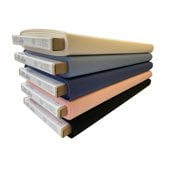
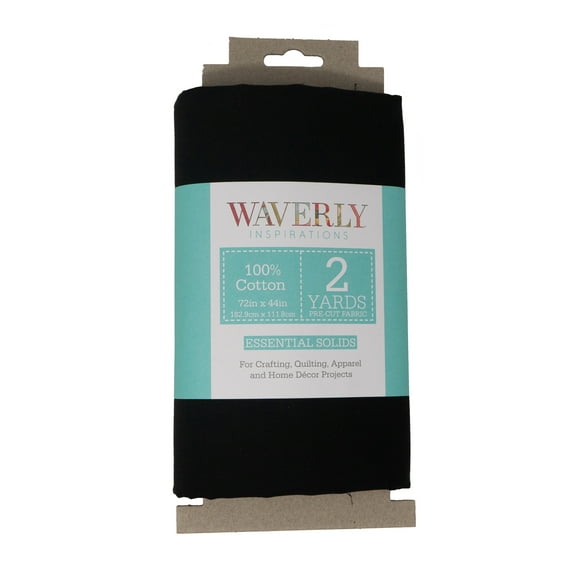
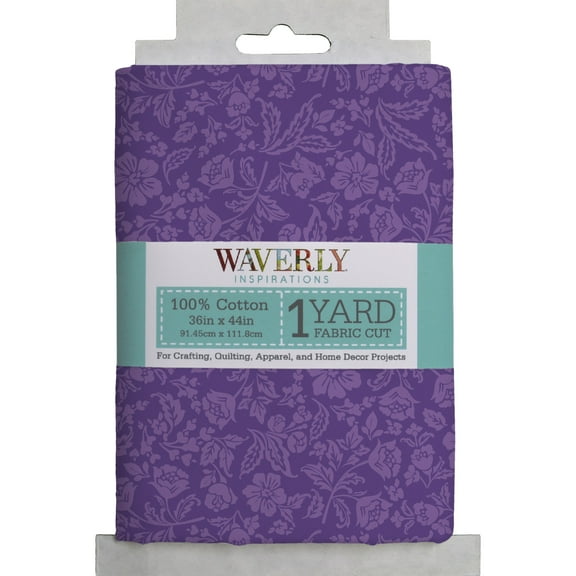
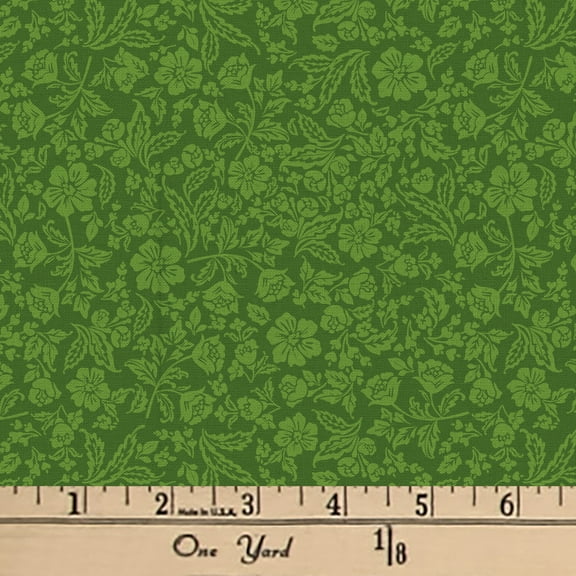
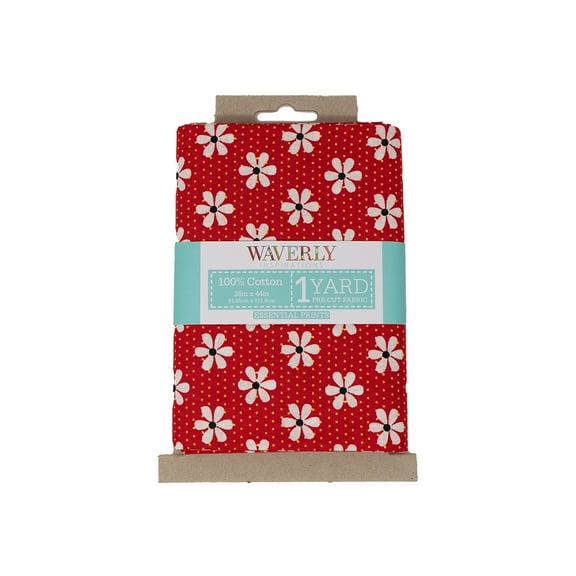
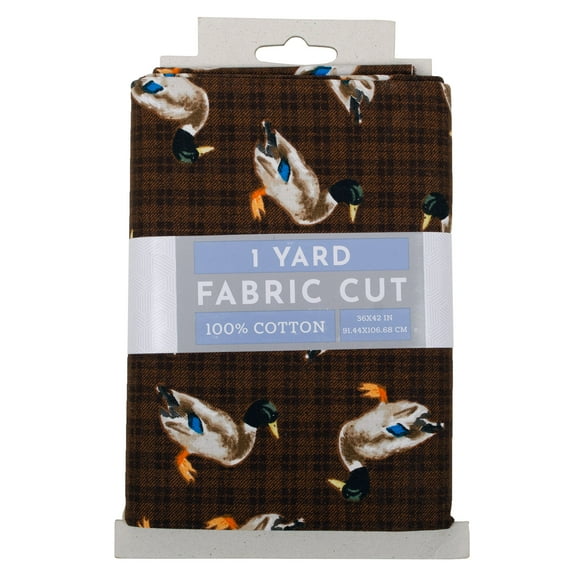
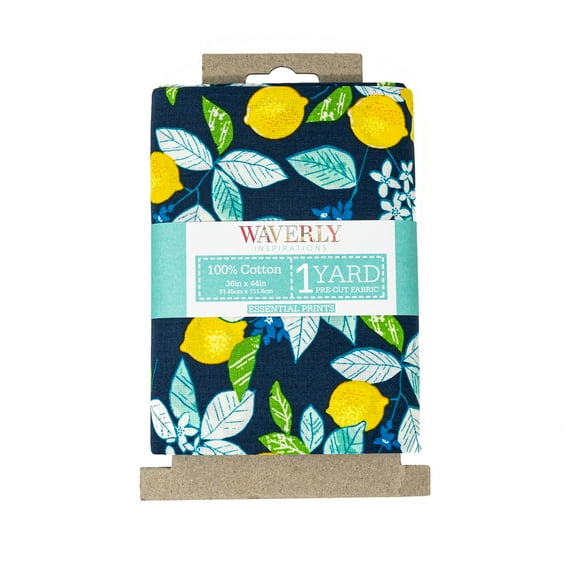
When you choose fabric by the yard, you can order the length that fits your pattern, cushion, or décor project. You’ll get more flexibility than pre-cut pieces when your measurements are specific.
If you’re comparing by-the-yard cuts with fat quarters or pre-cut bundles, you should start with your pattern layout. You’ll usually want yardage for garments, curtains, table linens, and larger quilt backings.
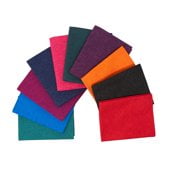
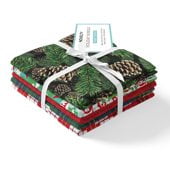
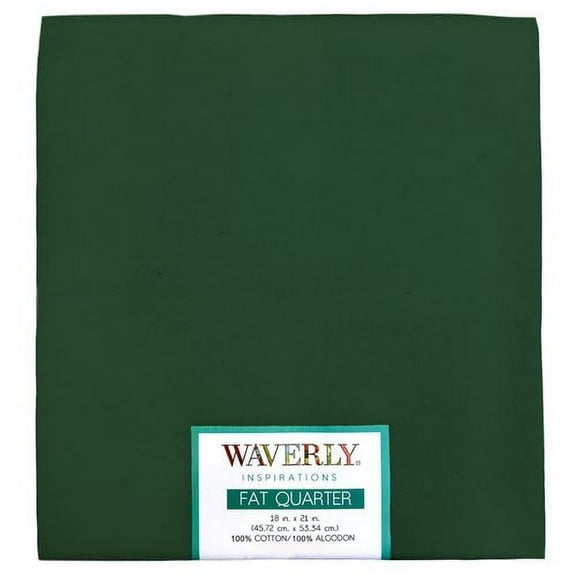
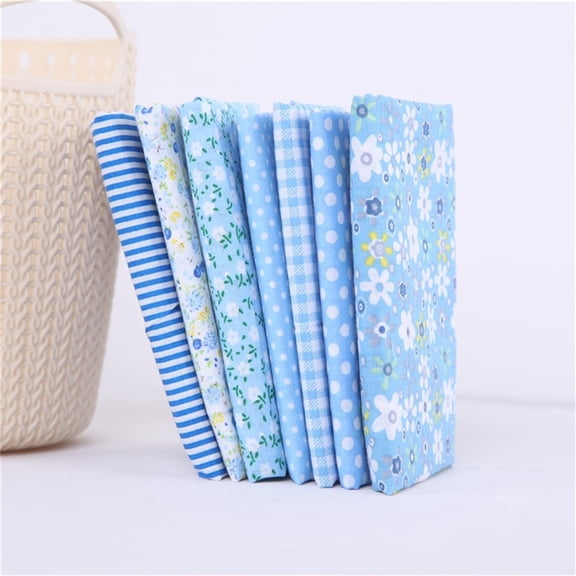
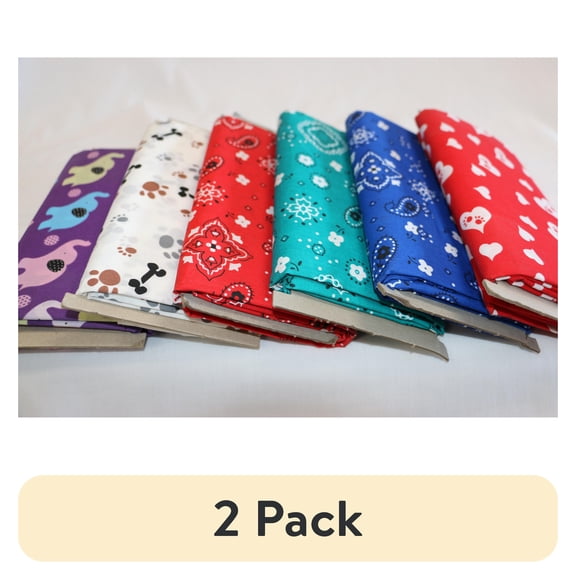
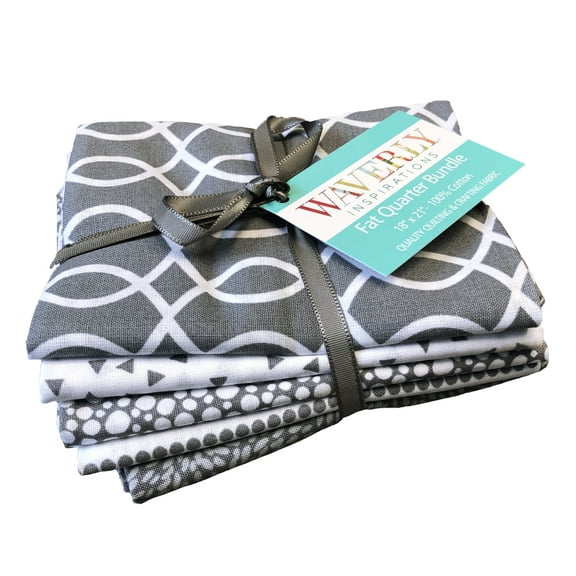
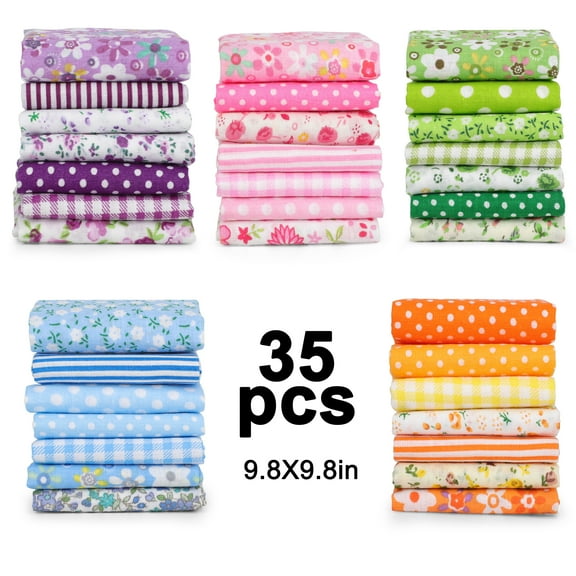
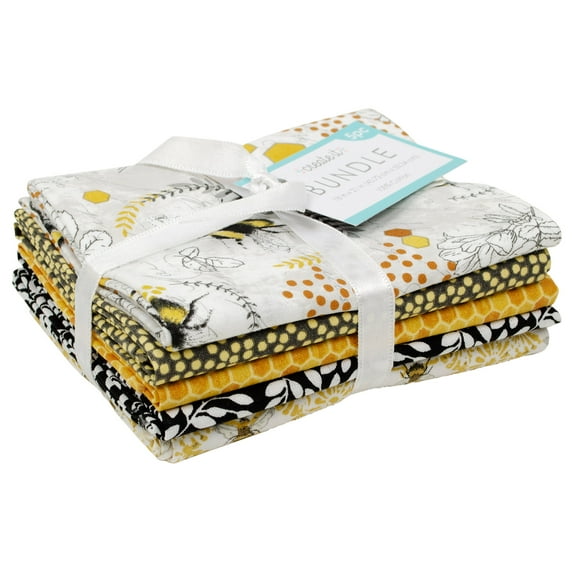
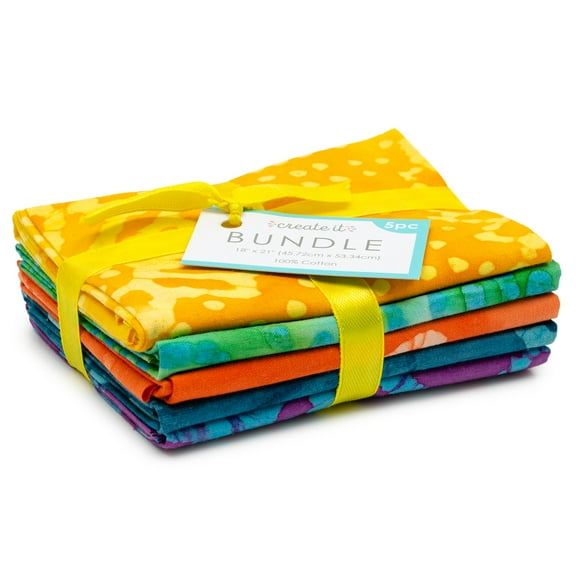
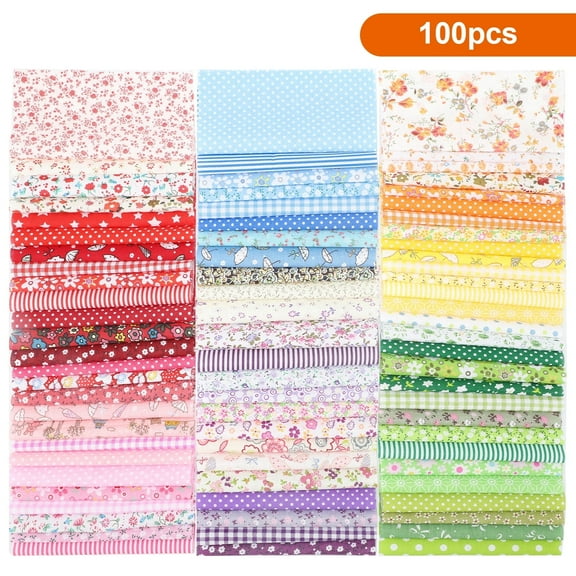
You can use fat quarters when your quilt blocks, small accents, or patchwork pieces need coordinated prints in smaller cuts. You can choose pre-cut bundles when your project calls for repeatable shapes and quicker prep.
- You can order fabric by the yard for custom lengths and larger projects.
- You can pick fat quarters when your piecing plan uses smaller coordinated sections.
- You can choose pre-cut bundles when your cutting time needs to stay short.
- You can compare materials and prints more easily when your project type is clear first.
Choosing fabric by material and fiber content
When you compare material type, you should think about drape, texture, durability, and care. You’ll notice that cotton fabric often feels easy to sew and easy to press.
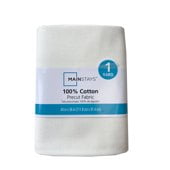
If your project includes quilts, simple garments, or craft pieces, you may prefer cotton fabric for its familiar hand and broad print range. You can often cut and piece cotton with steady results on home sewing tables.
When your project needs wrinkle resistance or frequent washing, you may consider polyester or cotton-poly blends. You’ll often find these choices useful for apparel, event décor, and busy household projects.
If your pattern calls for structure, you should look at canvas fabric for tote bags, covers, and sturdy craft work. You’ll usually get a firmer feel that helps your seams hold shape.
When your style leans relaxed or textured, you can compare linen fabric for table settings, apparel, and decorative accents. You’ll often see a natural-looking weave that suits warm-weather projects and casual rooms.
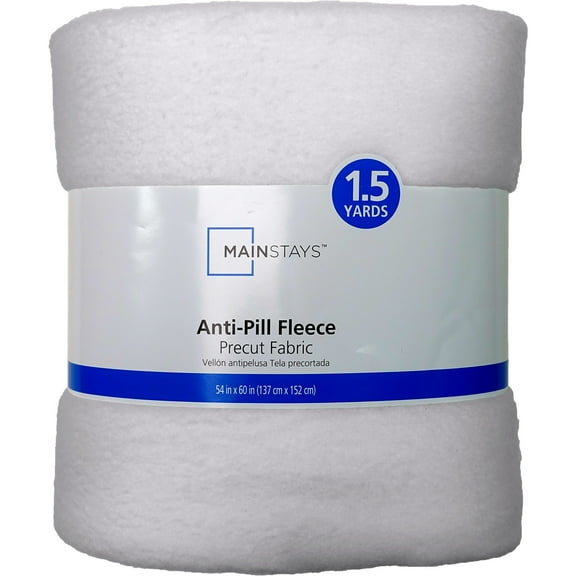
If your plan includes blankets, throws, or soft seasonal crafts, you may choose fleece fabric for warmth and a plush surface. You can cut many fleece styles without needing complex finishing steps.
Understanding fabric weight for your project
When you check fabric weight, you’re deciding how light, flexible, or sturdy your finished piece should feel. You can avoid mismatched material when your weight choice matches your project use.
If your project needs flow and movement, you should look at lightweight fabric for blouses, linings, and soft craft accents. You’ll usually find lightweight options easier to gather and layer.
When your pattern needs balance, you can choose medium weight fabric for many quilting, apparel, and home décor tasks. You’ll get enough body for structure without making seams feel bulky.
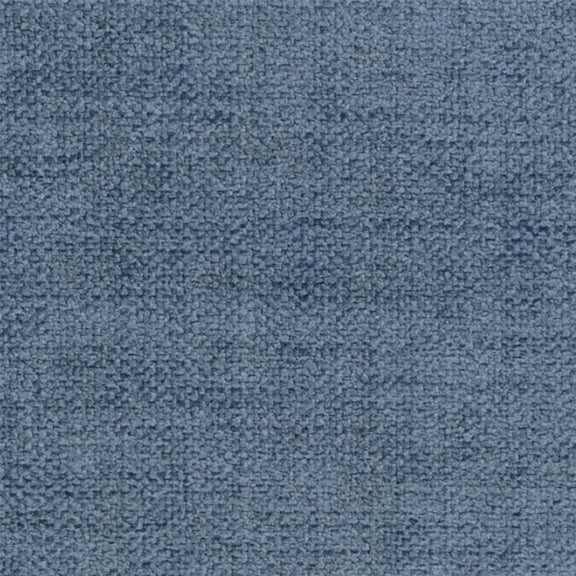
If your project takes more wear, you should consider heavyweight options for upholstery fabric, slipcovers, bench cushions, and rugged accessories. You’ll want this extra substance when your finished piece needs a sturdier hand.
You can also compare weight with fiber content because the same material can behave differently across constructions. You’ll make a smarter choice when you read both the fabric type and the intended use.
Matching fabric to quilting, upholstery, apparel, and crafts
When you shop by use case, you can narrow hundreds of choices into a manageable set. You’ll save time when your project category guides your print, width, and weight decisions.
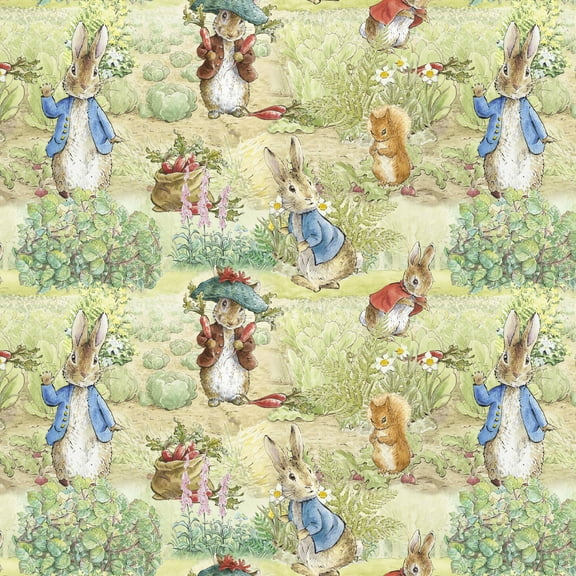
If you’re making quilts, you should focus on quilting fabric with reliable cotton options, coordinated prints, and cuts that fit piecing plans. You can also compare solids, seasonal prints, and holiday fabric for themed blocks.
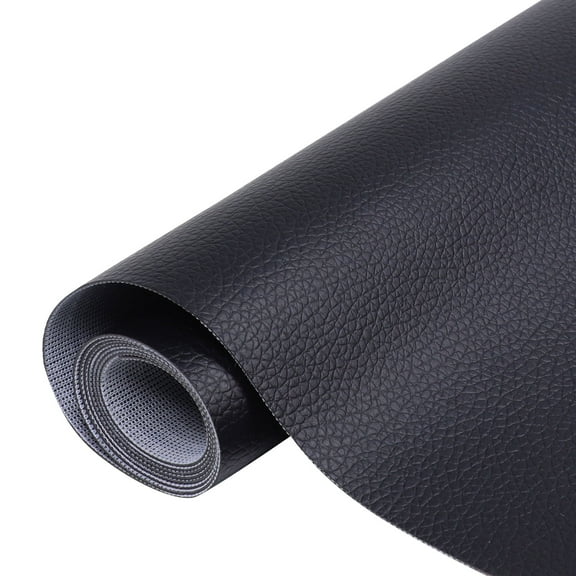
When your room project needs cushion covers, cornices, or seating accents, you should compare upholstery fabric with heavier construction. You’ll want a sturdier surface that holds shape across larger panels.
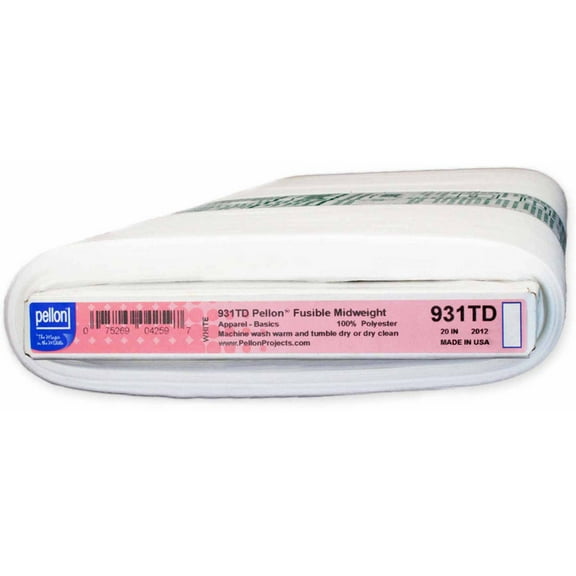
If your sewing plan includes skirts, shirts, costumes, or simple separates, you can look for apparel-friendly material with the right drape. You’ll want to match stretch, softness, and weight to your pattern style.
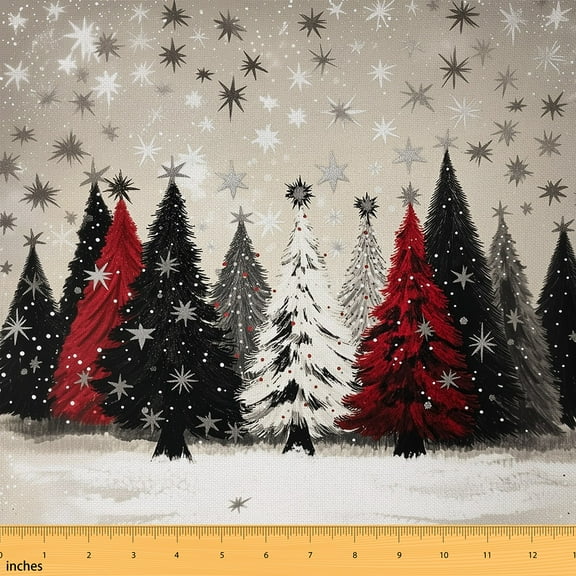
When your list includes banners, totes, classroom décor, or holiday sewing, you can sort craft choices by color, print, and cut format. You’ll also find christmas fabric by the yard useful for stockings, tree skirts, and table runners.
What to look for before you order
Before you choose your final fabric, you should measure your pattern pieces, seam allowances, and repeat needs. You’ll avoid ordering confusion when your total yardage includes backing, borders, or extra test pieces.
You should also check care instructions, especially when your project will be washed often or used around the home. You’ll want fiber content and finish details that match your cleaning routine.
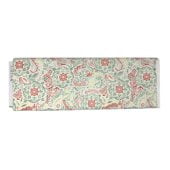
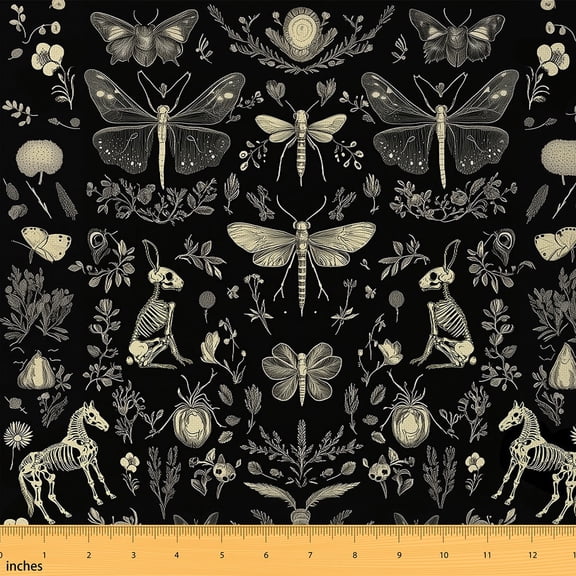
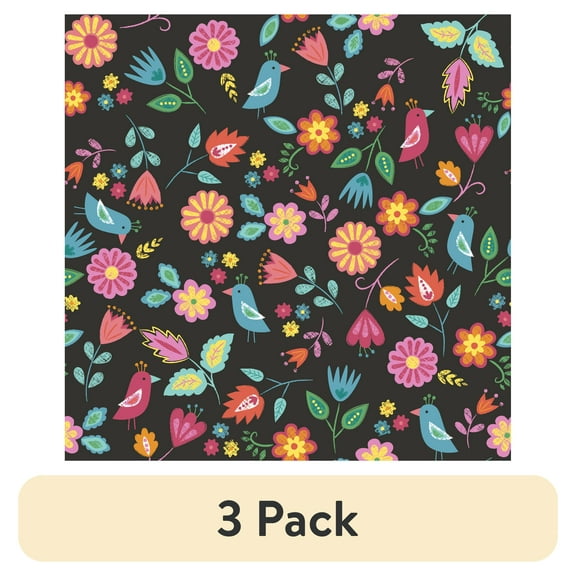
When your project mixes prints or solids, you can compare color families and scale before you commit. You’ll get a more polished result when your florals, geometrics, or basics work together across the full layout.
With fabric choices organized by material, weight, use case, and format, you can shop with a clearer plan and fewer surprises. You’ll end with yardage, texture, and care details that fit your project from the first cut.