

Hand-Sewing Needles & Thimbles in Notions & Sewing Accessories





















About Hand-Sewing Needles & Thimbles in Notions & Sewing Accessories - Walmart.com
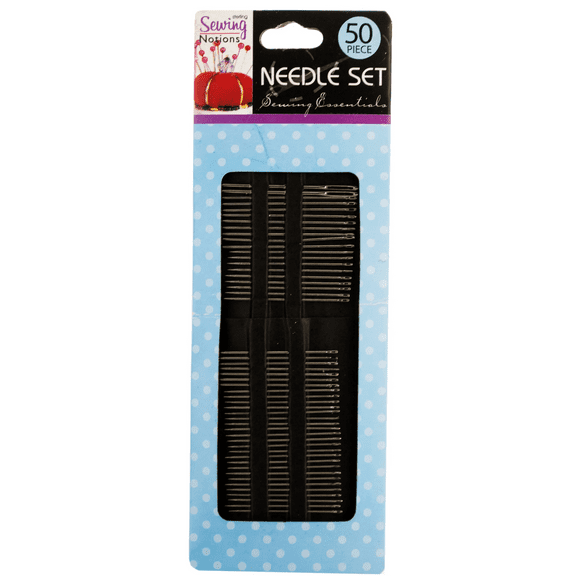
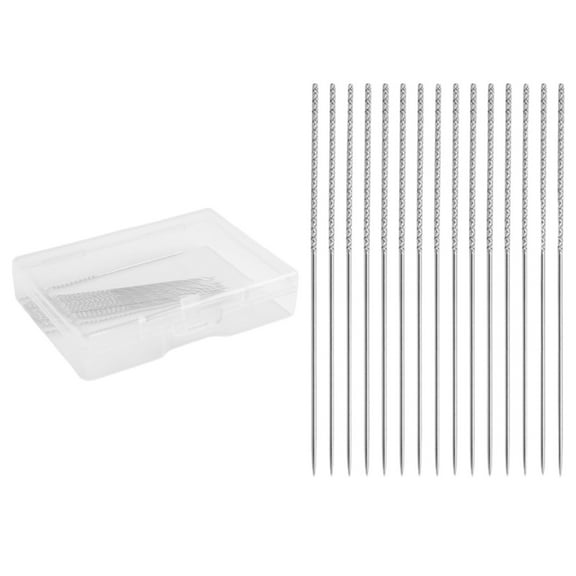
Hand sewing needles help you handle repairs, hemming, and craft projects with more control than a machine-only setup. You can compare needle types, eye styles, and sewing thimbles to match fabric weight, thread thickness, and hand comfort.
Choosing the right hand sewing needles
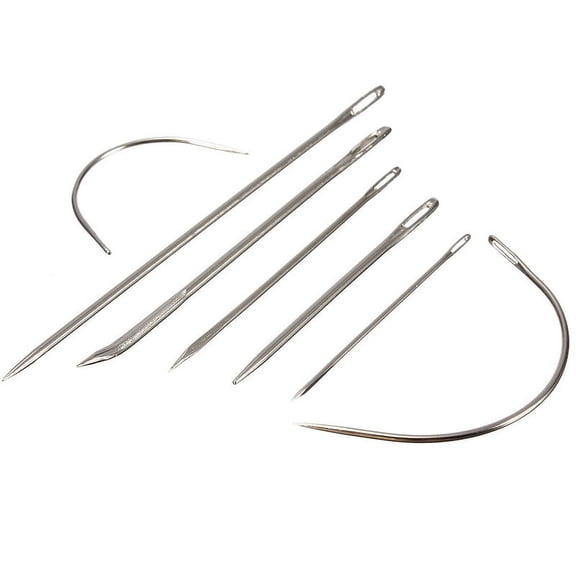
You should start with needle type because fabric weight changes how easily your stitch passes through the material. You can use sharps for everyday woven fabrics, while betweens help you make short, precise stitches by hand.
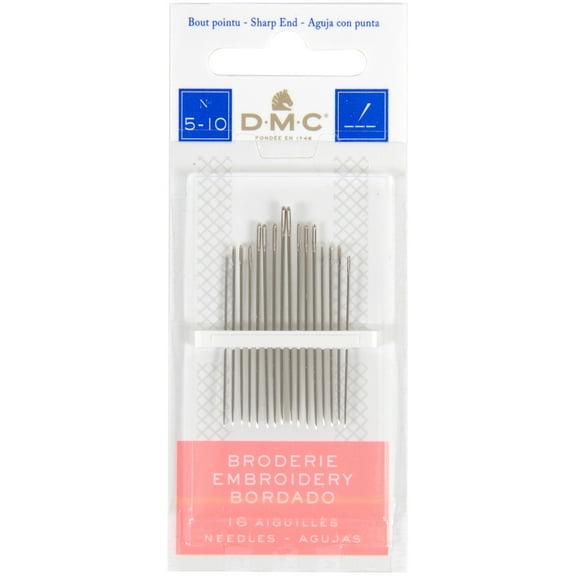
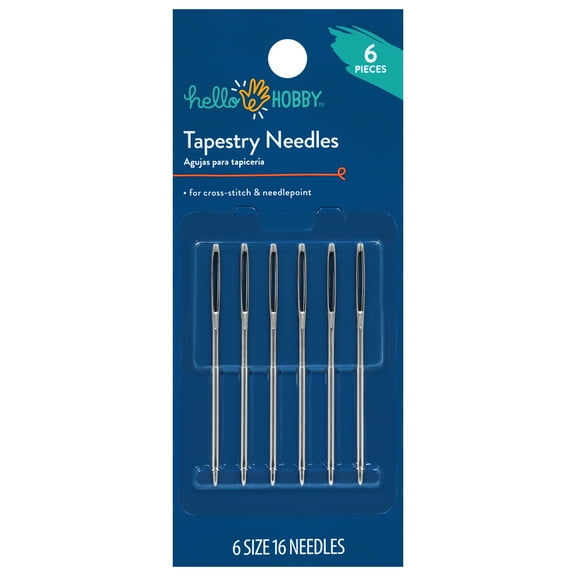
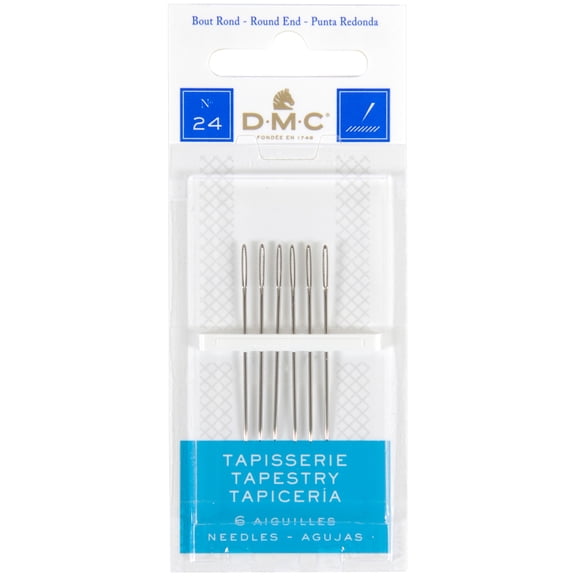
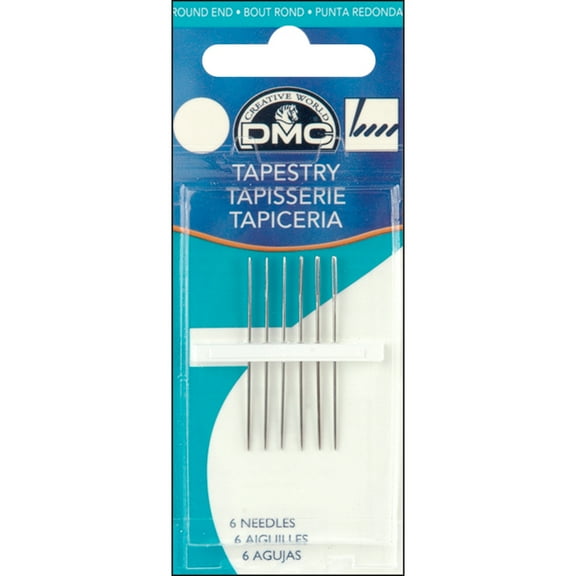
If you add decorative thread or surface details, you may prefer embroidery needles for easier thread handling. You can choose darning needles for mending knits, while tapestry needles suit canvas, needlepoint, and open-weave fabrics.
You can narrow your choice faster when you compare the task before the package label. You’ll usually need a sharper point for tightly woven fabric and a blunter point for open holes or counted stitching.
What to look for in sewing thimbles
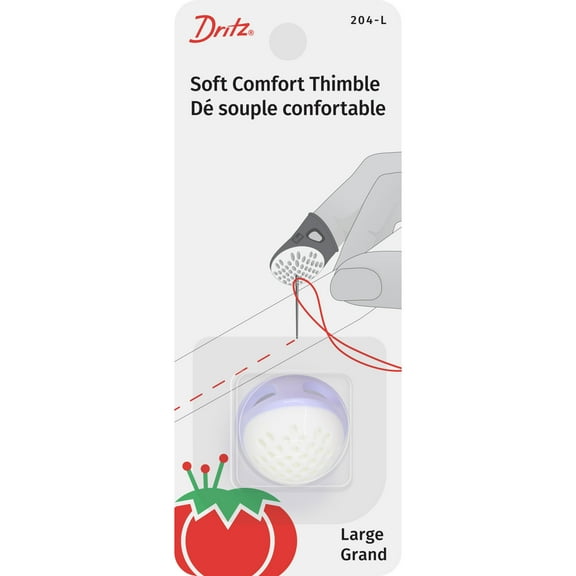
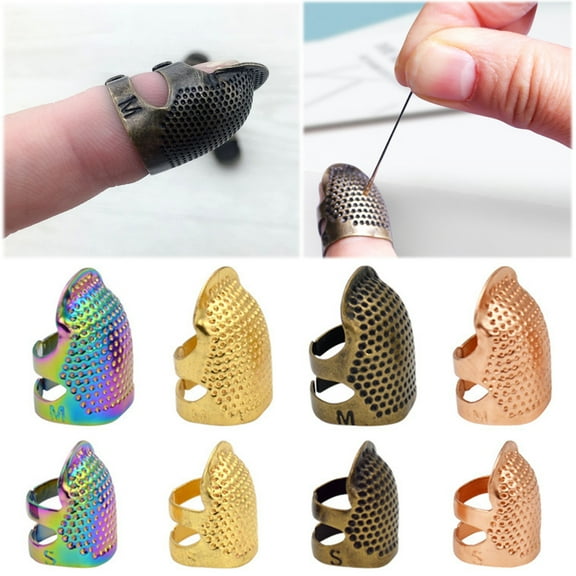
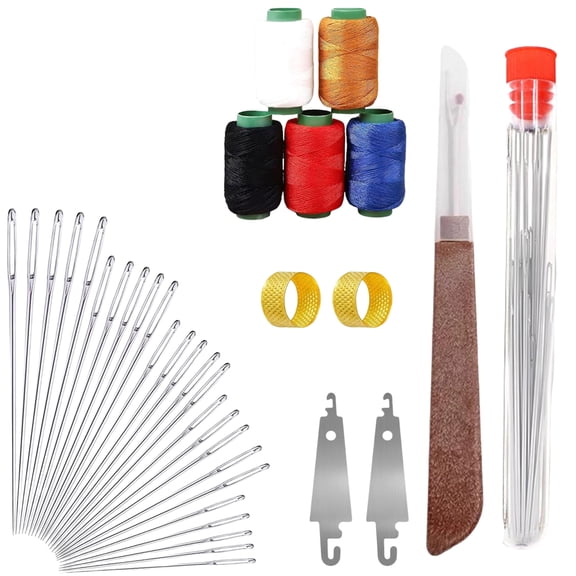
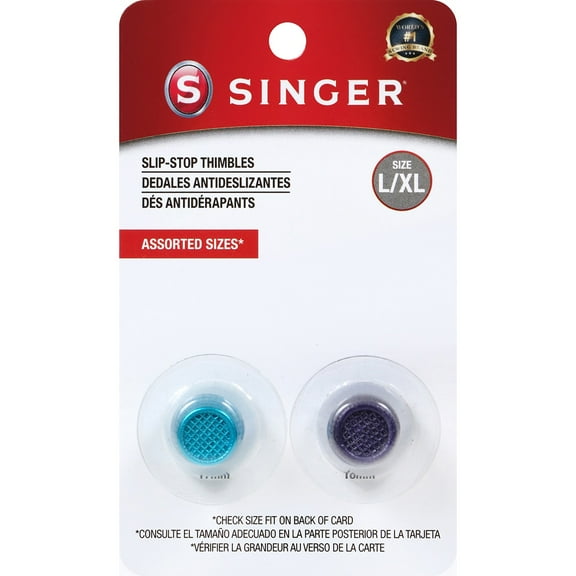
You can use sewing thimbles to push the needle with steadier pressure during longer handwork sessions. You’ll notice that the right fit helps your grip stay controlled when seams feel dense or stitches get repetitive.
If you compare metal, leather, silicone, and plastic options, you’ll see each material feels different in your hand. You may choose metal for structure, leather for flexibility, silicone for grip, or plastic for a lighter feel.
You should also check shape and sizing before you decide. You’ll want a thimble that stays secure on your finger without slipping, pinching, or interrupting your stitching rhythm.
- You can use sharps for general repairs, hems, and woven fabrics.
- You may pick tapestry needles when you’re stitching through canvas or open-weave material.
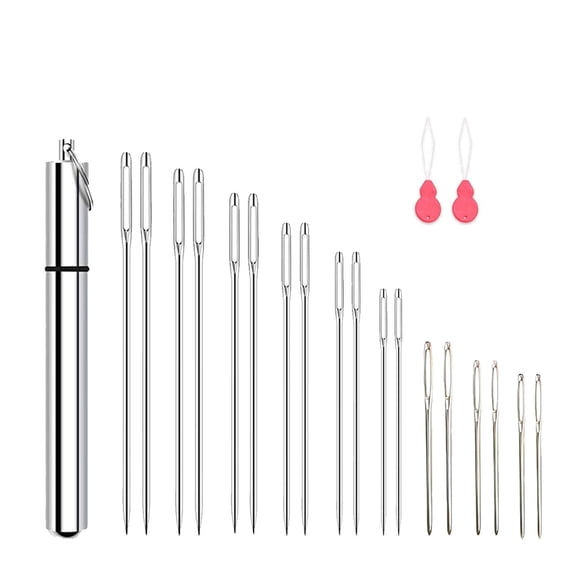
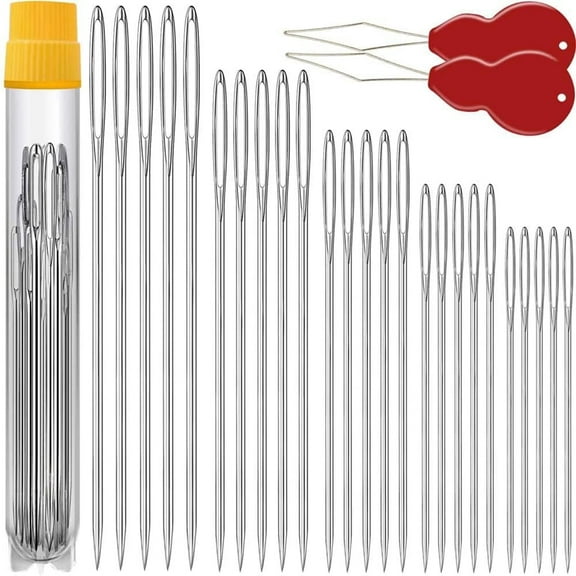
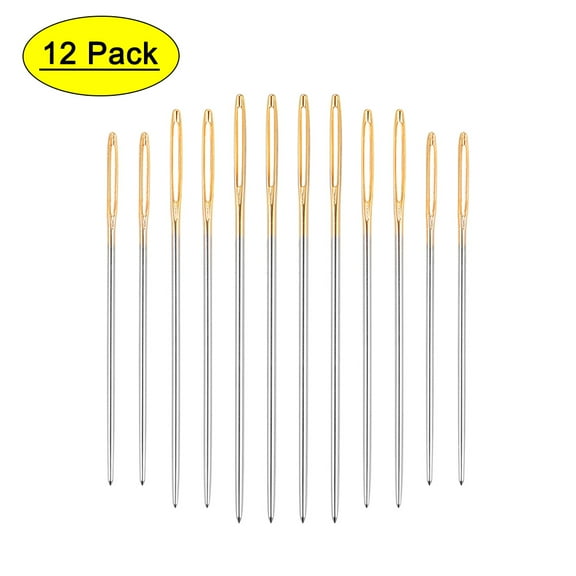
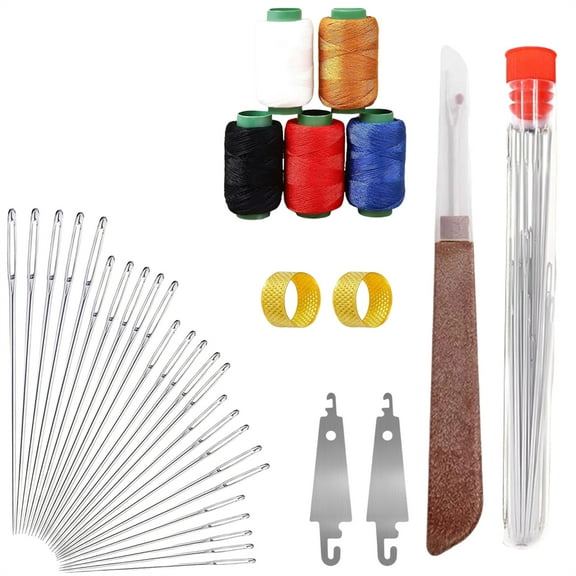
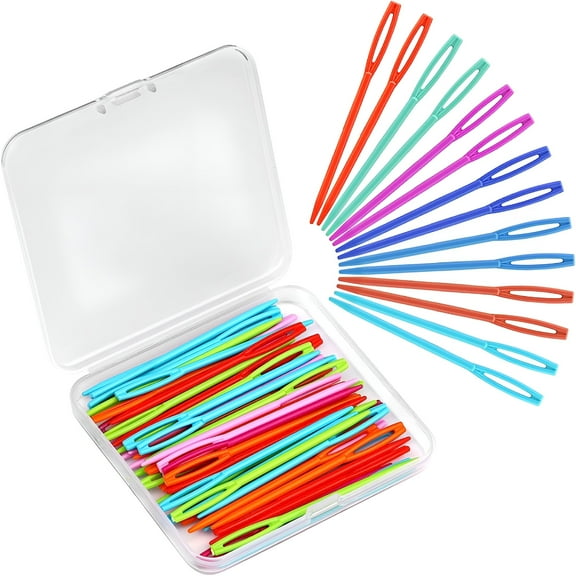
- You can reach for large eye sewing needles when thicker thread feels hard to guide.
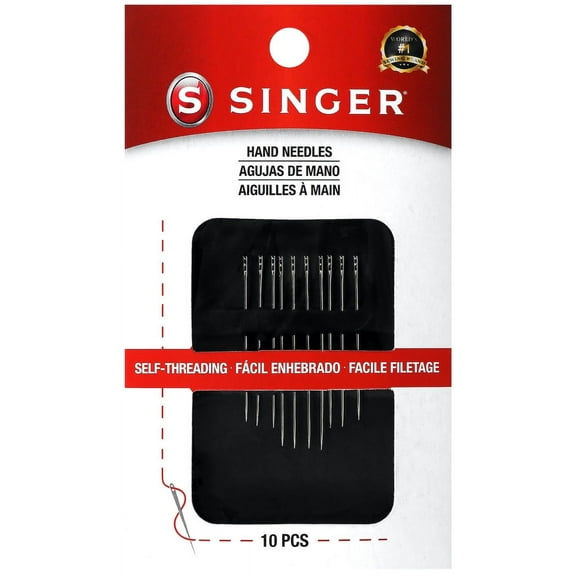
- You may prefer self threading needles when you want easier setup between quick fixes.
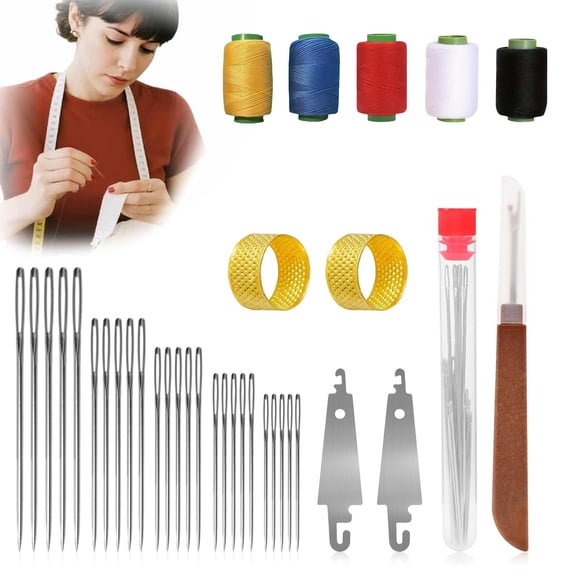
- You can compare leather thimbles and metal thimbles based on comfort and push control.
- You should consider assorted packs when your projects change from mending to embroidery.
Comparing eye types and size ranges
You should compare eye type next because thread thickness affects how easily you can start sewing. You can use standard eye needles for common thread, while large eye sewing needles give you more room for bulkier strands.
If threading feels fussy, you may want self threading needles for quick repairs and frequent needle changes. You’ll find these options useful when your project uses multiple colors or when you switch thread often.
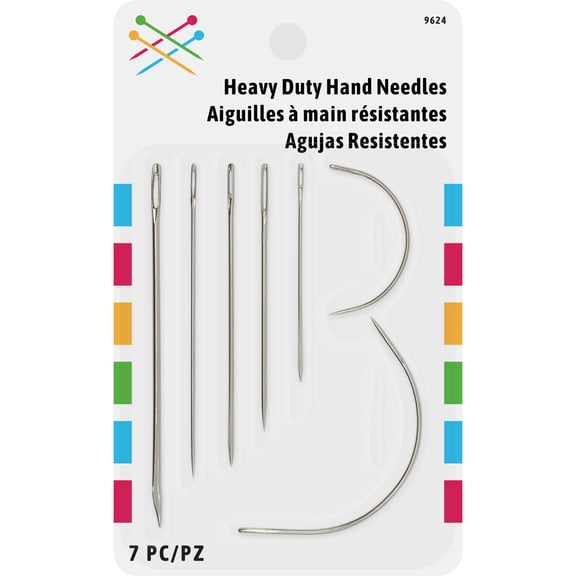
You should also compare fine, assorted sizes, and heavy duty sewing needles based on fabric density. You can use finer needles for lightweight cloth, while thicker options suit denim, canvas, and sturdier repair jobs.
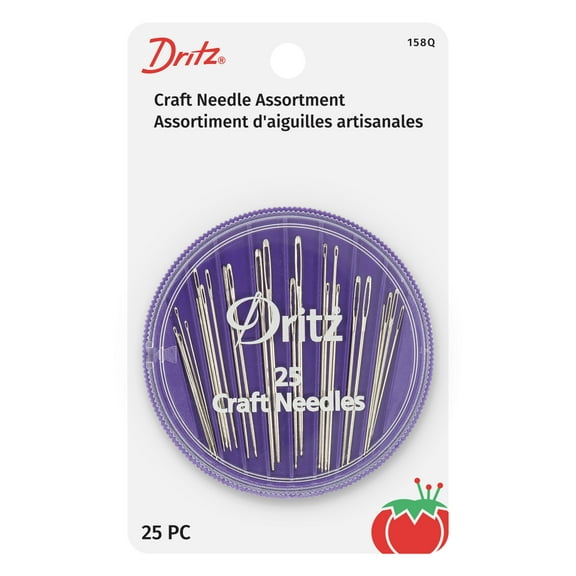
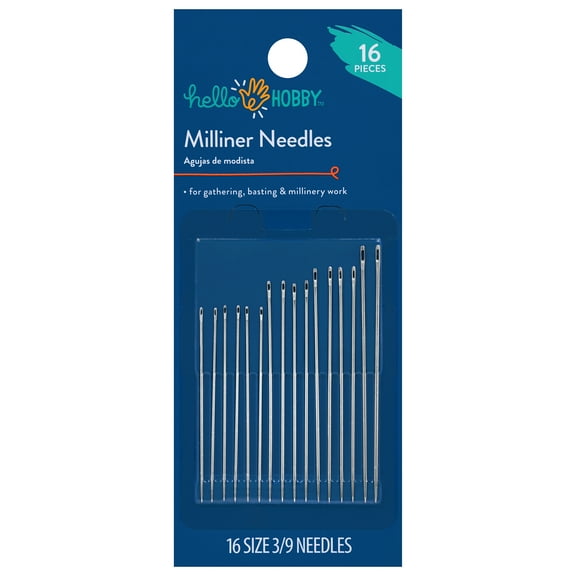
When you choose a hand sewing needles assortment, you give yourself flexibility across different tasks in one kit. You can keep smaller sizes for delicate seams and larger sizes for thicker layers or craft materials.
How to match needle and thimble choices to your project
You can pair sharps with a fitted thimble when you’re hemming pants, closing seams, or fixing loose buttons. You’ll get more control when your needle point matches the fabric and your thimble supports each push.
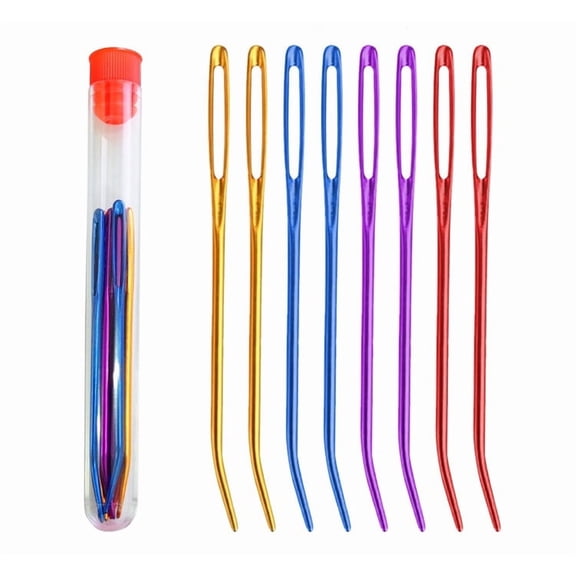
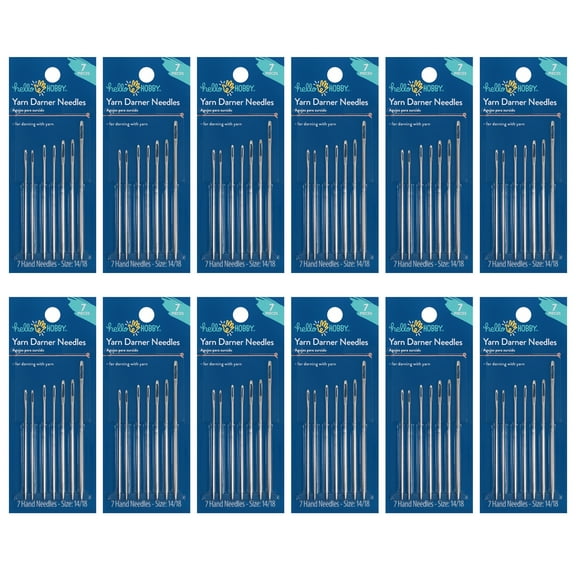
If you’re repairing sweaters or finishing yarn-based details, you may choose darning or tapestry needles with a larger eye. You can thread thicker yarn or floss more easily, and your stitches can pass through open structures with less snagging.
You might prefer embroidery needles for hand-finished accents on garments, gifts, or home décor. You can switch between colors faster when the eye is easier to thread and the size matches your floss.
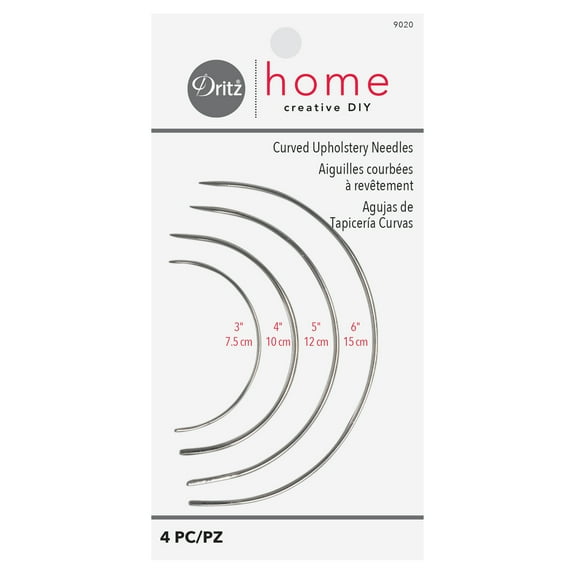
For tougher materials, you may look at heavy duty sewing needles with a firm thimble material. You can manage thicker layers more confidently when the needle shaft, point style, and finger protection work together.
You should think about pack composition before you restock your sewing kit. You can choose assorted multipacks for mixed projects, or you may pick one size packs when you repeat the same repair often.
If you sew by hand while traveling or keeping a household mending kit, you may want a broad mix. You’ll have the right option ready for loose hems, missing buttons, needlepoint touch-ups, and quick fabric fixes.
Finding the right fit for your sewing setup
You can make handwork smoother when you compare needle type, eye style, size range, and thimble material together. You’ll feel more prepared for mending, embroidery, tapestry work, and detailed repairs with tools matched to your project.
When your kit includes the right mix of hand sewing needles and sewing thimbles, you can stitch with steadier control. You’ll finish repairs and craft details with less trial and error from the first stitch.