








Sippy Cups: Straw Cups in Feeding






























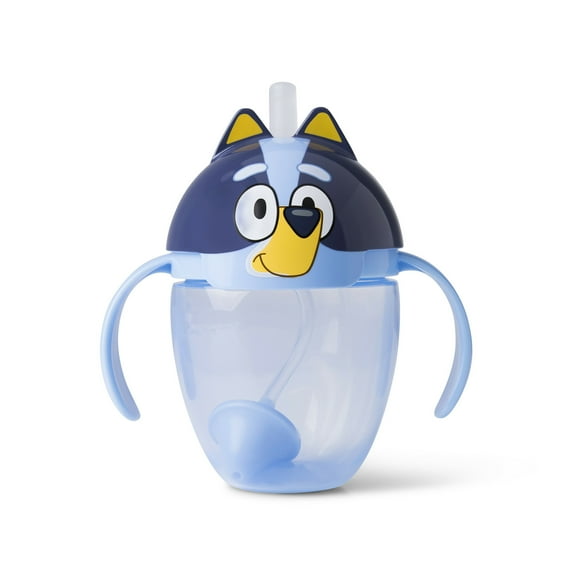


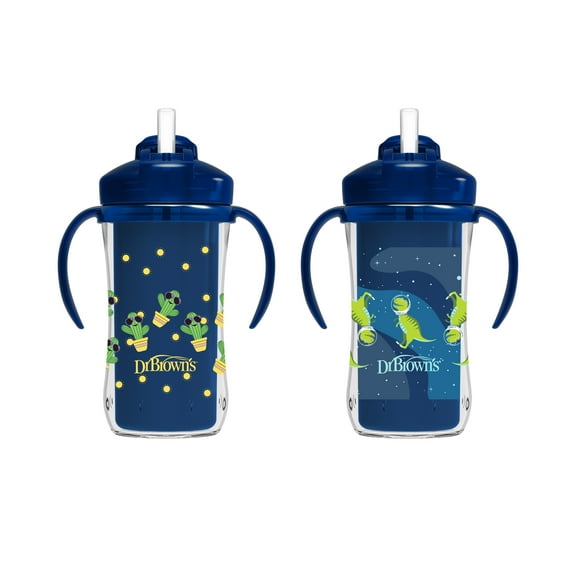


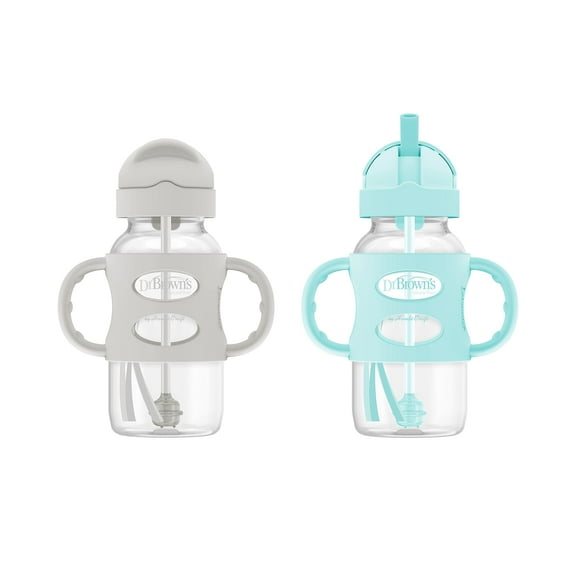


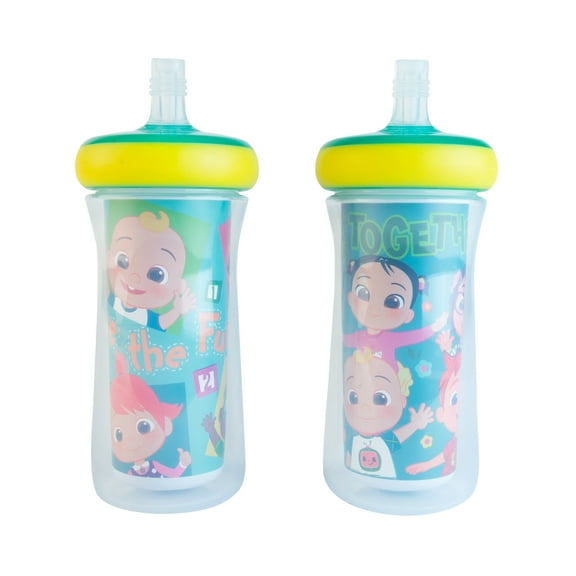
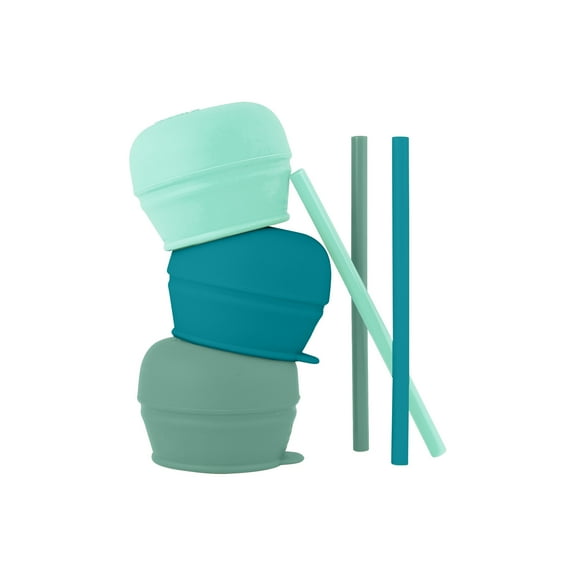


About Sippy Cups: Straw Cups in Feeding - Walmart.com
Sippy cups and straw cups help you support feeding transitions with age-based designs, spill control, and easy-grip options for babies and toddlers. You can compare cup types, materials, and cleaning needs faster when you know how each feature fits your child's stage.
As you move from bottles toward independent drinking, you may want guidance that matches real feeding routines. You can use this category guide to compare transition cups, 360 cups, weighted straw cups, and spill proof styles.
Choosing sippy cups and straw cups by cup type
When you compare cup type first, you can narrow your options by how your child drinks today. You may prefer a sippy cup spout, a straw cup, a transition cup, or a 360 cup.
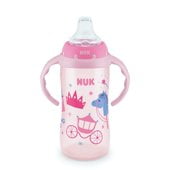
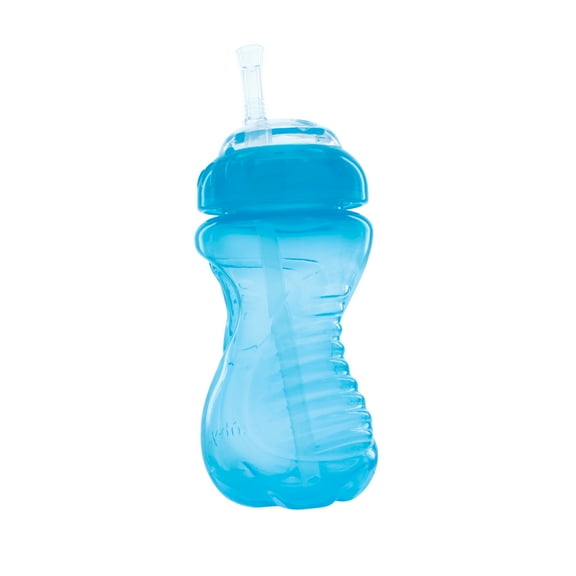
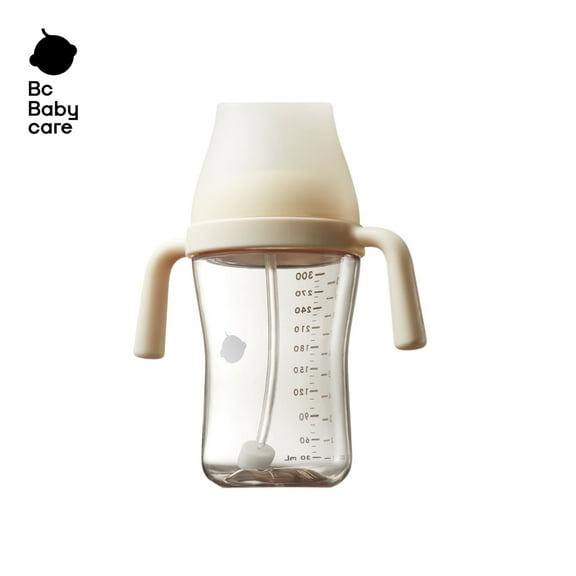
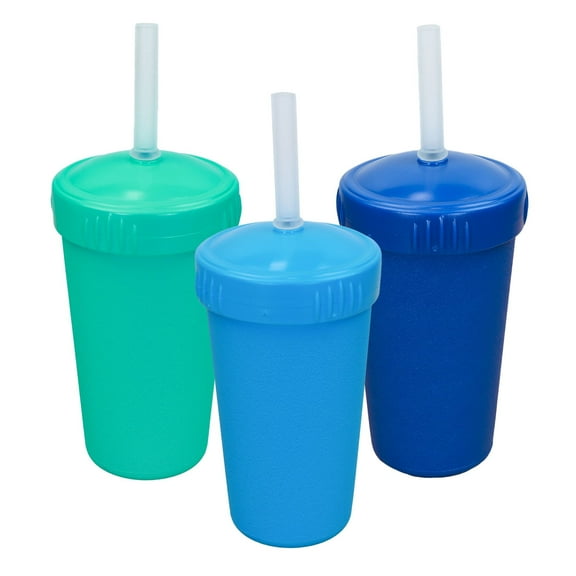
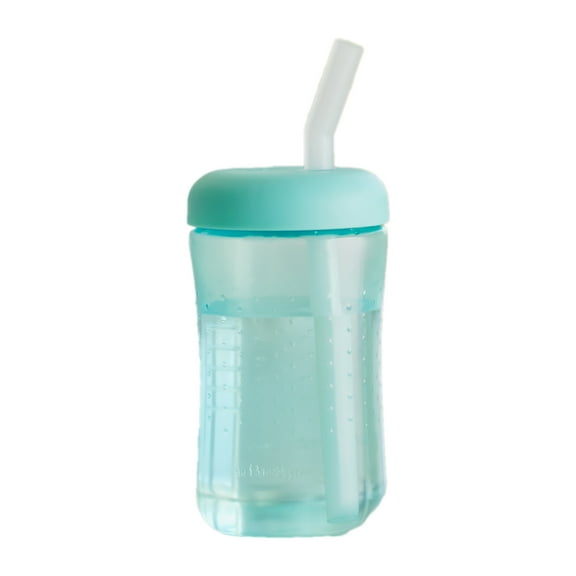
If your child is learning first sips, you may start with transition cups for babies that feel familiar in little hands. You can then move toward baby straw cups when your child is ready for more coordinated sipping.
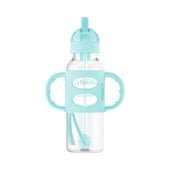
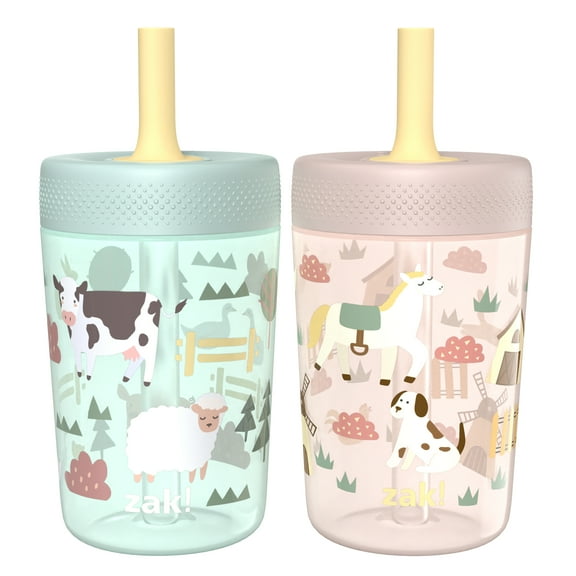
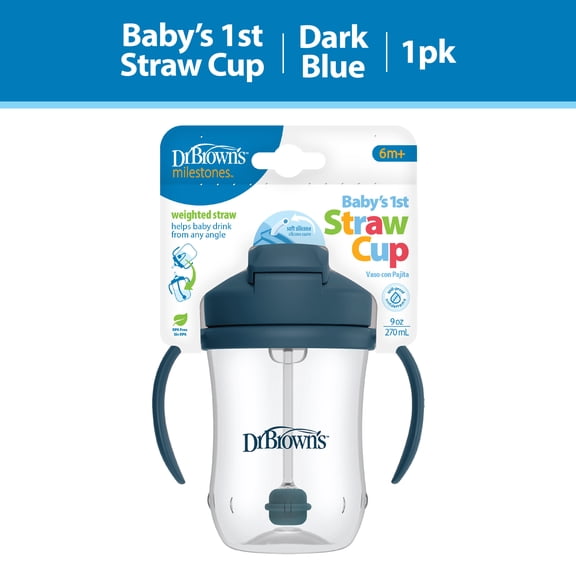
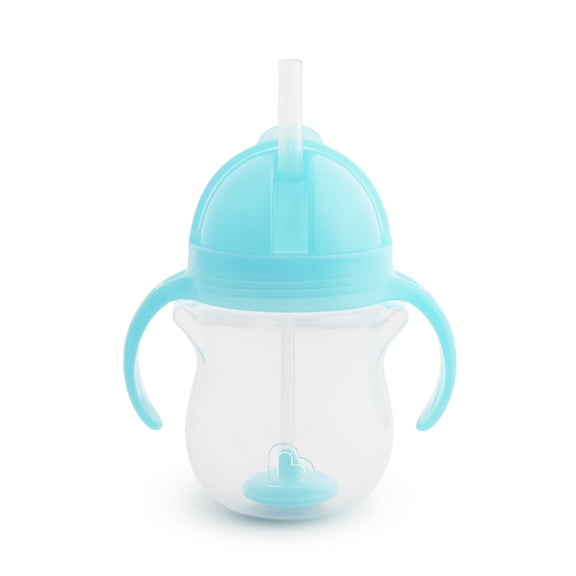
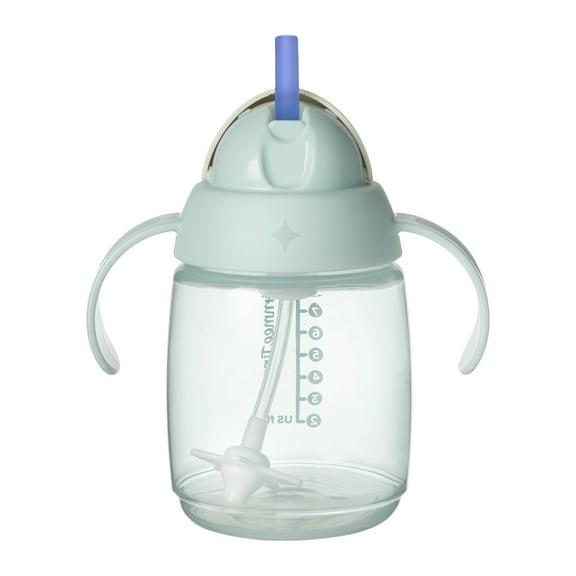
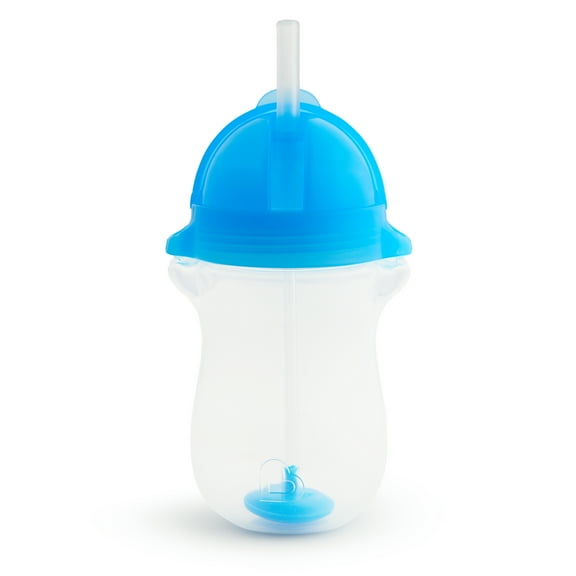
With straw cup designs, you can look for weighted straw cups that let your child drink at different angles. You may find that helpful during stroller rides, snack breaks, or couch cuddles.
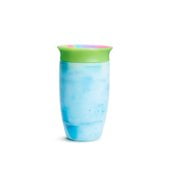
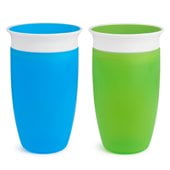
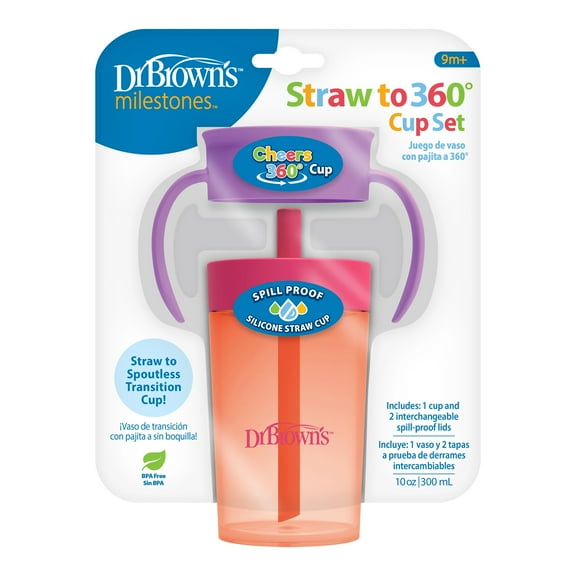
If you want a rim-style option, you can compare 360 cups that let your child sip around the edge. You may like that style when you want a cup without a projecting spout.
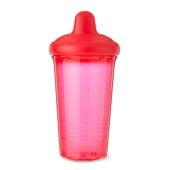
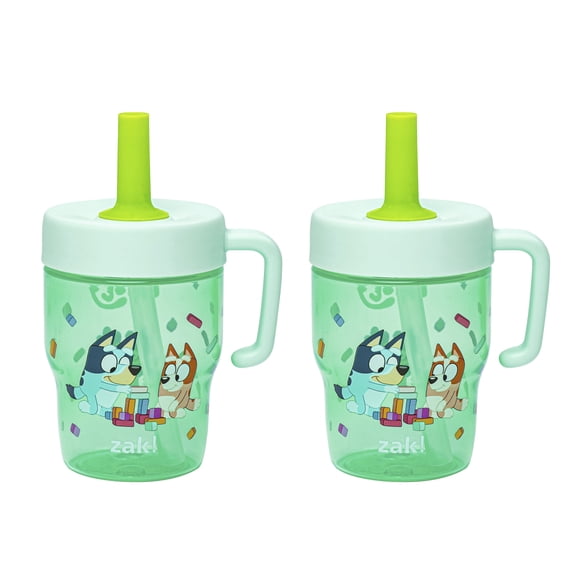
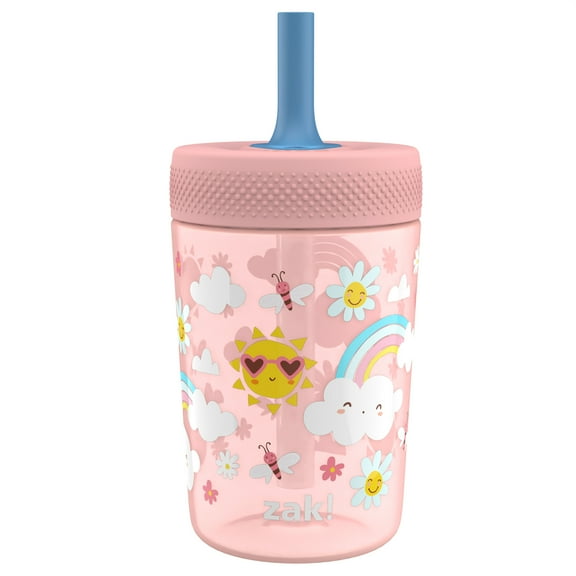
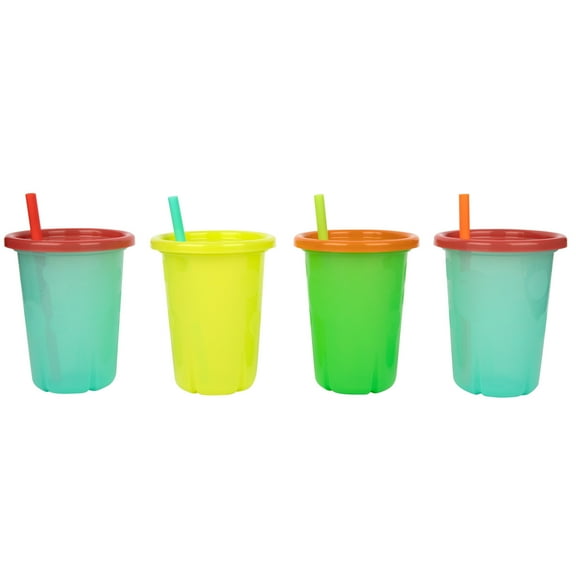
Some families choose toddler sippy cups for quick handoffs during meals and errands. You can choose between soft spouts, firmer spouts, or straw tops based on your child's comfort.
What to look for in spill proof sippy cups
Spill control matters when you want fewer drips on high chairs, car seats, and diaper bags. You can compare spill proof sippy cups by valve design, lid style, and how many parts you need to wash.
A tighter valve can help you limit leaks during tossing and tipping. You should also check whether the cup opens easily enough for regular cleaning after milk, water, or smoothies.
If you want less cleanup time, you can look for simpler lids with fewer small pieces. You may trade some leak resistance for faster washing, so your routine should guide your choice.
- You can choose weighted straw cups when your child drinks while tilting the cup.
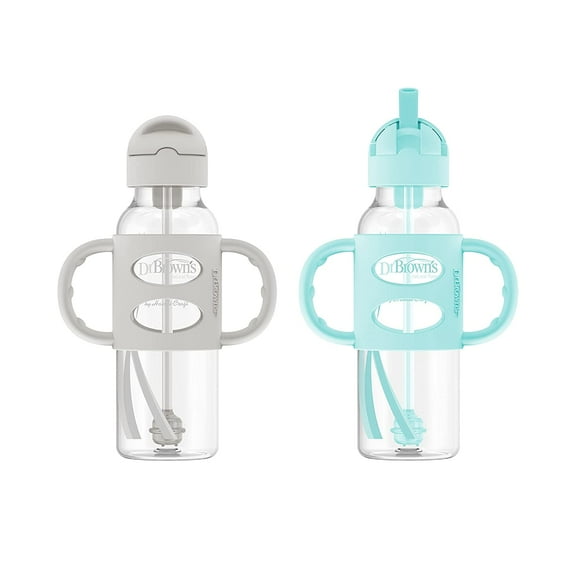
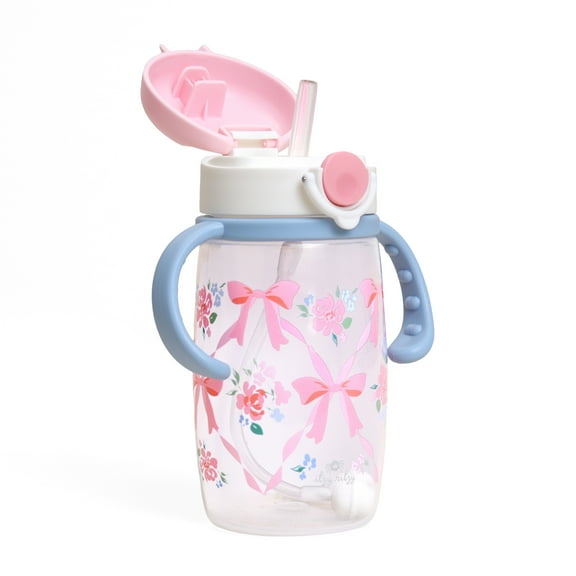
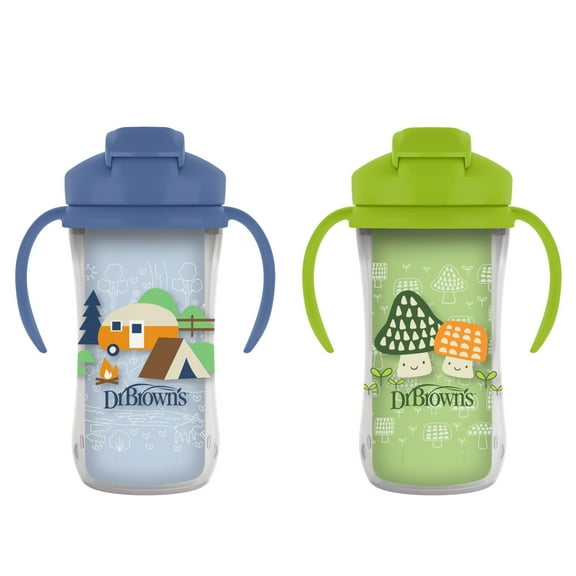
- You can choose baby cups with handles when your child is practicing two-handed gripping.
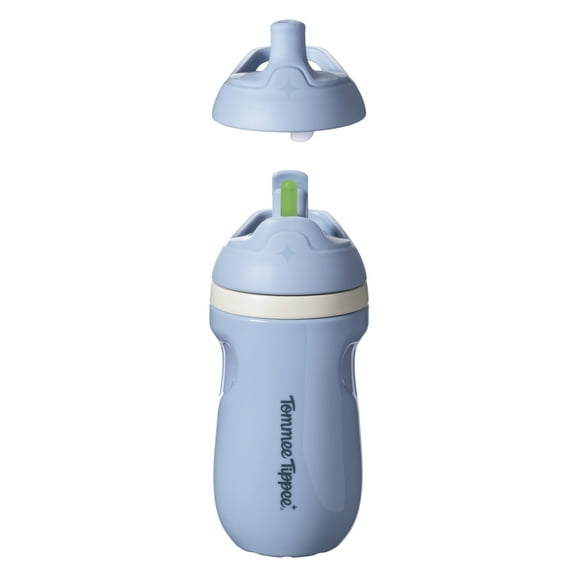
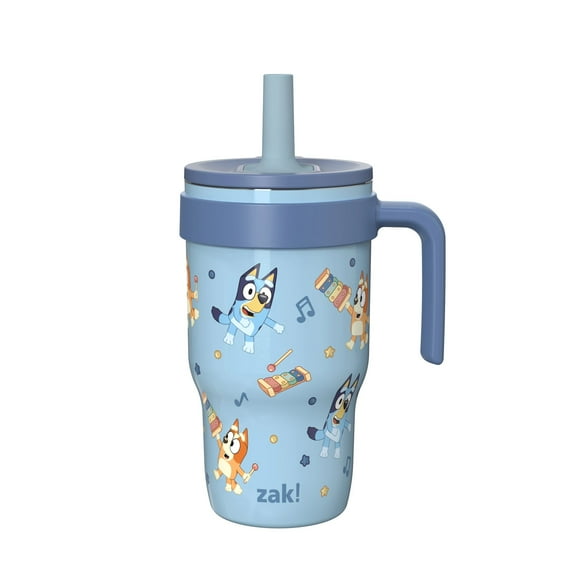
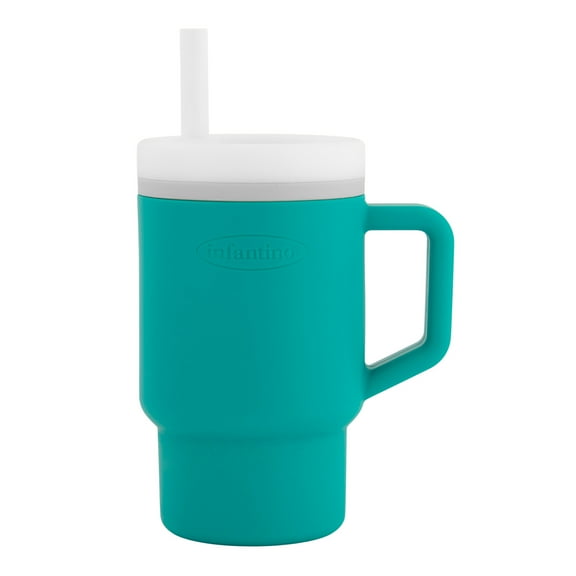
- You can choose insulated styles when you want drinks to stay cooler longer.
- You can choose spill proof designs when you need cleaner outings and easier packing.
For everyday meals, you may prefer a cup that balances spill control and quick assembly. You can often tell that balance by checking the lid shape, valve pieces, and straw construction.
Comparing materials and age ranges
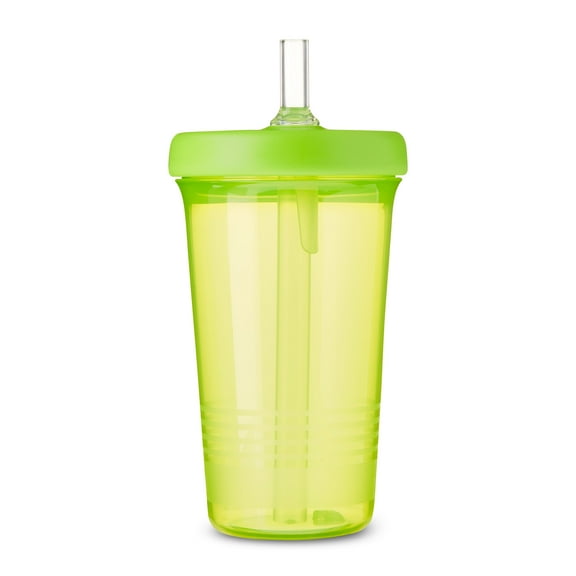
When you compare materials, you should think about weight, durability, and how the cup feels in your hand. You can choose silicone, plastic, stainless steel, or glass based on your routine.
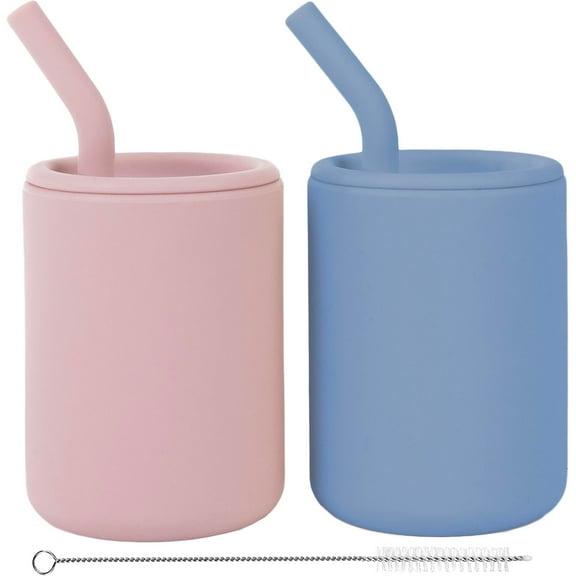
If you want a softer feel, you may look at silicone sippy cups for flexible use and easy gripping. If you want a lighter everyday option, you may lean toward plastic cups for travel and daycare.
Stainless steel can work well when you want a sturdier cup with an insulated feel. Glass can suit home use when you want a clear view of drink levels and simple contents checks.
Age range labels can help you match cup features to your child's current stage. You should check 6+ months, 12+ months, 18+ months, and toddler guidance before you choose.
For younger babies, you may want smaller bodies, easy-hold handles, and simple sipping mechanics. For older toddlers, you may prefer larger capacity, stronger leak resistance, and fewer feeding accessories.
How handle design and development affect your choice
Handle shape can influence how easily your child lifts, tilts, and steadies a cup. You can look for side handles, short grips, or handle-free bodies based on your child's hand control.
If your child is building coordination, you may prefer baby cups with handles for steadier practice. You can switch to handle-free cups later if your child grips bottles or snack cups confidently.
Some shoppers also compare cup type with oral development and feeding guidance from their care routines. You can use that information to decide whether a straw, spout, or 360 rim fits your next transition step.
In plain terms, you want a drinking style that matches how your child currently sips and swallows. You can keep progress simple by choosing one format that fits daily meals, snacks, and outings.
Using sippy cups and straw cups in real routines
At breakfast, you may want a spill-resistant cup that travels from kitchen table to play area. You can use insulated options for cooler drinks or simpler cups for quick rinsing between refills.
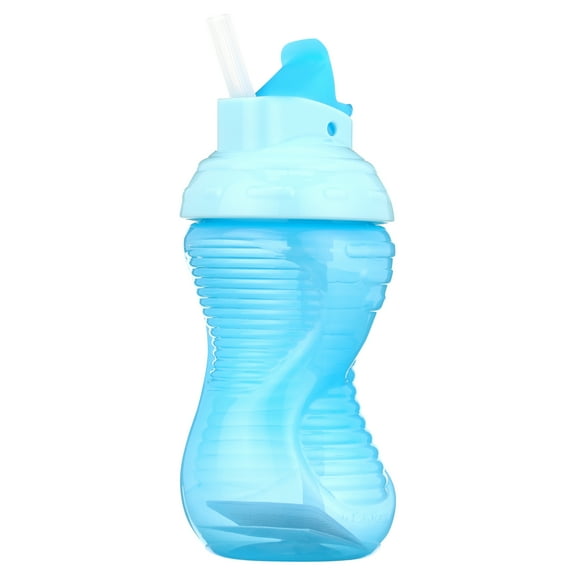
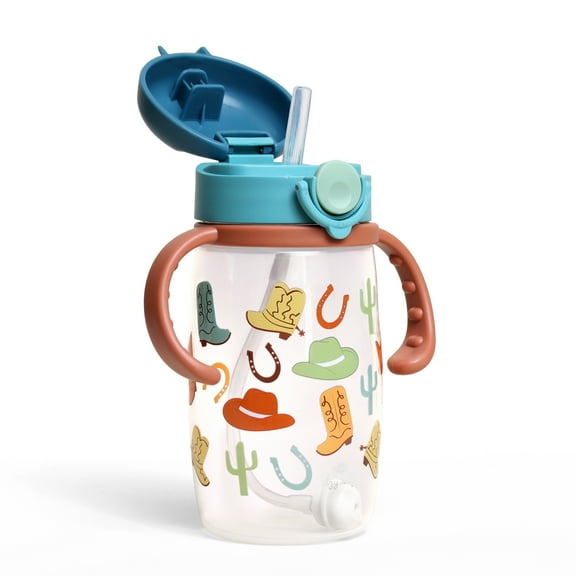
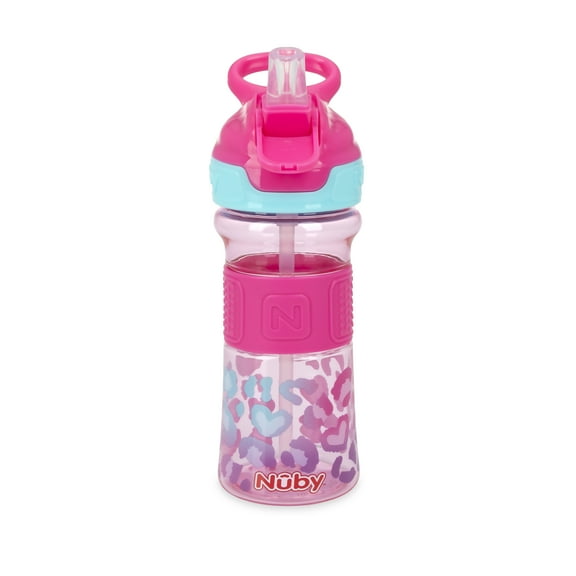
During daycare drop-off, you may need a cup that packs neatly and closes securely. You can compare flip-top straws, snap lids, and handled designs for easier carrying.
For stroller walks or car rides, you may prefer weighted straw cups that work at different drinking angles. You can keep drinks accessible without asking your child to hold the cup perfectly upright.
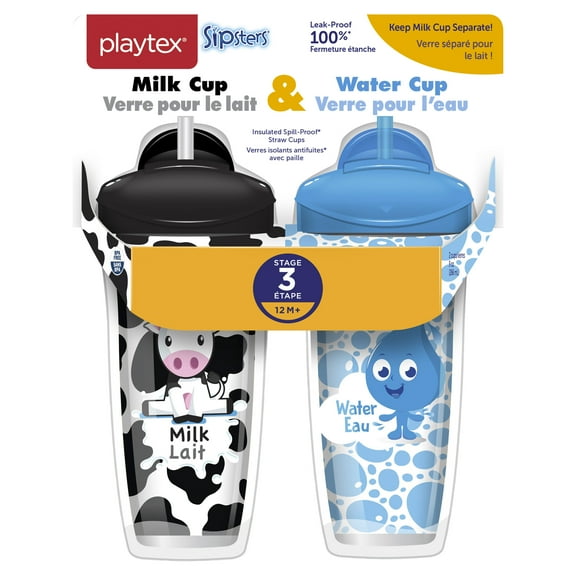
At home, you might rotate between transition cups for practice and toddler sippy cups for faster meals. You can also keep separate cups for water, milk, and thicker drinks if your routine calls for it.
When you build a feeding setup, you may also pair cups with baby bottles, baby plates and bowls, and high chairs. You can create a smoother mealtime routine when each item supports the same stage.
With the right mix of cup type, material, and features, you can make feeding transitions feel more manageable. You can choose a cup that fits your child's stage, your cleaning routine, and your daily pace.