







Suet in Bird Feed


















About Suet in Bird Feed - Walmart.com
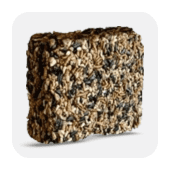
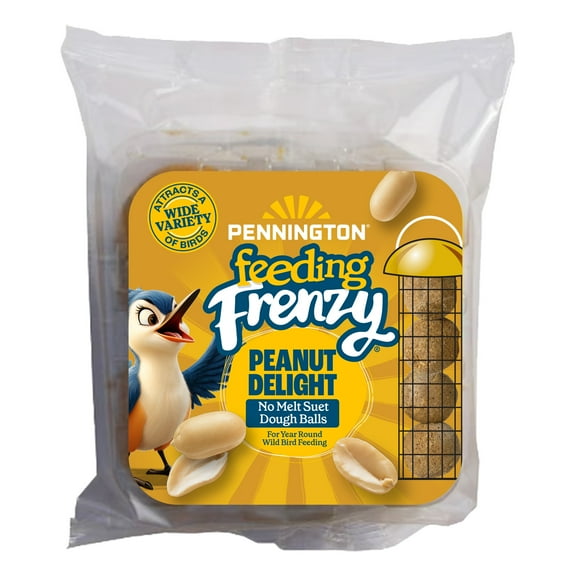
Bird suet helps you attract clinging birds with dense, easy-to-hang feed options. You can compare no melt suet cakes, species-focused blends, and pack sizes that fit your feeding routine.
Choosing the right bird suet for your yard
When you choose suet, you should start with ingredients, weather use, and the birds you want to see. You can narrow options faster when you compare these decisions side by side.
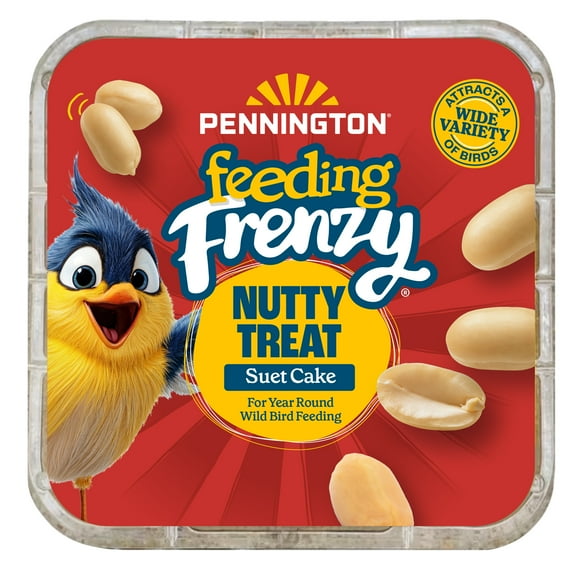
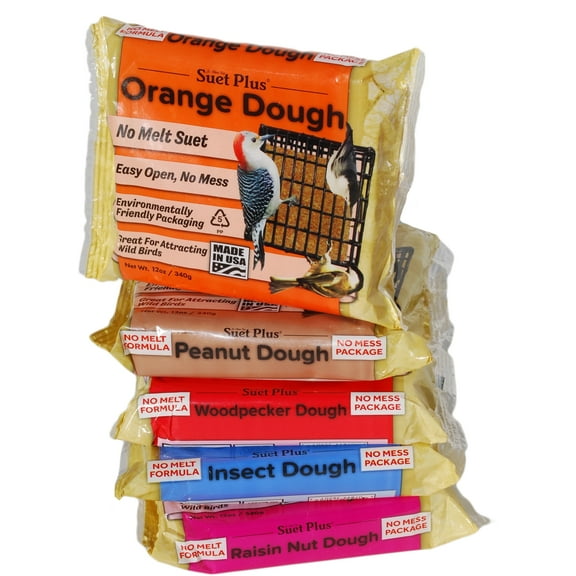
Ingredient blends shape which visitors stop at your feeder throughout the week. You may notice peanut blends draw woodpeckers, while berry or insect recipes suit bluebirds and chickadees.
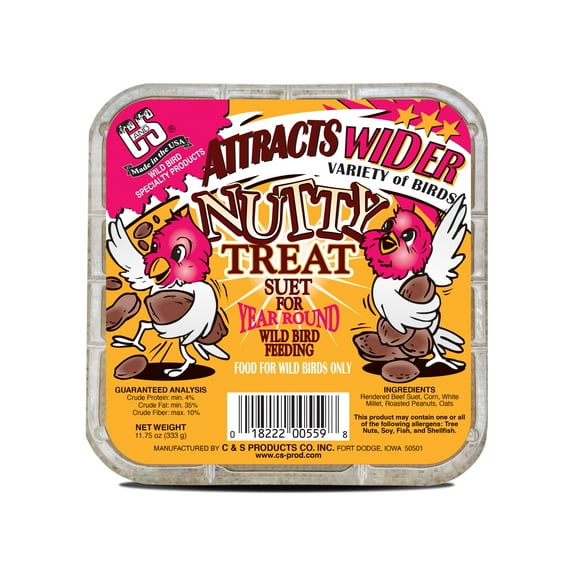
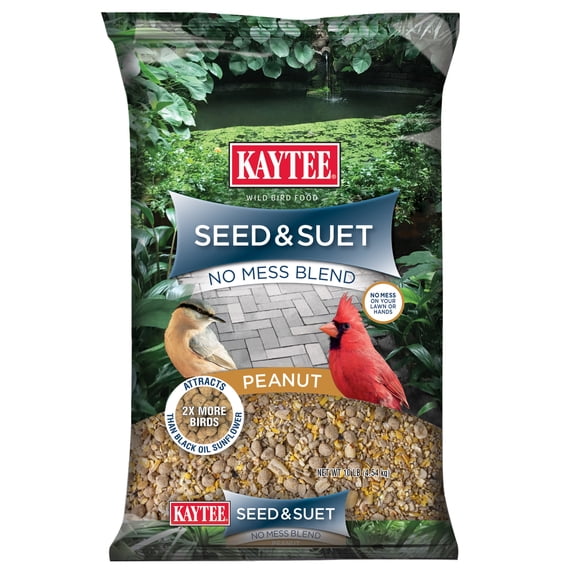
- You can use peanut or beef tallow blends when you want rich, dense feed for active clinging birds.
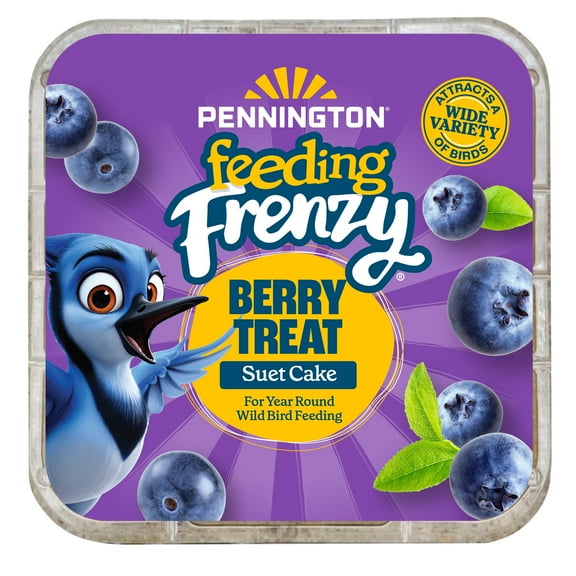
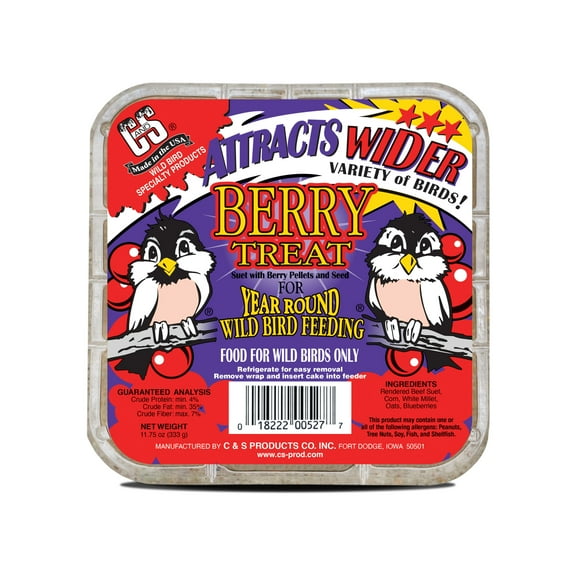
- You can try berry or insect mixes when your yard attracts bluebirds, chickadees, and other softer-bill visitors.
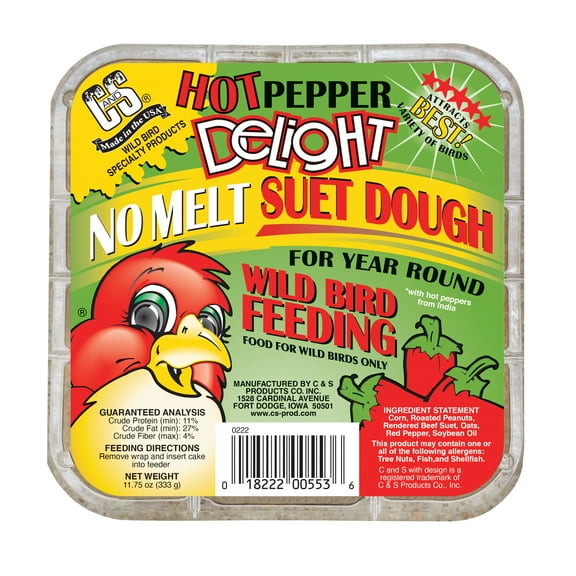
- You can pick hot pepper suet when you want a feed option many shoppers use for squirrel deterrence.
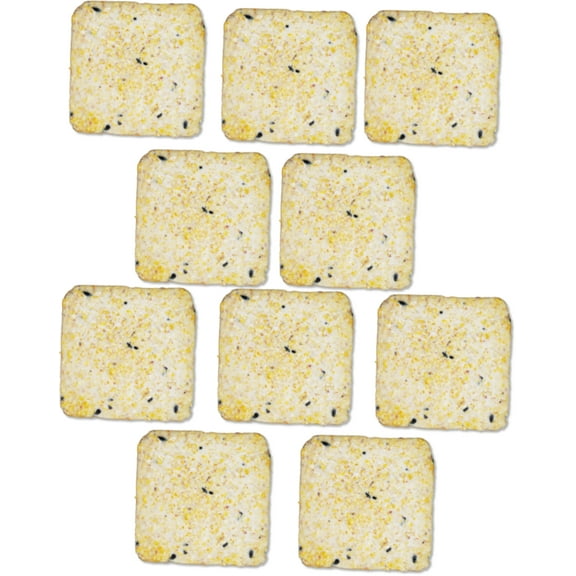
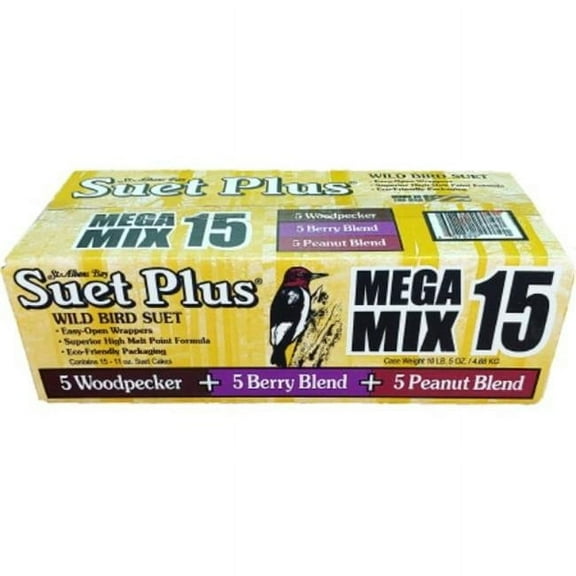
- You can choose single cakes for testing, or bulk bird suet packs for steady backyard feeding.
Weather matters just as much as flavor when you feed outside year round. You should compare all-season recipes with winter blends before warm afternoons soften standard cakes.
Pack size also changes how you plan refills and storage. You can keep a few cakes on hand for casual feeding, or choose larger cases for multiple feeders.
How to compare no melt suet cakes
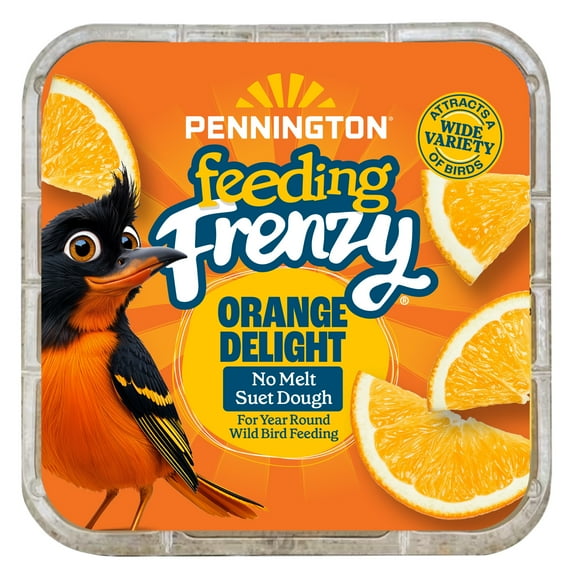
No melt suet cakes make sense when you feed during warm months or place feeders in sunny spots. You can look for blends made for higher temperatures and steadier texture.
The rendering process and melting point affect how firm a cake stays outdoors. You don't need technical expertise, but you should know these details help reduce dripping and crumbling.
All-season options support flexible feeding across changing weather patterns. You can use them in spring and summer when standard winter cakes may soften faster.
Winter blends usually focus on dense ingredients for colder conditions and heavier feeding traffic. You may prefer them when your yard sees frequent visits during colder mornings.
You should also think about feeder placement before choosing a warm-weather option. You can get cleaner performance when your suet bird feeder sits in shade or partial shade.
Matching ingredients to woodpecker suet and other species
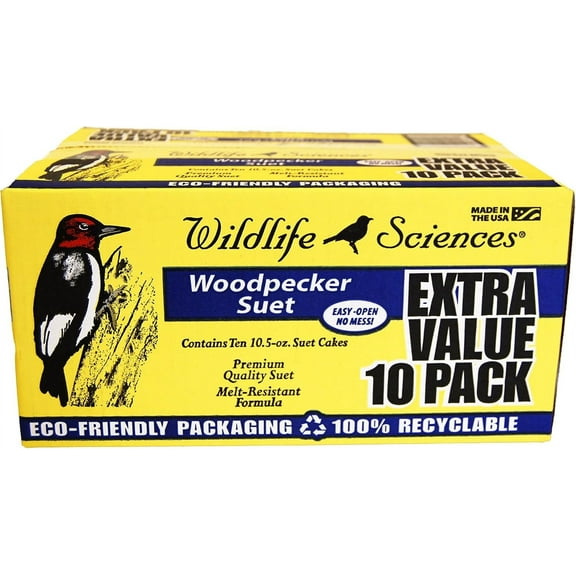
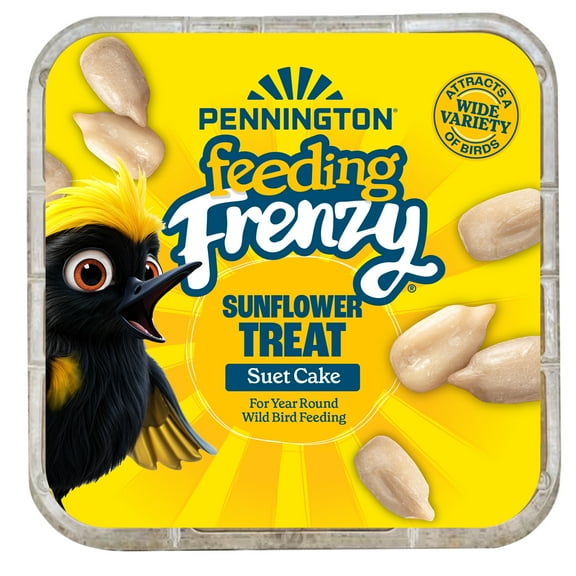
Woodpecker suet usually starts with rich fat bases and nut-heavy mixes that support frequent pecking visits. You can look for peanut pieces, seed inclusions, or dense cakes for clinging feeders.
Bluebirds often respond to softer inclusions like berries or insect-style blends. You may have more success when you match your feed to the way those birds naturally forage.
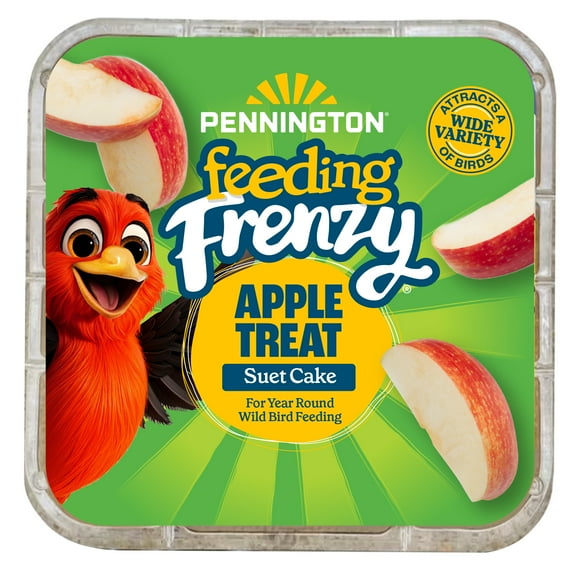
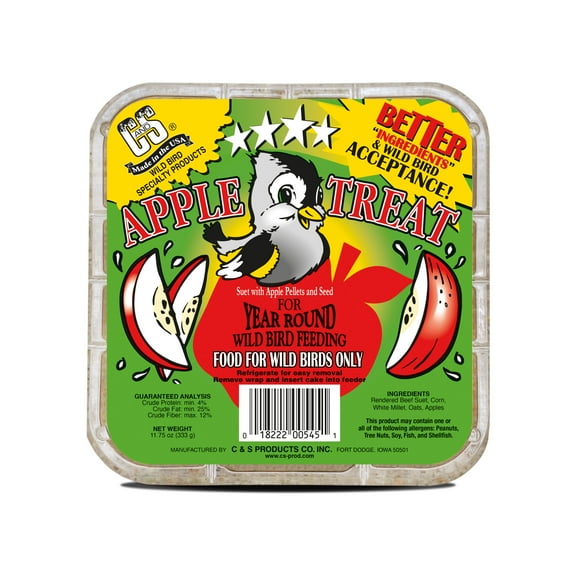
Cardinals and chickadees can visit suet too, especially when cakes include seeds or fruit notes. You can broaden feeder traffic when you rotate flavors through the seasons.
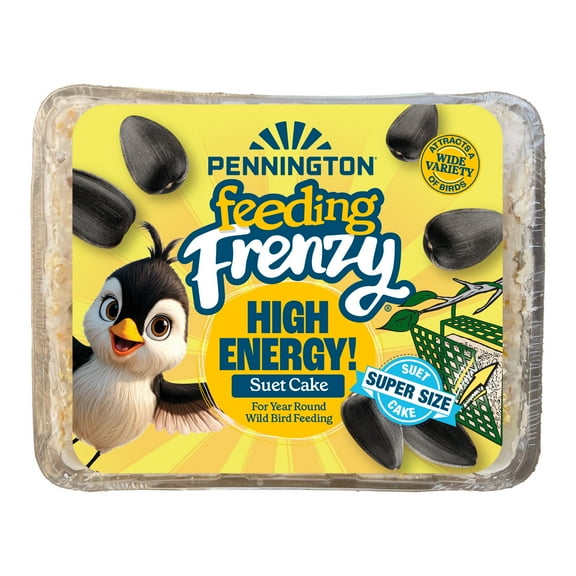
High energy suet works well when you want a concentrated food source in colder weather. You can use it to support regular feeder activity when natural food sources shift.
If you're building a species-friendly setup, you should pair the cake with the right feeder style. You can use tail-prop or vertical suet bird feeder designs for woodpeckers and similar clingers.
What to look for in squirrel deterrence and feeder setup
You may want cleaner feeding and fewer interruptions around your setup. You can compare hot pepper suet with feeder accessories when you want a more controlled station.
Hot pepper suet is a common choice for shoppers who want a targeted ingredient approach. You should still check feeder design, because cage spacing and placement also shape daily use.
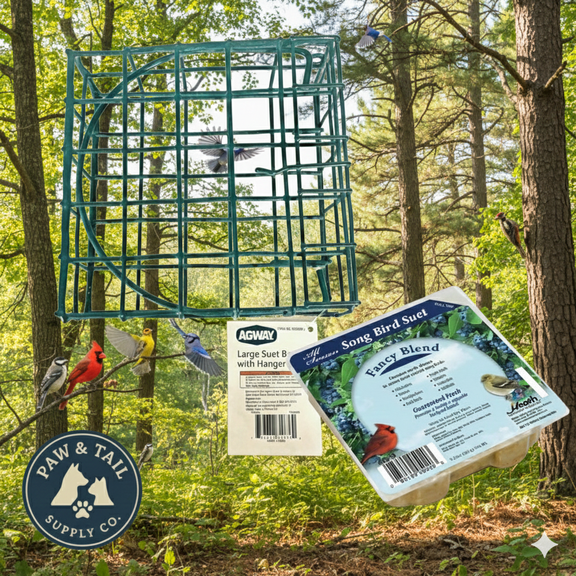
Suet cages hold cakes in place and help birds cling while they feed. You can reduce waste when the cage fits the cake size closely and opens easily for refills.
A double-cage or tail-prop style can change which birds use the station most often. You may prefer simple cages for mixed visitors or specialized shapes for woodpeckers.
You should place feeders where you can refill them easily and watch bird activity clearly. You can keep your setup tidier when you choose sheltered spots away from heavy splash zones.
Choosing pack size, storage, and year-round use
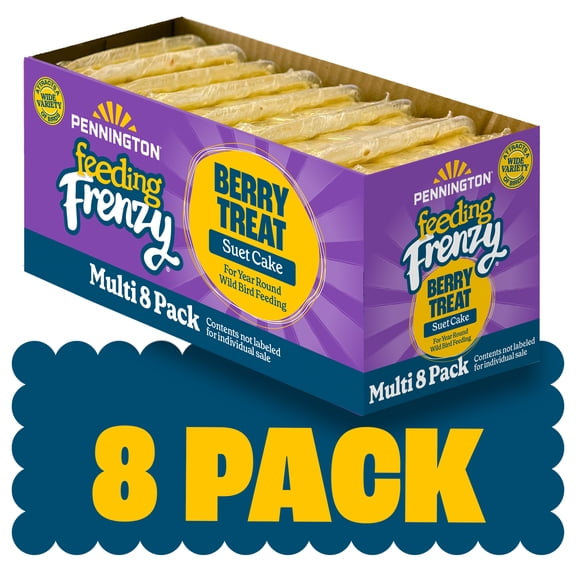
Pack size matters when you feed one small station or several feeders across your yard. You can start with a single cake, then move to a four-pack or 10-pack.
Bulk bird suet works well when you refill often or maintain more than one feeding spot. You should check storage space first, especially if you buy larger cases.
You can keep cakes in a cool, dry place to help preserve texture and handling. Your storage routine matters more when you rotate winter blend and no melt options.
Some shoppers keep one flavor year round, while others switch by weather and bird activity. You can build a more intentional feeding plan when you match packs to seasonal use.
Bird suet gives you a focused way to feed woodpeckers, bluebirds, chickadees, and other backyard visitors. You can choose ingredients, weather suitability, and pack size with more confidence for cleaner, steadier feeding.