


Results for "Mops"























About
Mops help you keep hard floors looking tidy with less effort. You can compare spin mops, spray mops, and floor mops by surface, pad style, and wringing control.
How to choose mops for your floors
Your floor type should guide your first choice. You’ll want different moisture levels for hardwood, tile, laminate, and multi-surface rooms.
For hardwood floor mops, you should look for controlled moisture and soft pad contact. You can use that combination to clean sealed wood without leaving excess water behind.
On tile, you may prefer more scrubbing texture and a head that reaches grout lines. On laminate, you’ll usually want quick drying passes and light spray coverage.
If you clean several rooms, you can compare multi-surface options with interchangeable pads or adjustable spray flow. You’ll get more flexibility when one tool works across kitchens, bathrooms, and entryways.
Key differences between spin mops, spray mops, and floor mops
Mechanism type changes how you clean and how much effort you use. You should compare spin, spray, flat, string, and steam styles based on your routine.
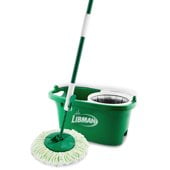
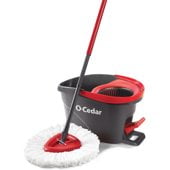
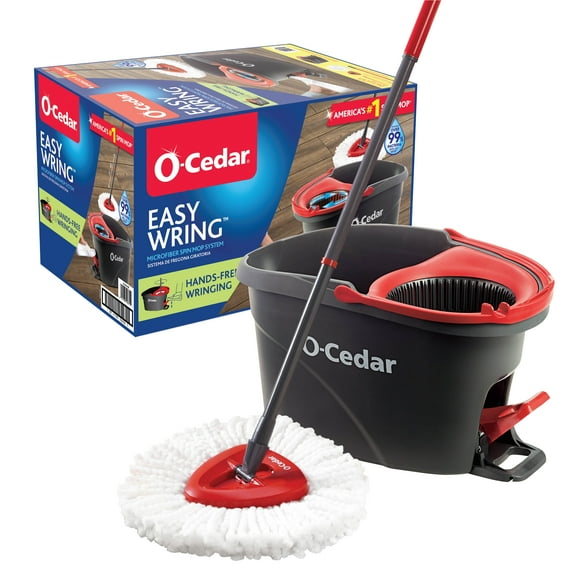
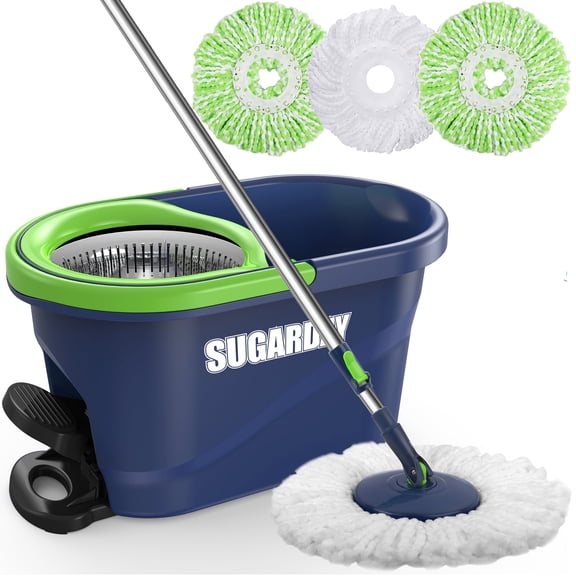
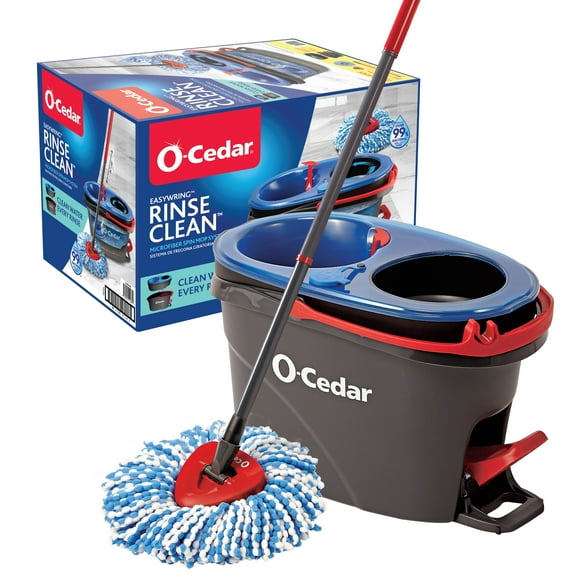
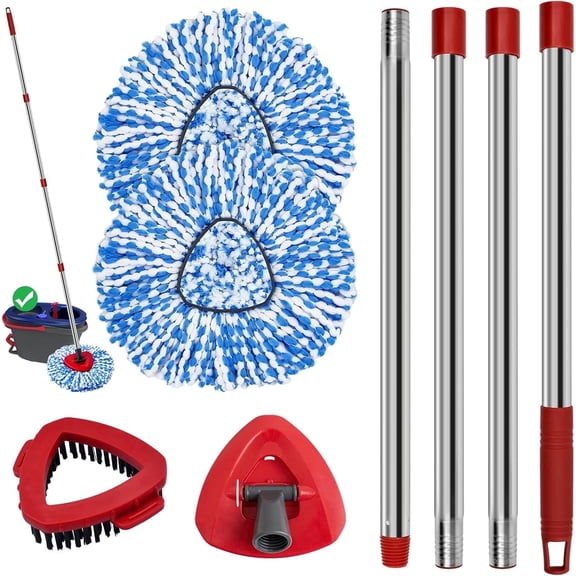
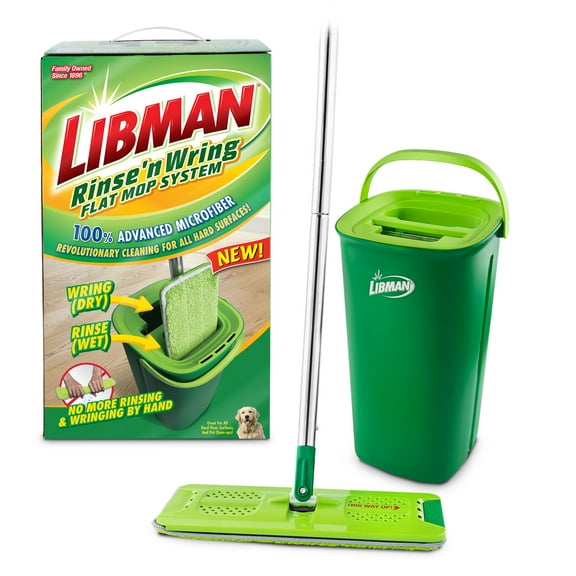
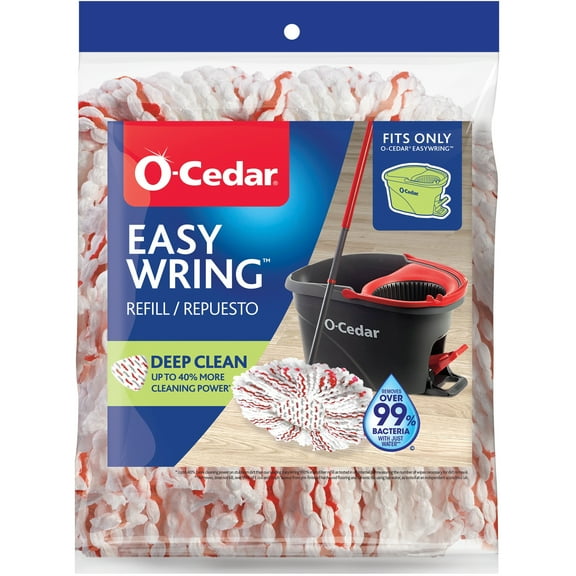
Spin mops can help you control water with a bucket system and wringing action. You may prefer a foot pedal spin or hand press spin when you want less bending.
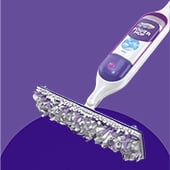
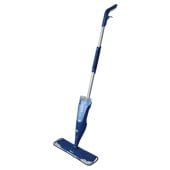
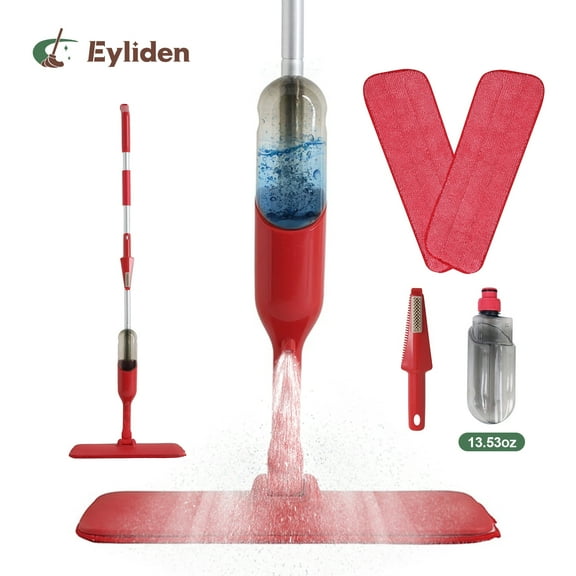
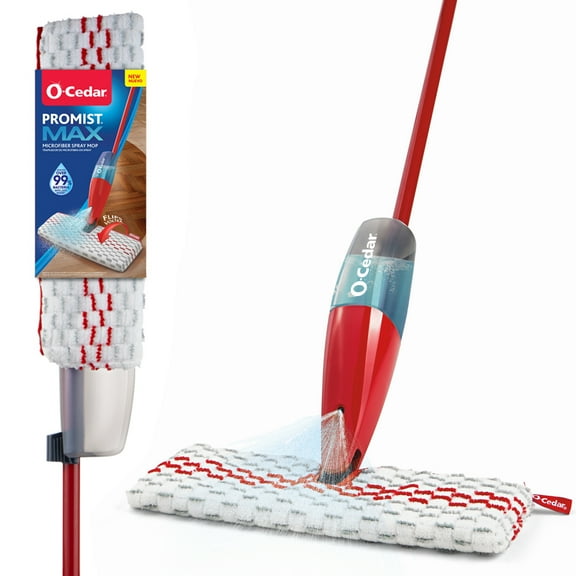
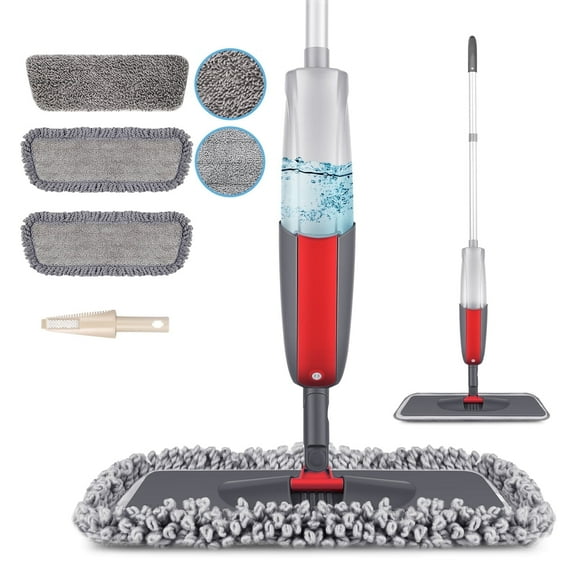
Spray mops can simplify quick cleanups because you dispense solution as you move. You’ll often like this style for daily passes in kitchens, hallways, and dining spaces.
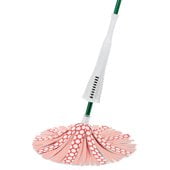
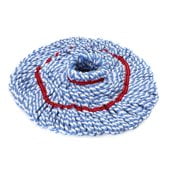
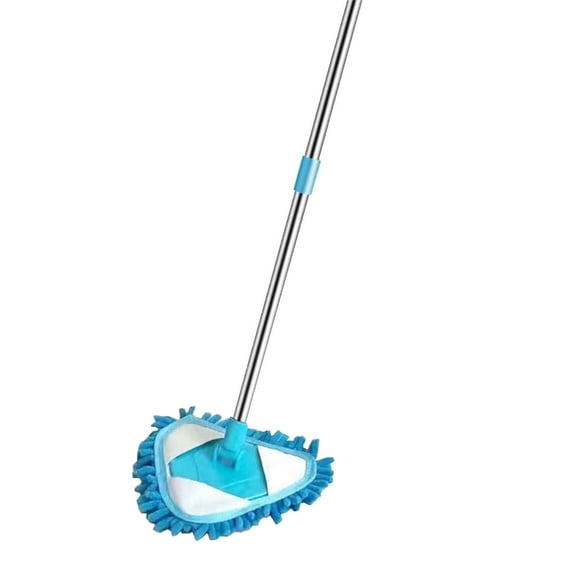
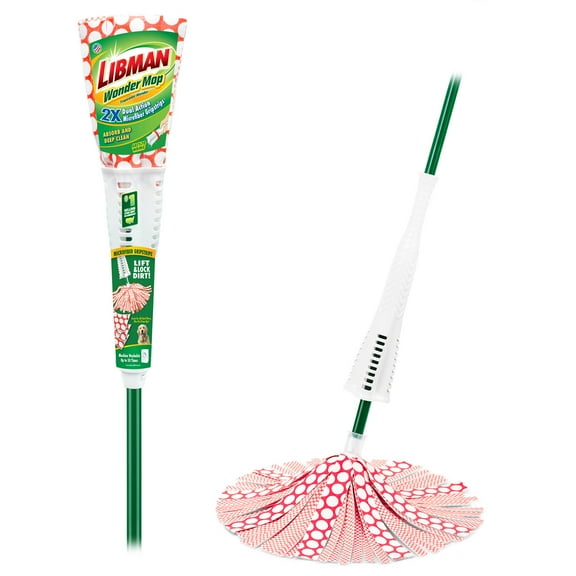
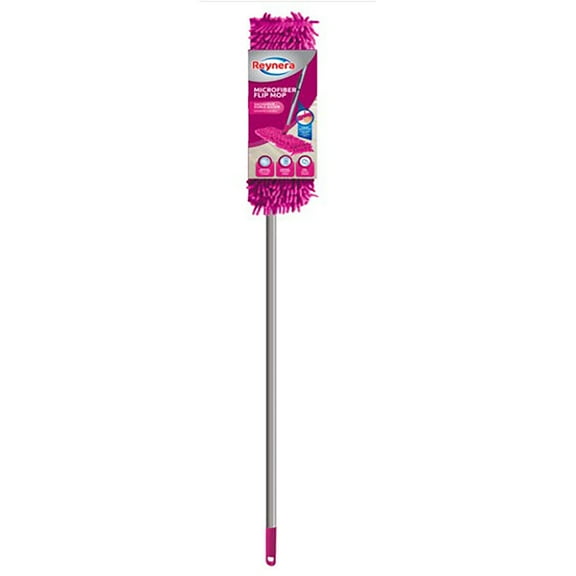
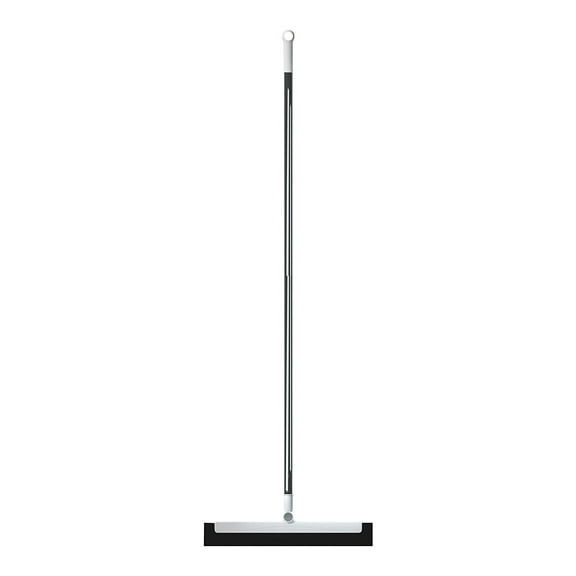
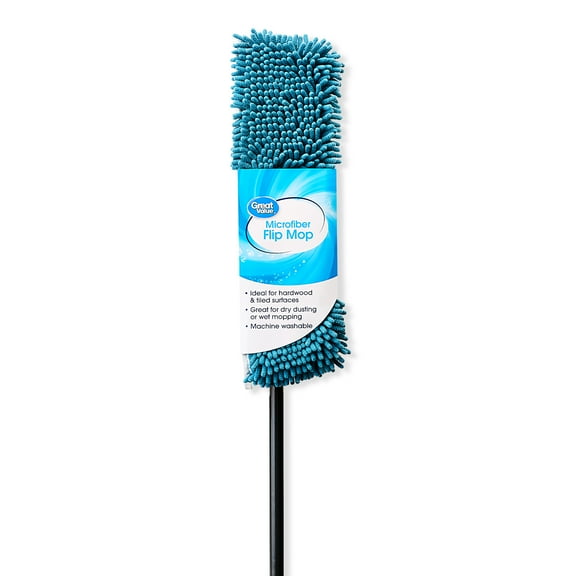
Flat floor mops can give you a low profile for corners and furniture edges. String styles can cover larger messy areas, while steam styles suit shoppers seeking powered cleaning formats.
- You can choose spin mops when you want bucket wringing and adjustable moisture.
- You can choose spray mops when you want fast touch-ups and fewer cleanup steps.
- You can choose flat mops when you want easy reach under couches and tables.
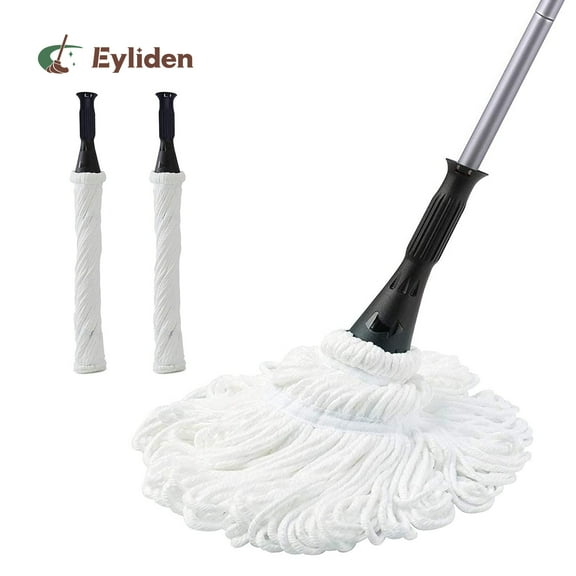
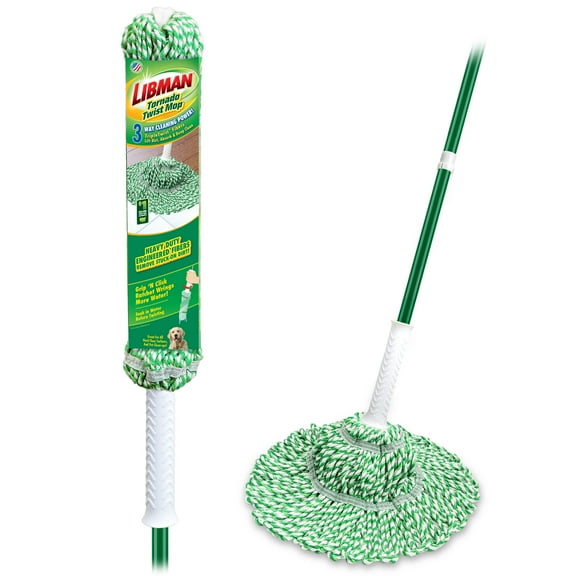
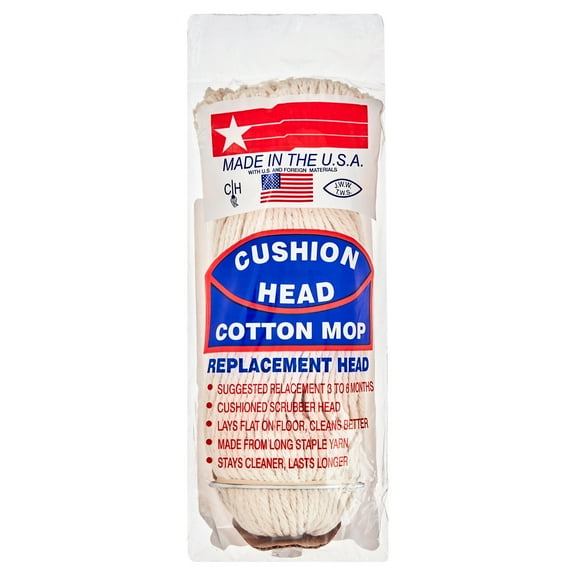
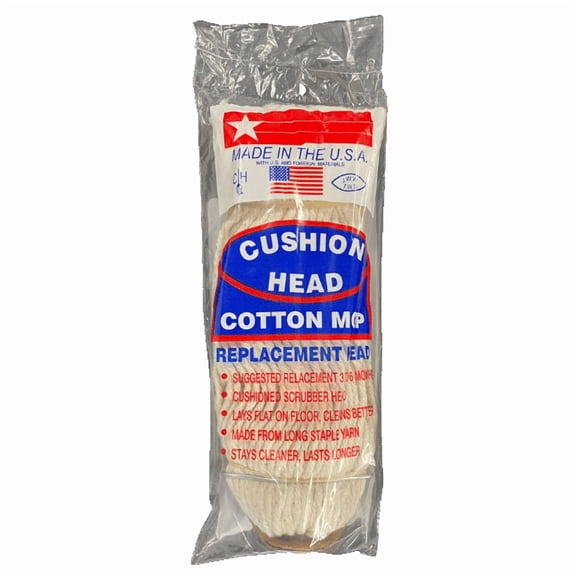
- You can choose string mops when you want fuller strands for broad floor coverage.
- You can choose steam styles when you want an electrical cleaning format for sealed surfaces.
What to look for in mop head material and pads
Mop head material affects absorbency, texture, and how your floors feel after each pass. You should compare microfiber, cotton, sponge, and synthetic heads with your surface in mind.
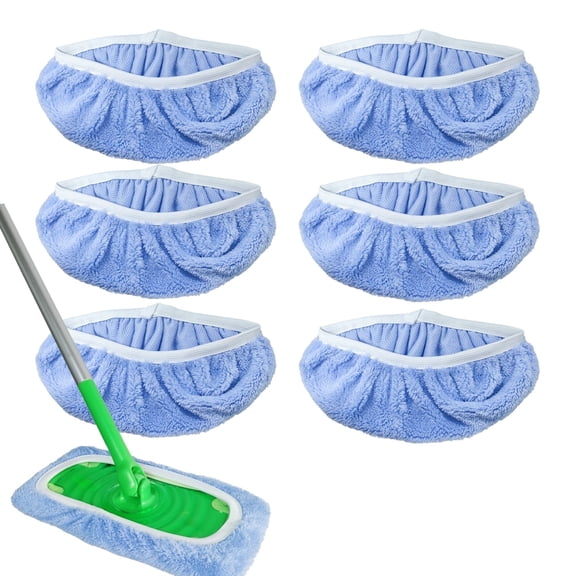
Microfiber mops are popular when you want strong pickup for dust, hair, and fine debris. You’ll also notice microfiber pads glide smoothly across sealed hardwood and laminate.
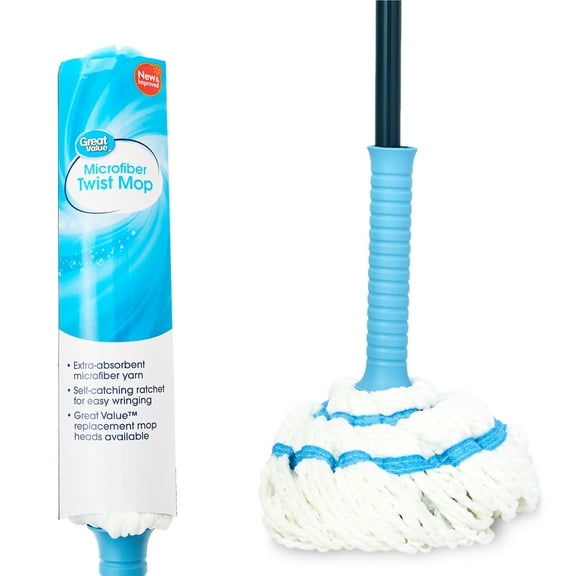
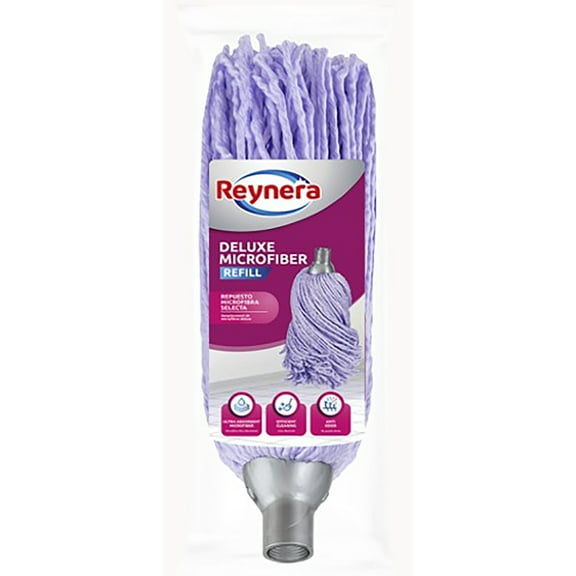
Cotton heads can feel familiar for wet cleaning jobs and larger open areas. Sponge styles can help you target spills, while synthetic fibers can support everyday household routines.
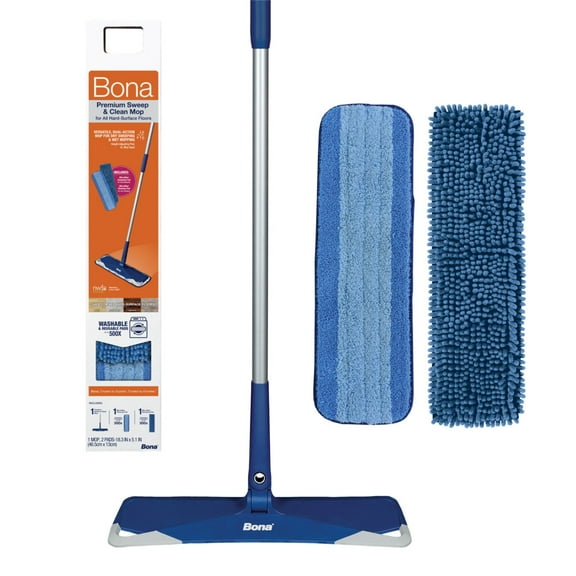
Your pad choice matters too. You can compare machine washable pads and disposable pads based on laundry habits, replacement preference, and how often you clean.
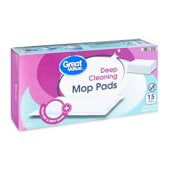
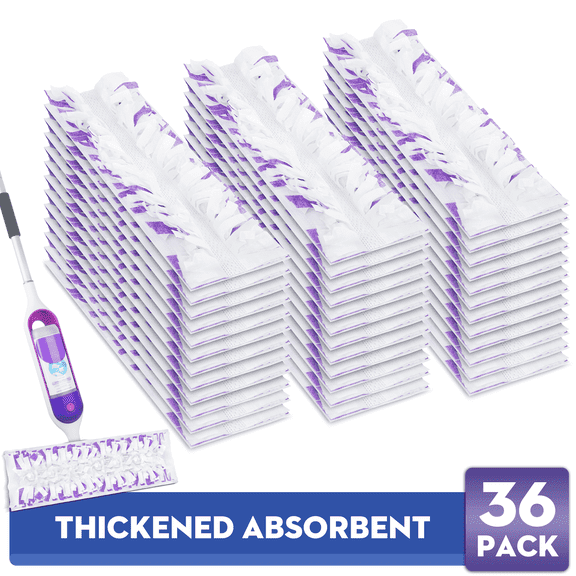
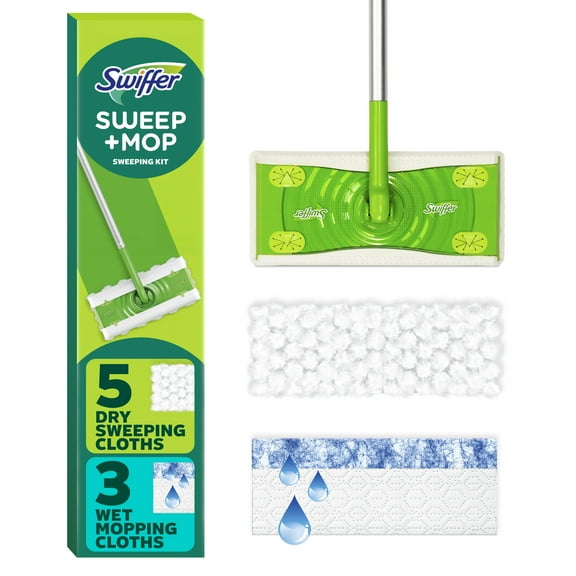
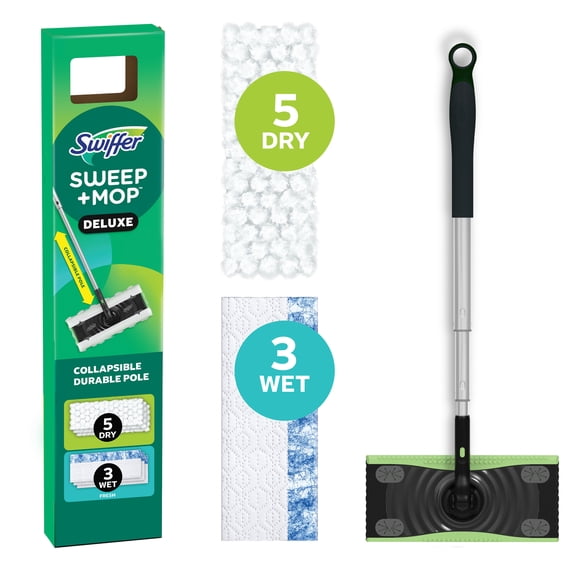
Washable mop pads can suit regular routines when you want reusable components. Disposable pads can suit quick swaps when you want a fresh pad ready for the next room.
Choosing the right size, handle, and storage setup
Storage and size can shape how often you actually use your mop. You should check handle length, head width, and bucket footprint before you decide.
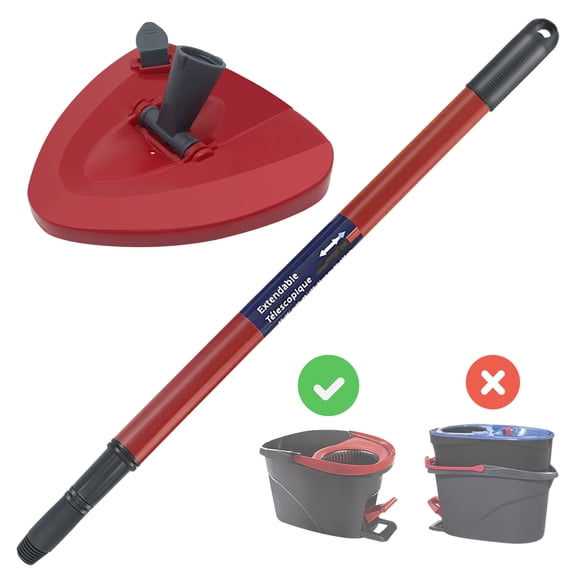
A telescopic handle can help you adjust reach for stairs, baseboards, and taller users. A fixed handle can work when you want a simple setup with fewer moving parts.
A wider head can cover open floors faster, but you may lose some agility in tighter spaces. A smaller head can help you clean around toilets, chair legs, and narrow laundry rooms.
If you live with limited storage, you may want slim spray mops or compact bucket systems. You’ll appreciate designs that tuck into closets without taking over shelf space.
How mops fit your cleaning routine
Your routine can point you toward the right combination of mechanism, material, and pad type. You should match your mop to the messes and rooms you clean most.
For quick weekday resets, you may choose spray mops with microfiber pads for crumbs and light marks. You’ll move from kitchen to hallway without filling a separate bucket.
For deeper weekend cleaning, you may prefer spin mops that let you rinse and wring repeatedly. You’ll get more control when tile, laminate, and entry floors need heavier wet cleaning.
If you manage pets or busy entryways, you can look for microfiber mops with washable pads. You’ll have an easier time rotating fresh pads through frequent cleanups.
During spring cleaning mops become useful for baseboards, corners, and under furniture. You can pair a flat head and adjustable handle with those detailed tasks.
If your home mixes sealed wood, tile, and laminate, you should prioritize surface compatibility first. You’ll feel more confident choosing one system that supports your rooms and your pace.
Your choice gets easier when you compare moisture control, pad style, and handle design together. You can narrow mops faster and end up with a cleaning tool that fits your floors.