

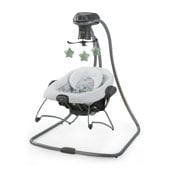
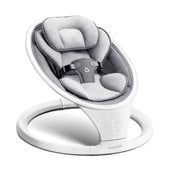
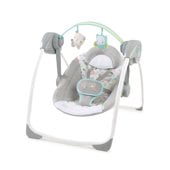
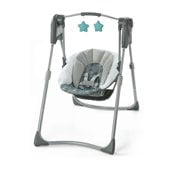


Baby Swings


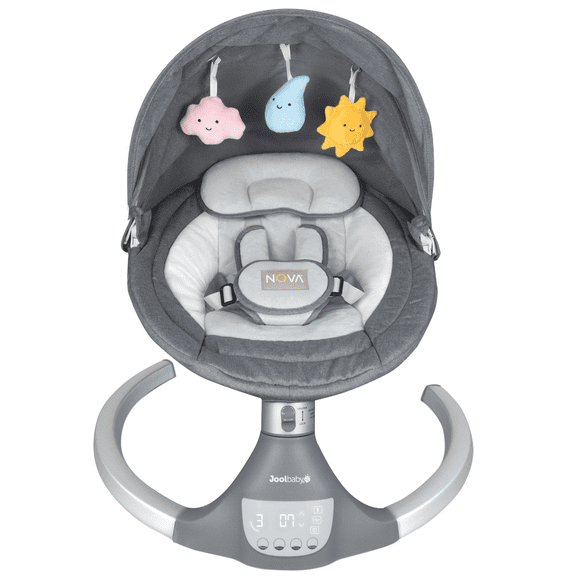


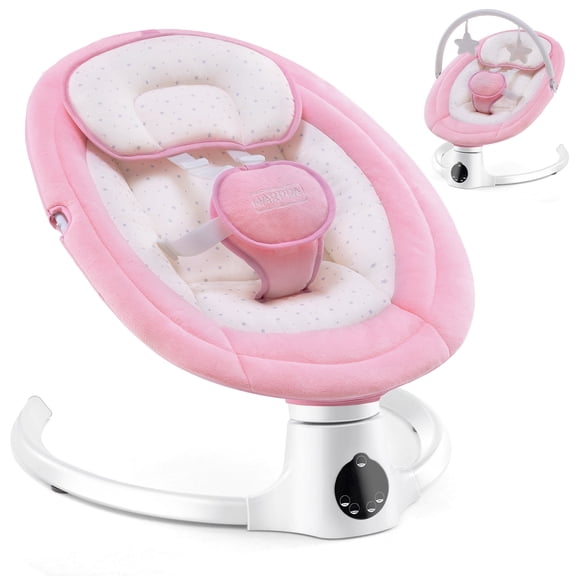
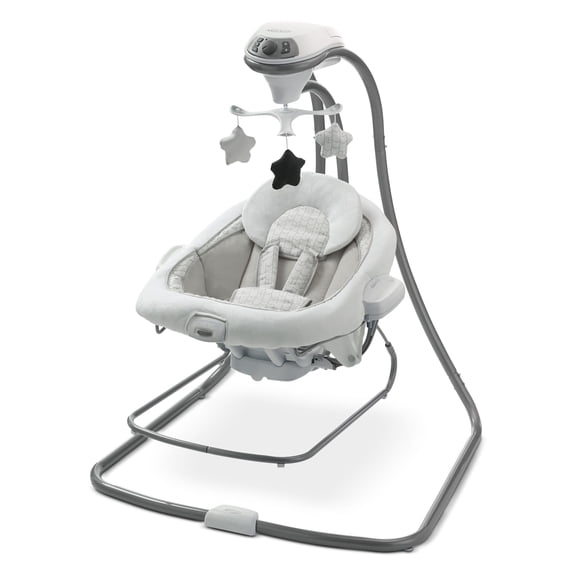


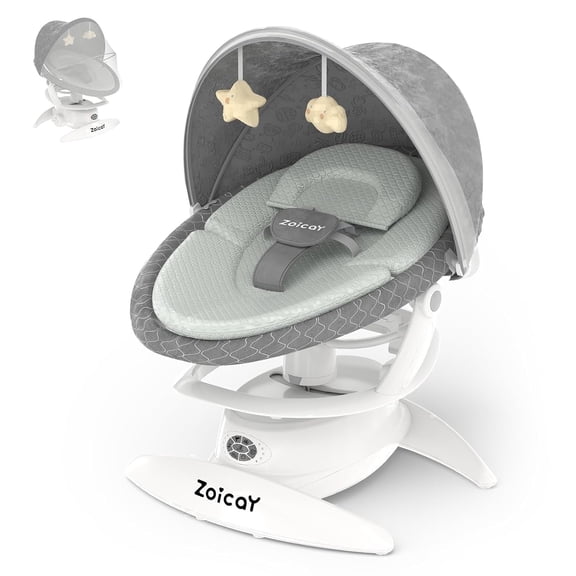


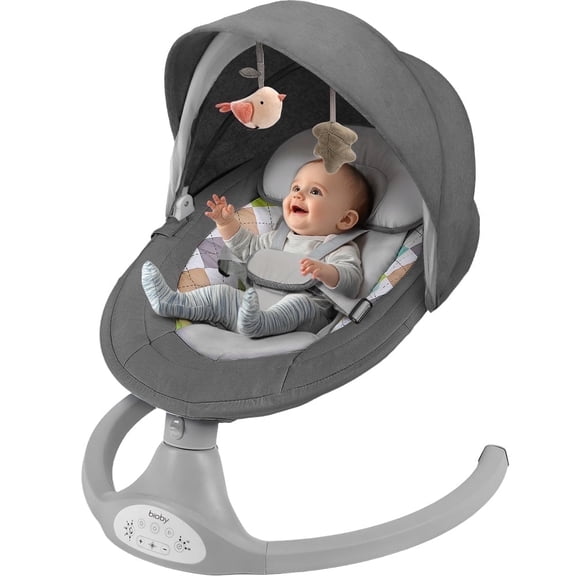


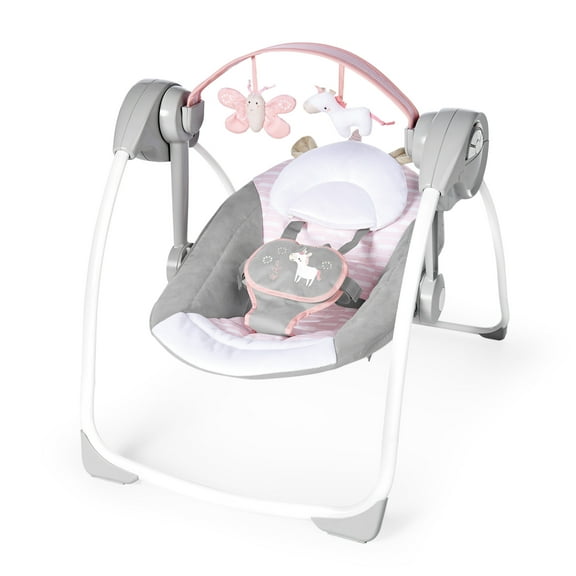


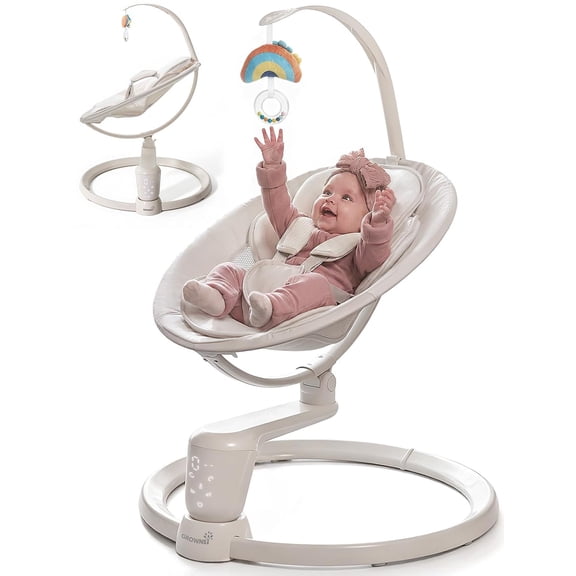


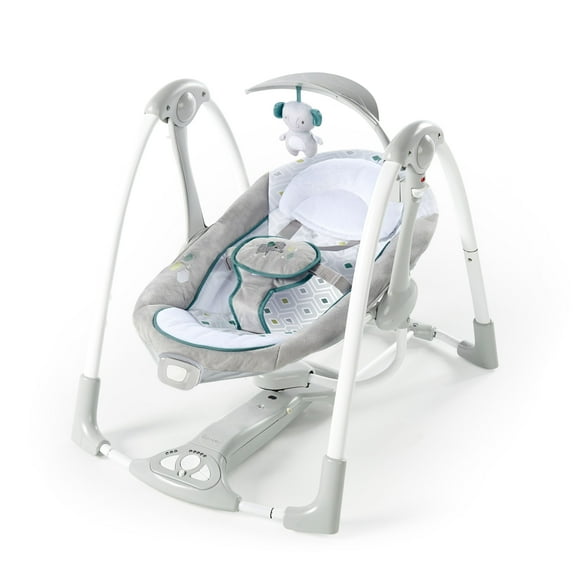














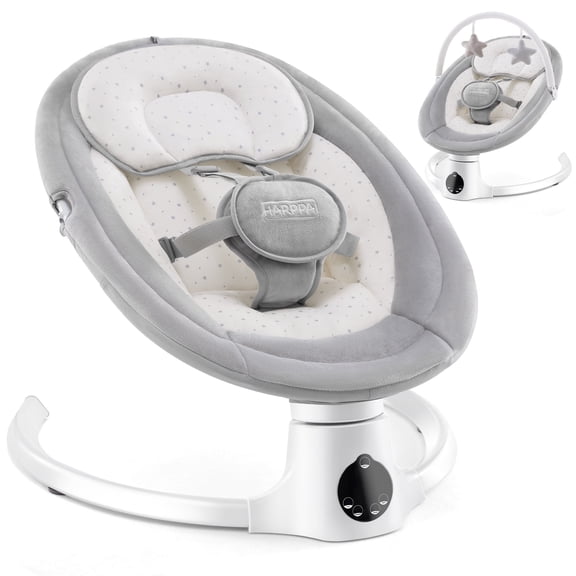

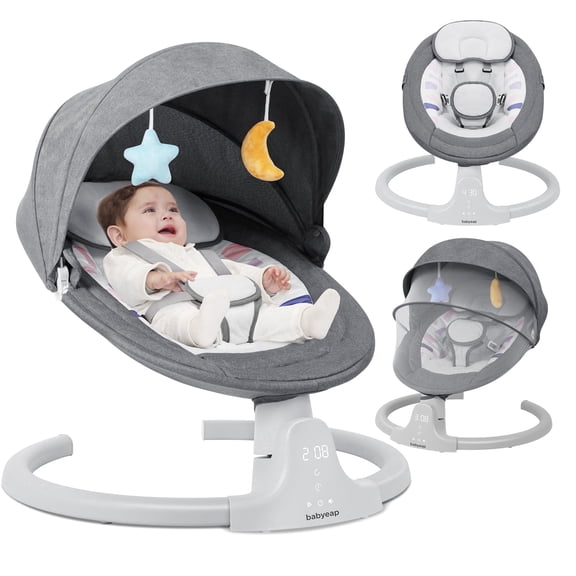


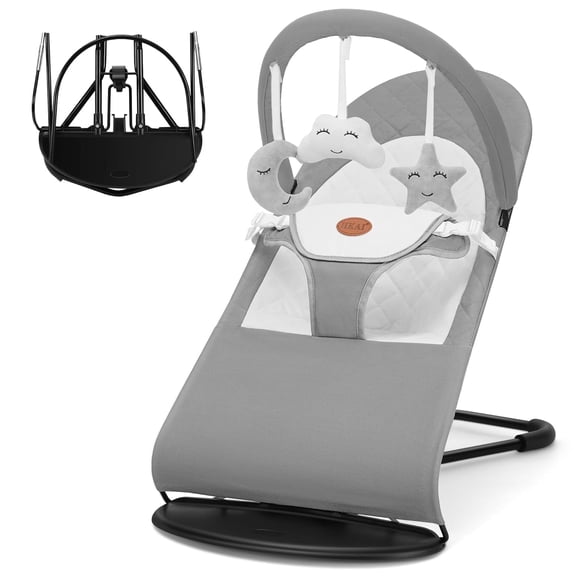


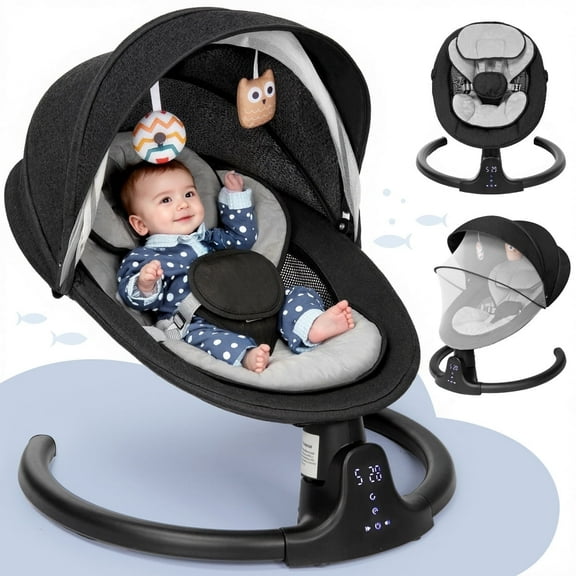


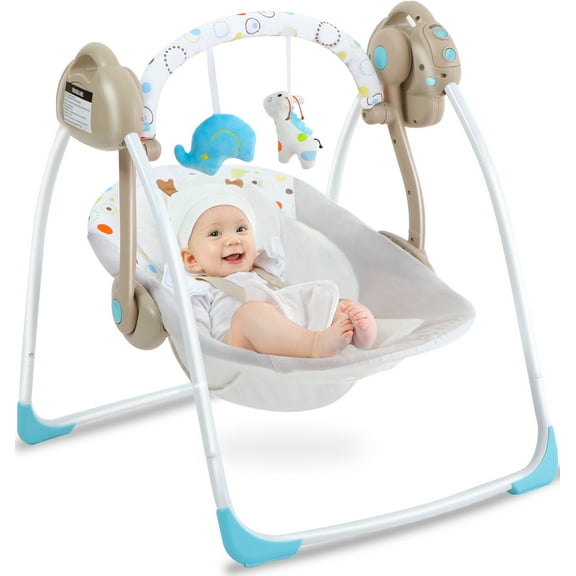


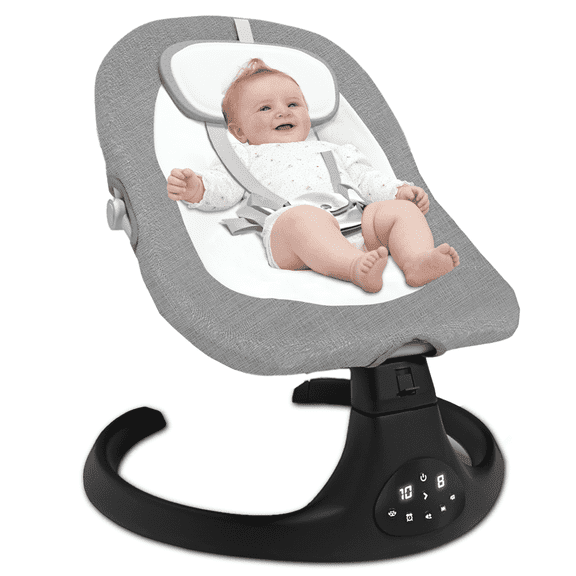
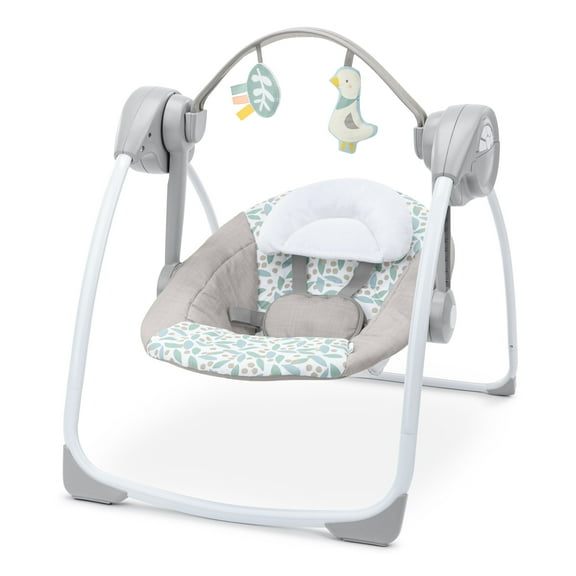

About Baby Swings - Walmart.com
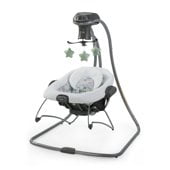
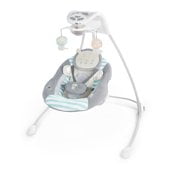
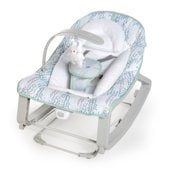
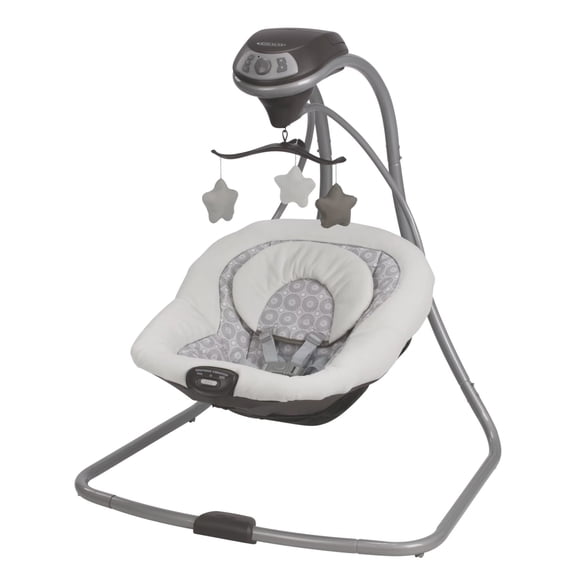
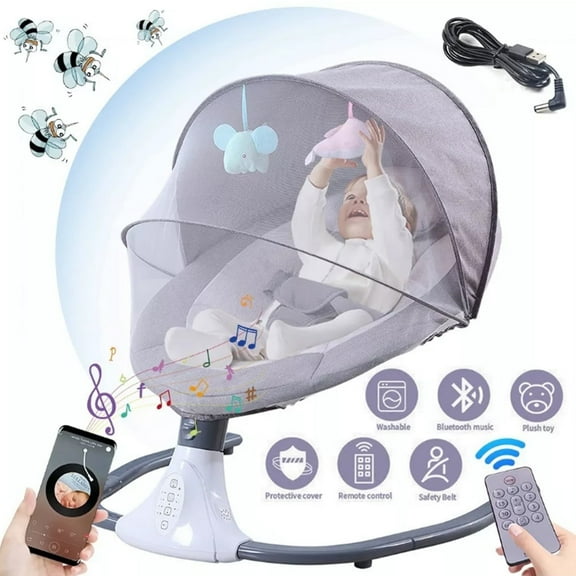
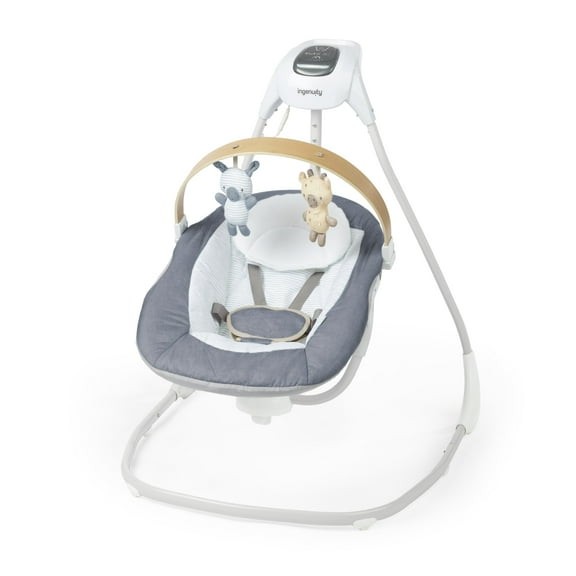
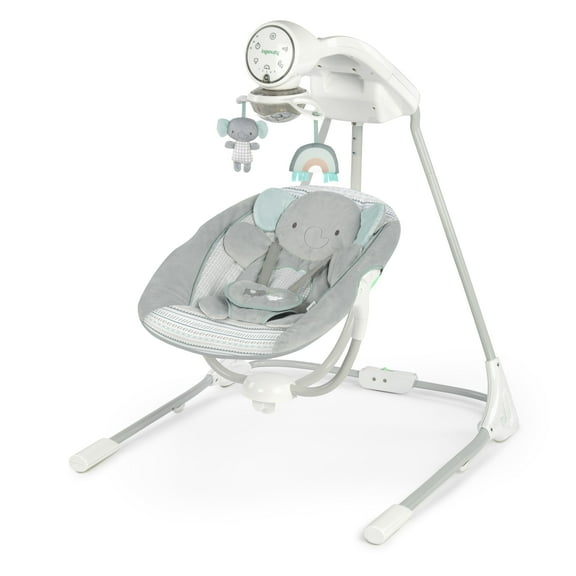
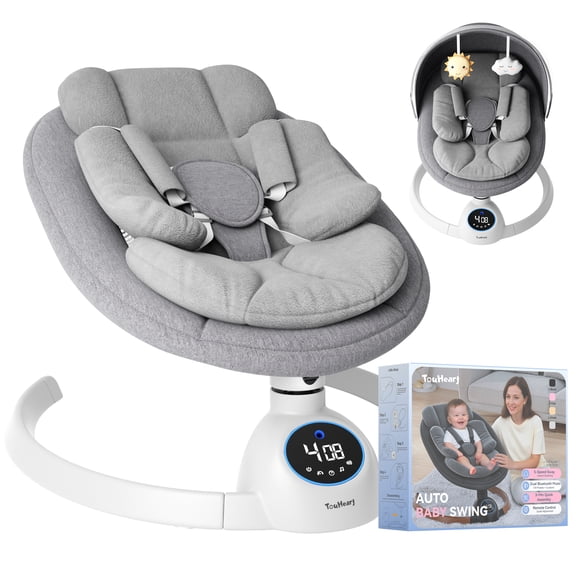
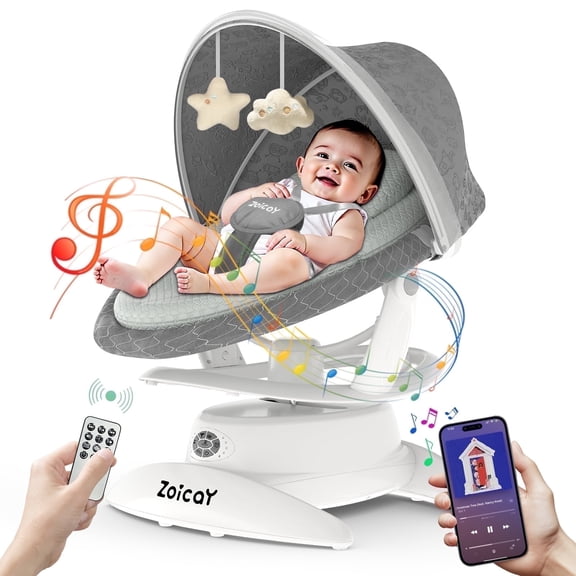
Baby swings help you create a calmer routine with hands-free comfort and soothing motion for feeding breaks, laundry time, and everyday nursery moments. You can compare compact frames, power options, and harness styles to choose a swing that fits your space and your baby's stage.
How to choose baby swings for your space and routine
When you compare baby swings, you'll want to start with where you plan to place them each day. You may prefer a compact footprint for apartments, or you may want a larger frame for a dedicated nursery corner.
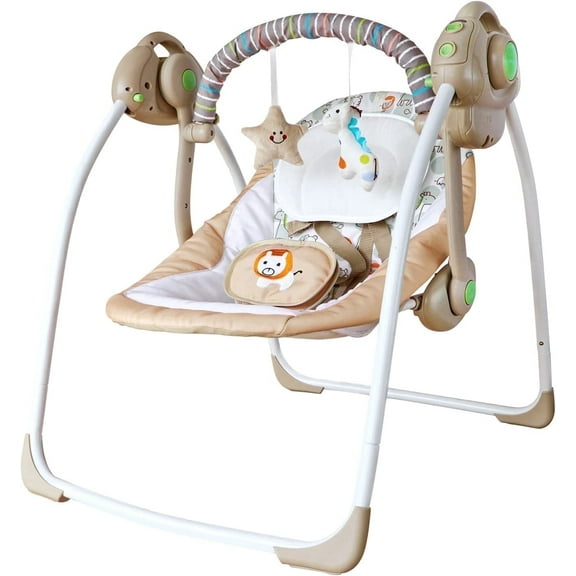
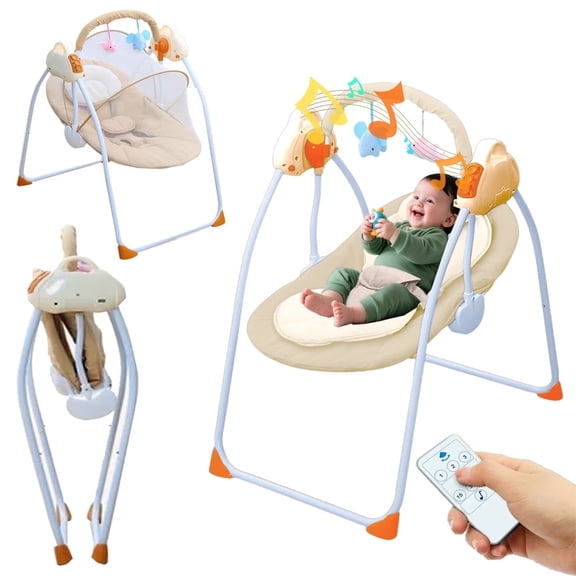
If you move gear from room to room, you'll notice portable baby swings are easier to carry and tuck away. You can also look for folding designs that fit closets, nursery walls, or open floor space.
Your daily routine also shapes the right choice. If you need frequent setup changes, you'll appreciate lighter frames, quick-fold designs, and a baby swing seat that's simple to wipe clean.
Choosing portable baby swings and full-size frames
You can use portability as a practical filter when you're narrowing options. Portable baby swings usually suit smaller rooms, shared living spaces, and families who want easier storage between uses.
Full-size travel-friendly designs can give you a roomier frame while still offering a foldable build. You should compare the base shape, folded profile, and carry-friendly details before you decide.
- You can fit compact swings more easily beside a crib, glider, or dresser.
- You can fold some frames faster when you need open floor space.
- You can move lighter designs between the nursery, living room, and bedroom.
- You can choose a larger seat area when your setup allows a fuller footprint.
For shared spaces, you may want a swing that stores neatly after naps and playtime. For a dedicated nursery, you may prefer a steadier full-size frame with a wider base.
Comparing electric baby swings and power sources
You should check power source details early because they affect placement and daily convenience. Electric baby swings can work well when you want steady motion without frequent battery changes.
Plug in baby swings can suit one consistent spot near an outlet, especially if you use the swing often. Battery-operated models can give you more flexibility when you want fewer cords in your setup.
Hybrid AC and battery designs can give you two ways to power the same swing. You can keep the swing plugged in at home, then switch power sources when you move it elsewhere.
AC adapter compatibility matters because you need a simple setup that matches your room layout. Battery life expectancy also matters because you may want fewer interruptions during your regular routine.
What motion type and speed settings mean for you
You can compare motion type by thinking about how you want the seat to move. Some infant swings use a standard front-to-back pattern, while others offer multi-directional glide movement.
A standard swing pattern can feel familiar and straightforward when you want simple controls. A multi-directional glide can give you another motion style if you want more ways to match your baby's preferences.
You may also see a vibrating seat paired with swinging motion. That combination can give you another soothing feature without changing the swing's main footprint.
Speed settings help you fine-tune the experience instead of relying on one fixed motion. You should look for clear controls, easy adjustments, and settings you can change without extra steps.
Checking harness style, size range, and newborn fit
You should compare harness details carefully because secure positioning is a key part of swing design. A 5-point harness gives you more contact points, while a 3-point harness gives you a simpler layout.
Newborn swings often highlight seat support, recline-friendly design, and fit for earlier stages. You can also check the stated age and weight range, including options rated up to 25 lbs or up to 30 lbs.
If you're shopping for an infant, you'll want the seat shape and harness placement to feel easy to adjust. You should also measure the swing's footprint so it fits your room without crowding your walkway.
As you compare infant swings, look for a stable base and clear product guidance. You can make a more confident choice when the harness style, seat support, and size range match your routine.
Matching baby swings to everyday use
You may want one setup for a small apartment, another for a larger nursery, and another for travel between rooms. That is why power source, foldability, motion type, and seat size matter together.
For compact homes, you can pair a folding frame with battery operation for easier placement away from outlets. For frequent daily use, you may prefer electric baby swings with a plug-in option and simple speed controls.
If you're planning around a younger stage, you can focus on newborn swings with supportive seating and clear age guidance. If you need longer use, you can compare models with higher weight limits and roomier seat dimensions.
You may also consider outdoor baby swings when you're reviewing warm-weather gear, but indoor nursery swings remain a different category choice. You should keep your search focused on seat support, indoor power options, and nursery-friendly footprints.
When you compare baby swings through these decision points, you'll narrow choices faster and with more confidence. You can land on a swing that fits your room, your routine, and your need for steady soothing support.