


Find tires that fit
Let’s search for tires that fit your vehicle.All-Terrain Tires in Tire Types


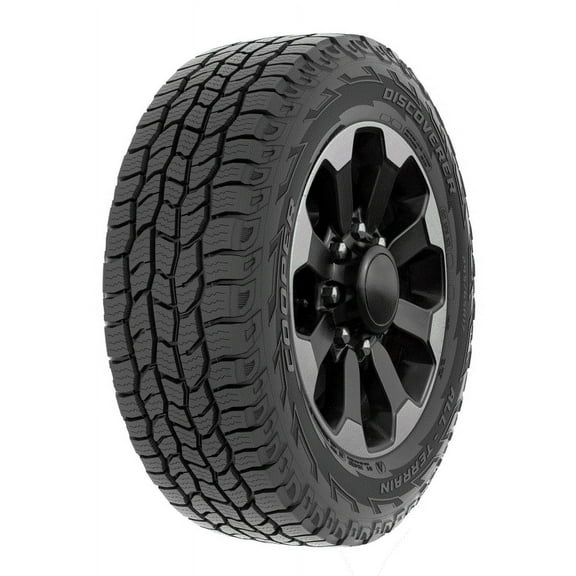

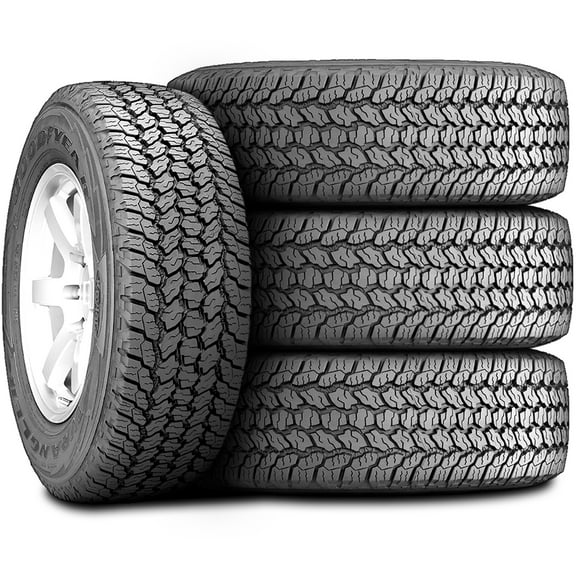
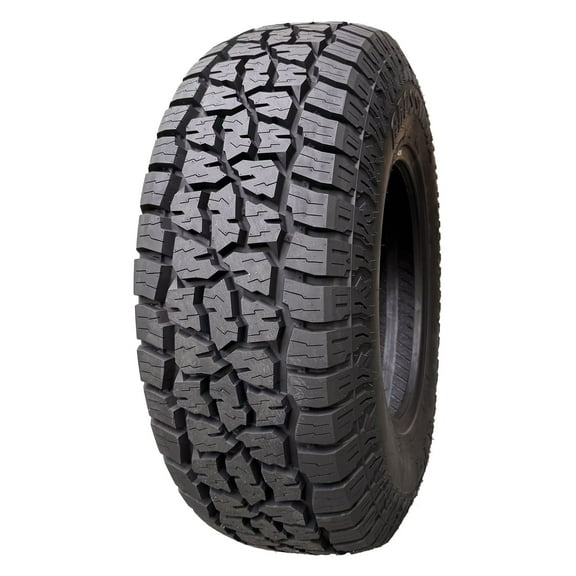


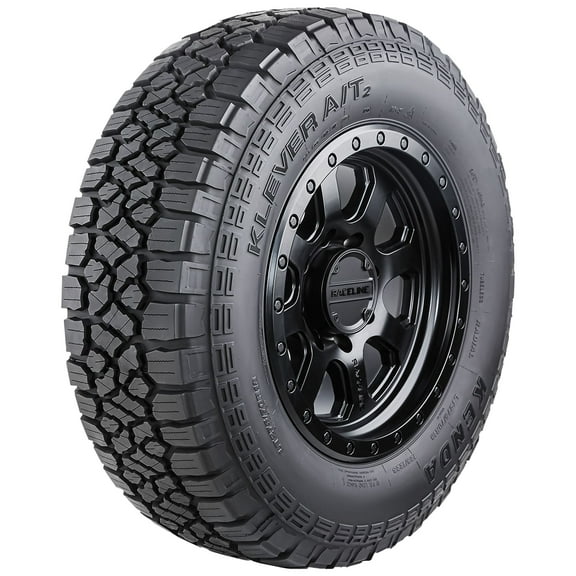


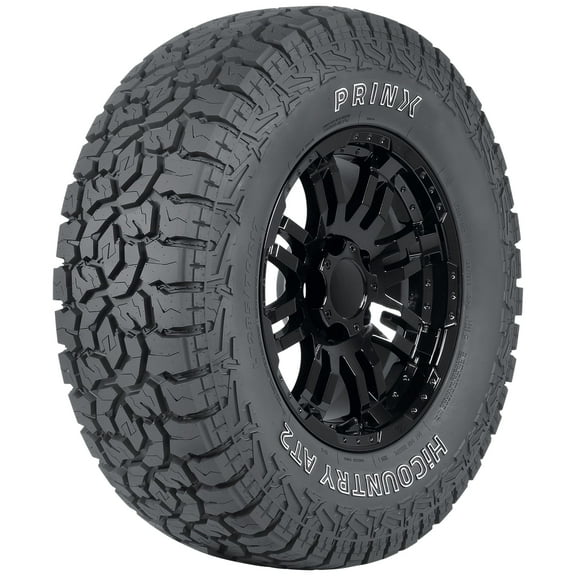
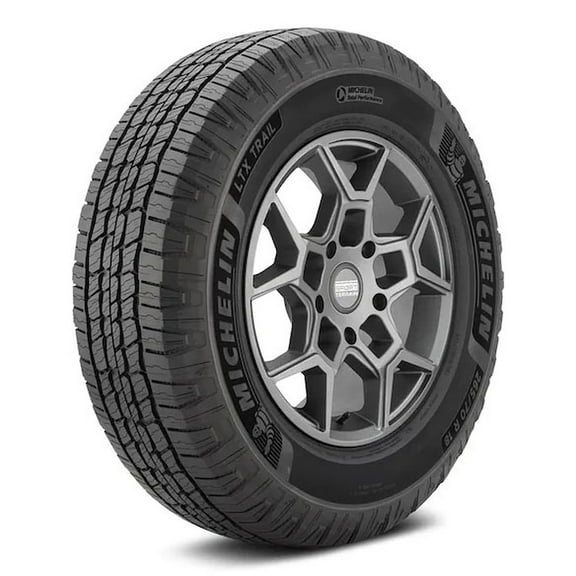
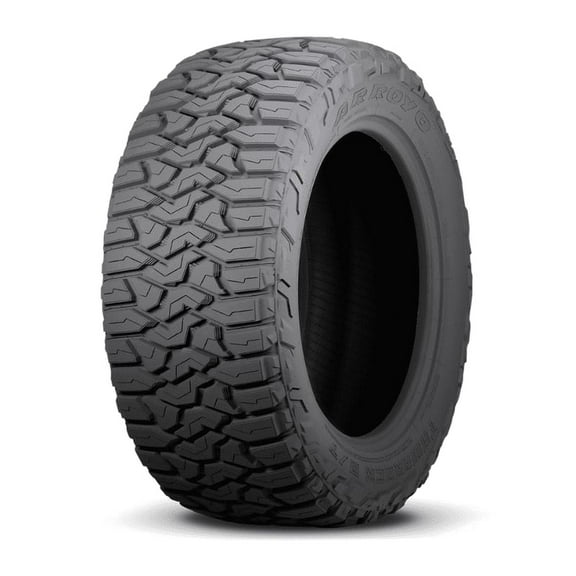

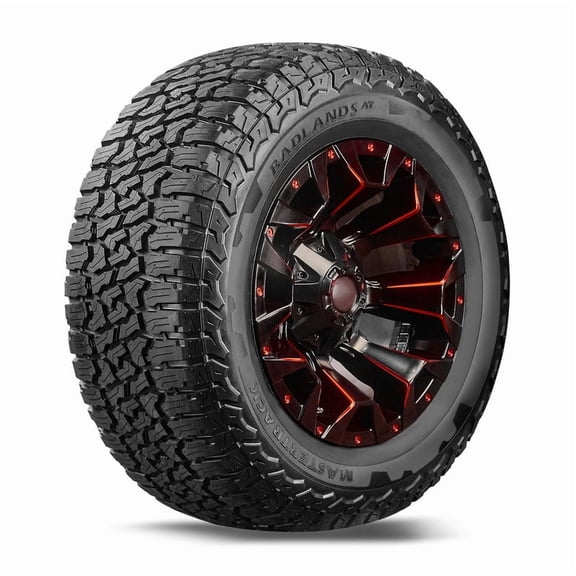








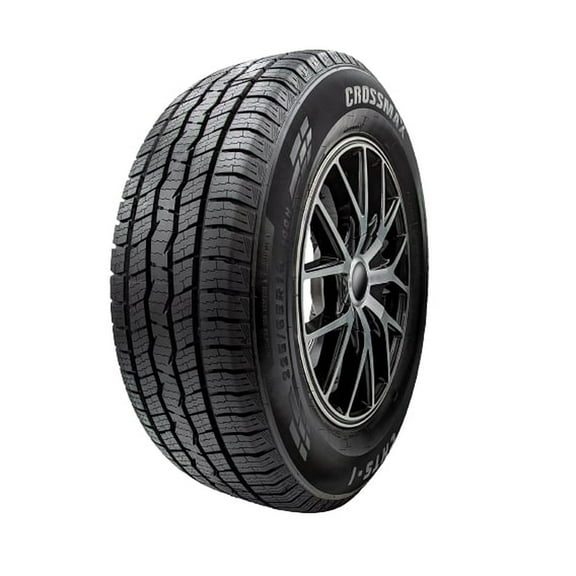
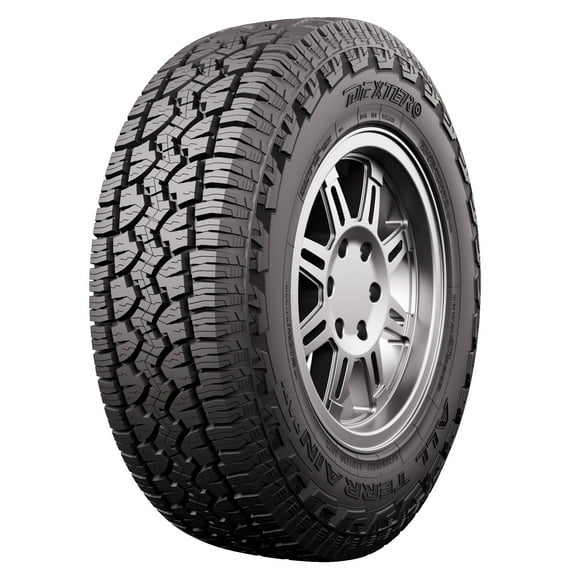
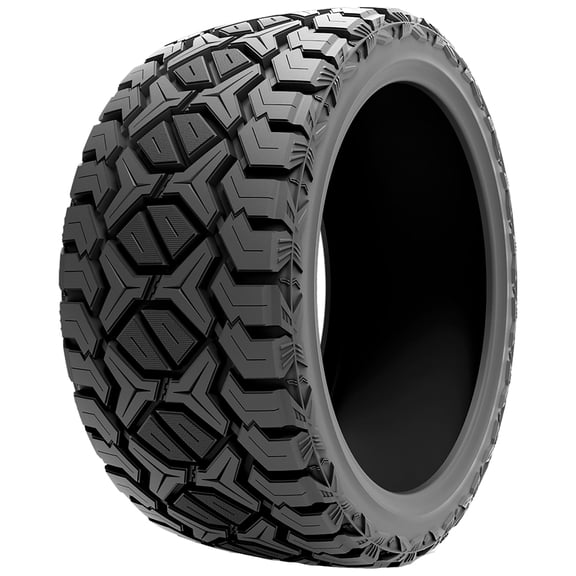
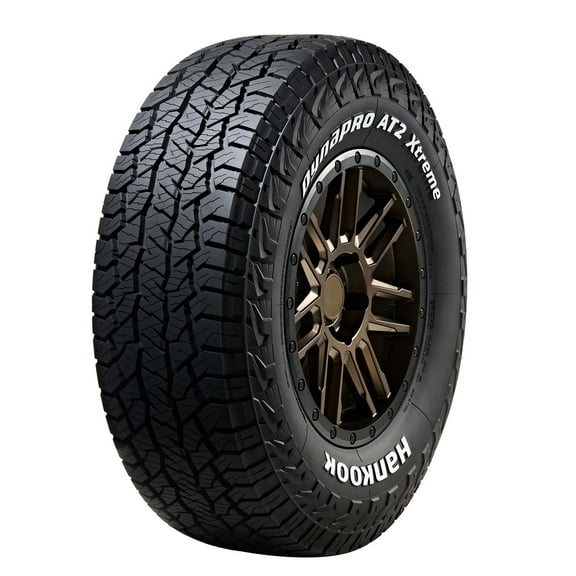


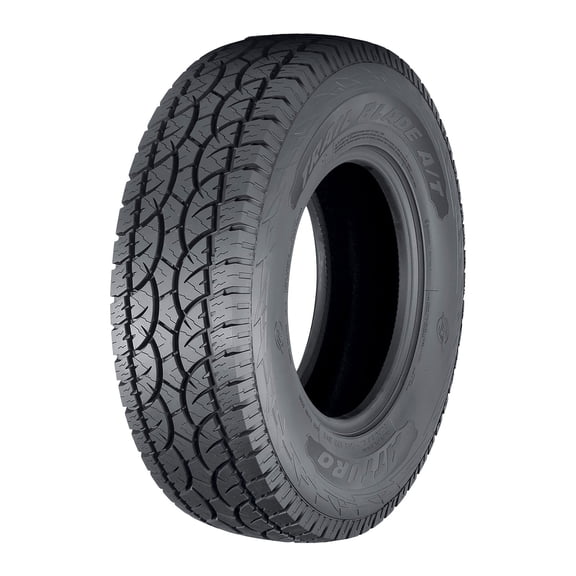
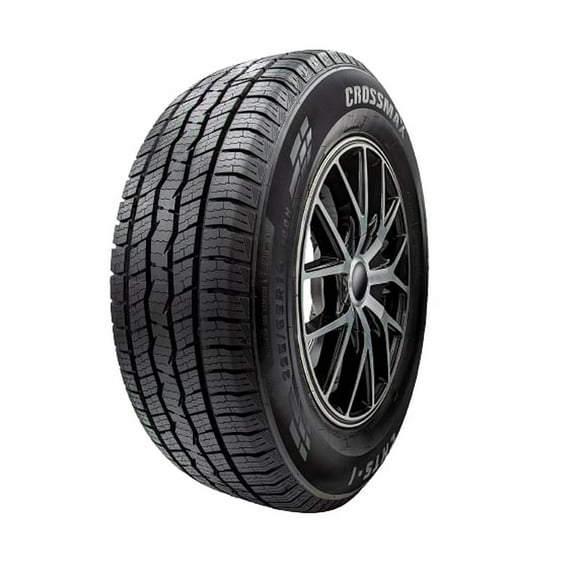
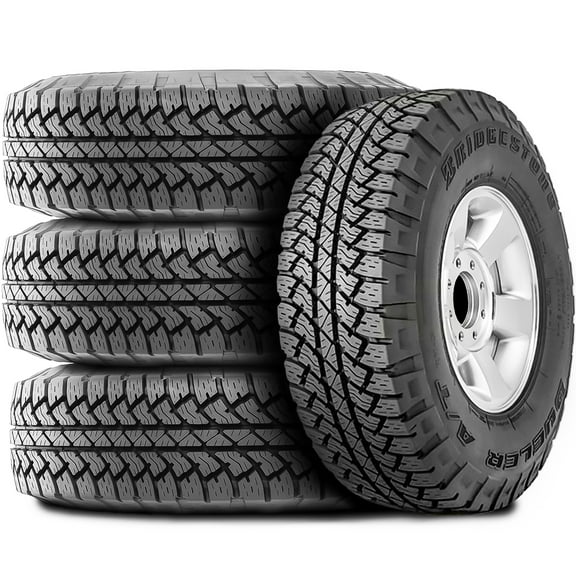
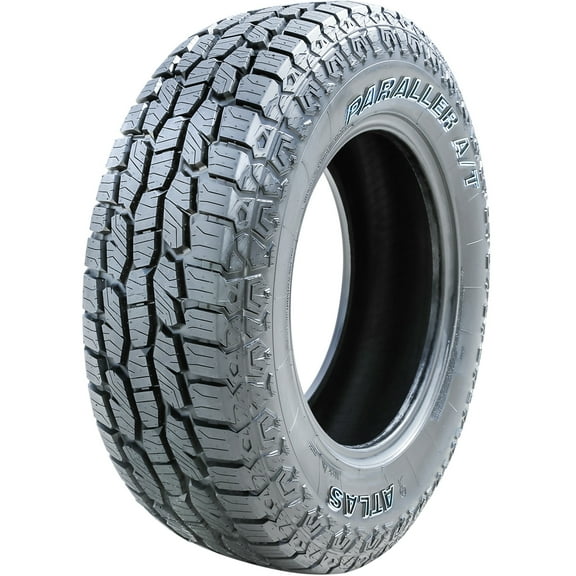
About All-Terrain Tires in Tire Types - Walmart.com
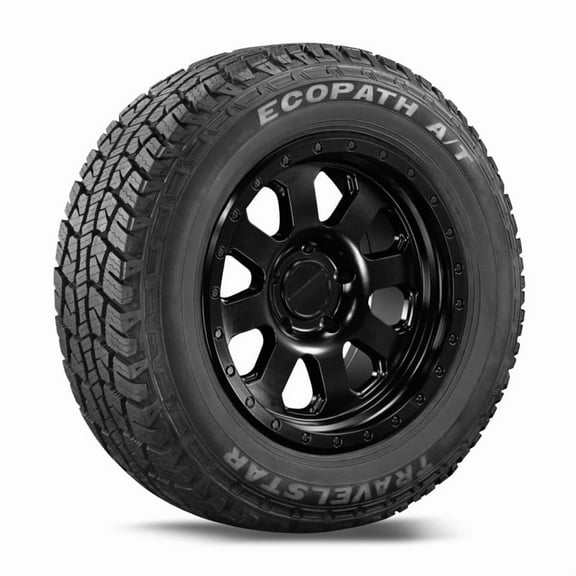
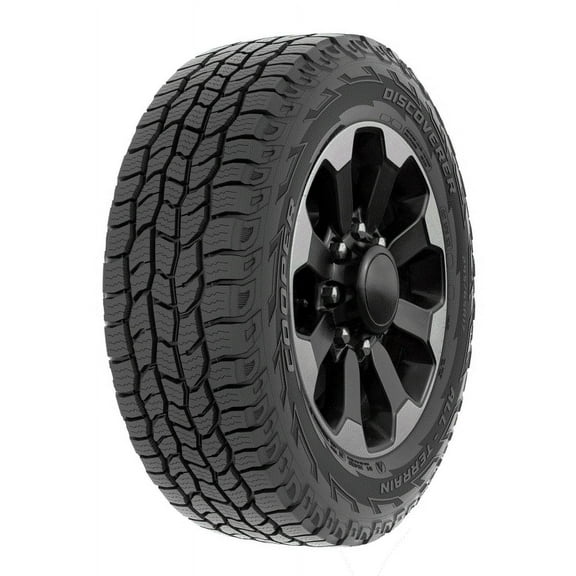
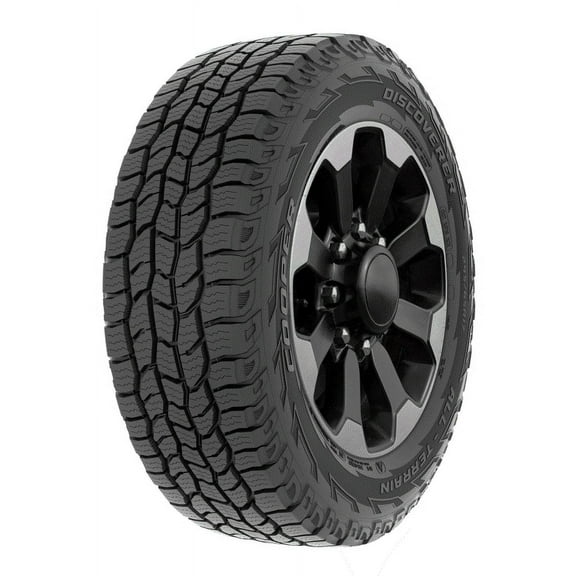
All terrain tires help you cover pavement, gravel, mud, and trail access roads with one versatile setup. You can compare fitment, tread design, and road manners, so your next set matches how you drive.
If your week includes commuting and uneven ground, you need tread that balances grip with everyday comfort. You’ll also want size, load, and weather details that make choosing easier before installation.
Choosing all terrain tires by vehicle type
You should start with vehicle type, because trucks, SUVs, off-road vehicles, and crossovers place different demands on a tire. Your setup affects load capacity, sidewall support, tread depth, and ride feel.
When you compare all terrain truck tires, you should check load index, speed rating, and aspect ratio first. Those numbers help you match tire strength, intended speed, and sidewall height to your vehicle.
For all terrain SUV tires and crossover applications, you may want a quieter ride with steady wet-road handling. Your daily driving may also favor lighter construction for commuting and weekend trail use.
- Your vehicle type helps narrow the right tread style and tire construction.
- Your fitment details should include width, aspect ratio, load index, and speed rating.
- Your driving mix can point you toward balanced road comfort or stronger off-road traction.
- Your final choice may depend on sidewall design, tread depth, and seasonal markings.
Comparing off road tires and highway comfort
You’ll notice that off road tires and all terrain tread designs involve a trade-off between traction and road noise. More aggressive lugs usually suit loose surfaces, while tighter patterns often feel calmer on highways.
If your routes include gravel, dirt, or rutted paths, you should look for wider voids and stronger shoulder blocks. Those details help your tire clear debris and keep a planted feel on mixed surfaces.
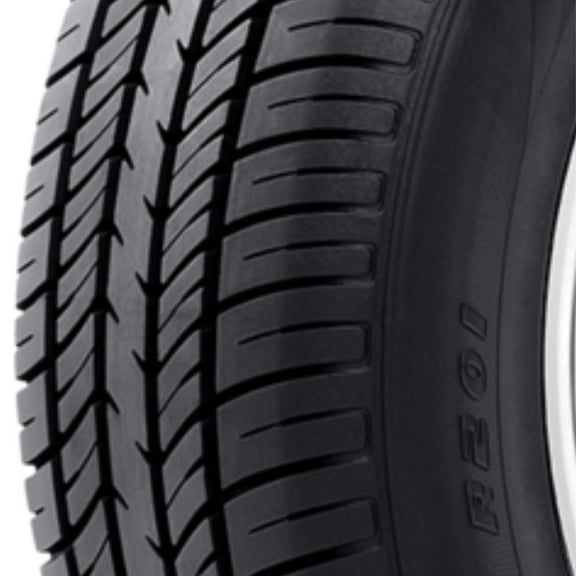
During long commutes, you may prefer siped blocks that smooth out road feel and support wet traction. That choice can give your vehicle a rugged look without making daily driving feel harsh.
Self-cleaning grooves matter when your path includes mud or loose material that packs into tread channels. Those channels help your tread release buildup, so more biting edges stay available.
Understanding radial all terrain tires and sidewall choices
You should compare tire construction next, because radial all terrain tires are common for mixed daily driving. You’ll usually notice steadier highway manners, more even wear patterns, and a familiar ride feel.
If you’re considering reinforced sidewalls, you should think about rocky trails, heavier loads, and rough access roads. That added structure can suit demanding terrain and support a more confident feel.
Bias ply designs appear in some specialty uses, and you may choose them for specific off-road conditions. Your vehicle’s needs will still guide you, because many everyday drivers lean toward radial construction.
For snow and changing weather, you should check whether a tire carries the 3PMSF symbol. That mark tells you the tire meets a severe snow service standard used for qualifying designs.
When cold mornings, slush, or changing forecasts are part of your routine, you may want siping and year-round versatility. You should still compare tread pattern and road feel, because winter capability varies across this category.
What to look for in all terrain tread, size, and warranty
You should review treadwear warranty details when you want a clearer view of mileage expectations. Those terms can help you compare long-term use, even when driving habits differ.
All terrain tread designs can wear differently based on rotation habits, inflation, alignment, and surface mix. Your maintenance routine plays a real part in how evenly your tires wear over time.
Before you choose all terrain tires, you should confirm the exact size listed for your vehicle. Your match should include width, aspect ratio, wheel diameter, load index, and speed rating.
If you upgrade wheel size or change your driving setup, you should verify clearance and compatibility first. You can avoid guesswork when you compare all terrain tire sizes with your vehicle requirements.
Matching feature combinations to how you drive
You may want aggressive tread and reinforced sidewalls if your truck sees dirt roads, job sites, or rocky trails. That combination can suit rough surfaces where shoulder grip and stronger structure matter.
If your SUV handles school runs during the week and campgrounds on weekends, you may prefer balanced all terrain SUV tires. Your priority may be wet-road confidence, moderate noise, and dependable gravel traction.
For an off-road vehicle build, you might focus on articulation, sidewall confidence, and tread that works in mud. You can compare self-cleaning grooves when trail conditions shift from dry dust to soft ground.
If your crossover spends more time on pavement, you should look for radial all terrain tires with controlled road manners. That route gives you practical daily comfort with light off-pavement capability.
When you drive across seasons, you should compare siping, snow markings, and warranty coverage together. You’ll make a clearer choice when your tire matches your vehicle, your terrain, and your weekly mileage.
All terrain tires give you one category built for mixed driving, fitment precision, and tread choices that support real routes. You can choose with more confidence when size, construction, and weather symbols line up with your needs.