

Tiered Shelf Wall & Floating Tiered Shelves | Walmart
























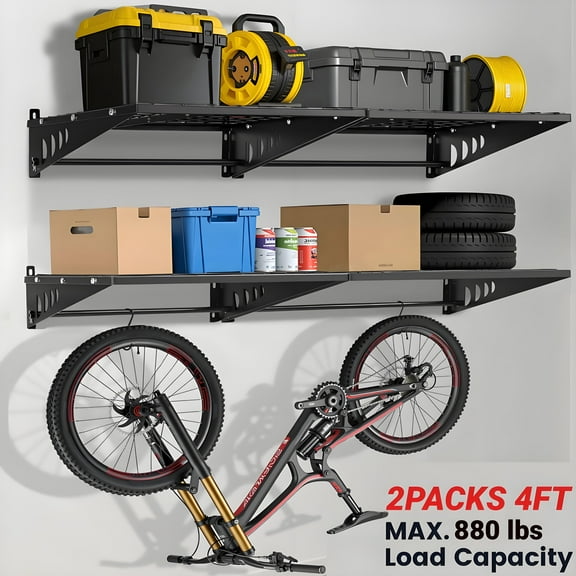


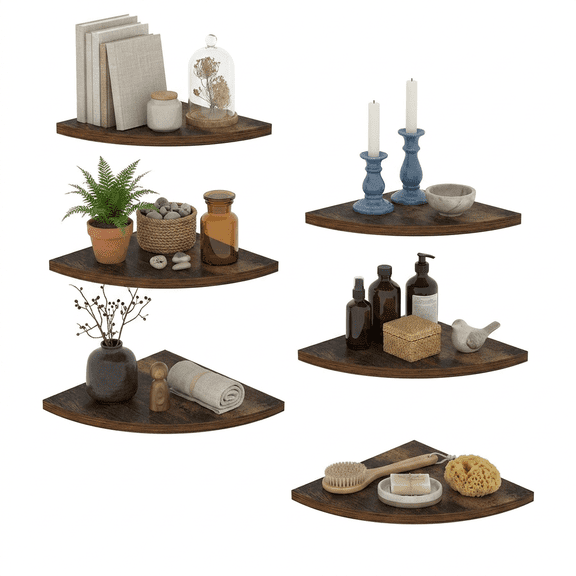
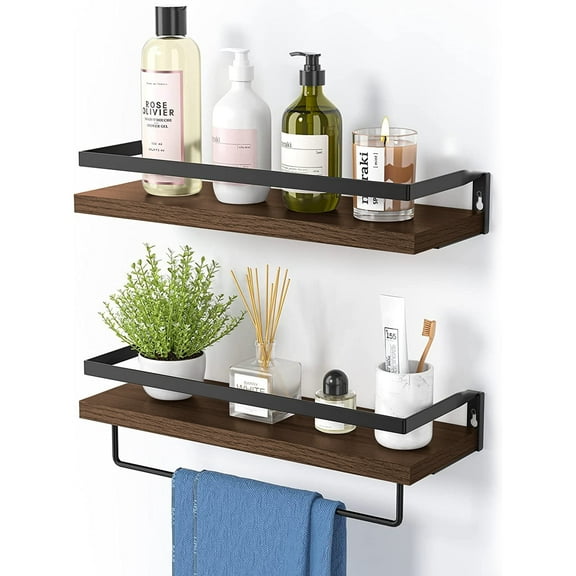
About Tiered Shelf Wall & Floating Tiered Shelves | Walmart - Walmart.com
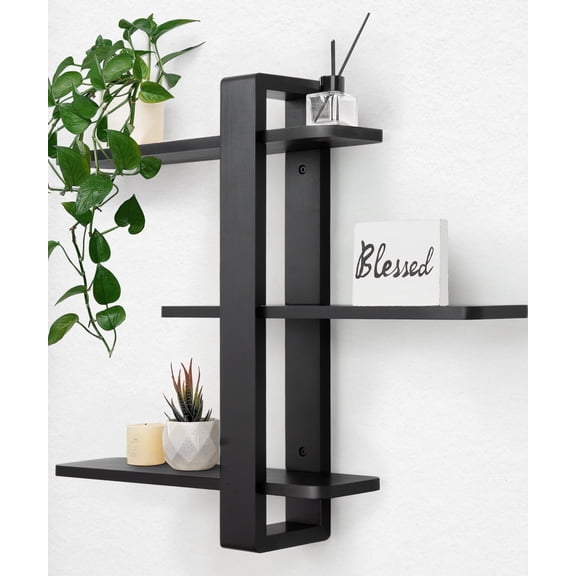
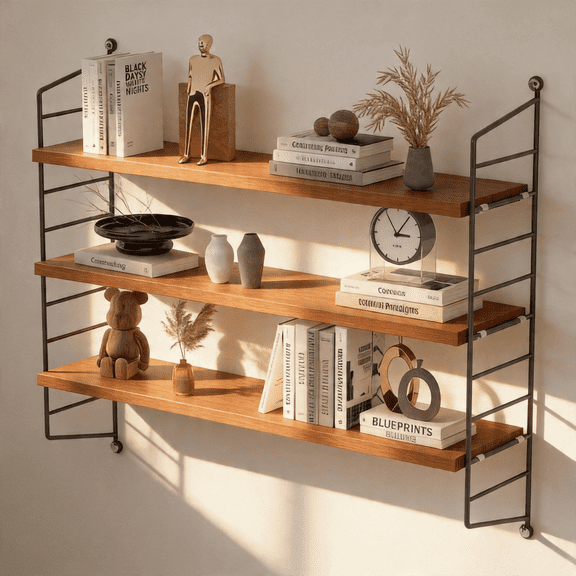
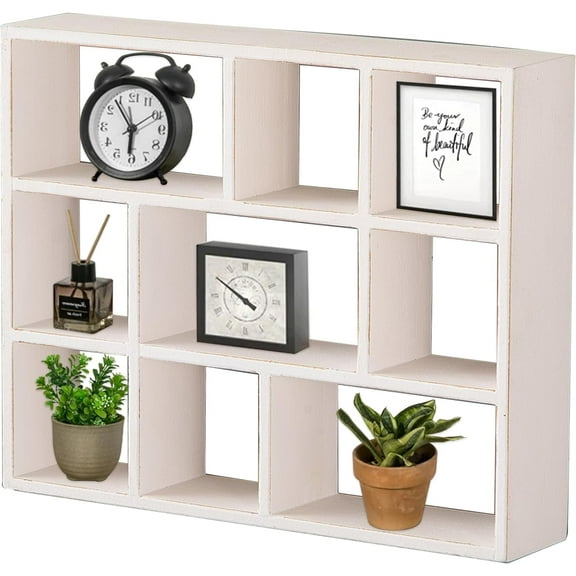
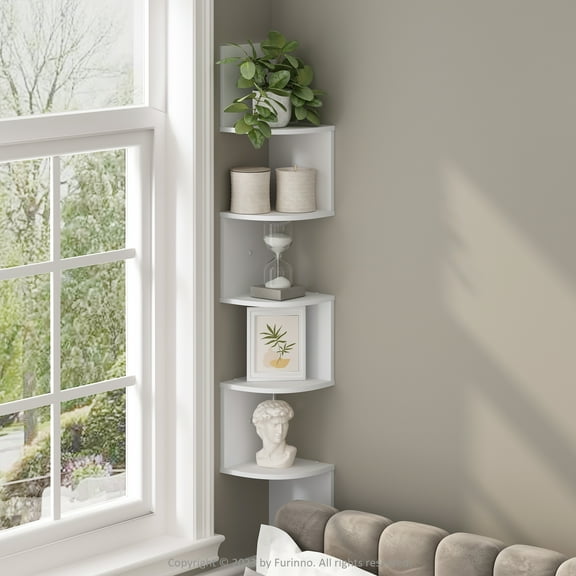
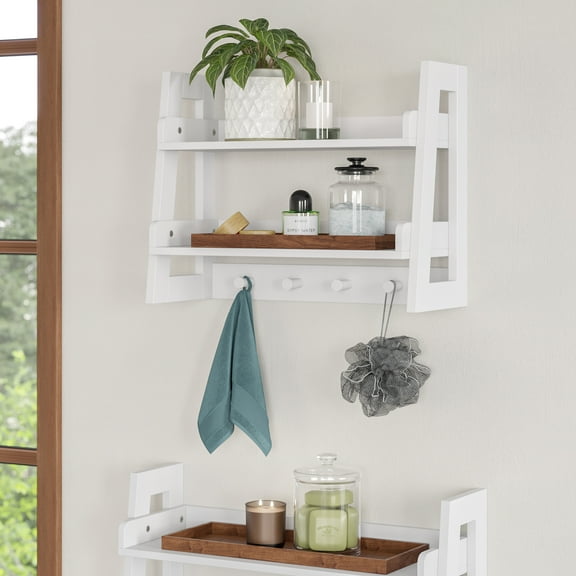
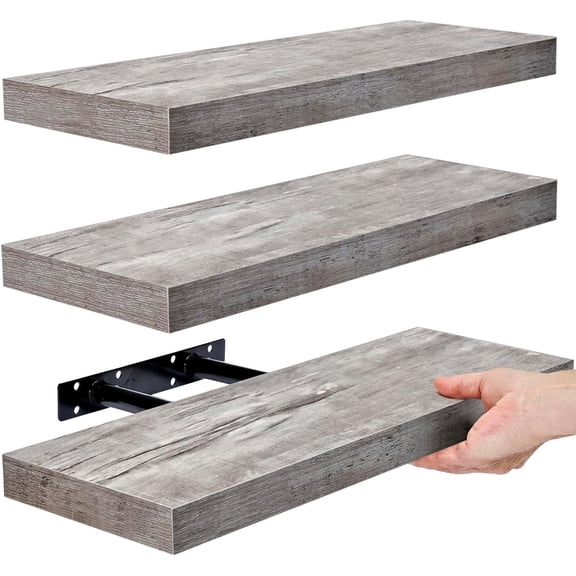
Tiered shelves help you organize blank walls with layered storage and display space. You can compare materials, tier counts, and installation styles to match your room and your layout.
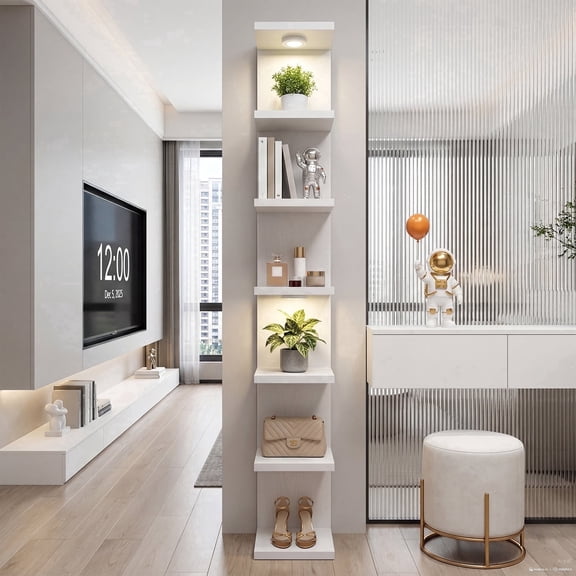
If you need storage that uses vertical space well, you can choose designs that stack decor, books, jars, or bath items. You’ll also notice that tiered layouts create distinct separation for your items.
How to choose tiered shelves for your space
When you compare tiered shelves, you should start with your wall area and your storage goals. You’ll want enough shelf levels for your items without crowding your vertical space.
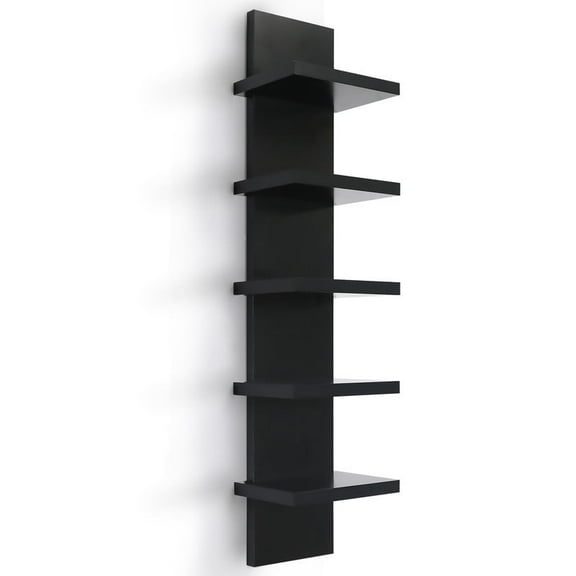
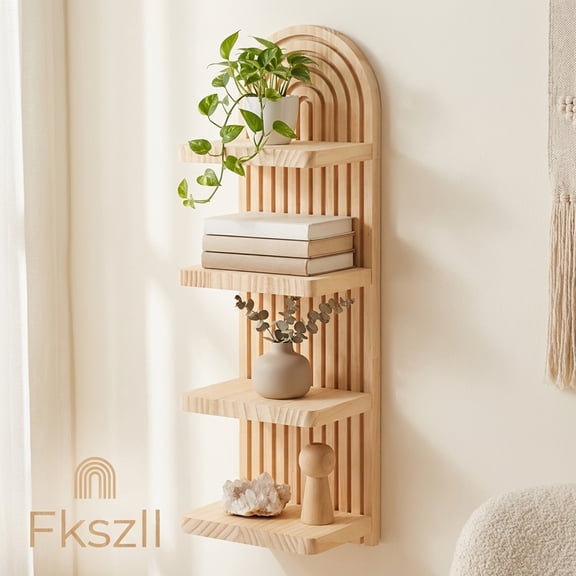
For smaller walls, you may prefer two-tier options that keep your display simple and open. For taller areas, you can use three-tier or four-tier styles to hold more without using floor space.
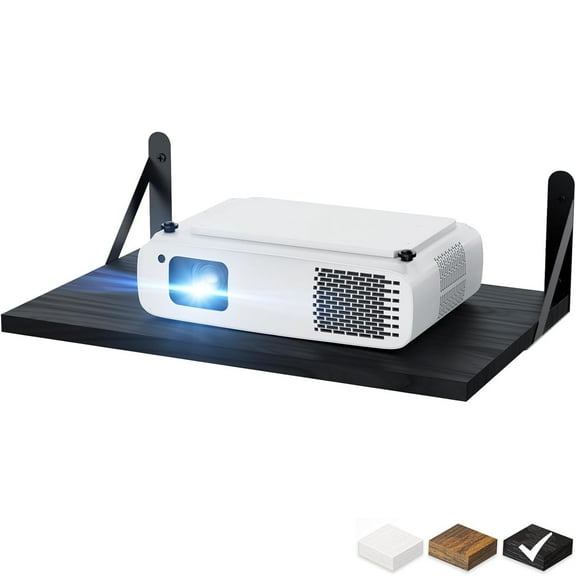
Your room also shapes the right installation type for you. You can choose wall mounted designs for a fixed look, floating styles for a cleaner profile, or freestanding units for flexible placement.
What you gain from tiered wall shelves
Tiered wall shelves help you separate everyday essentials from decorative pieces. You can keep candles, framed photos, plants, or toiletries organized without stacking everything on one level.
You’ll also get a more intentional display because each level creates its own viewing line. Your room can feel tidier when you group similar items by height or use.
- You can use vertical wall space without taking up tables or counters.
- You can separate décor, storage, and daily-use items across multiple levels.
- You can create a cleaner look with floating or wall mounted designs.
- You can match your shelving to rustic, modern, industrial, or farmhouse rooms.
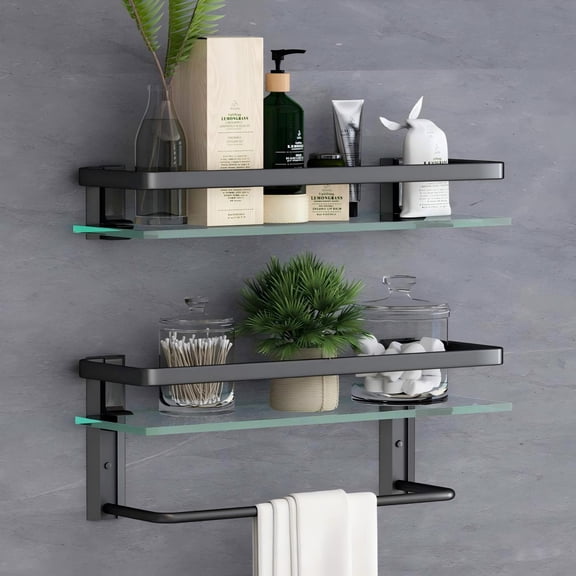
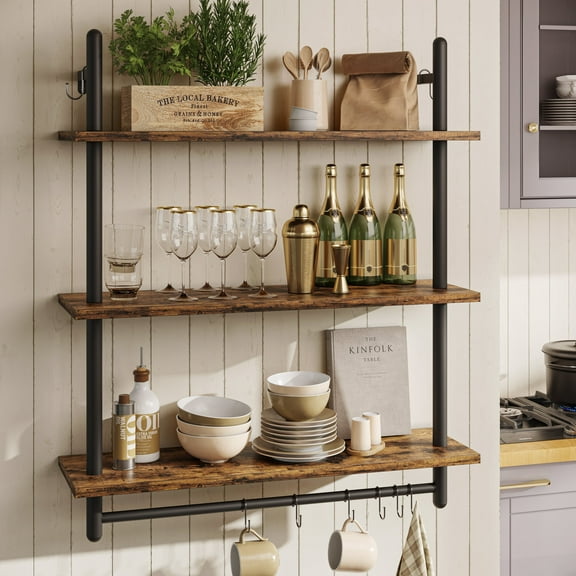
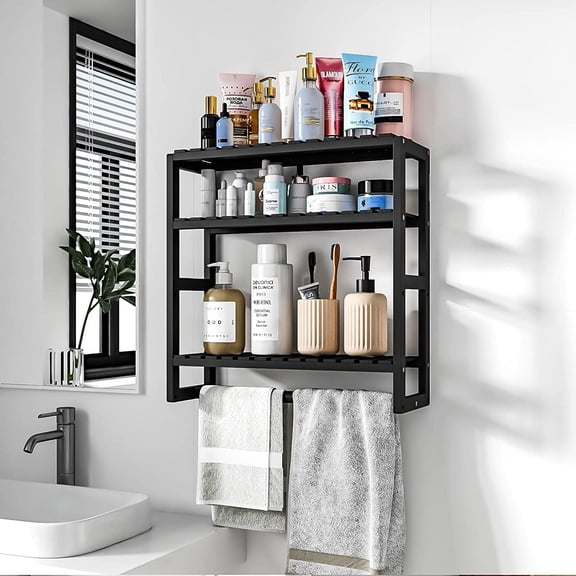
In bathrooms, you may appreciate multi tier shelves that hold towels, jars, and small containers above the sink or toilet. In kitchens, you can keep spices, mugs, and canisters visible and easier to reach.
For living rooms, you can build a layered wall display with books, art, and collectibles. In entryways, you can keep compact items contained while leaving console surfaces less crowded.
Comparing materials and construction details
Material choice affects how your shelves look, clean up, and handle moisture. You can choose wooden tiered shelves for warmth, metal frames for a clean edge, glass shelves for openness, or wire shelves for airflow.
If you’re styling a living room or bedroom, you may like wood for its textured look. If you’re placing shelves in a bathroom, you should check whether the finish is sealed for damp spaces.
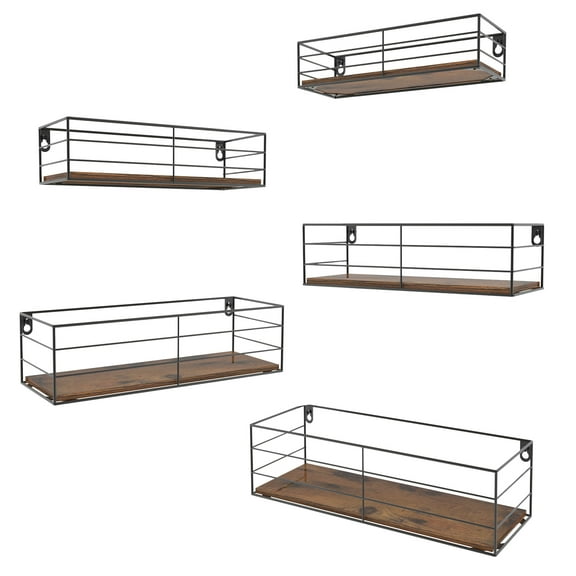
Metal and wire designs can make sense when you want a lighter visual profile. You should look for rust-resistant finishes when your shelves will sit near steam or splashes.
Glass can help your wall feel less heavy, especially in smaller rooms. You’ll want to compare the shelf thickness and hardware style so your setup fits your décor.
Weight capacity matters when you plan to hold books, storage jars, or heavier décor. You should check the listed weight limits, because display shelves and storage shelves can support different loads.
For wall mounted or tiered floating shelves, you should review anchors, stud placement, and bracket design. You’ll get a more stable setup when your shelf hardware matches your wall type.
If you’re installing into studs, you can usually support heavier décor with more confidence. If you’re using anchors, you should follow the listed limits and compare hardware included with your shelf.
Choosing between multi tier shelves and floating designs
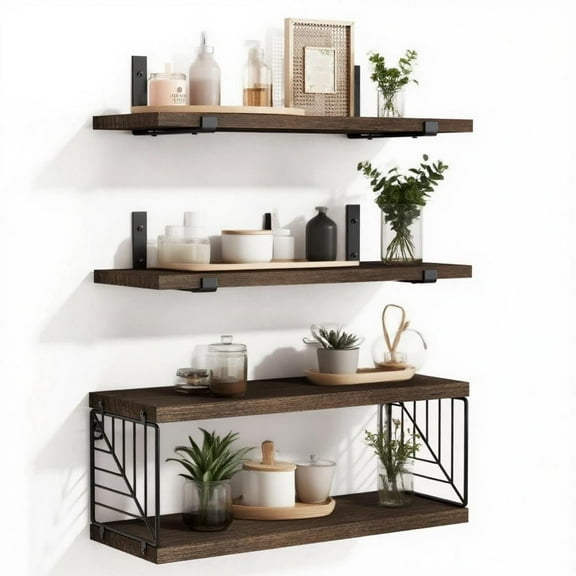
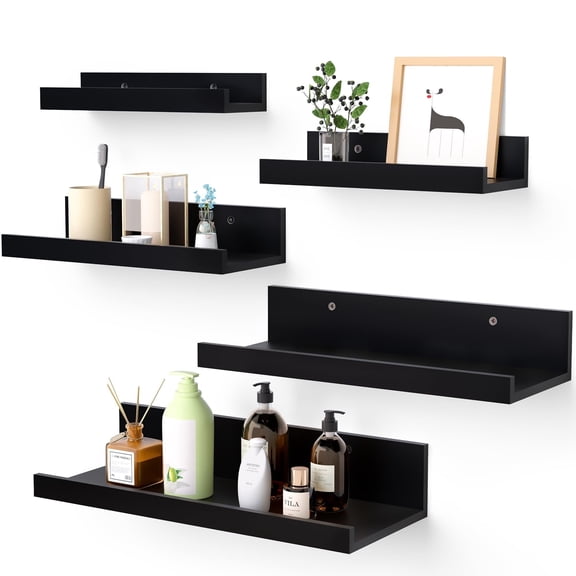
Tiered floating shelves work well when you want a minimalist look that highlights your display items. You can use them in modern spaces where cleaner lines and open walls matter.
Traditional wall mounted styles may give you more visible structure and a stronger accent. You may prefer them in farmhouse or industrial rooms where brackets and frames add character.
Freestanding multi tier shelves can help when you don’t want to commit to wall placement. You can move them between rooms more easily as your storage needs change.
Your tier count should match both your wall height and your item height. You should measure taller bottles, framed art, or stacked towels before choosing a two-tier, three-tier, or four-tier layout.
If your items vary a lot in size, you may want more space between levels. If your items are smaller, you can often use extra tiers to increase display room.
Where you can use tiered display shelves
In a bathroom, bathroom tiered shelves can hold skincare, folded washcloths, and small baskets while keeping counters clearer. You should compare moisture-friendly finishes and compact widths for tighter spaces.
In a kitchen, tiered display shelves can organize spices, tea tins, measuring cups, or small cookbooks. You can use wall space above a coffee station or near prep areas for easier access.
For a living room, you can style shelves with framed photos, candles, vases, and small plants. You’ll create a layered look when you vary item heights across each tier.
In an office, you can keep reference books, notebooks, and desk accessories off your work surface. You may also use shelves above a desk to free up space for monitors or writing.
Entryways and hallways can benefit from narrow shelf profiles and vertical storage. You can display decorative accents while keeping mail trays, keys, or small bins more organized.
If you’re furnishing a rental or flexible room, you may lean toward freestanding options. If you want a built-in look, you may prefer tiered wall shelves with a fixed installation.
When you compare tiered shelves by material, tiers, and installation, you can narrow your options with less guesswork. You’ll end up with storage that fits your wall, supports your items, and keeps your room more organized.