

Tower Fans in Fans









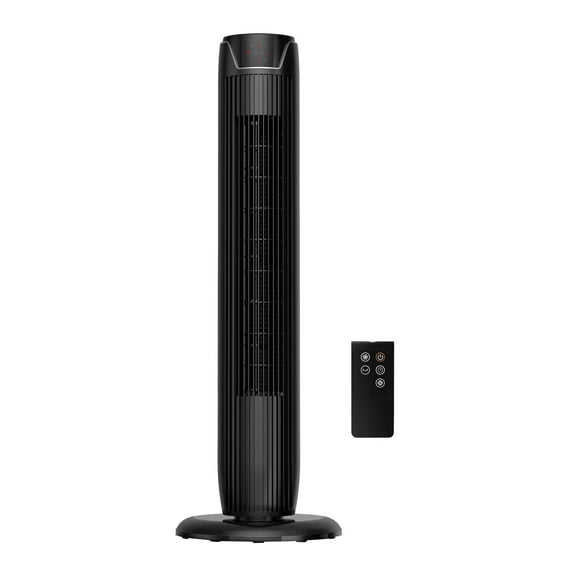



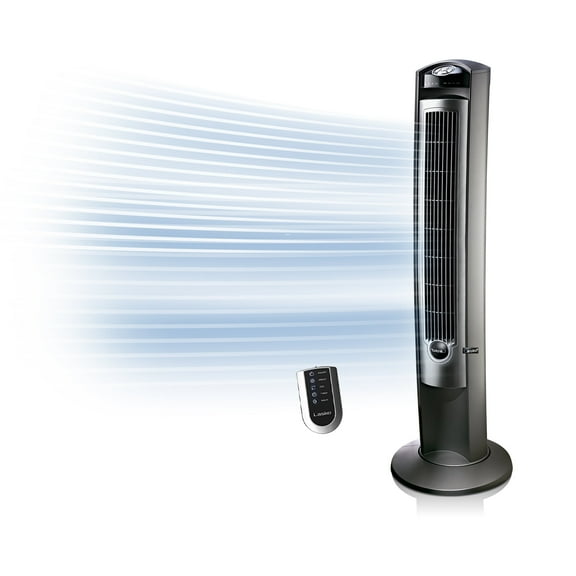


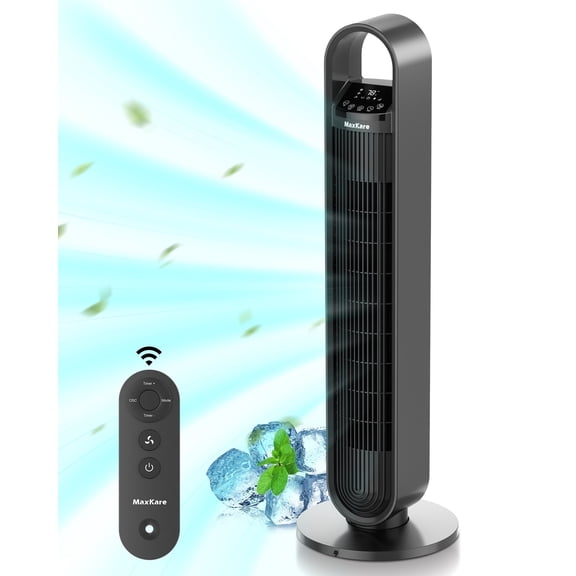
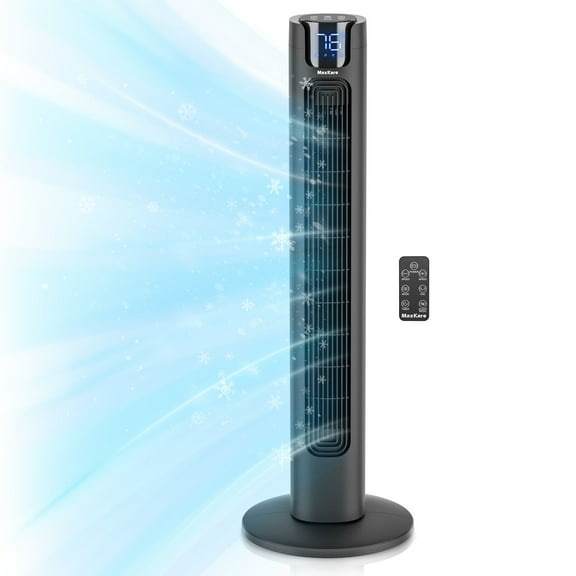
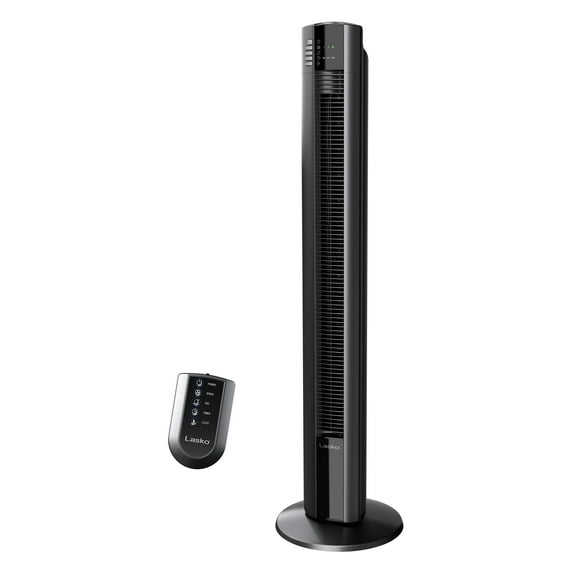


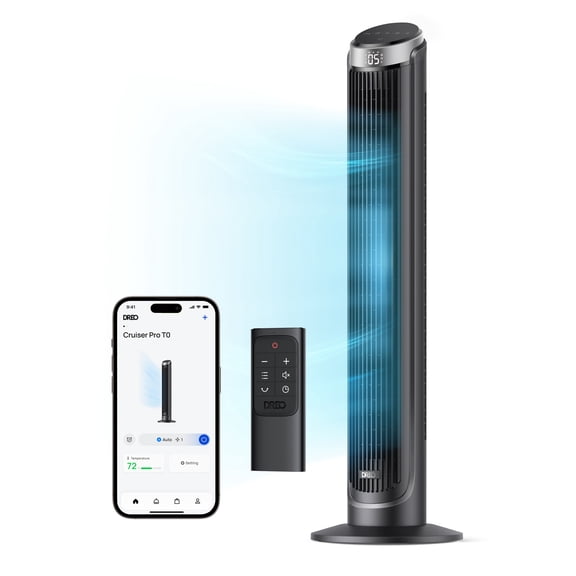


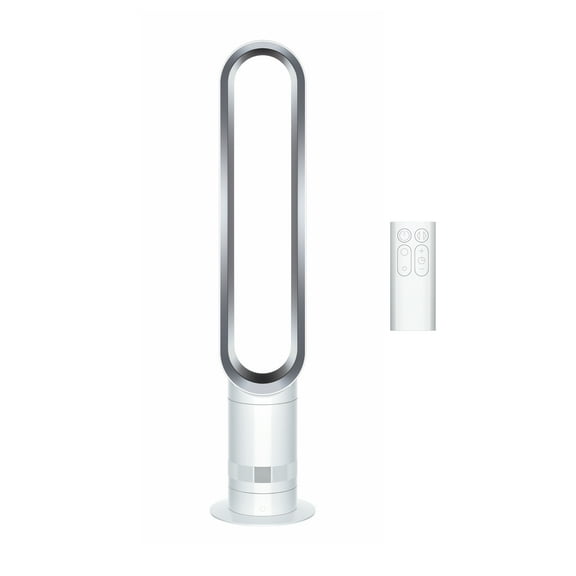


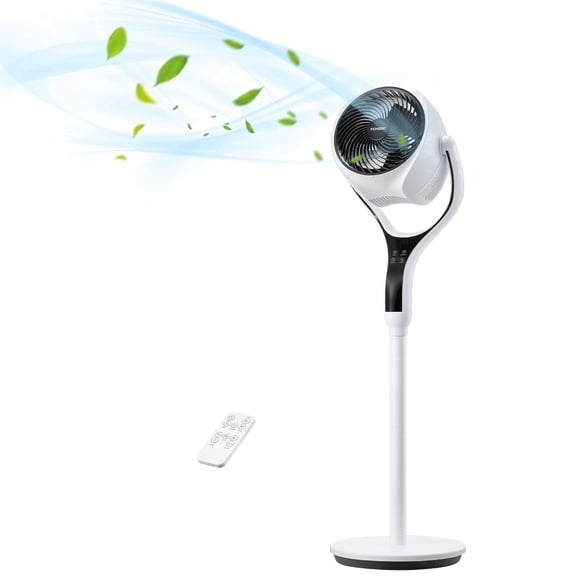


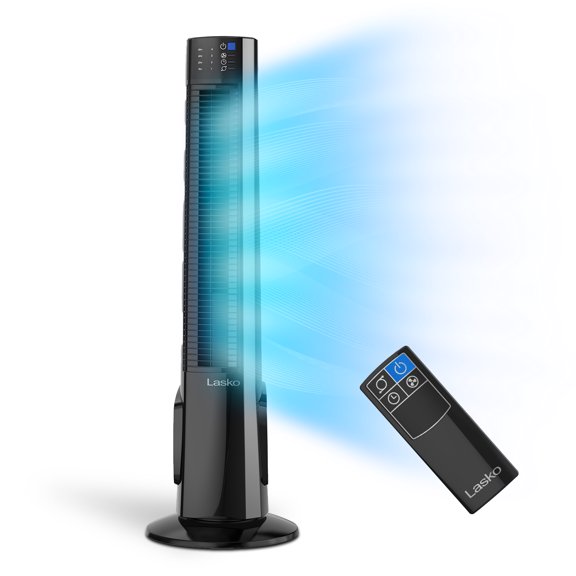



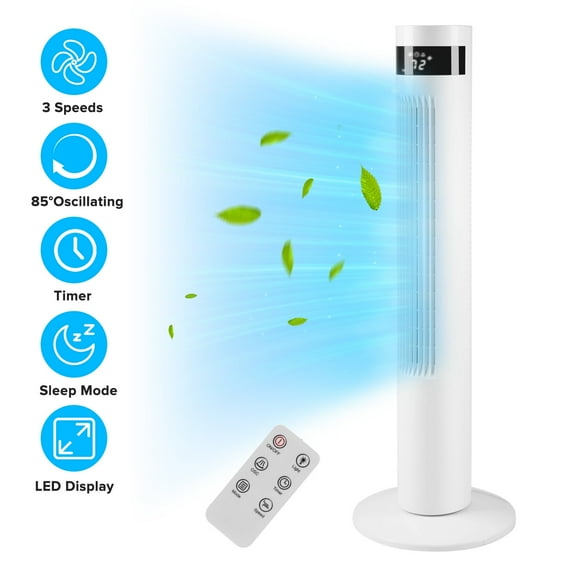






About Tower Fans in Fans - Walmart.com
Tower fans help you cool your space without taking much floor room. You can compare slim profiles, tall airflow reach, and simple controls that fit bedrooms, offices, and shared living areas.
How to choose tower fans for your room
You should start with room size and fan height before you compare extra features. You’ll usually want a taller unit when you need airflow to reach over a bed or sofa.
If you’re placing a bedroom tower fan beside a nightstand, you may prefer a slimmer footprint and lower sound output. You can also check whether a portable tower fan is light enough to move between rooms.
You’ll notice tower designs fit corners and narrow spaces more easily than wider fan styles. You can keep walkways clearer while still getting steady air circulation across the room.
Choosing oscillating tower fans for airflow coverage
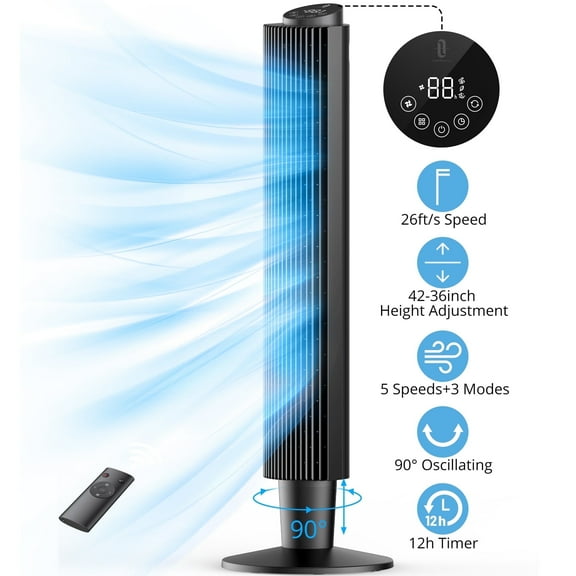
You should compare oscillation angle because it affects how widely air moves through your space. You’ll often see 60-degree, 90-degree, and 360-degree options for different coverage needs.
If you want focused airflow near a desk or reading chair, you may prefer a narrower sweep. If you’re cooling a couch area or open room, you’ll usually want broader oscillation.
You can also compare speed settings to fine-tune airflow throughout the day. Three-speed, four-speed, and variable speed models give you more control over comfort and noise.
- You can use narrower oscillation when you want airflow directed toward one seat or one sleeping area.
- You can choose wider oscillation when you want air to move across more of your bedroom or living room.
- You can pick variable speed when you want small adjustments instead of a few preset airflow levels.
- You can look for taller units when you want airflow to reach above mattress height or over sofa arms.
What to look for in quiet tower fans
You should check the decibel rating when you’re choosing quiet tower fans for sleep or work. You’ll generally notice lower decibel levels sound softer in a bedroom or home office.
If you’re sensitive to noise at night, you may want whisper quiet or ultra-quiet settings. You can pair lower sound output with a sleep mode or timer for simpler overnight use.
You’ll also want to compare motor behavior at lower speeds, not only the highest setting. You can often get more comfortable overnight airflow when the fan runs steadily without abrupt changes.
Comparing tower fans with remote and control options
You should consider how you’ll adjust the fan during daily use. You may prefer tower fans with remote when you don’t want to get up from bed, a desk, or the couch.
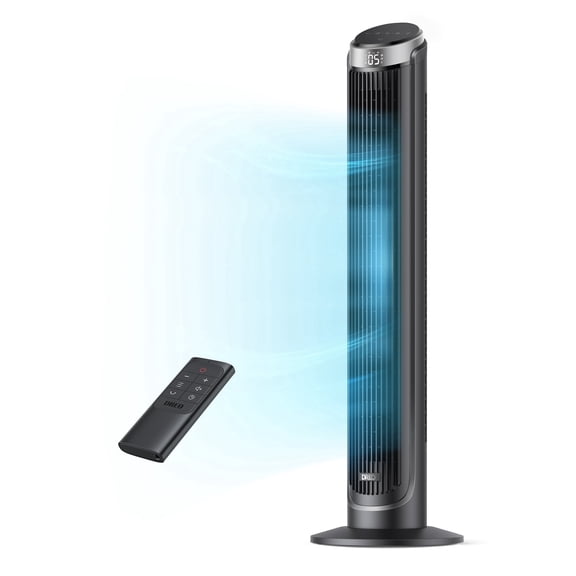
Touch screen controls can give you quick access to speed, timer, and oscillation settings. Smart app control may suit you if you want to change settings from another room.
You can also compare display visibility for nighttime use and simple button layouts for shared spaces. If several people use the fan, you’ll likely appreciate clear controls and easy presets.
Choosing safety features for busy homes
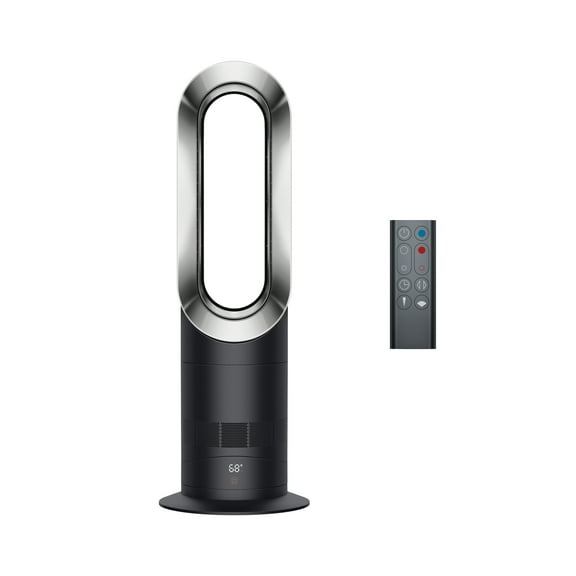
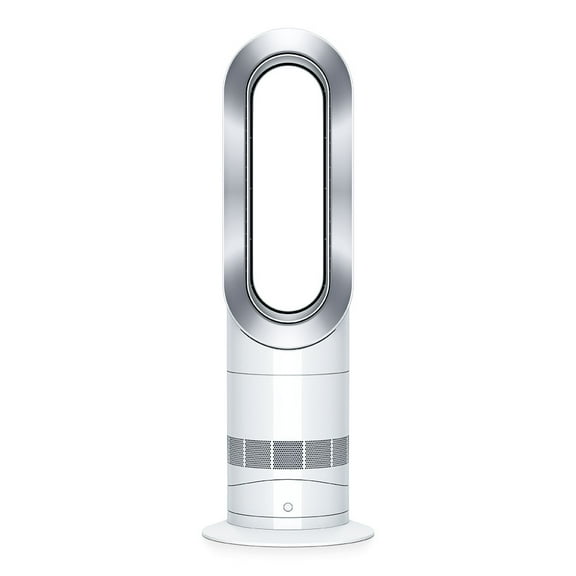
You should compare safety features carefully when you have kids, pets, or high-traffic rooms. You may prefer bladeless tower fans or child-safe grilles that help limit direct access to moving parts.
Auto-shutoff can add convenience when you use a timer before bed or while working. You can also look for a stable base that helps the fan stay steady on carpet or hard floors.
If you move the fan often, you should check the handle design and overall weight. You’ll want a model that feels manageable without giving up the height or controls you need.
Matching features to everyday use
You can choose cooling tower fans for warm afternoons, stuffy bedrooms, and shared family rooms. If you need personal airflow near a workstation, you may prefer a compact footprint and moderate oscillation.
For sleep spaces, you’ll often want quiet tower fans with lower decibel output, a timer, and a dim display. If you’re outfitting a guest room, you may prefer simple controls and a remote.
In larger living areas, you can look for taller models with wider oscillation and more speed choices. If you need flexibility, a portable tower fan can move from the office to the bedroom easily.
You should also think about how the fan fits your routine across the day. You can run a lower speed while reading, then switch to stronger airflow when the room feels warmer.
Tower fans make sense when you want vertical airflow, simple placement, and feature options that match your room. You can narrow your choice faster by comparing height, noise, oscillation, controls, and safety together.