

Tractor Wheels and Rims - Heavy Duty Tractor Rims


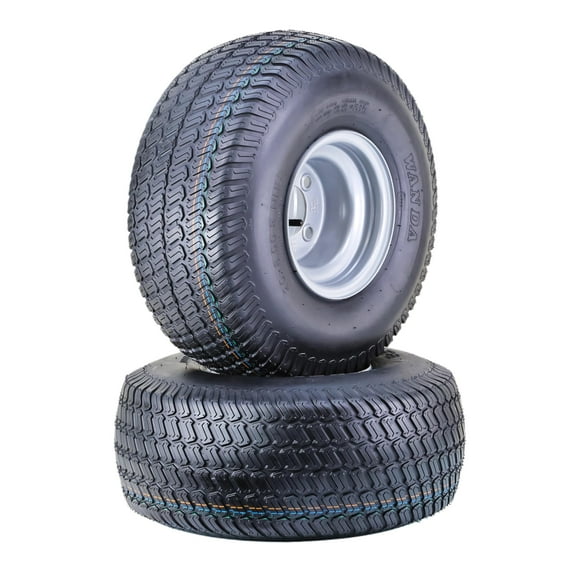


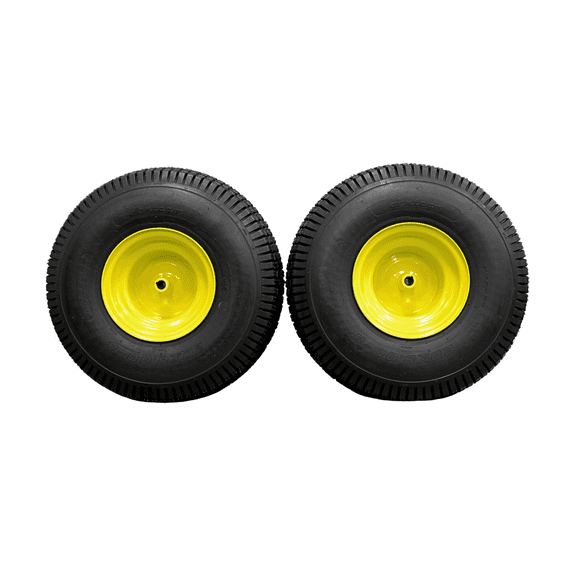

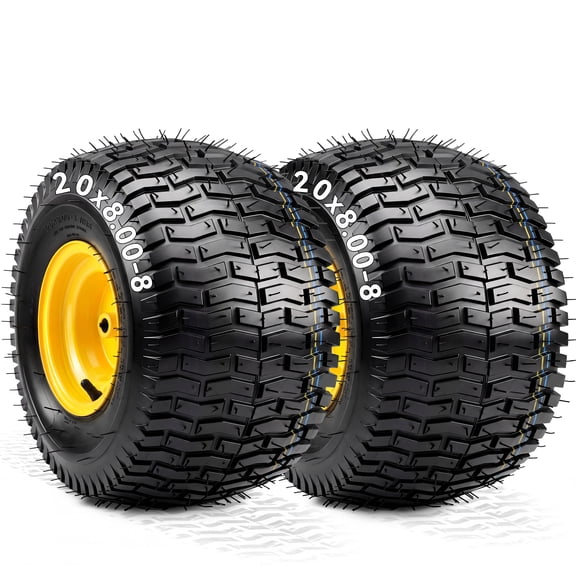


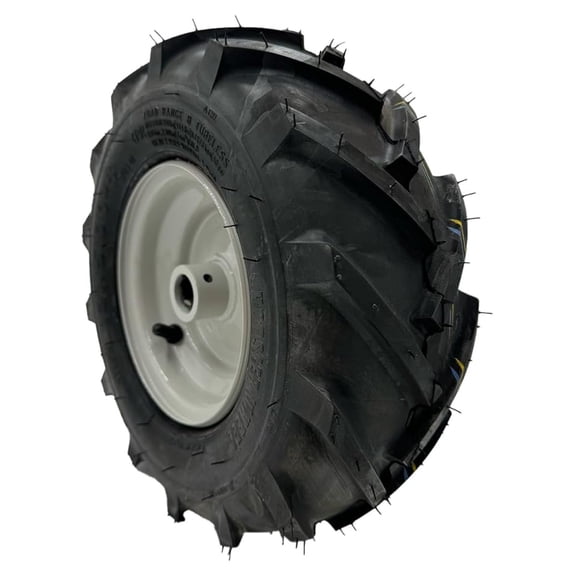




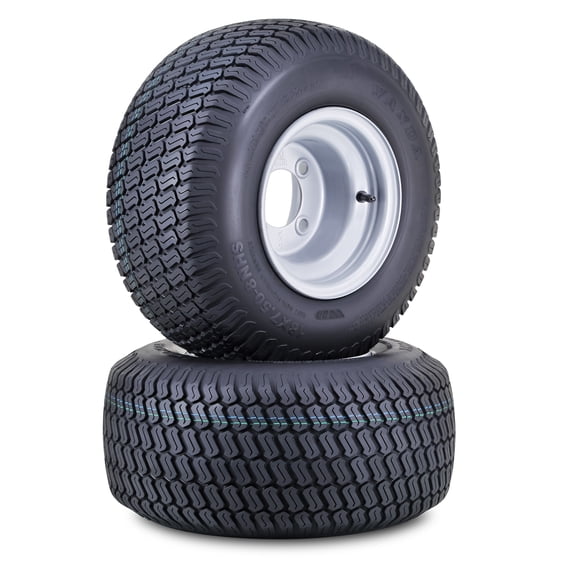
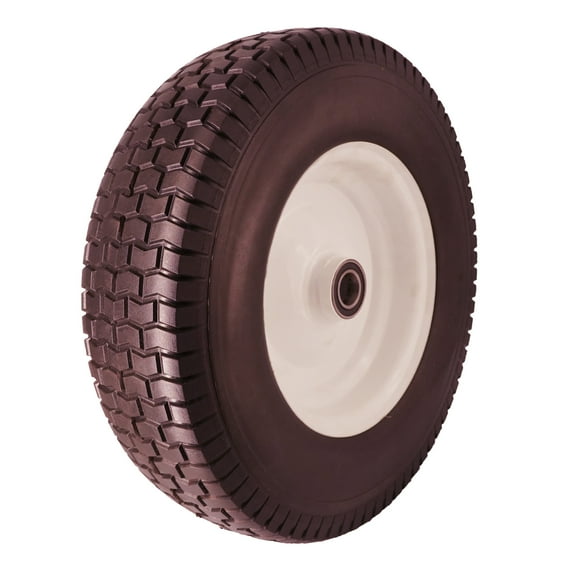

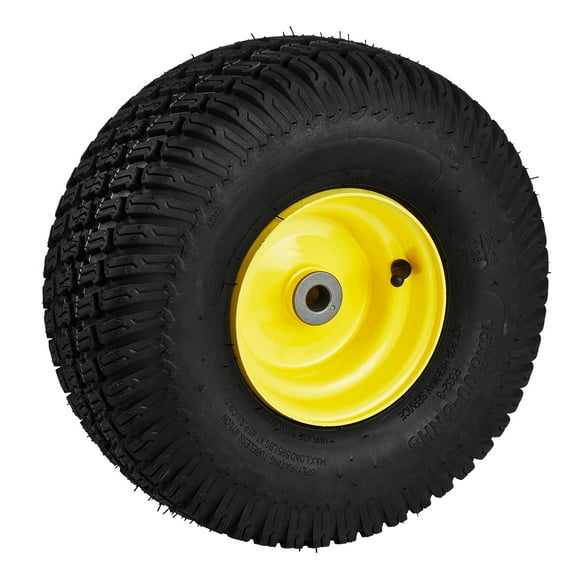


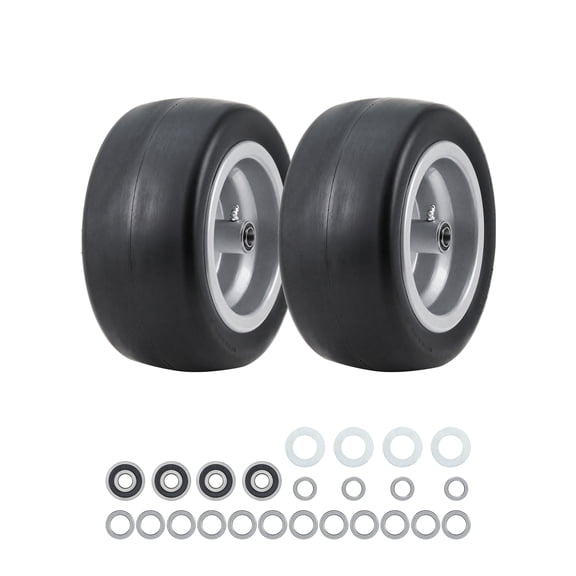


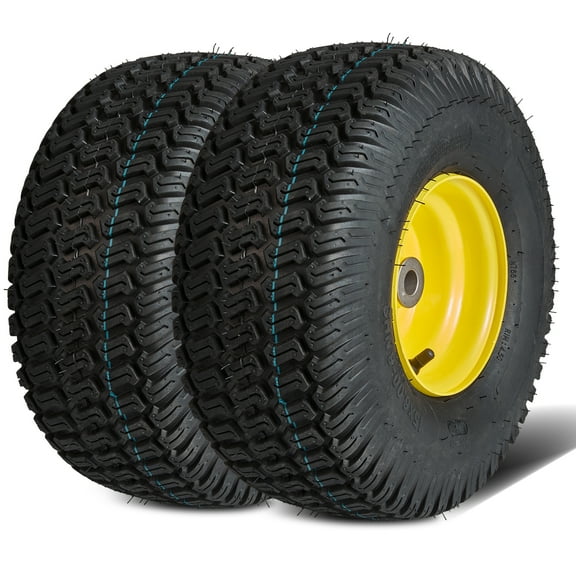

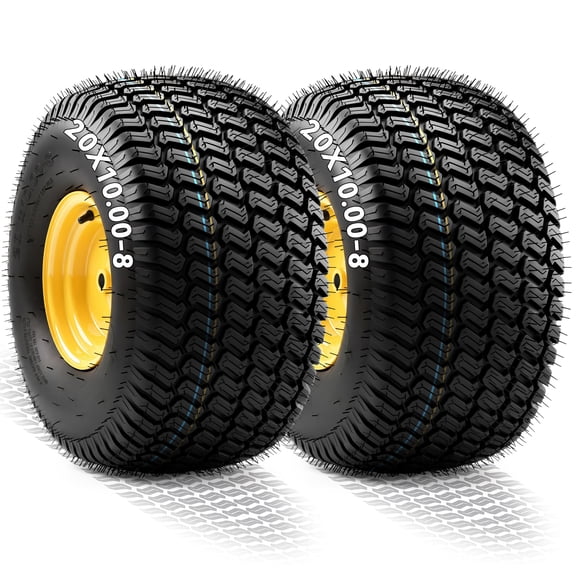
About Tractor Wheels and Rims - Heavy Duty Tractor Rims - Walmart.com
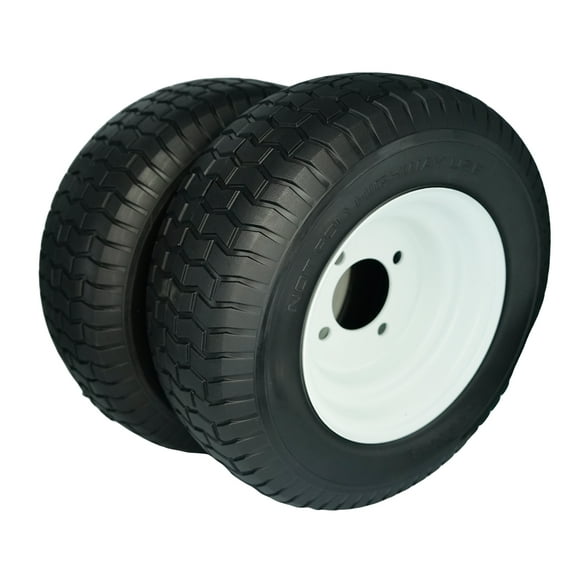
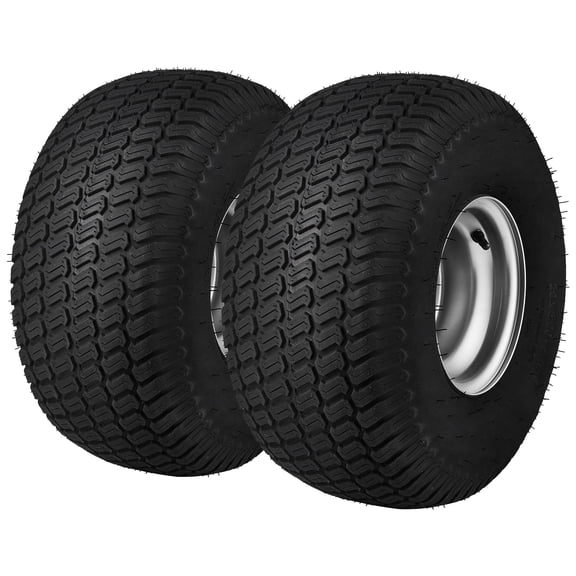
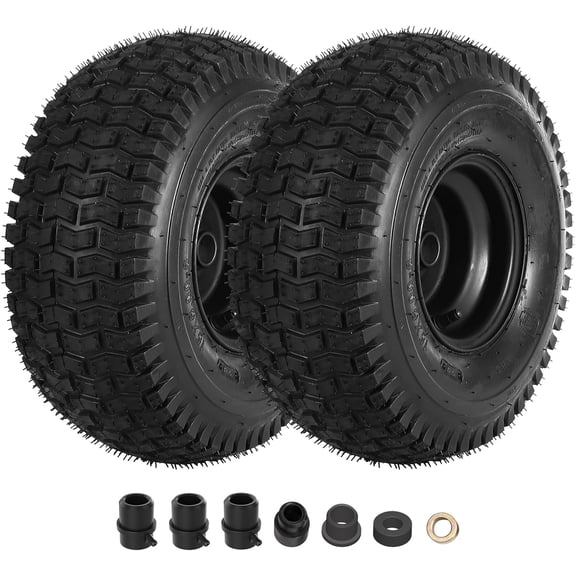
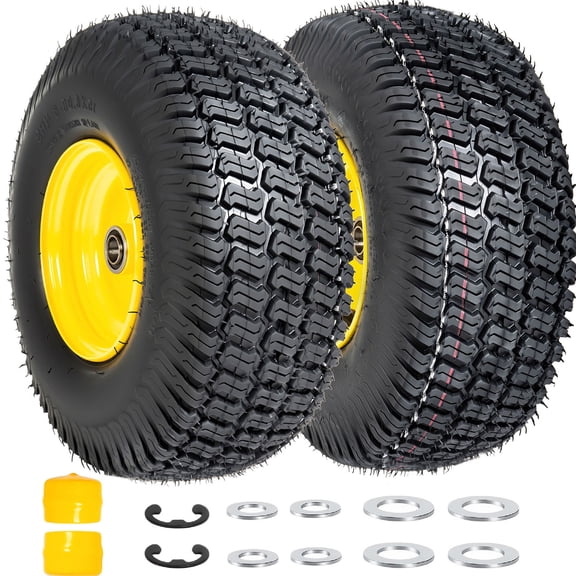
Tractor wheels and rims help you restore traction, fit, and stability when your current setup no longer matches your tractor's job. You can compare rim diameter, bolt pattern, equipment type, and wheel position to narrow fitment faster.
How to choose tractor wheels and rims
You'll want to start with the measurements that control fit. Your rim diameter, rim width, and bolt pattern need to match your tire and hub.
Consider whether your machine uses lawn tractor wheels, utility tractor wheels, or larger agricultural setups. Your equipment type often determines the diameter range, weight rating, and offset you should check.
You'll also need to match the wheel position before you order. Your front tractor wheels, rear tractor rims, or duals can use different widths, offsets, and mounting patterns.
Key decisions that affect replacement tractor wheels
Replacement tractor wheels can help you get your machine back to mowing, hauling, grading, or field work with a proper fit. You'll notice that accurate measurements matter more than appearance when you need smooth mounting.
- You can match bolt pattern and center hole measurements for secure hub fitment.
- You can pair rim width and diameter with your existing tire size.
- You can choose front, rear, or dual positions for the way your tractor works.
- You can compare finishes like steel, powder-coated orange, powder-coated yellow, or silver steel.
Look for the right bolt count first, such as 4-bolt, 5-bolt, 6-bolt, or 8-bolt. Your hub must line up correctly, or your wheel won't mount as intended.
Check whether your tire matches the bead seat diameter and bead-to-bead width. You'll get a clearer fit picture when your rim size matches the tire's required mounting dimensions.
You'll also want to compare offset distance and weight rating. Your tractor can handle steering, clearance, and load demands more predictably when those specs align.
Understanding tractor rims by size and fitment
Tractor rims come in sizes that support very different machines and tasks. You may see 8 inch and 12 inch options for smaller equipment, while 24 inch and 38 inch sizes fit larger tractors.
Consider 15 inch or 16 inch rims when your compact or utility tractor falls between small mower sizes and full agricultural setups. Your exact tire size and model requirements should guide that choice.
You'll want to measure diameter where the tire bead sits, not across the outer lip. Your bead seat diameter is the number that helps you match the tire correctly.
Rim width matters just as much as diameter for fit and performance. You can check bead-to-bead width to make sure your tire seats properly and keeps the profile you expect.
Look closely at bolt circle diameter and center hole measurement when you compare tractor rims. Your wheel needs both numbers to line up with the hub, not just the bolt count.
You may also need to compare material and finish based on where your tractor works. Your steel wheel choice and finish can affect appearance, cleanup, and long-term upkeep.
Choosing by equipment type and wheel position
Lawn tractor wheels usually fit smaller tires, lighter equipment, and tighter turning spaces. You may prefer these sizes when your work centers on mowing, yard towing, or routine property care.
Compact and utility tractors often need wheels that balance maneuverability with carrying capacity. You'll want to compare width, offset, and bolt pattern carefully for loader work or mixed chores.
Agricultural tractor setups usually call for larger diameters and heavier-duty fitment details. Your rear tractor rims may differ significantly from your front setup, especially on field equipment.
Front wheel positions often prioritize steering clearance and spindle fit. You should check offset and center hole dimensions closely when you replace front tractor wheels.
Rear positions usually focus on traction, load handling, and compatibility with your tire size. You'll often compare wider widths and different offsets when you replace rear tractor rims.
Duals add another layer of fitment because spacing and mounting hardware matter. You can avoid mismatch issues when you confirm position, diameter, and hub details before ordering.
What to look for in tractor wheel parts and model compatibility
Tractor wheel parts can include hubs, hardware, centers, and other fitment-related components. You'll want to review your existing setup so your replacement matches the way your tractor mounts.
Check your tractor brand and model information before you choose a wheel. You may shop for brands like John Deere, Kubota, or Massey Ferguson, but your measurements still confirm the fit.
You'll get more confidence when you compare the old wheel side by side with the listed specs. Your bolt pattern, pilot hole size, width, diameter, and offset should all agree.
When you measure carefully, you can narrow choices without guessing between similar listings. Your final fit is easier to confirm when the wheel matches your machine's position and tire requirements.
With the right tractor wheels and rims, you can restore proper mounting, tire fit, and working clearance for your machine. You'll move forward with parts that match your tractor's real measurements and intended use.