


Upholstery Cleaners in Furniture Cleaners


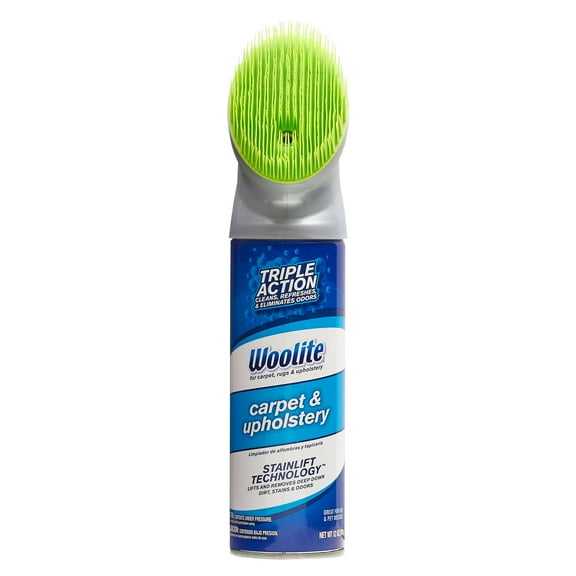

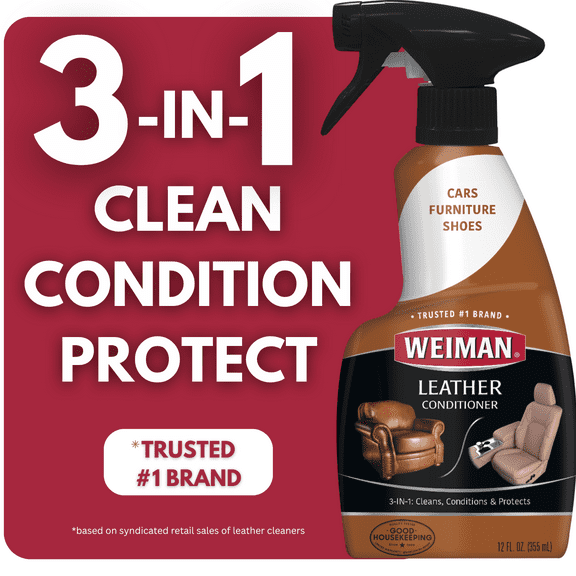
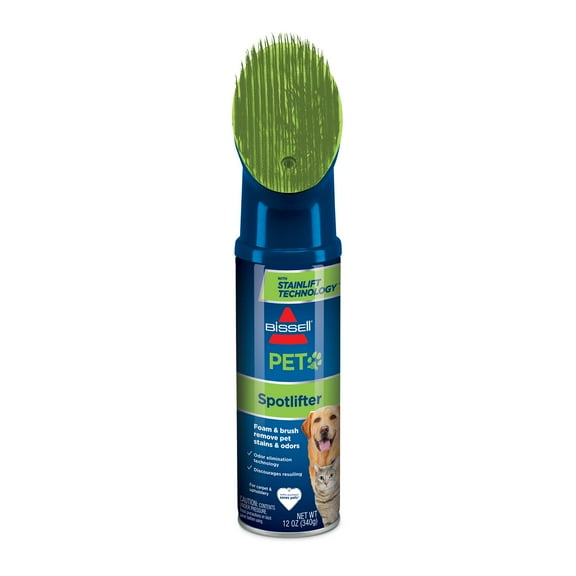













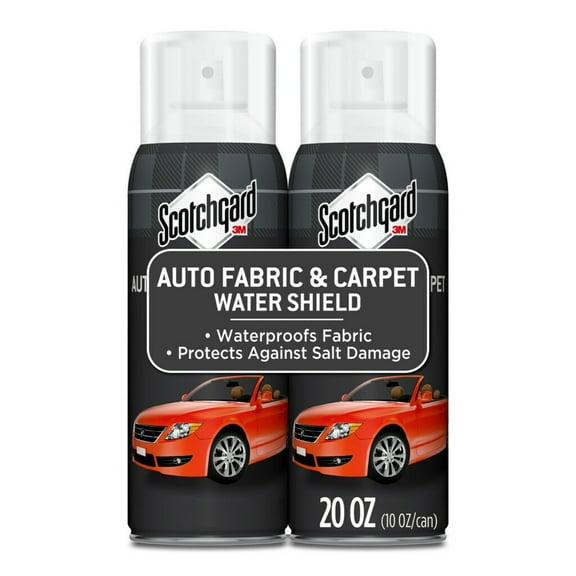


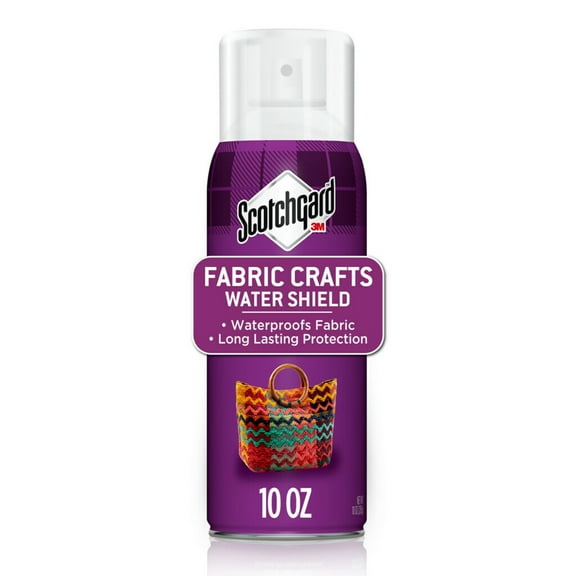
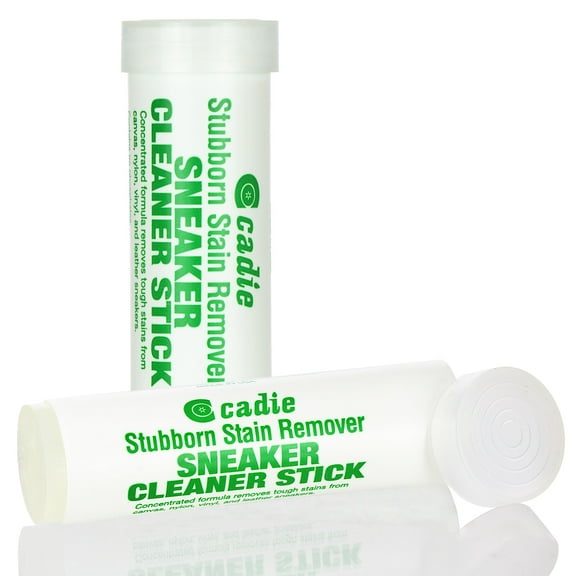





About Upholstery Cleaners in Furniture Cleaners - Walmart.com
An upholstery cleaner helps you handle upholstery cleaning fast, without dragging cushions outside or soaking your sofa. At Walmart, you’ll find formulas made for common fabrics, plus tools that reach seams and creases. That means fewer water rings, less lingering odor, and a cleaner-looking couch between deeper cleanups.
Spills happen on armrests, chair backs, and ottomans. The right product lets you spot clean quickly and keep guests from noticing yesterday’s mess.
Everyday benefits of upholstery cleaning at home
Upholstery cleaning keeps your living spaces looking cared for, especially in high-traffic homes with kids or pets. A targeted upholstery cleaner can lift grime from fabric texture without the heavy rinse steps. You’ll spend less time scrubbing, and more time enjoying furniture that feels refreshed.
Quick turnaround matters on soft goods. Many options are designed to dry faster than an all-over wash, so you can sit sooner. You can also treat only the affected area, which helps protect cushion shape and keeps foam from holding excess moisture.
- Freshens cushions after snacks, movie nights, and everyday use.
- Helps remove visible spots from spills before they set into fibers.
- Targets armrests and head areas where body oils can build up.
- Supports routine upkeep between seasonal deep cleans.
- Works for couches, accent chairs, dining seats, and car interiors.
For many fabrics, a couch cleaner is a simpler step than dragging out large machines. It’s an easy way to keep a sofa looking consistent across cushions.
Key features to compare in an upholstery cleaner
Start by matching the formula to your upholstery material. Microfiber, polyester blends, and performance fabrics often handle water-based sprays well. Velvet and delicate weaves may need gentler foams or low-moisture options.
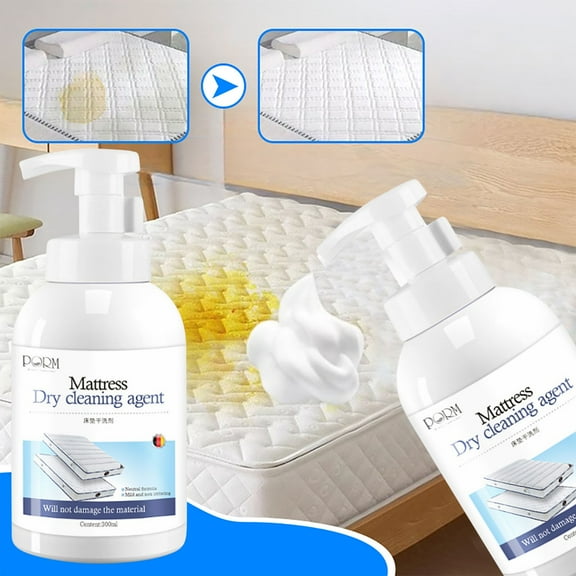
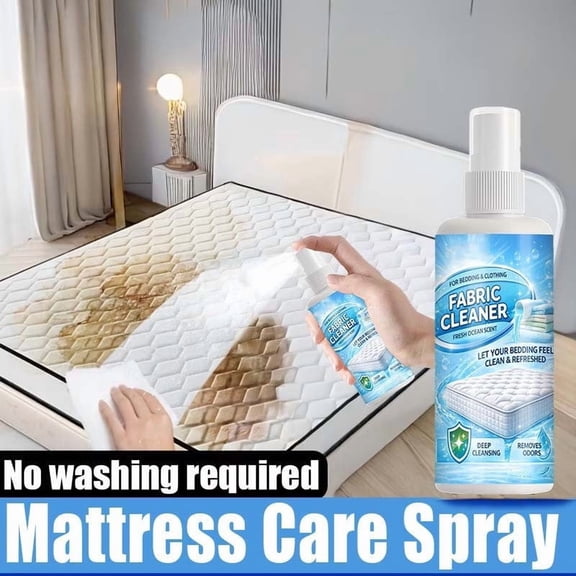
Look at application style next. Foam can sit on top of fibers for controlled lifting, while spray mists cover wider areas quickly. Trigger bottles help with precision on seams, piping, and tufted channels.
Residue matters for how your couch looks tomorrow. Low-residue formulas help reduce stiff patches that can attract more soil later. If you’re cleaning light colors, choose products designed to dry clear to limit visible rings.
Scent level can also influence your choice. Some sofa cleaner options are lightly scented, while others are fragrance-free. If your home is sensitive to strong smells, that detail can guide a better match.
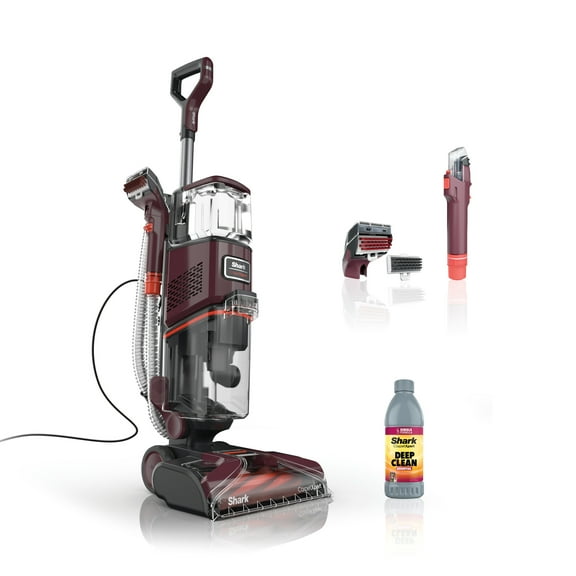
Tool compatibility helps, too. Some cleaners pair well with brushes, microfiber cloths, or portable extractors. If you already own a handheld machine, check that the fabric cleaner sofa formula fits your approach.
Common use cases for couch cleaner and fabric care
Spills on couches rarely happen in one open spot. Drips run into seams, and crumbs grind into textured fabric. A focused upholstery cleaner for couch touchups helps you treat the exact area, then blend outward for a uniform finish.
Pet homes often deal with paw marks on lower panels and arms. Spot cleaning those zones keeps dirt from spreading when someone sits down. For upholstery cleaning on sections, work one cushion at a time to keep drying consistent.
Apartment living adds its own needs. You might not have outdoor space to air out wet cushions. Low-moisture couch cleaner options can help you clean inside without leaving furniture damp for hours.
Busy households also benefit from routine maintenance cleaning. A quick pass on headrests and armrests can reduce darkening from skin oils. For dining chairs, prompt treatment helps limit staining from sauces and drinks.
Car seats and fabric door panels can use similar techniques. Test first in a hidden spot, then clean small areas with light pressure. That same approach works on ottomans and upholstered bed frames.
Choosing a cleaner for different fabrics and stains
Always check the furniture tag before you start. “W” codes usually indicate water-based cleaning, while “S” codes may require solvent-style options. If the tag says “WS,” you’ll have more flexibility during upholstery cleaning.
For fresh spills, blot first instead of rubbing. Blotting helps keep the stain from spreading into surrounding fibers. Then apply your upholstery cleaner in light layers, and work from the outside toward the center.
On older spots, patience pays off. Let the product dwell as directed, then lift soil with a soft brush or cloth. For textured weaves, follow the fabric direction to avoid roughening the surface.
Finish by removing excess moisture. Press with a clean towel, then allow airflow for faster drying. Rotating cushions can help keep color and wear looking even across your sofa.
FAQ for upholstery cleaning basics
Can I use an upholstery cleaner on microfiber couches? Many formulas work well on microfiber when you avoid oversaturation. Test in a hidden spot, and brush lightly after drying for texture.
What’s the difference between foam and spray cleaners? Foam gives controlled coverage and can reduce water rings on some fabrics. Sprays can cover larger areas faster with less rubbing.
Do I need a machine for couch cleaning? You can get strong results with a bottle and a brush for spot work. Machines help when you’re cleaning full sections or many seats.
How do I avoid streaks on a sofa? Use even application and blend beyond the stain edge. Work in small sections, and don’t soak the cushion.
Finish with a cleaner-looking couch, faster
The right upholstery cleaner turns messy moments into quick touchups, with better control on fabrics and seams. With smart prep and the right formula, upholstery cleaning feels manageable. Your couch dries sooner, looks more even, and stays ready for everyday life.