


Flower Seeds: Annual & Perennial Seeds - Walmart
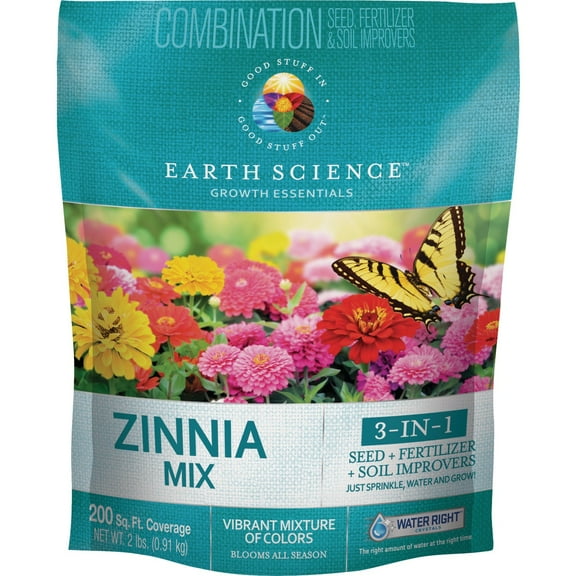


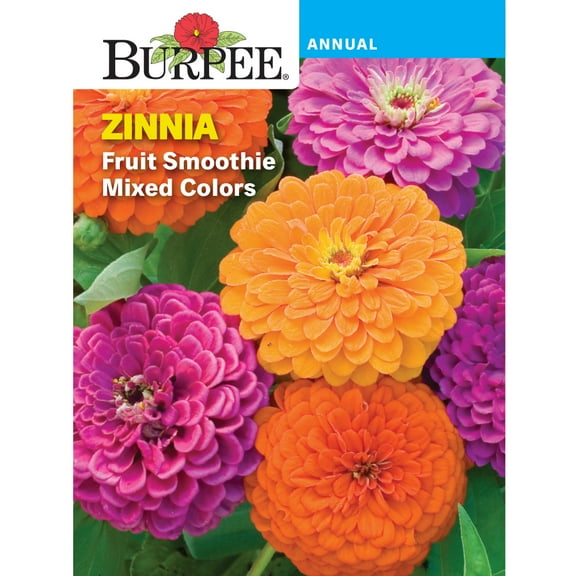

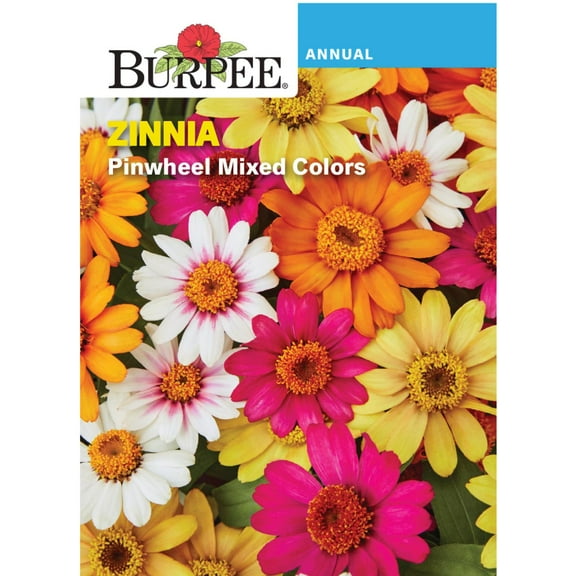




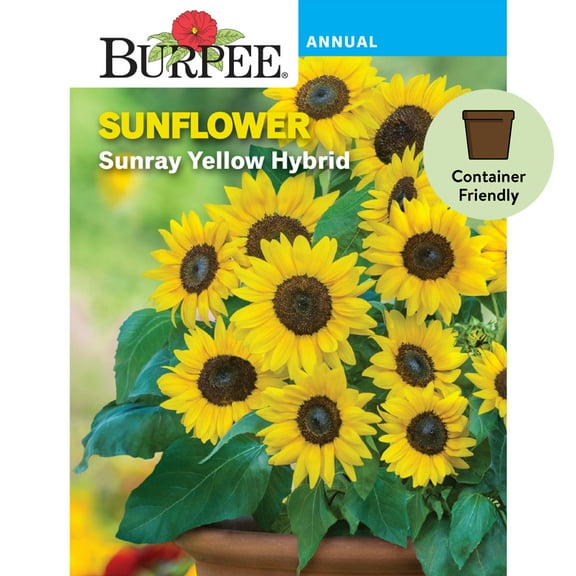
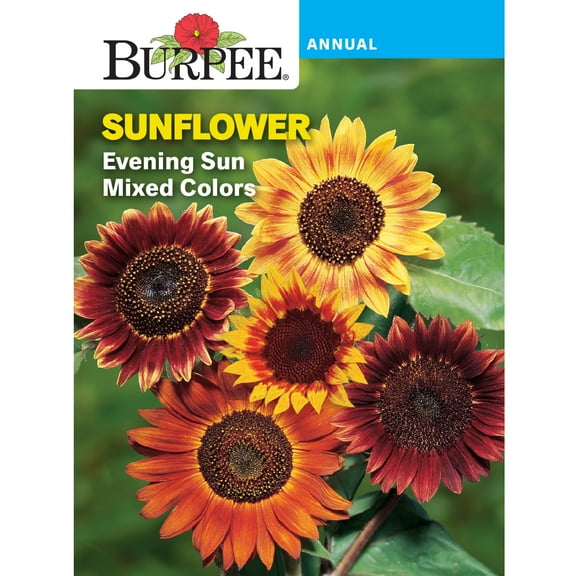

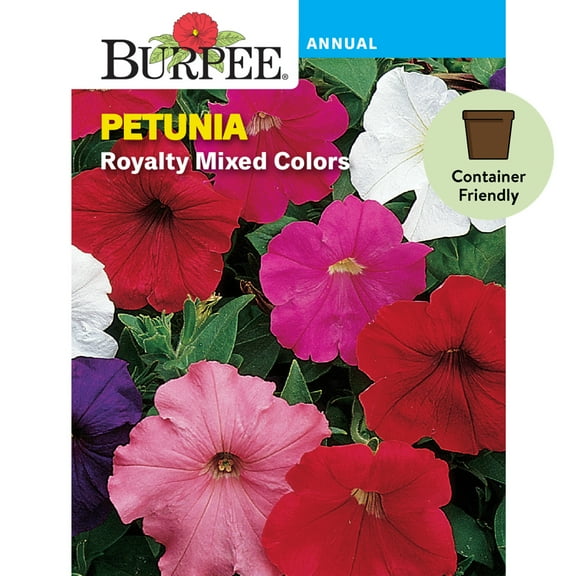
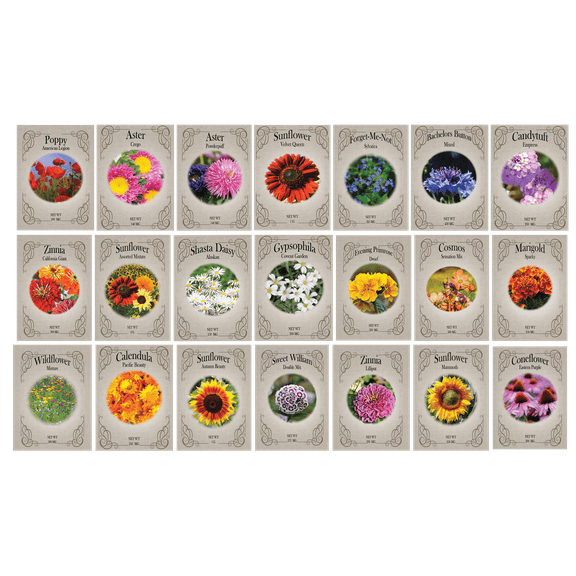






About Flower Seeds: Annual & Perennial Seeds - Walmart - Walmart.com
Flower seeds help you plan color, height, and bloom timing for your yard, beds, or containers. You can compare life cycle, sunlight needs, and sowing method to match your growing space.
If you're planting borders, cutting gardens, or meadow-style patches, you need choices that fit your season and light. You can use this guide to sort annual flower seeds, perennial flower seeds, and wildflower seeds with confidence.
How to choose flower seeds
You can get clearer results when you start with the decisions that shape daily care and bloom expectations. You should compare life cycle, sun exposure, sowing method, and bloom season before you choose packets.
When you match seeds to your yard, you can spend less time guessing after planting day. You can also plan color changes from spring flower seeds through summer flowers and later-season blooms.
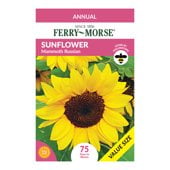
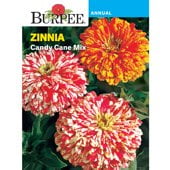
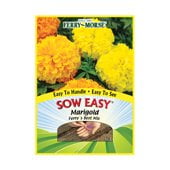
- You can choose annual flower seeds for fast color during one growing season.
- You can choose perennial flower seeds if you want plants that return in later seasons.
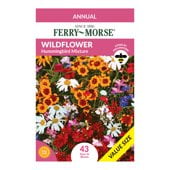
- You can use wildflower seeds for natural-looking coverage in open spaces and meadow plantings.
- You can pick indoor flower seeds when you want an earlier start before outdoor planting time.
- You can select shade flower seeds for areas with less direct light during the day.
Choosing annual, perennial, and biennial options
You should start with life cycle because it affects how long you wait and how often you replant. Annual flower seeds usually bloom in one season, while perennial flower seeds return after dormant periods.
Biennial choices can take two growing seasons to complete their full cycle, so you should plan with patience. You may prefer them when you want foliage first and blooms later.
If you want quick color for empty beds, you may lean toward annual flower seeds. If you want a long-term garden plan, you may prefer perennial flower seeds mixed with shorter-season varieties.
Checking sunlight and soil conditions
You should read sunlight needs closely because full sun and shade flower seeds perform differently in the same yard. Full sun usually means six or more hours of direct light each day.
Partial shade works well when you get gentler light for part of the day. Full shade options can help you fill spots under trees, along fences, or beside covered patios.
You should also check soil texture and drainage before you plant. Loose, workable soil helps you place seeds evenly and helps young roots spread more easily.
Comparing wildflower, heirloom, hybrid, and indoor start choices
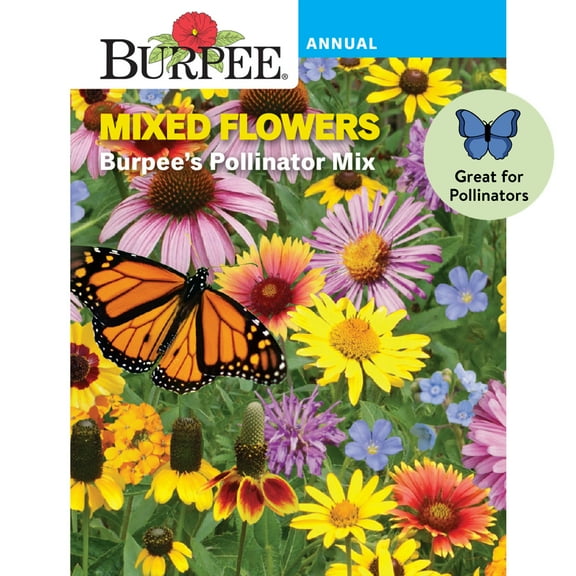
You can use wildflower seeds when you want mixed color, varied heights, and a less formal garden look. You may like them for larger patches, borders, or pollinator-style planting areas.
Heirloom choices may appeal to you when you want classic varieties with familiar garden character. Hybrid choices may suit you when you want specific color, size, or bloom habits.
You should compare sowing method at the same time you compare seed type. Direct sow options let you plant straight into prepared soil, while indoor flower seeds let you start earlier in trays.
If your last frost arrives late, you may prefer indoor start varieties for extra growing time. If your beds warm quickly, you may prefer direct sow packets for a simpler routine.
Planning bloom season, spacing, and garden use
You can build longer color by combining spring flower seeds with summer flowers and later bloomers. This approach helps you avoid a short burst of color followed by empty space.
You should check the bloom window on each packet so your planting plan stays balanced. Early, midseason, and late selections help you keep beds active across changing weather.
Height and spacing matter because crowded seedlings can compete for room, light, and airflow. You should measure borders, raised beds, and containers before you choose taller or wider varieties.
Shorter flowers can work well near walkways, edging, and front-of-bed planting. Taller stems may fit the back of borders, cutting rows, or open patches where layered height looks natural.
Using flower seeds in real planting situations
If you're filling a sunny border, you may combine annual flower seeds with perennial flower seeds for quick color and repeat structure. You can create a fuller look while longer-term plants establish.
When you're planting under trees or along shaded fences, shade flower seeds can help you use space that often feels overlooked. You should still compare packet guidance for moisture and planting depth.
If you're starting a patio or balcony garden, indoor flower seeds can give you a head start in containers or trays. You can transplant young starts once outdoor conditions match the packet directions.
For larger landscapes, wildflower seeds can help you cover broad areas with a looser, natural appearance. You may use them in meadow-inspired spaces, slope plantings, or informal borders.
You should time planting around your local frost dates because bloom success starts with the calendar. Cool-season packets often suit earlier planting, while warm-season types prefer settled spring temperatures.
When you match flower seeds to light, season, and spacing, you can get a garden plan that feels easier to manage. You can enjoy steadier blooms, clearer planting decisions, and stronger visual flow.