

Makeup & Cosmetics: Face, Eye & Lip Makeup | Walmart

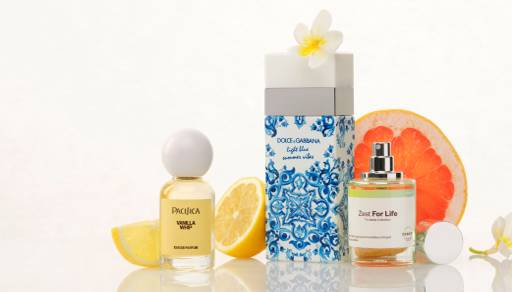
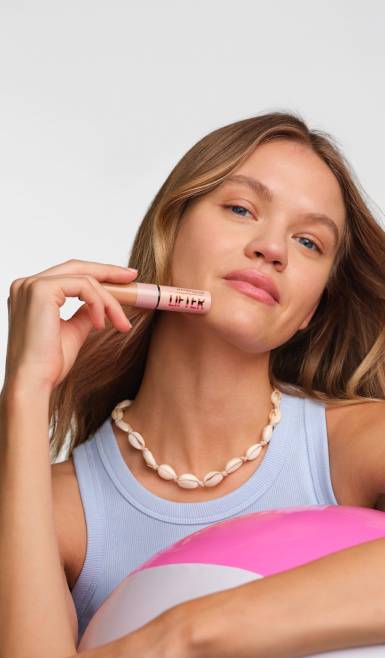
Shop by category








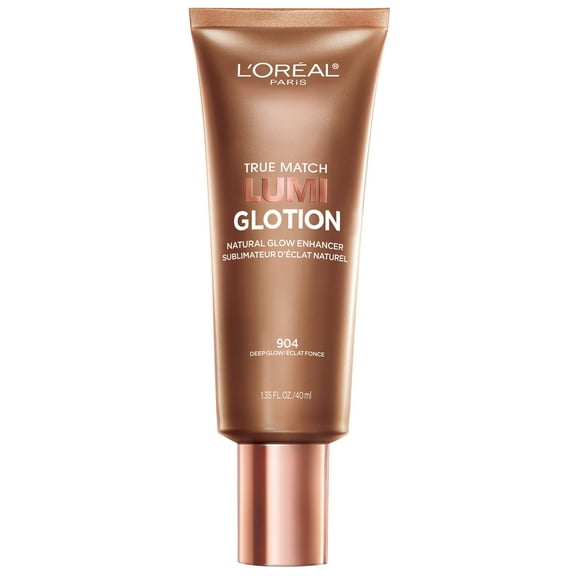


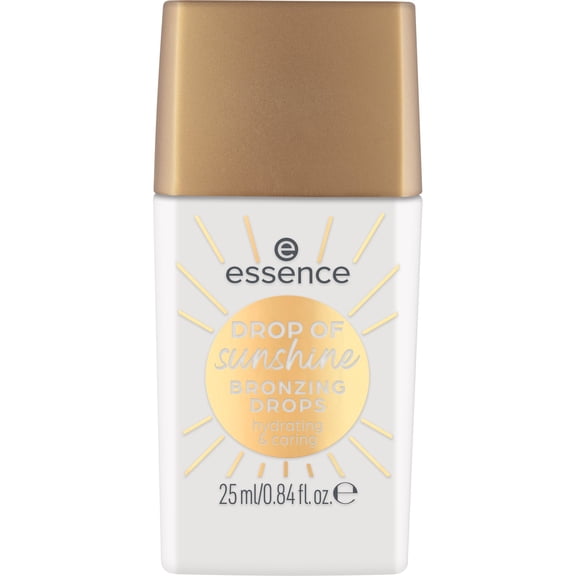

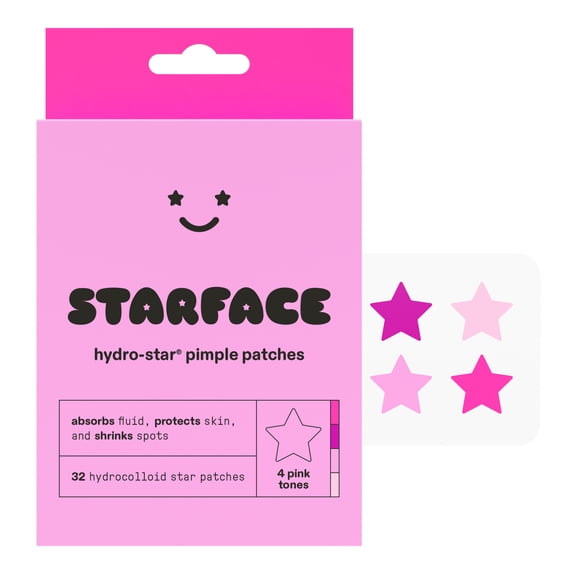
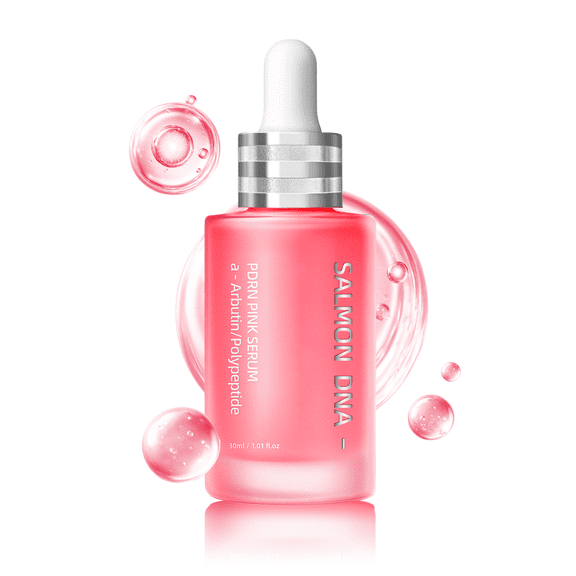



Shop by category



Shop all Back to Class






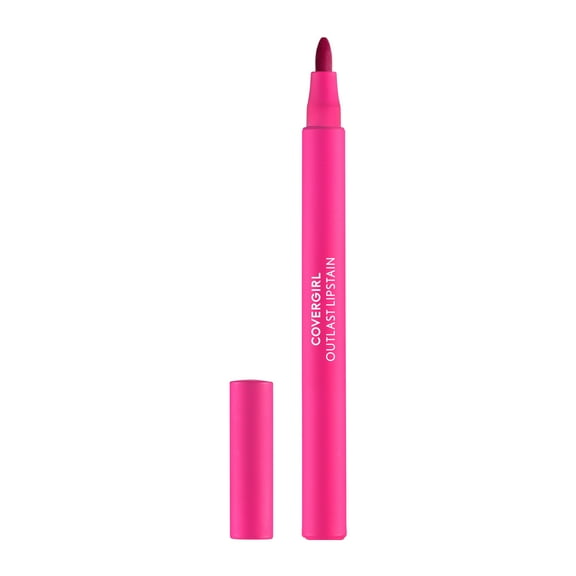

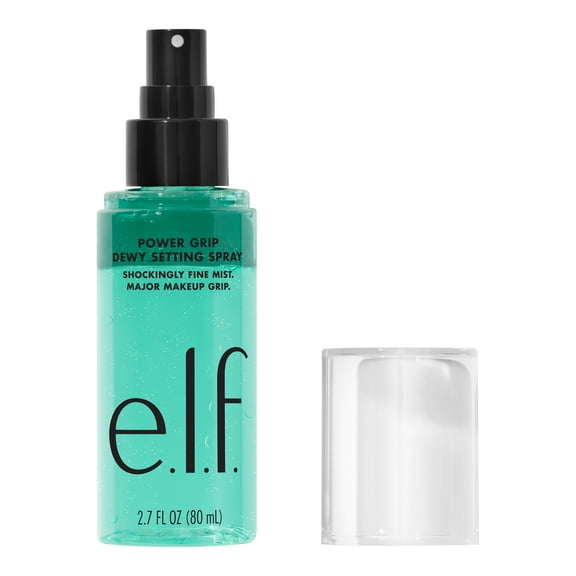
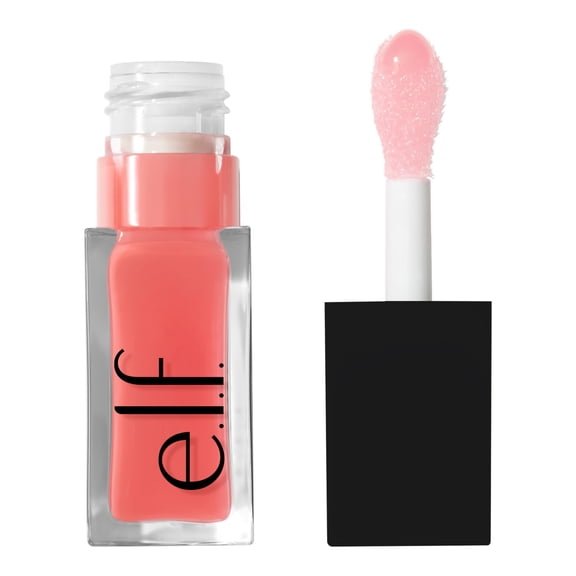

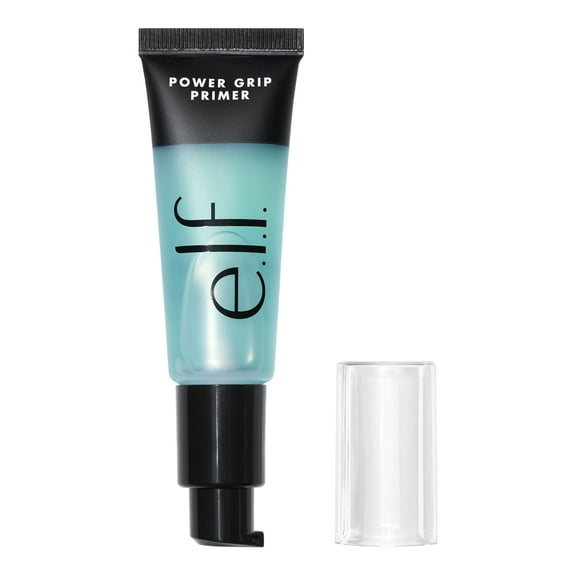
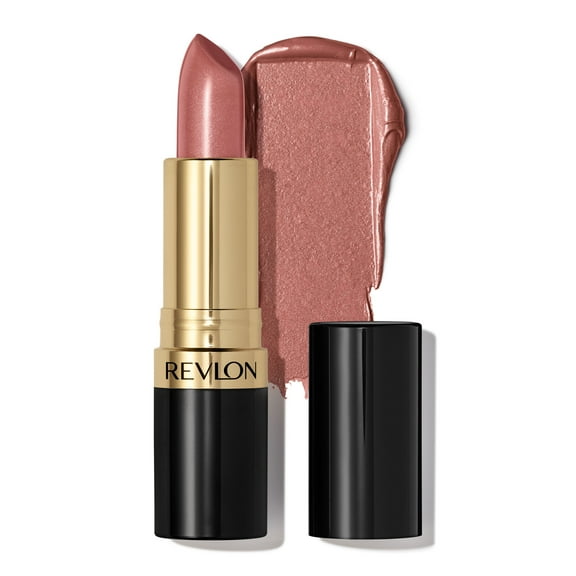














Shop all beauty

























About Makeup & Cosmetics: Face, Eye & Lip Makeup | Walmart
Makeup helps you build a routine that matches your skin tone, finish preference, and daily schedule. You can compare cosmetics for face makeup, eye makeup, lip makeup, and makeup brushes in one place.
If you’re replacing staples or building a full kit, you need choices that feel clear and practical. You can use this guide to compare product types, coverage, and ingredient labels with less guesswork.
How to choose makeup by product type
You can start with the product type that is central to your routine. If you want an even-looking base, you may compare foundation and concealer before choosing color products.
For eyes, you can pair mascara with eyeshadow for soft definition or bold contrast. For lips, you can choose lipstick finishes that fit workdays, evenings, or quick touchups.
- You can use foundation to create a smooth-looking base across sheer, medium, or full coverage needs.
- You can use concealer to refine tone in smaller areas with more targeted placement.
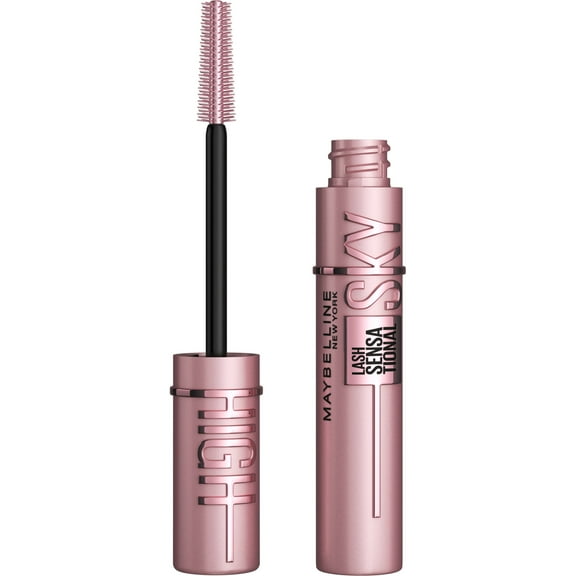
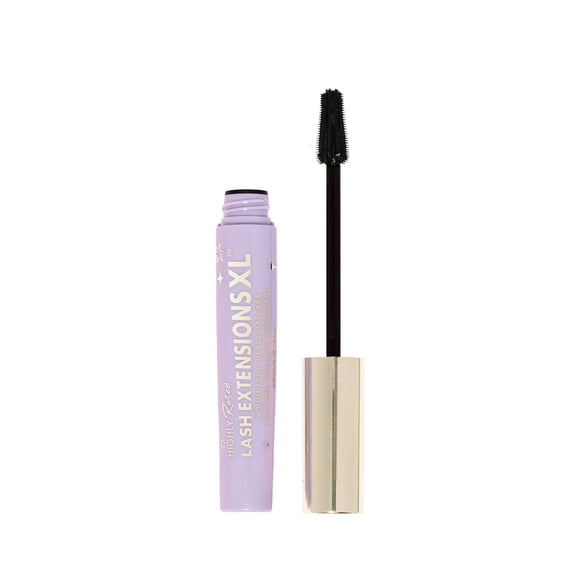
- You can use mascara and eyeshadow to shape eye makeup with subtle depth or vivid color.
- You can use lipstick to add matte, satin, or glossy lip makeup that suits your outfit.
- You can use makeup brushes and sponges to control blending, placement, and overall finish.
When you compare cosmetics by category, you can avoid products that overlap too much in your routine. You can build a makeup collection that covers complexion, eyes, and lips with clearer purpose.
Choosing face makeup for your skin type and coverage
You should match face makeup to your skin type before narrowing your shade family. If your skin feels oily, you may prefer matte formulas that look more controlled through the day.
If your skin feels dry, you may lean toward dewy or satin finishes that look fresher. If your skin is combination, you may balance finish and texture across different areas.
You can also compare coverage levels by how much natural skin you want to show. Sheer coverage looks lighter, while medium and full coverage create a more uniform-looking base.
When you compare undertone matching, you should check whether your skin reads cool, warm, or neutral. That step helps you choose foundation and concealer shades that look more natural in daylight.
You may also look for non-comedogenic formulas if you want lighter-feeling face makeup options. That label usually points you toward formulas designed for everyday wear with a less heavy finish.
Comparing finish, wear time, and eye makeup details
You should compare finish and wear time together because they shape how your makeup looks for hours. Matte makeup often looks smoother, while dewy makeup reflects more light on your skin.
Satin finishes can give your look a balanced effect between flat and radiant. Shimmer and glossy finishes can add dimension when you want more visible eye makeup or lip makeup.
For eye makeup, you can think about how much definition you want around lashes and lids. Mascara can add visible depth, while eyeshadow palettes help you layer soft or vivid color.
If you want quick weekday application, you may prefer easy-to-blend shades and simple mascara formulas. If you’re planning a longer event, you may look for long-wear textures that resist fading.
You can also choose tools based on how precise you want your placement. Brushes can help you blend crease color, while sponges and fingers can work well for cream formulas.
What to look for in ingredient preferences and beauty tools
You may want ingredient preferences that align with your routine and label priorities. You can compare vegan, cruelty-free, organic, paraben-free, and clean beauty options as you narrow choices.
Those labels can help you filter beauty products without changing the look you want. You should still compare finish, texture, and shade range so your routine stays practical.
Application tools matter because they change how your products sit and blend on your skin. You can use dense makeup brushes for fuller coverage, or you can use sponges for a softer finish.
If you like simple routines, you may prefer formulas that work well with finger application. If you want more control around your eyes and lips, you may reach for smaller brushes.
Using makeup for everyday looks and special occasions
You can build an everyday routine with a light base, defining mascara, and a comfortable lip color. That approach works well when you want polished makeup with fewer steps.
For workdays, you may choose medium coverage foundation, neutral eyeshadow, and satin lipstick. Those combinations usually feel versatile across morning meetings and evening plans.
When you want event-ready cosmetics, you can increase coverage and shift your finish for more impact. Full coverage face makeup, shimmer lids, and glossy lips can create a more dressed-up look.
You can also tailor your routine to season, lighting, and touchup habits. Matte finishes may suit humid days, while dewy textures may suit dry indoor settings.
If you’re updating your kit, you can mix staple products with trend-driven shades. That balance helps your makeup collection stay useful while still giving you room to experiment.
You can choose makeup with more confidence when you compare skin type, finish, coverage, and tools together. That approach helps you create looks that fit your tone, routine, and preferred level of polish.