


Find tires that fit
Let’s search for tires that fit your vehicle.195/65R15 Tires & 195/15 Car Tires











![4 Supermax TR-1 195/65R15 91H All Season Performance 500AA [50K Mi Warranty] TR1 PCR-1503-SX / 195/65/15 / 1956515](https://i5.walmartimages.com/seo/4-Supermax-TR-1-195-65R15-91H-All-Season-Performance-500AA-50K-Mi-Warranty-TR1-PCR-1503-SX-195-65-15-1956515_b18e56da-5301-4d44-9b24-938a7c7c9988.f400c2c4ddb599b6e75cce475104cd23.jpeg?odnHeight=576&odnWidth=576&odnBg=FFFFFF)

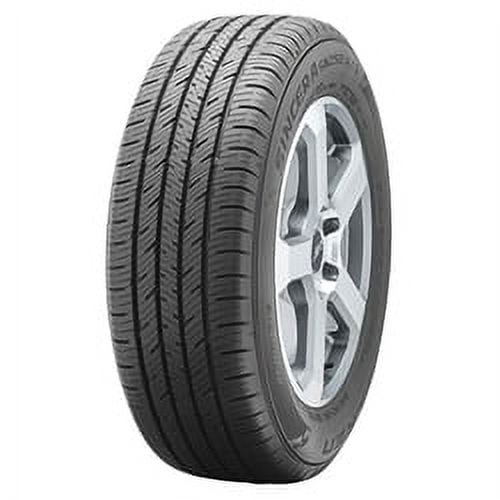


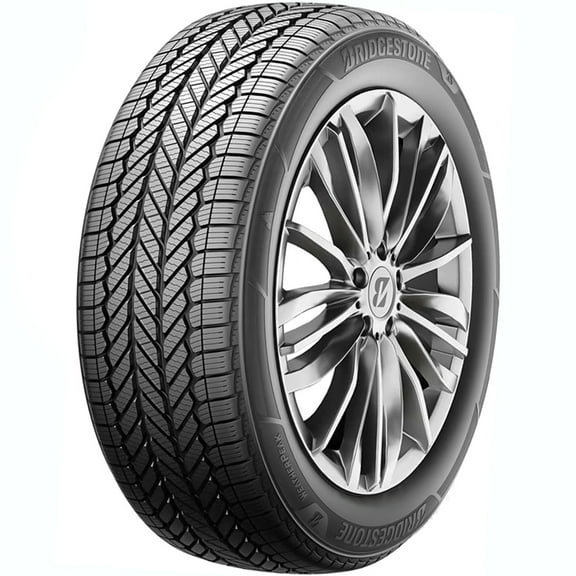

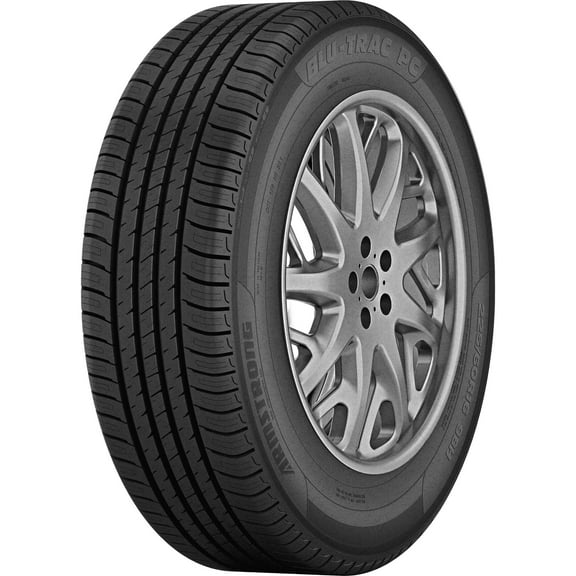


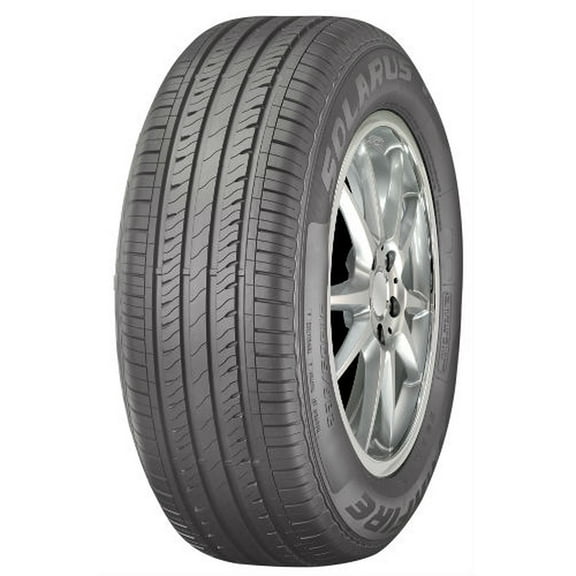
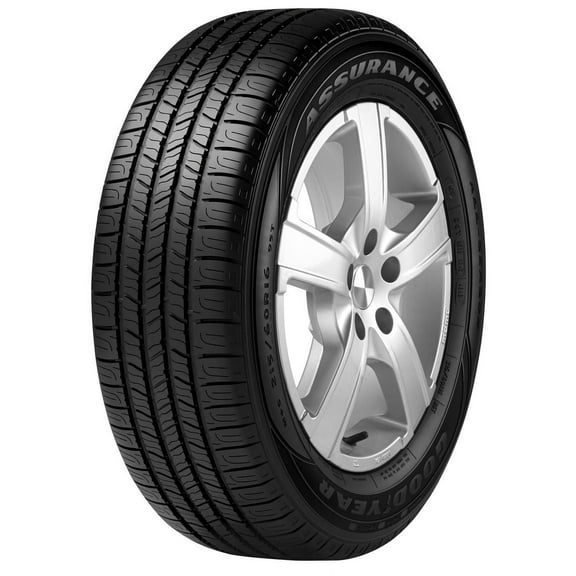


About 195/65R15 Tires & 195/15 Car Tires - Walmart.com
You can compare 195/15 tire options here with clear fitment guidance for 195/65R15 sizing and everyday passenger car driving needs. You'll find this size on many compact sedans, and you'll want details that match your vehicle door placard and driving routine.
Before you choose, you should read the full size as section width, aspect ratio, and rim diameter working together. You'll notice that 195 means width in millimeters, 65 means sidewall height as a percentage, and 15 means a 15-inch wheel.
Understanding 195/15 and 195/65R15 fitment
When you shop 195/15 options, you should confirm that your vehicle calls for 195/65R15 on the tire sidewall or placard. You can often find this size on vehicles like a Honda Civic, Toyota Corolla, or Hyundai Elantra.
If you compare 19565r15, 195 65 r15, and 195 65 15 searches, you're usually looking at the same common passenger tire size. You should still check your trim, because wheel packages and replacement preferences can change the exact fit.
As you compare fitment, you should focus on three numbers that affect ride feel and compatibility. You need the 195 width for proper contact, the 65 ratio for sidewall profile, and the 15 diameter for wheel match.
Choosing the right tire type
You should choose tire type based on your weather, commute, and road surfaces through the year. You'll usually see all-season, touring, winter, and performance options within this size.
- You can choose all-season tires when you want balanced wet traction, dry handling, and year-round daily driving.
- You can choose touring tires when you want a quieter ride, steady highway comfort, and predictable tread life.
- You can choose winter tires when you need tread patterns and compounds shaped for colder roads and snow use.
- You can choose performance tires when you want sharper steering response and firmer road feel on suitable vehicles.
If you spend long hours on highways, you may prefer touring construction for a calmer cabin and smoother cruising. If you face mixed weather, you may lean toward all-season patterns that support broad daily use.
When you compare these categories, you should think about how your car actually gets used each week. You'll get a more accurate match when you weigh commute distance, rainfall, winter conditions, and road texture.
Checking speed rating and load index
You should compare speed rating and load index as key decision points, not small sidewall details. You'll often see speed ratings like T, H, and V, plus load indexes such as 89, 91, and 95.
If your vehicle calls for a 91 load index, you should match that requirement or your approved replacement specification. You'll keep your fitment aligned when you verify the placard, owner's manual, or current tire markings.
As you review T, H, and V ratings, you should treat them as markers for intended operating capability. You'll also notice they often align with differences in ride feel, steering response, and touring comfort.
When you want a straightforward replacement, you should avoid guessing on these letters and numbers. You can compare your existing sidewall markings first, then narrow choices that match your vehicle requirements.
Comparing warranty mileage and treadwear expectations
You should use warranty mileage as a simple way to compare expected longevity across similar tire designs. You'll often see ranges like 40,000 miles, 60,000 miles, and 80,000 miles in this category.
If you drive mostly city routes with frequent stops, you may prioritize traction and comfort over the longest mileage figure. If you cover many highway miles, you may look closely at 195 65 15 options with longer mileage coverage.
As you compare treadwear expectations, you should balance lifespan with the driving feel you prefer every day. You'll often find that touring models emphasize long, even wear, while performance-focused choices may prioritize response.
Using 195/65R15 tires for common driving needs
You can use this size for daily commuting, school drop-offs, weekend errands, and regular highway travel in compact cars. You'll often want a tire that supports stable tracking, consistent ride comfort, and predictable handling.
If you drive in changing seasons, you should compare all-season and winter choices before replacement time arrives. You'll make a clearer decision when you match your tire type to your local temperatures and road conditions.
For longer commutes, you may look for touring-focused 195 65 r15 designs with road manners that feel composed at highway speeds. You can also compare tread patterns and ratings when you want a quieter, more settled drive.
If your car carries passengers and cargo often, you should pay close attention to load index before choosing. You'll want a specification that aligns with your vehicle's intended carrying needs and wheel setup.
When you're replacing a worn set, you should keep the same size unless your vehicle manufacturer approves a different setup. You'll maintain proper wheel fit, speedometer behavior, and overall driving balance by matching the listed size.
How to choose 195/15 tires with confidence
You should start with fitment, then compare tire type, speed rating, load index, and warranty mileage in that order. You'll narrow the field faster when you measure each option against your vehicle requirements and driving pattern.
With 195/15 sizing, you can shop more confidently when you understand what each marking means on the sidewall. You'll end with a replacement that fits your wheel correctly and supports the road feel you expect.