


Find tires that fit
Let’s search for tires that fit your vehicle.205/75/15 Nearby Tires & 205/75R15 Tires | Walmart
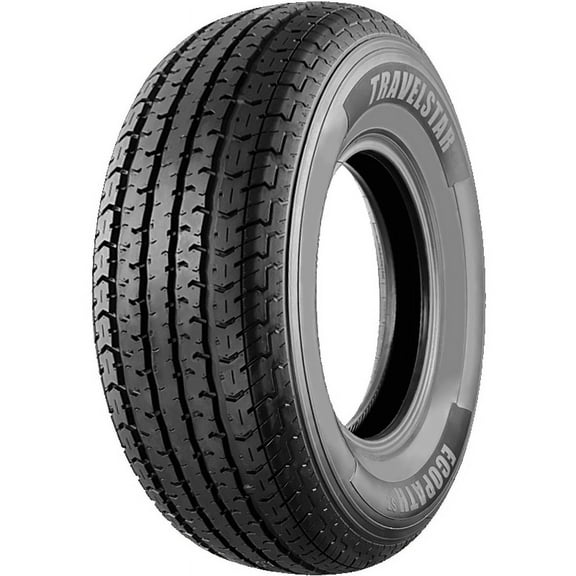

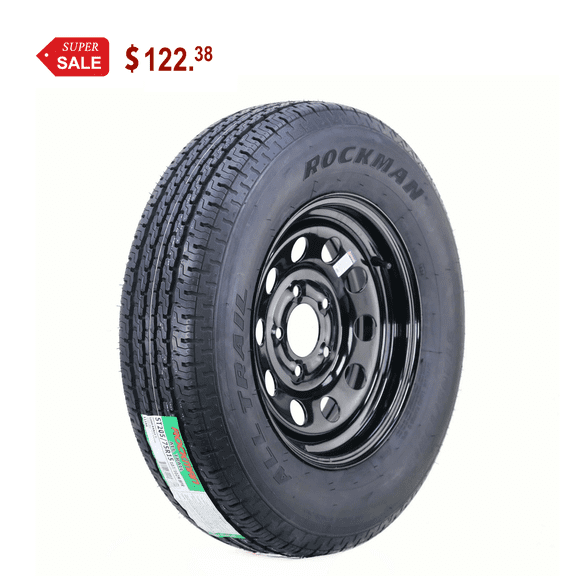
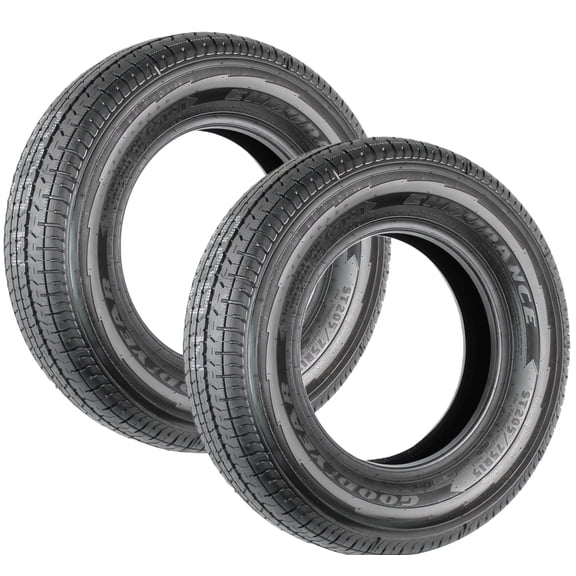
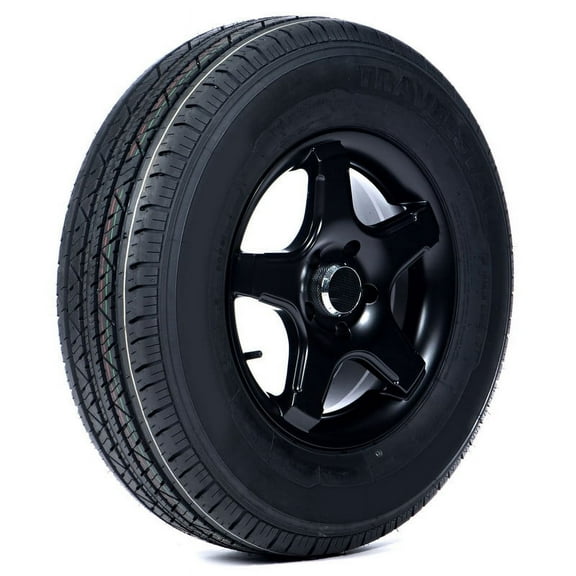


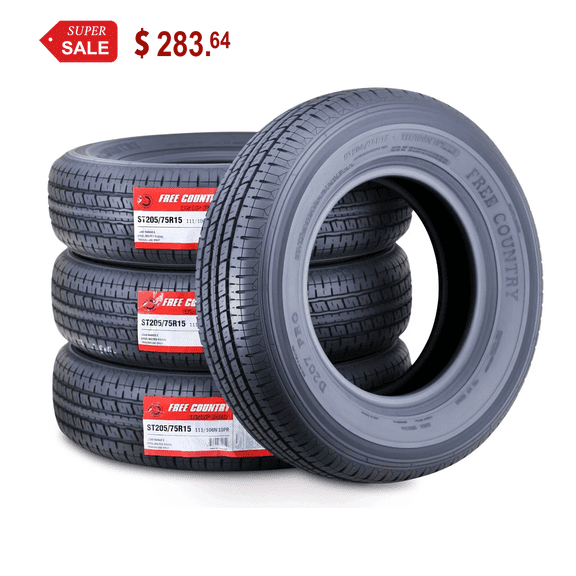


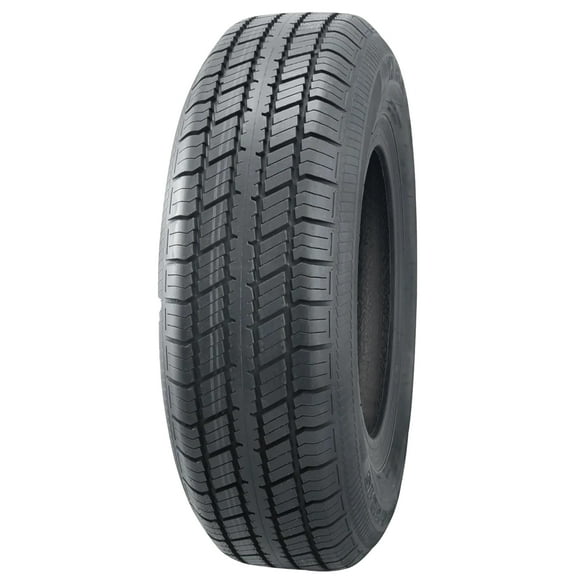
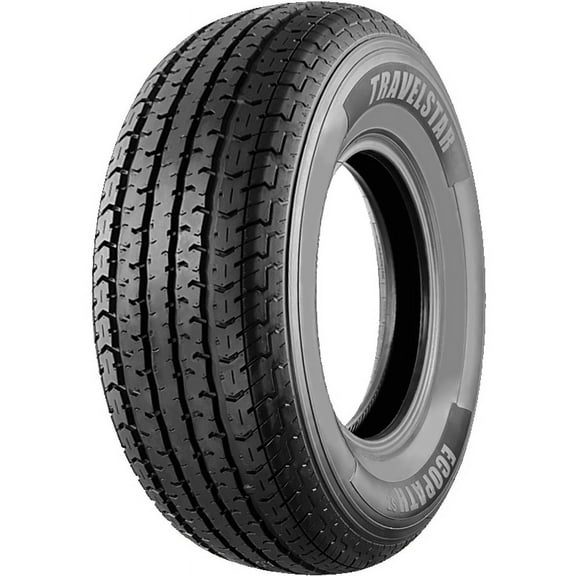

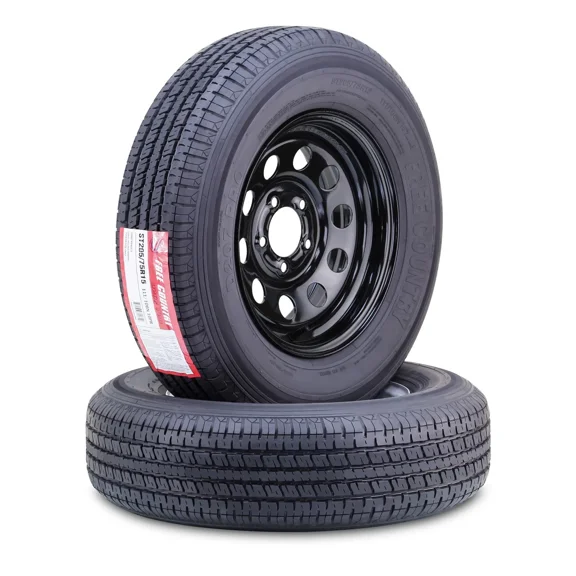






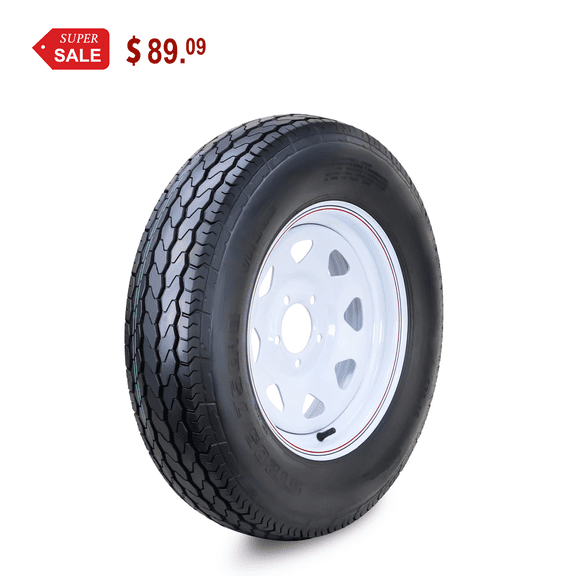


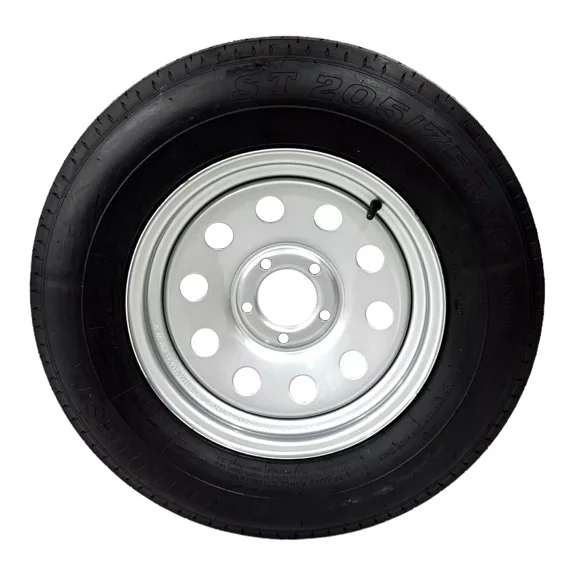


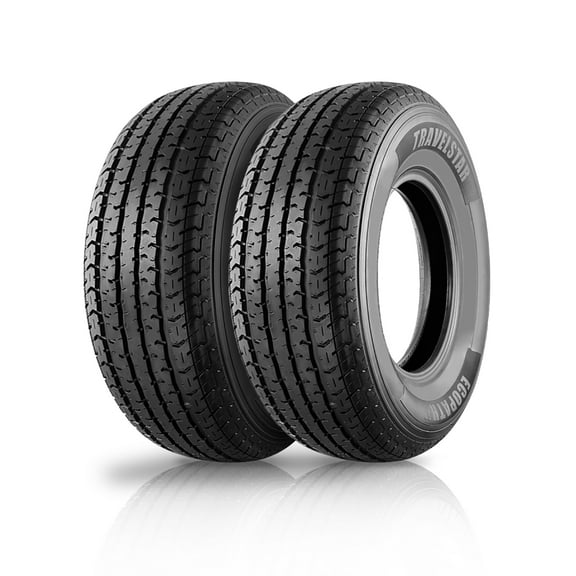


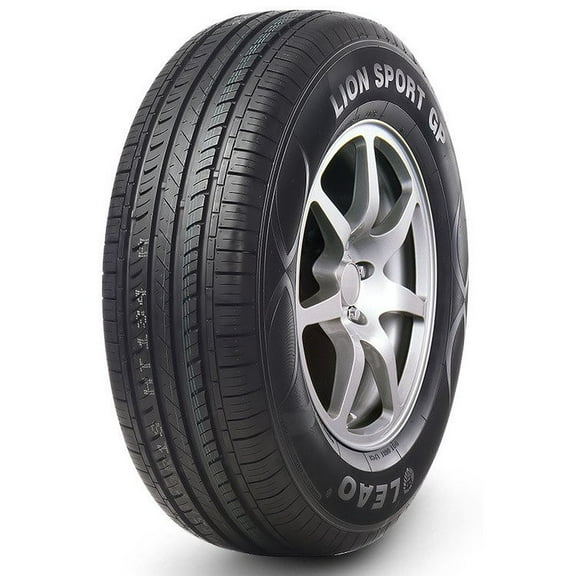



About 205/75/15 Nearby Tires & 205/75R15 Tires | Walmart - Walmart.com
205/75R15 tires help you match your trailer or vehicle to the right fit, load support, and road use. You'll find this size often fits utility trailers, travel trailers, and select light trucks with 15-inch rims.
Before you choose, you should confirm your sidewall size, rim diameter, and load needs. You'll make a smarter pick when your tire type, construction, and load range match your towing routine.
Choosing the right 205/75R15 tires
When you shop this size, you should start with how you use your trailer or vehicle. You'll want a tire that matches highway travel, stored equipment, or mixed-use hauling.
If you tow a camper or utility trailer, you may focus on 205/75R15 trailer tires built for steady tracking. If you drive a compatible vehicle, you may compare all-season passenger or light truck options.
Your decision gets easier when you compare the core buying points first. You'll usually want to review these details before you narrow your options.
- You should check tire type for trailer, passenger, or light truck use.
- You should confirm radial or bias ply construction for your towing style.
- You should compare Load Range C, D, or E to match weight needs.
- You should review 6-ply, 8-ply, or 10-ply ratings for durability expectations.
- You should verify the tire fits your 15-inch rim and sidewall size markings.
These details matter because your tire choice affects ride feel, tracking, and carrying ability. You'll get more confidence when your tire matches your trailer's weight and your usual route.
How to compare tire type and construction
You should choose tire type based on whether you tow or drive. You'll usually see trailer tires for dedicated towing, while passenger and light truck tires suit compatible vehicles.
For many owners, 205 75 r15 radial tires make sense for frequent highway miles. You'll often notice radial construction supports smoother rolling and more even road contact.
Bias ply options can suit trailers that see shorter trips, rough surfaces, or long parked periods. You'll often consider them when sidewall stiffness matters for certain hauling setups.
Your construction choice should match how and where you travel. If you tow long distances on paved roads, you'll likely compare radial options first.
If your trailer sees job sites, gravel, or seasonal storage, you may also review bias ply choices. You'll want to balance road comfort, handling feel, and expected wear patterns.
How to choose load range and ply rating
You should check load range before you compare tread patterns or brand details. Your load range tells you how much weight each tire carries.
Load Range C trailer tires can fit lighter-duty towing needs and smaller trailer setups. You'll often see them paired with 6-ply style ratings for moderate carrying demands.
Load Range D can work when your trailer carries heavier equipment or fuller camping gear. You'll often connect this step up with 8 ply 205 75r15 tires for added support.
If your setup carries heavier loads, you may also compare Load Range E options. You'll want to verify your wheel rating and trailer requirements before you move higher.
Ply rating gives you another quick way to compare durability expectations. You'll usually see 6-ply, 8-ply, and 10-ply options tied to different hauling needs.
When you review these specs, you should also check the load index on your current tire. You'll get a clearer picture of whether a replacement matches your trailer or vehicle requirements.
What to look for in fitment and everyday use
You should confirm that 205/75R15 tires match your current sidewall marking exactly before you buy. You'll also want to confirm the tire fits your wheel diameter and intended application.
If you tow a travel trailer, you may prioritize steady highway manners and dependable load support. You'll likely compare radial construction and higher load ranges for longer road trips.
If you use a utility trailer for landscaping gear or tools, you may need durable sidewalls and solid carrying ability. You'll often narrow your search by Load Range C or D first.
For light truck applications, you should check that the tire category matches your vehicle's specifications. You'll want to review the load index and service description listed for each option.
If you drive through changing seasons, you may prefer all-season designs for broad road use. You'll still need to match the tire's category and ratings to your vehicle or trailer.
You can also compare your current tire's sidewall details with your owner's information before replacing a set. You'll make sizing easier when your rim size, load needs, and use case line up.
When you focus on fitment, construction, and load support, you avoid guesswork. You'll end up with a tire that suits your trailer's demands and your everyday towing routine.