


Find tires that fit
Let’s search for tires that fit your vehicle.225/65R17 Tires in Shop by Size


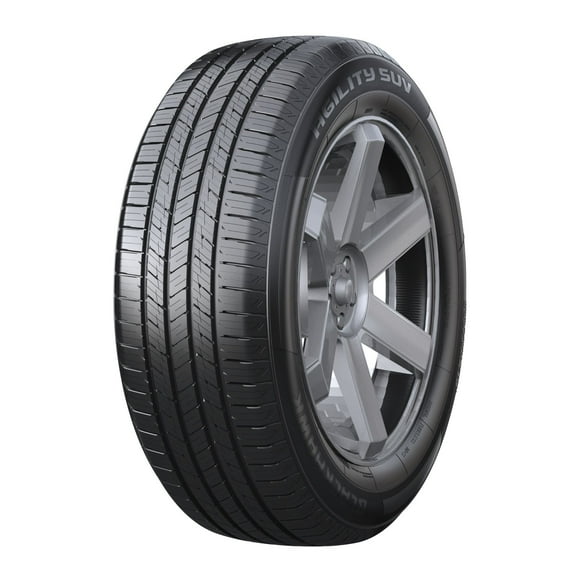
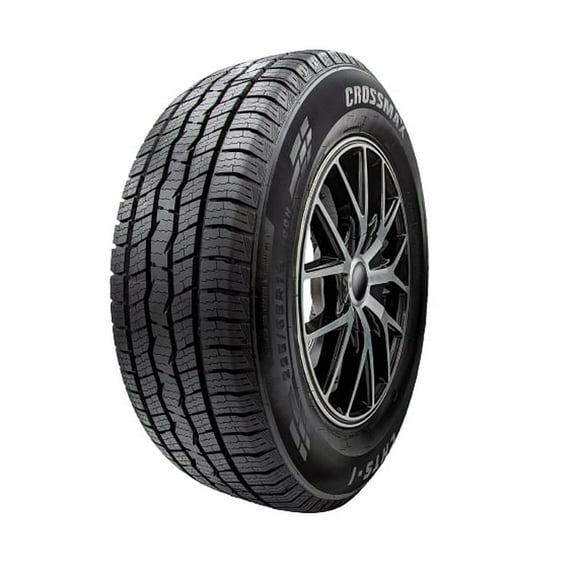


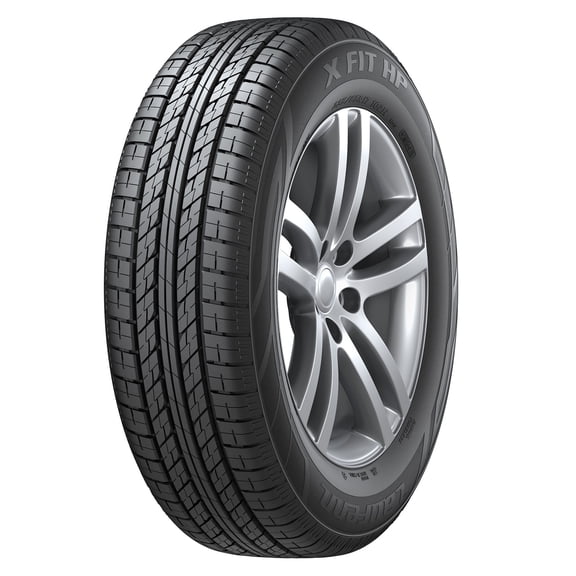
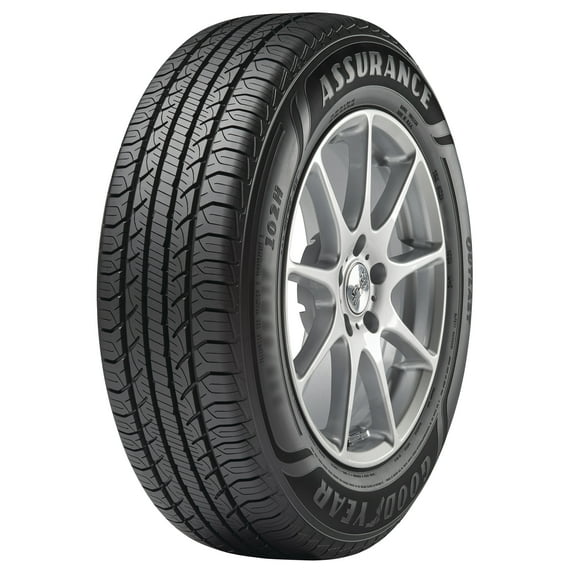


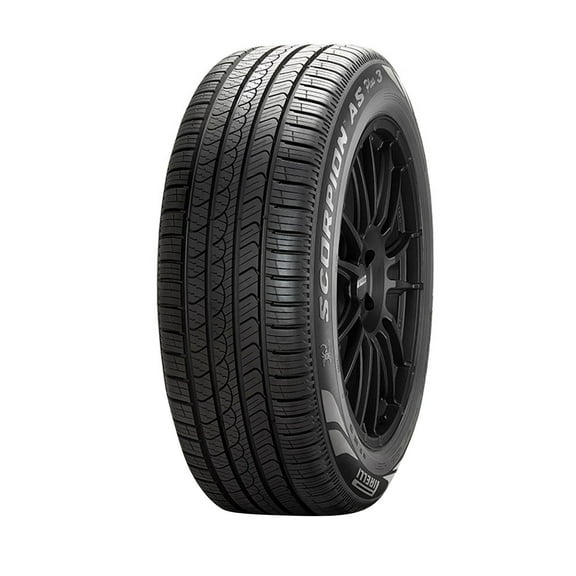


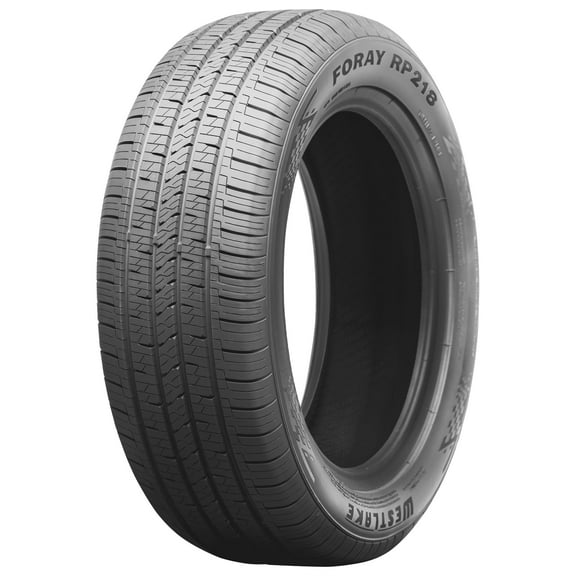


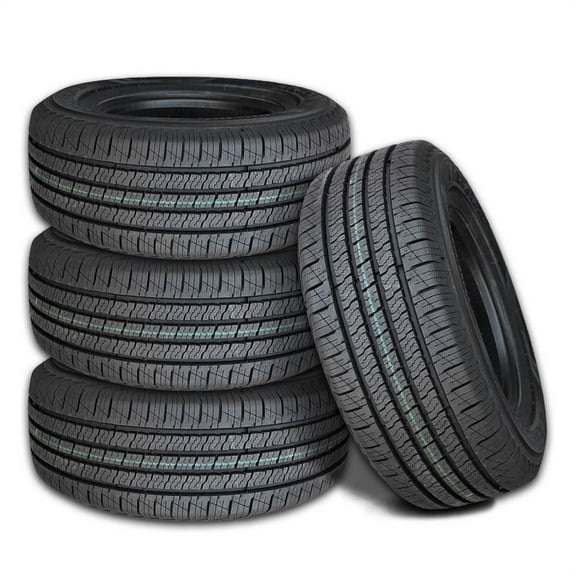


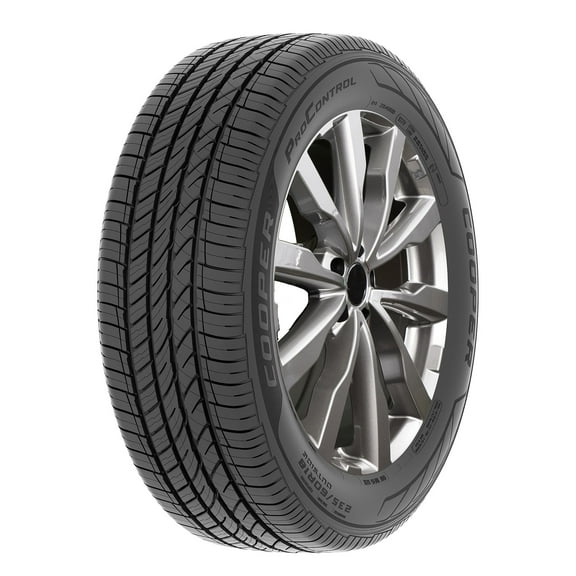

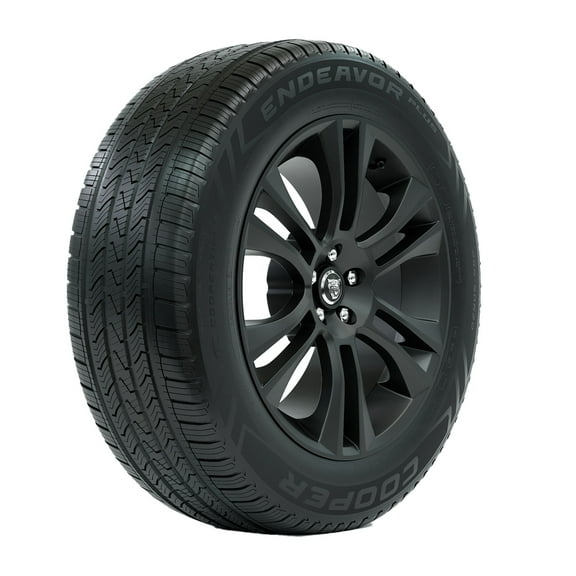
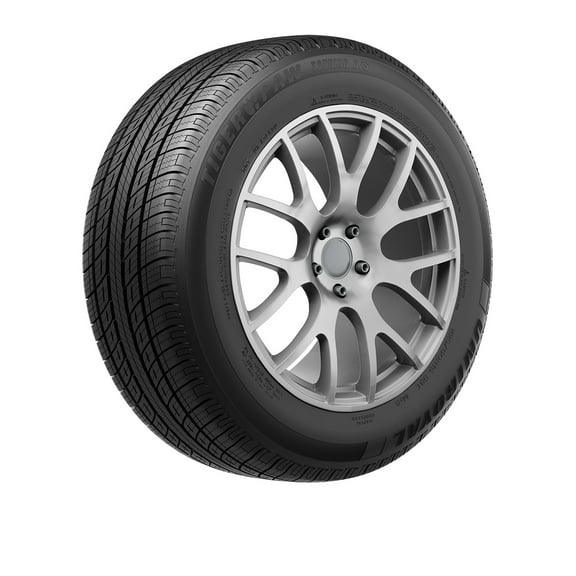
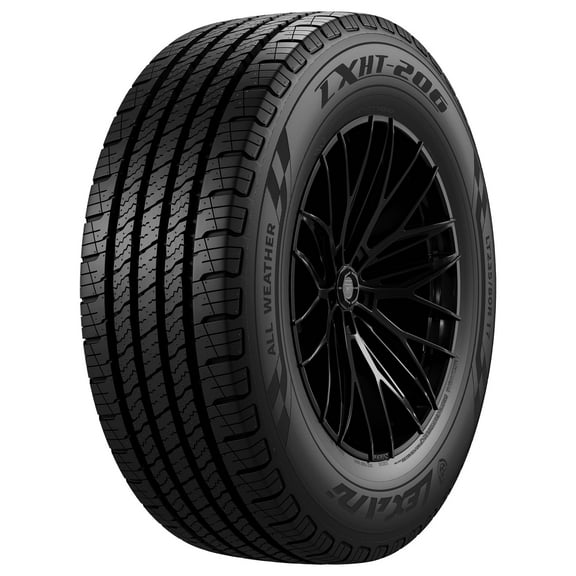


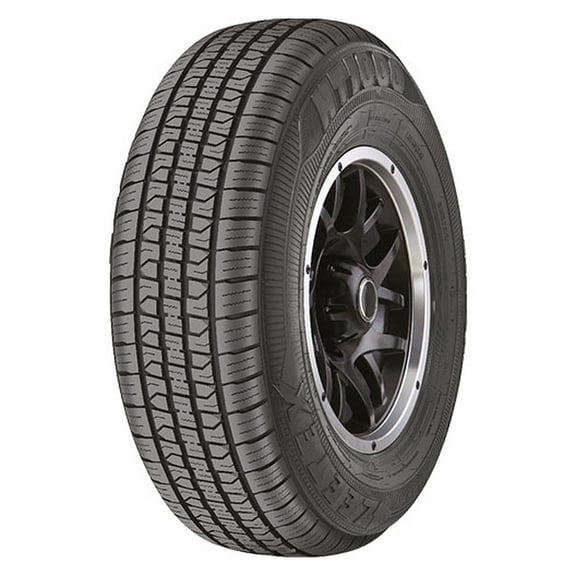

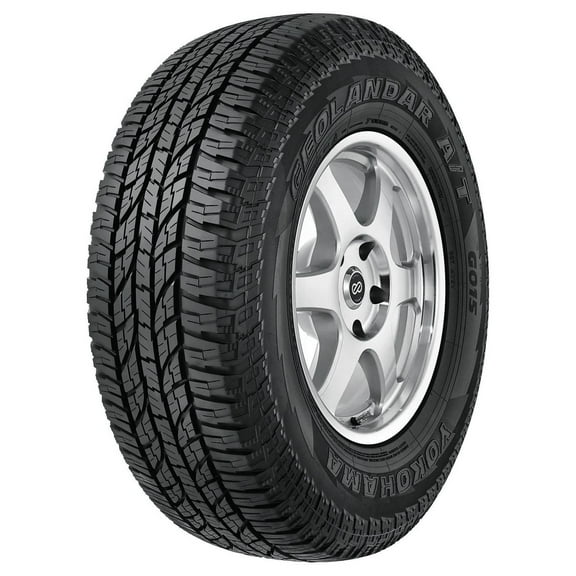
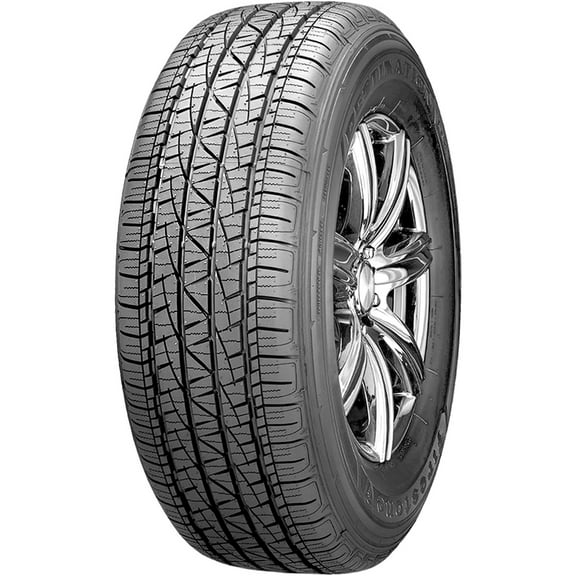
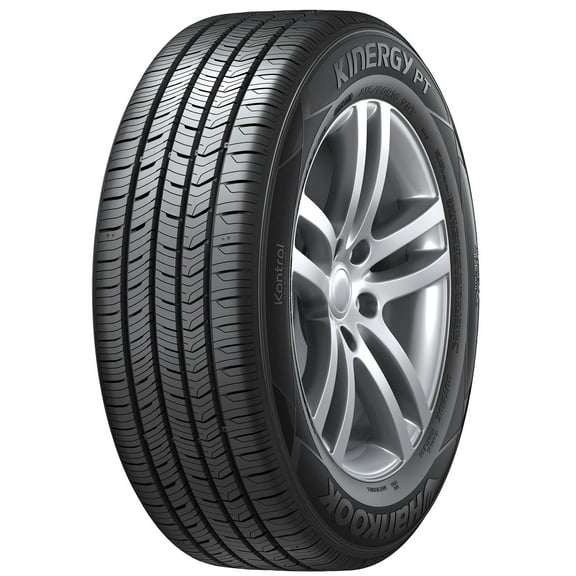


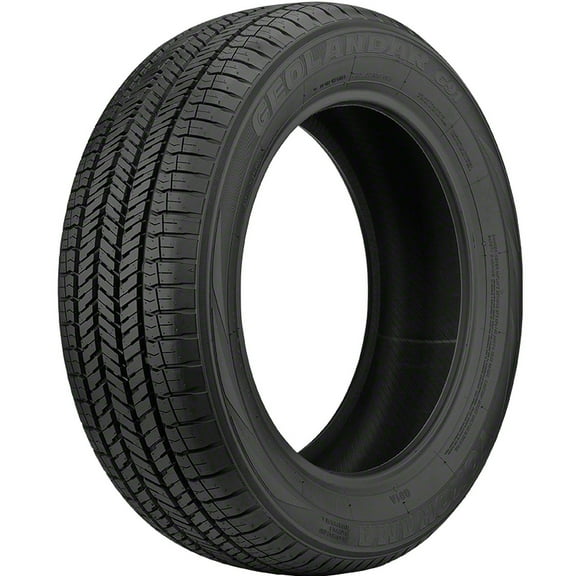
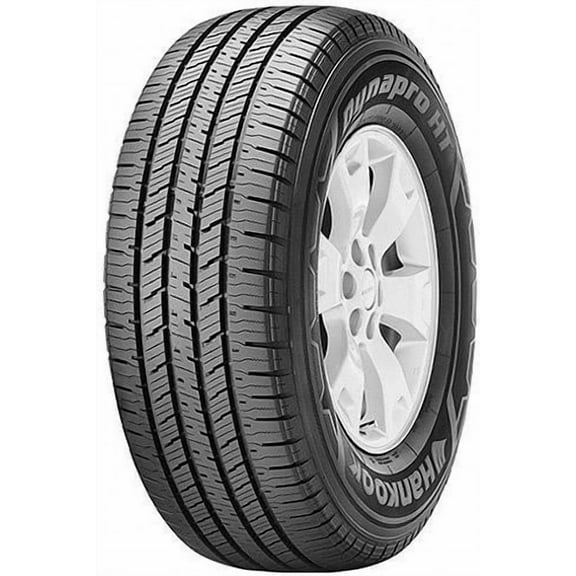
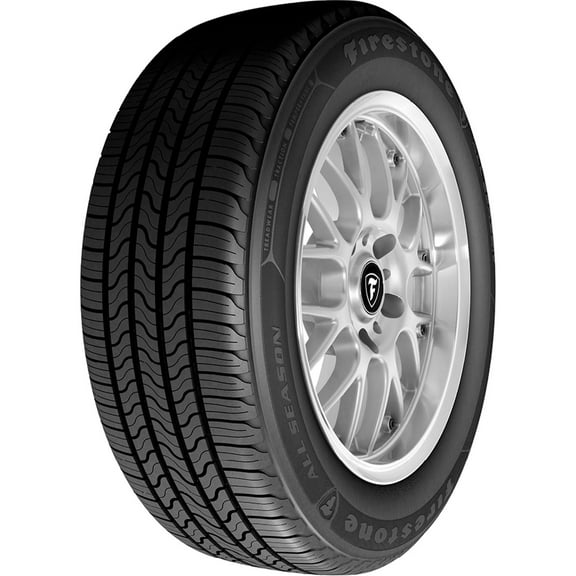

About 225/65R17 Tires in Shop by Size - Walmart.com
When you shop 225/65R17 tires, you’re choosing a size built for many compact SUVs and crossovers. You can quickly compare fitment, tire type, and ratings that matter for daily driving, highway miles, and changing weather.
This size often fits vehicles like your Toyota RAV4, Honda CR-V, Subaru Outback, or Nissan Rogue. You should still check your door placard or owner’s manual, because your trim level can affect the correct match.
Choosing the right 225/65R17 tires
You can read this tire size as three key measurements that guide fitment. You get a 225 millimeter section width, a 65 aspect ratio, and a 17 inch wheel diameter.
When you match all three numbers exactly, you help your vehicle keep its intended ride height and wheel fit. You also make it easier to compare handling feel, road comfort, and tread choices within the right size.
You may notice this size appears often in SUV tires 225/65R17 and 225/65R17 passenger tires. You’ll typically see it on crossover models that balance cargo room, commuting comfort, and weekend travel.
How to compare tire type for your driving
You should start with your weather and road habits before choosing a tread style. You’ll narrow your options faster when you compare all-season, all-terrain, winter, and touring designs.
- You can choose 225/65R17 all-season tires when your driving includes commuting, errands, and mixed weather through much of the year.
- You can consider all-terrain tires 225/65R17 when your routes include gravel roads, trail access points, or rougher surfaces.
- You can look at 225/65R17 winter tires or 225/65R17 snow tires when you need a tread pattern built for cold-season driving.
- You can pick touring options when you want a calmer highway feel and a focus on everyday comfort.
If you drive mostly paved roads, you’ll usually prefer a quieter tread and steady highway manners. If you reach campsites or rural roads often, you may want extra grip from a more rugged pattern.
For changing seasons, you can compare groove design and siping to understand wet and cold traction. You’ll often find that winter-focused options use a different tread approach than all-season choices.
What to look for in vehicle compatibility
You should confirm fitment before comparing treadwear, brand, or appearance. You’ll want the exact size plus the right speed and load ratings for your specific vehicle.
Your Toyota RAV4 or Honda CR-V may use this size on many trims, but you should always verify your current setup. Your Subaru Outback or Nissan Rogue may also use it, though factory specifications can differ.
You can also check whether you’re replacing one tire or building a 225/65R17 tire set. You’ll usually want matching tread patterns across an axle, and many shoppers prefer a full matching set.
Understanding speed rating and load index
You should compare speed rating and load index as carefully as tread design. You’re checking whether a tire matches the carrying and driving requirements set for your vehicle.
You may see H, T, or V ratings in this size, and each letter marks a different speed capability. You should use the rating recommended for your vehicle, because it helps preserve the intended driving feel.
You may also see load indexes like 100, 102, or 104 on 225/65R17 tires. You can read those numbers as the weight each tire is designed to carry at the proper inflation level.
If your vehicle calls for a 102 load index, you shouldn’t guess with a lower figure. You’ll want to match or exceed the requirement listed on your vehicle information label.
Comparing treadwear and mileage expectations
You can use treadwear details to compare how a tire may fit your routine. You’ll often want a pattern that supports frequent commuting, highway drives, or mixed family travel.
If you log many highway miles, you may prefer a touring or all-season option with a long-wearing design. If your routes are rougher, you may accept a different feel for added surface versatility.
You should also think about rotation intervals and inflation checks when comparing durability. You’ll usually get more consistent wear when your maintenance habits match your driving demands.
Matching 225/65R17 tires to real driving needs
You can choose 225/65R17 all-season tires if your week includes school drop-offs, work commutes, and highway errands. You’ll likely appreciate balanced road manners and simple year-round versatility in moderate conditions.
You can consider all-terrain tires 225/65R17 if your crossover sees gravel lots, cabin roads, or trailhead parking areas. You’ll trade some road feel for a tread style designed for more varied surfaces.
You can look into 225/65R17 winter tires when your cold-season driving includes snow-covered streets and icy mornings. You’ll get a category built around winter travel instead of warm-weather priorities.
If you’re replacing worn factory tires on a family SUV, you can focus on fitment, comfort, and tread life first. You’ll make a clearer choice when you compare those basics before brand preferences.
With the right 225/65R17 tires, you can match your vehicle’s size, your climate, and your driving routine in one clear decision. You’ll feel more confident choosing a tire that fits properly and supports everyday crossover travel.