


Find tires that fit
Let’s search for tires that fit your vehicle.235/40R18 Tires in Shop by Size


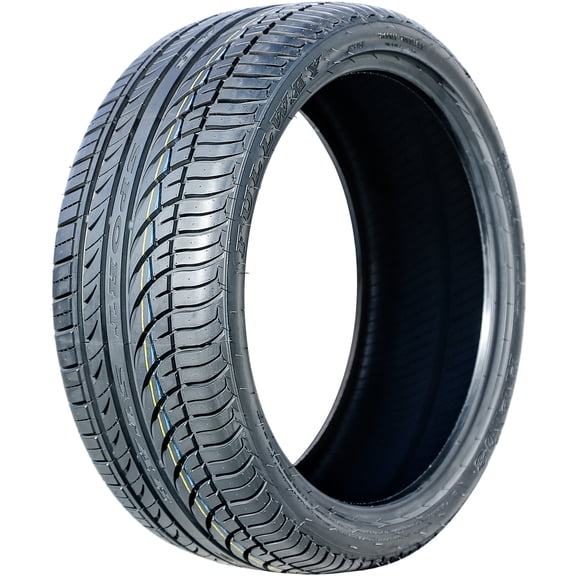


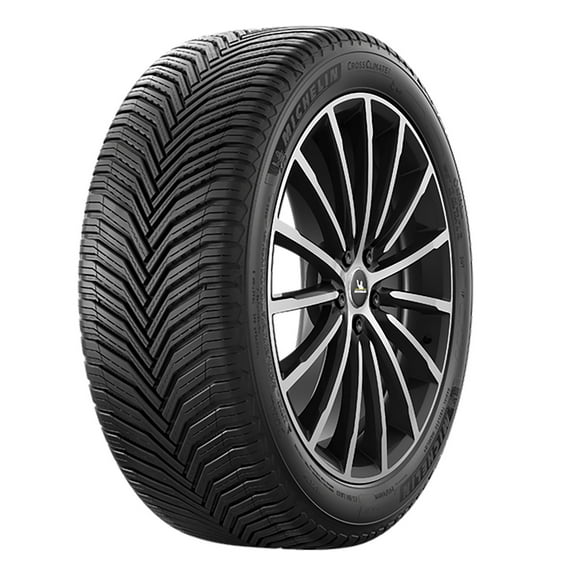
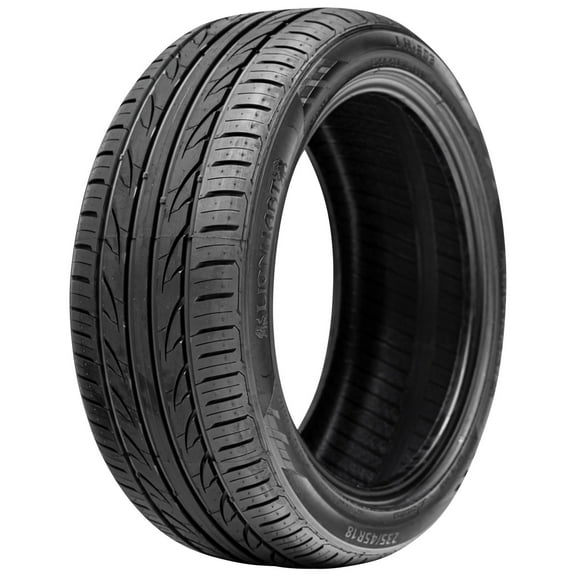
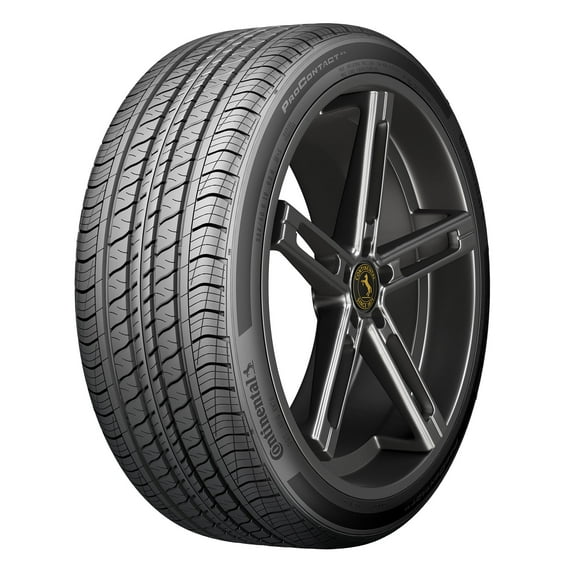
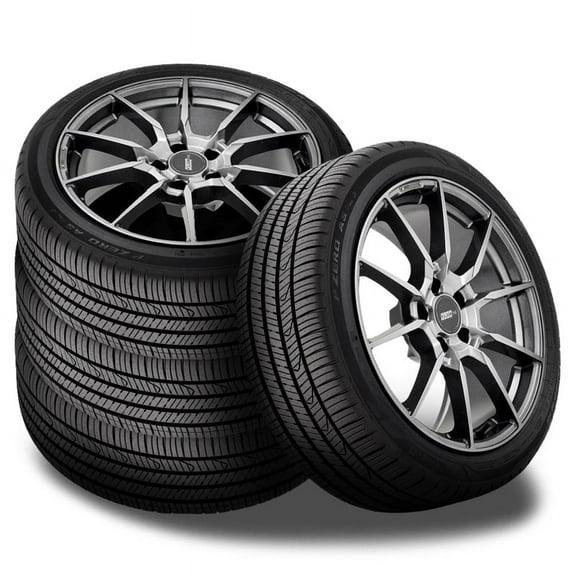
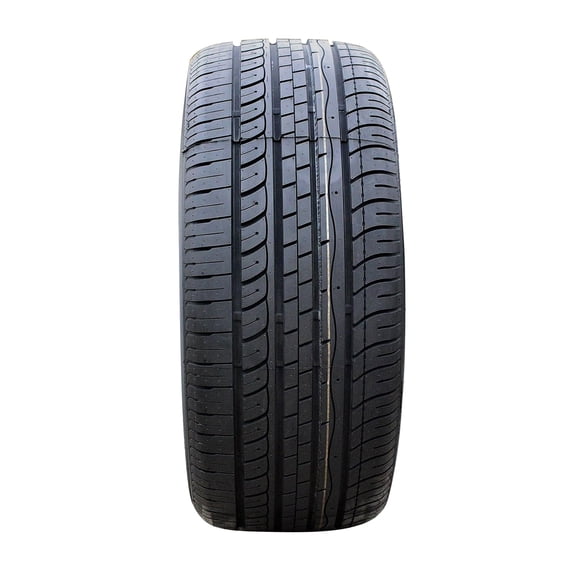
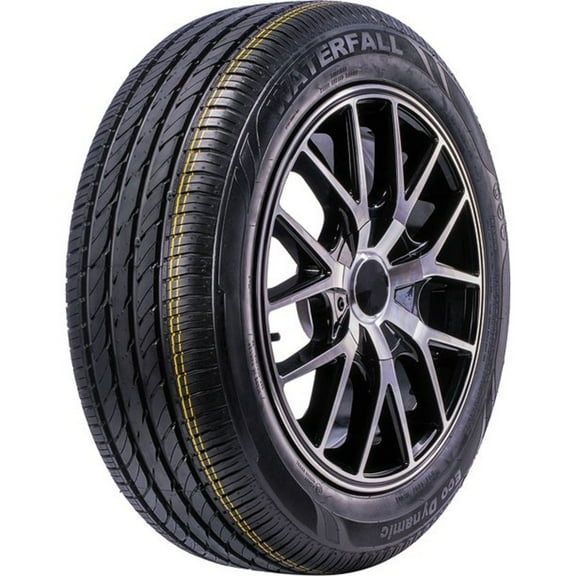
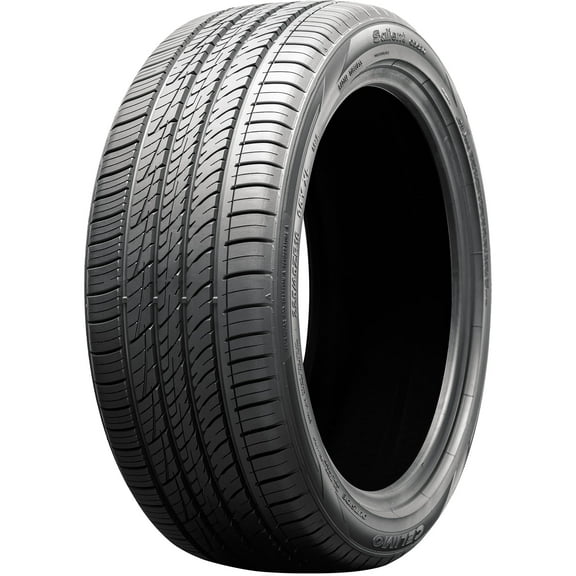


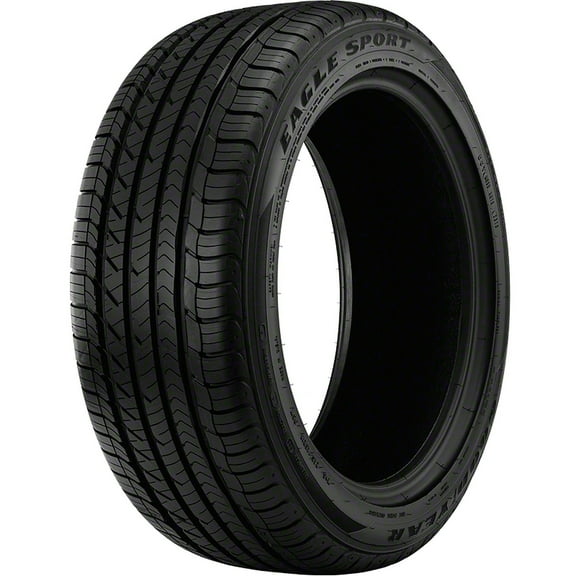
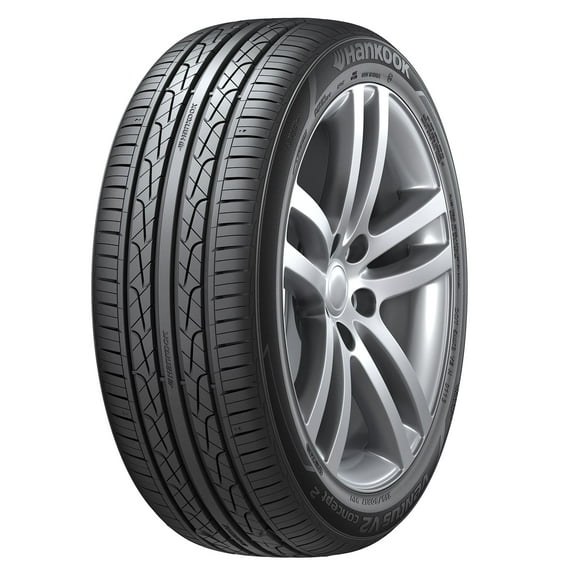

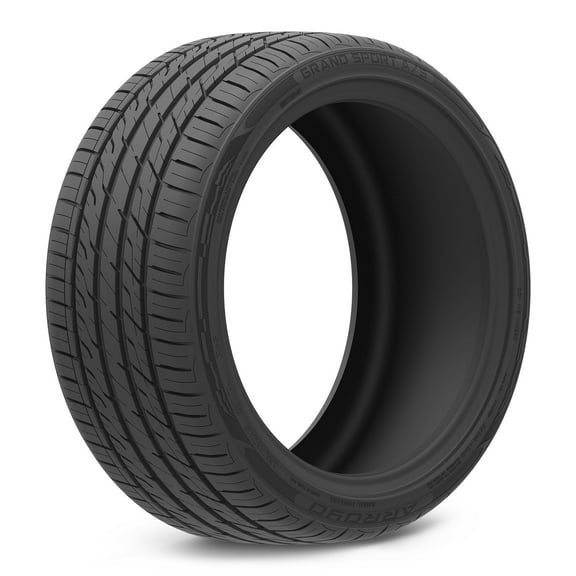


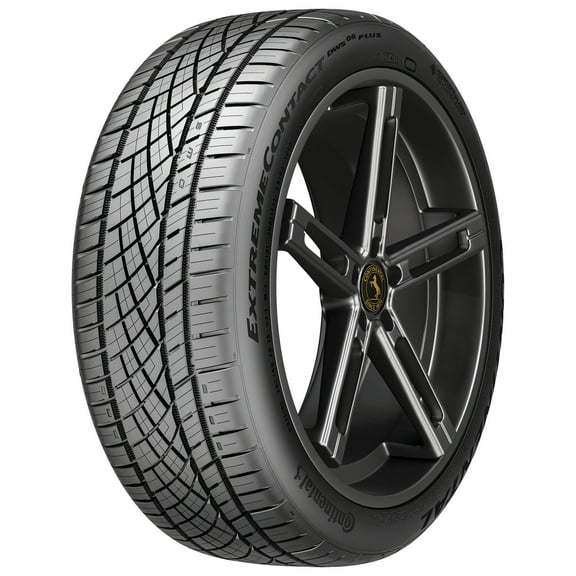
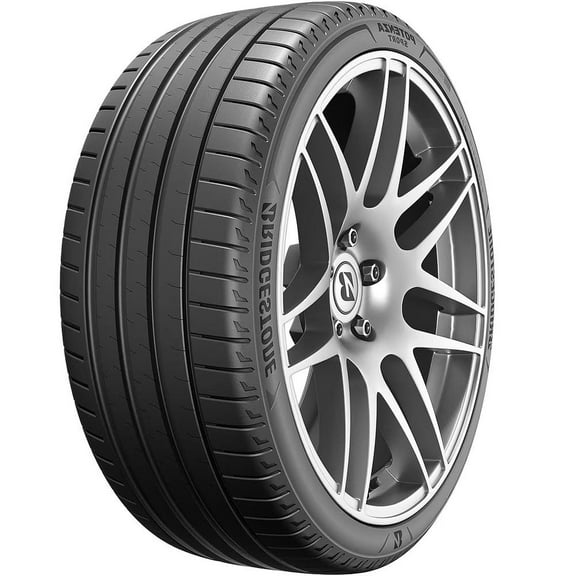
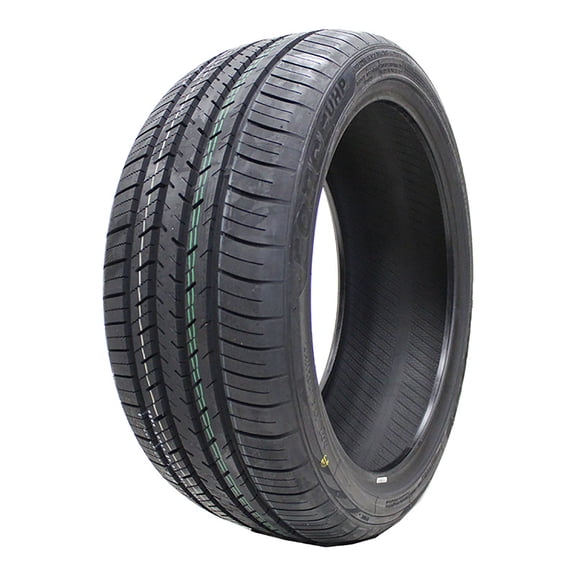

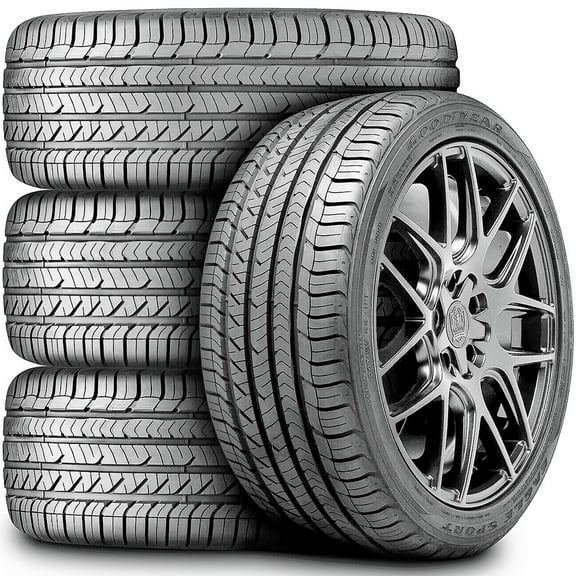

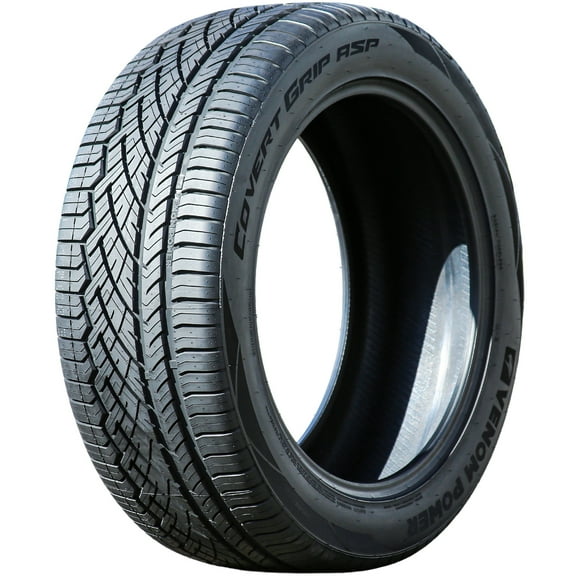


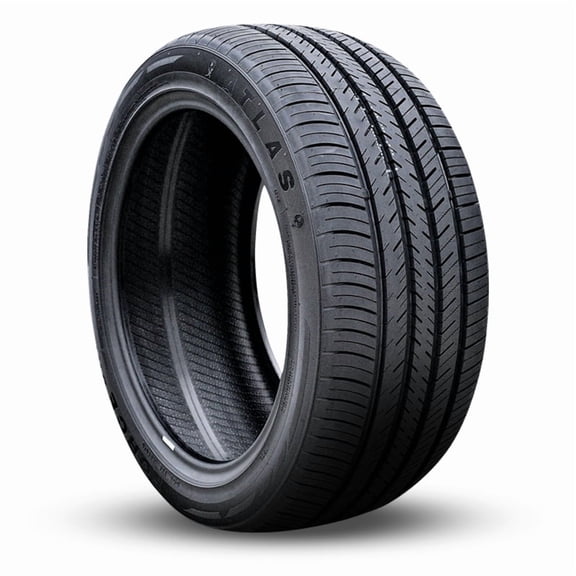
About 235/40R18 Tires in Shop by Size - Walmart.com
235 40r18 tires help you match your vehicle's factory size while keeping handling crisp on many sedans and sports cars. You can use this size guide to compare seasonality, speed rating, and fit details before you choose.
Choosing the right 235 40r18 tires
You should start with the exact size listed on your tire sidewall or driver's manual. You can confirm that 235 is the width, 40 is the aspect ratio, and 18 fits an 18 inch wheel.
When you compare 235 40 18 passenger tires, you should also check load index and speed rating. Those markings help you match your vehicle's requirements and keep your ride feeling consistent.
You may notice speed ratings like V, W, and Y on many fitments in this size. You can use those letters to compare how a tire is tuned for everyday driving or sport-focused handling.
- You can narrow choices faster when you confirm exact size, load index, and speed rating first.
- You can compare all-season, summer, winter, and performance options based on your climate and commute.
- You can look at treadwear and mileage coverage to estimate how long your set may fit your routine.
- You can shop this size for many passenger cars, sedans, and sports cars that use low-profile 18 inch tires.
How to compare tire type and seasonality
You should compare tire type by the roads and weather you face most often. Your choice between all-season, summer, winter, and performance designs changes grip feel, tread pattern, and year-round convenience.
If you want one set for changing conditions, you may start with 235 40r18 all season tires. You can expect balanced traction, everyday comfort, and a practical fit for mixed highway and city driving.
When your warmer months matter most, you may compare summer or performance tires 235 40r18 fitments. You can get more direct steering response and a lower-profile feel during dry and wet three-season driving.
If your route includes cold weather and snowy streets, you may look at 235 40r18 winter tires. You can use dedicated winter tread patterns when seasonal traction matters more than year-round flexibility.
You may also see all-weather and snow-focused options described by seasonality. You should read those labels as a guide to how the tread is intended to perform across changing road conditions.
What to look for in speed rating and load details
You should treat load index and speed rating as decision-critical specs, not small print. Those numbers and letters help you match your car's needs and maintain the driving feel you expect.
If your vehicle calls for V, W, or Y, you should match that requirement carefully. You can use higher speed-rated options only when your vehicle guidance allows that fitment.
You may find that W and Y ratings appear often on sports sedans and sporty coupes. You can expect these fitments to align with responsive handling goals and low-profile tire setups.
Load index matters because you need each tire to support your vehicle correctly. You should compare this rating with your placard information before you choose a set for daily commuting or weekend drives.
You can also compare sidewall design, tread pattern, and manufacturer mileage coverage when you review features. Those details help you balance road feel, replacement timing, and the kind of driving you do most.
Matching 235 40r18 tires to your driving routine
You should match your tire choice to how and where you drive each week. Your commute, climate, and road surface can point you toward a category that feels more aligned with your expectations.
If you drive a passenger car through changing seasons, you may prefer all-season designs. You can keep one set mounted while still getting steady road manners through daily errands and highway miles.
When your sedan spends more time on smooth pavement and faster routes, you may compare performance-focused designs. You can look for sharper turn-in, firmer response, and speed ratings that fit your vehicle.
If your sports car uses this low-profile size from the factory, you should measure fitment carefully. You can check the manual, sidewall markings, and wheel diameter before replacing a single tire or full set.
During winter months, you may want a dedicated set for cold-weather driving conditions. You can rotate between seasonal sets if your area sees regular snow and your summer setup feels too specialized.
You should also think about treadwear warranty and mileage expectations before you decide. You can compare manufacturer coverage and tread design to estimate how a tire may fit your yearly driving habits.
How 18 inch tires in this size affect ride and handling
You may notice that this size combines a wide tread with a shorter sidewall. You can expect a more connected steering feel than taller sidewall sizes often provide.
Because these 18 inch tires use a 40 series profile, you should check wheel condition and factory sizing carefully. You can preserve intended fitment and avoid guesswork when you replace worn tires.
You can use this size guide as a practical way to sort through seasonal options and technical specs. Your final match should support your vehicle requirements, your climate, and the handling feel you want every day.