


Find tires that fit
Let’s search for tires that fit your vehicle.P255/65R16 Tires & 255/65R16 Tires


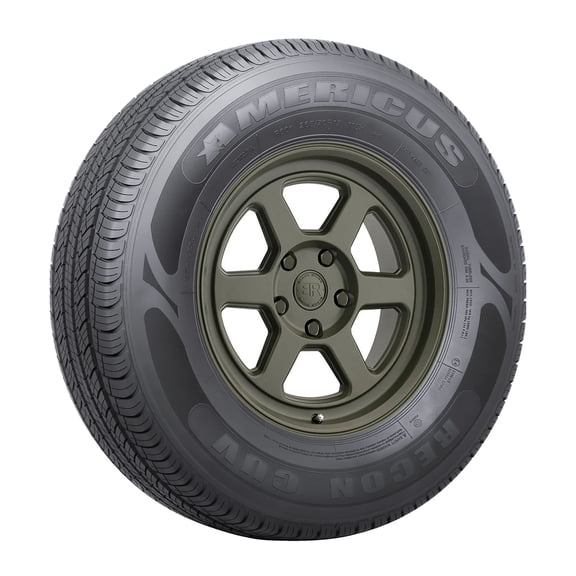
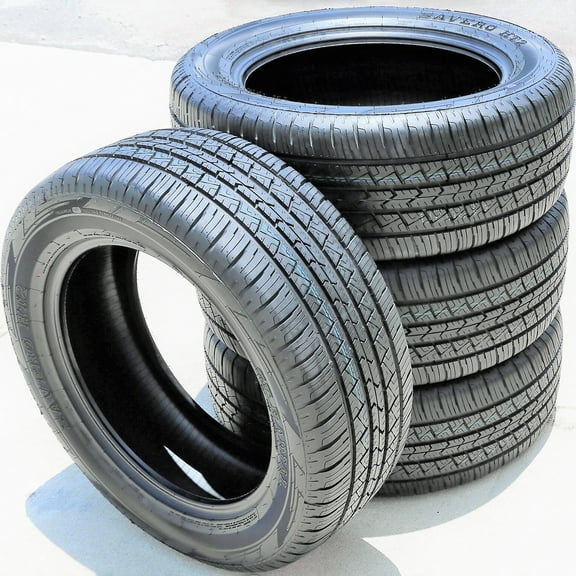
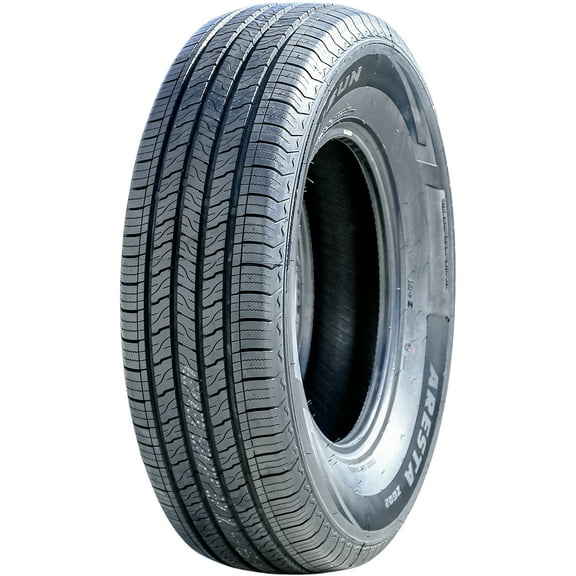
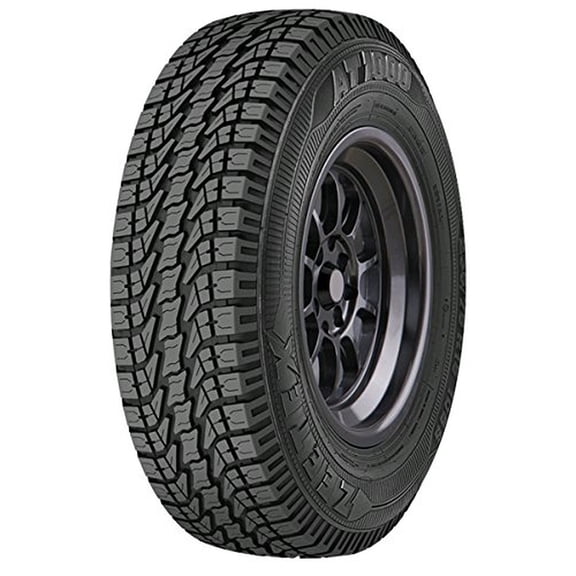

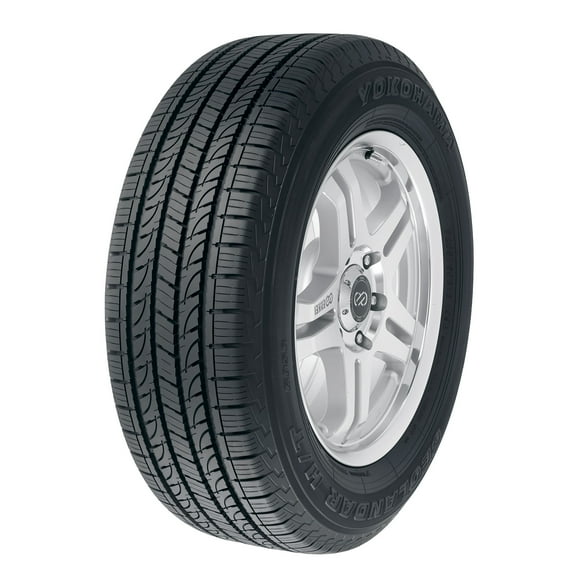
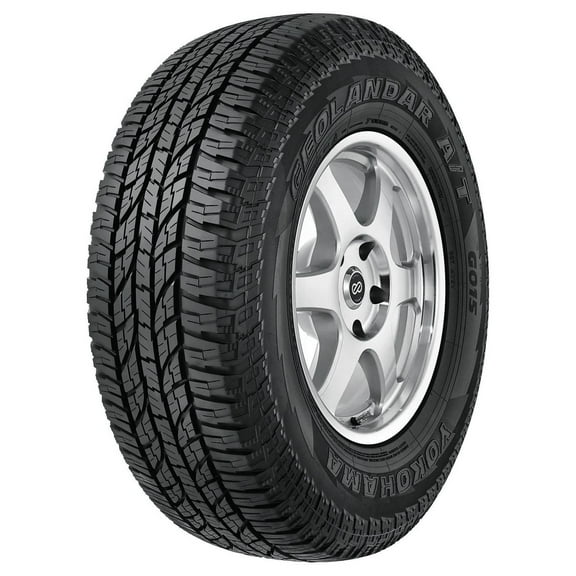


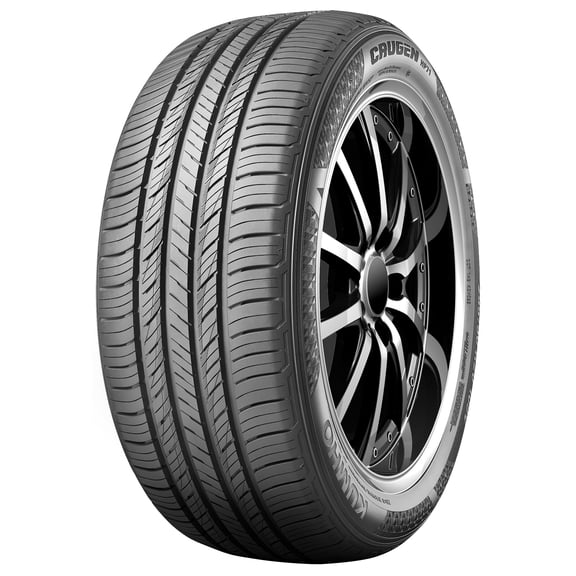


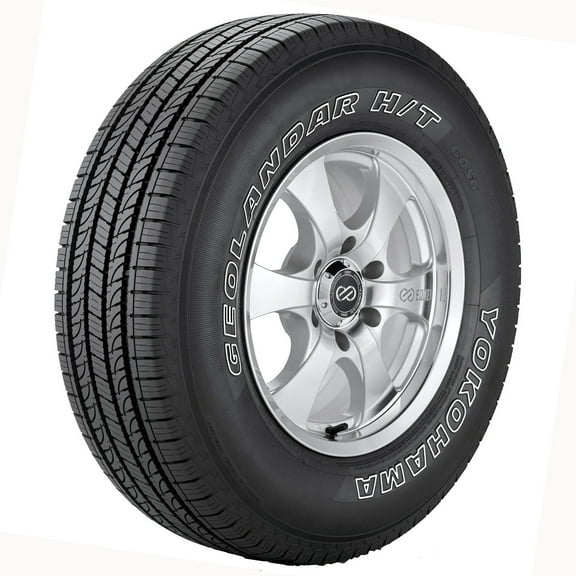




About P255/65R16 Tires & 255/65R16 Tires - Walmart.com
You can compare p255/65r16 tires with clearer confidence when you understand fitment, tread choices, and rating details. You’ll see this size commonly supports SUVs and light trucks that need a precise 16-inch wheel match.
Your current sidewall may show 255/65R16, 255/65/16, or 25565r16, and you’ll want those numbers to align first. You should then compare tire type, speed rating, and load index for your vehicle’s intended use.
How to understand p255/65r16 and 255/65r16 sizing
You can read this size code in simple parts before you compare options. You’ll find that 255 shows section width in millimeters, while 65 shows sidewall height as a percentage.
When you check the next character, you’ll notice R means radial construction for everyday driving. You’ll also see that 16 means the tire fits a 16-inch wheel diameter.
In some listings, you’ll see a P before the numbers, as in p255/65r16. You’ll usually use P-metric sizing for passenger vehicles and many SUVs, while LT-metric suits heavier-duty hauling.
Before you choose a replacement, you should check your driver-side door placard or owner’s manual. You’ll confirm the size, speed rating, and load requirement the manufacturer designed your vehicle to use.
Choosing 255/65r16 tires by seasonality and vehicle use
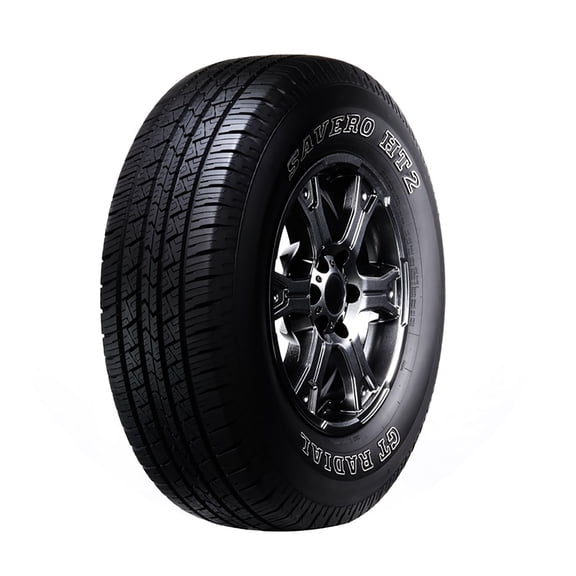
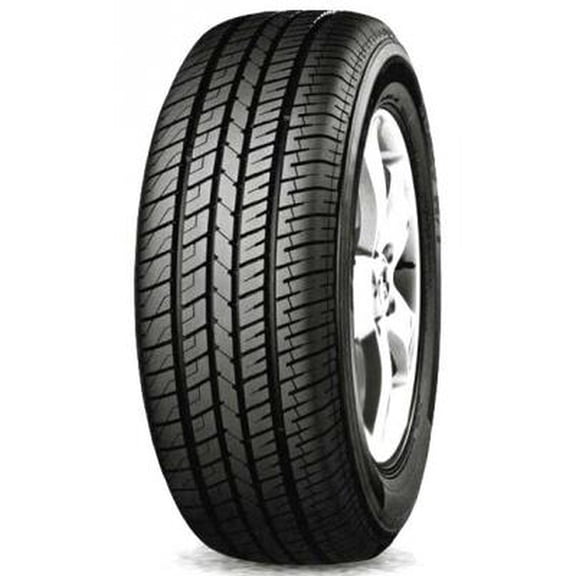
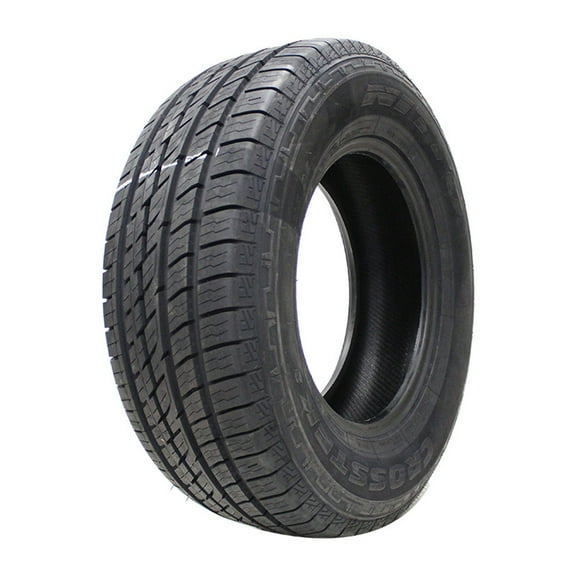
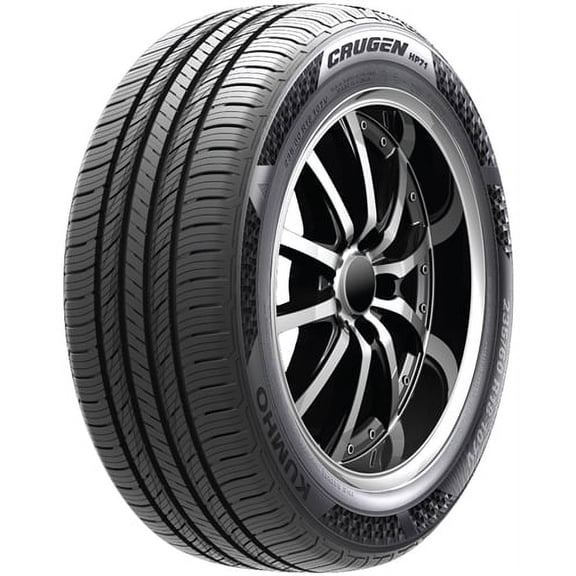
You can narrow your options faster when you compare your roads, weather, and weekly driving habits. For everyday commuting, you’ll often prefer all-season tread with balanced road manners and year-round versatility.
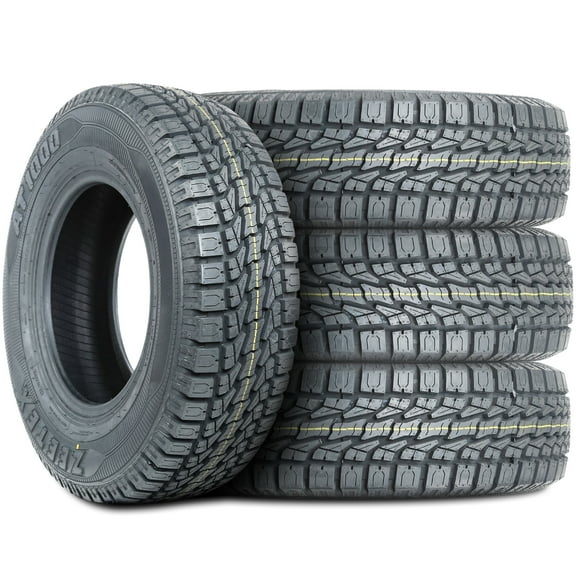
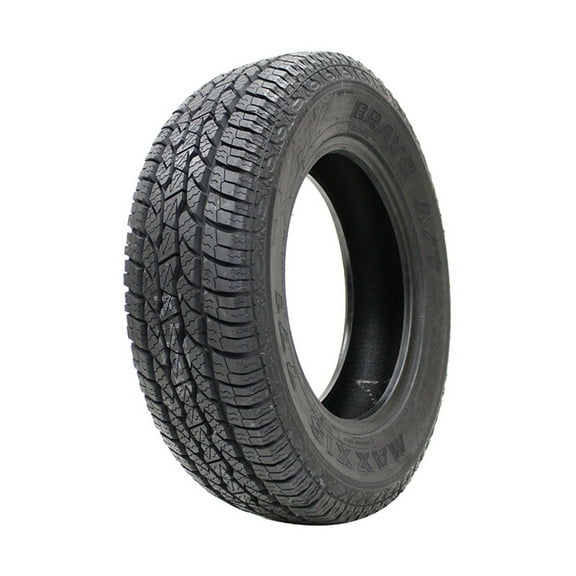
If your routes include gravel, dirt, or campsite access roads, you may prefer 255/65r16 all terrain tires. You’ll get tread blocks designed for loose surfaces while keeping everyday pavement use in mind.
- You can choose all-season tires for commuting, errands, and steady highway driving in mixed weather.
- You may choose all-terrain tires if your SUV or light truck sees trails, gravel, or rough access roads.
- You can consider winter tires when your seasonal driving includes colder temperatures and regular snow-covered roads.
- You may look at summer tires when your driving stays in warm conditions and mostly dry pavement.
As you compare vehicle type, you’ll often see this size used on SUVs, light trucks, and some passenger-focused utility vehicles. You should match the tire category to how your vehicle actually carries passengers, cargo, or weekend gear.
Rather than picking by appearance alone, you should compare tread pattern with your normal driving routine. You’ll notice tread style can affect road feel, highway noise, and loose-surface grip.
What to look for in speed rating and load index
You can use speed rating and load index as fitment checks, not just technical markings. Your replacement tires should match or exceed your vehicle manufacturer’s original specifications.
As you review options, you may see speed ratings such as T, H, or V. You’ll usually connect T with everyday driving, H with stronger highway capability, and V with more road-focused response.
For load support, you should compare the index number with your vehicle placard information. You’ll often see 106 or 109 in this size, and each number reflects per-tire carrying capacity.
When you want a plain-language reference, you can read load index 106 as 2,094 pounds per tire. You can read load index 109 as 2,271 pounds per tire.
Instead of guessing on these markings, you should verify them before replacing 255 65 r16 tires. You’ll keep fitment aligned with your SUV or truck when the rating range matches factory requirements.
Checking vehicle fitment and P-metric versus LT-metric choices
You can avoid the wrong fit by checking the exact sidewall code, not a similar-looking size. Your wheel diameter, sidewall height, and section width all need to line up correctly.
On some model years, you may find 255/65/16 tires on vehicles like the Ford Explorer, Dodge Dakota, or Jeep Grand Cherokee. You should still verify your trim level, wheel size, and placard details before choosing.
When you compare P-metric and LT-metric options, you’re really comparing intended vehicle use. You’ll usually pick P-metric for passenger comfort and everyday SUV driving, while LT-metric fits heavier towing or hauling demands.
If your vehicle handles school runs, commuting, and highway travel, you may lean toward a passenger-focused setup. If your routine includes heavier loads, you should check whether your vehicle calls for the stronger-duty specification.
Using 25565r16 tires for highway, mixed terrain, and seasonal driving
You can match 25565r16 tires to specific driving patterns once the size fits your vehicle correctly. For daily errands, commuting, and interstate travel, you’ll often choose all-season tread.
For weekends on trail approaches, fire roads, or uneven campground entrances, you may consider 255 65r16 all terrain tires. You’ll get a tread layout shaped for mixed surfaces instead of smooth pavement alone.
During colder months, you can compare winter options if your roads regularly stay snowy or slushy. You’ll want a seasonal tread designed for cold-weather road conditions rather than year-round compromise.
In warmer climates, you may prefer summer-focused options for dry-road response and seasonal handling feel. You’ll make a clearer p255/65r16 choice when size, tread, speed rating, and load index all match your vehicle.
You can feel more certain when each specification supports the way your vehicle actually drives each week. Your final choice works harder for everyday fitment, stable road manners, and the right traction profile.