


Find tires that fit
Let’s search for tires that fit your vehicle.255/40-18 Tires: All-Season & Performance Tires








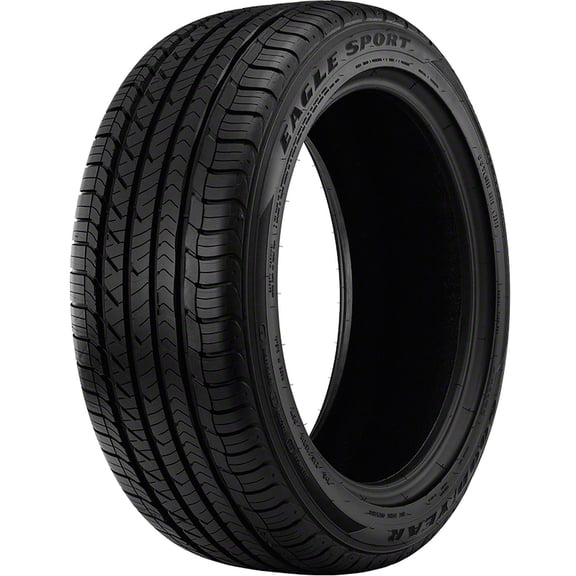

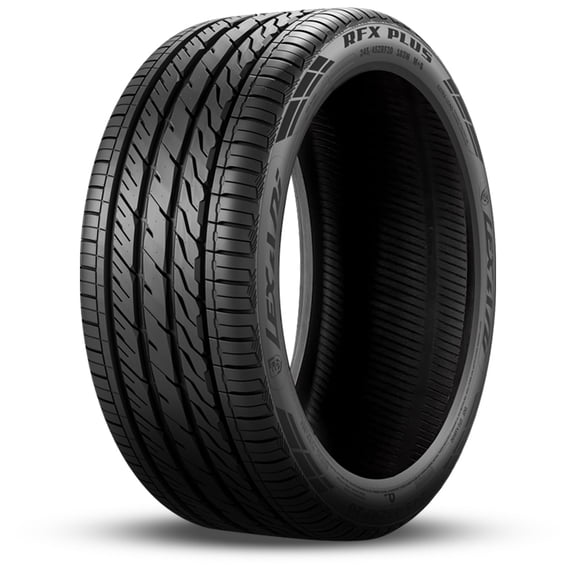
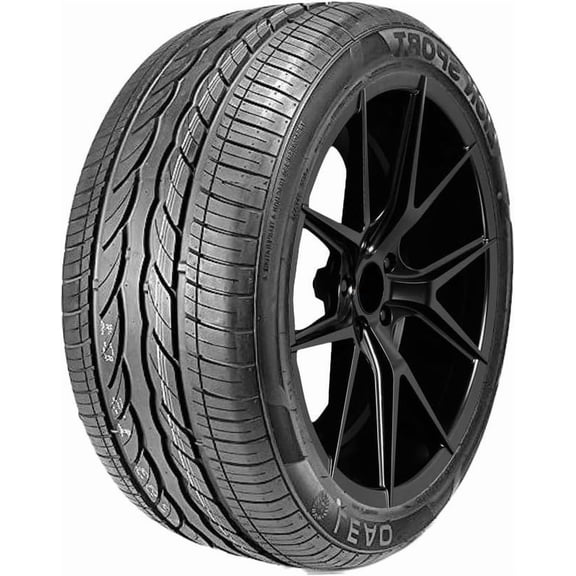


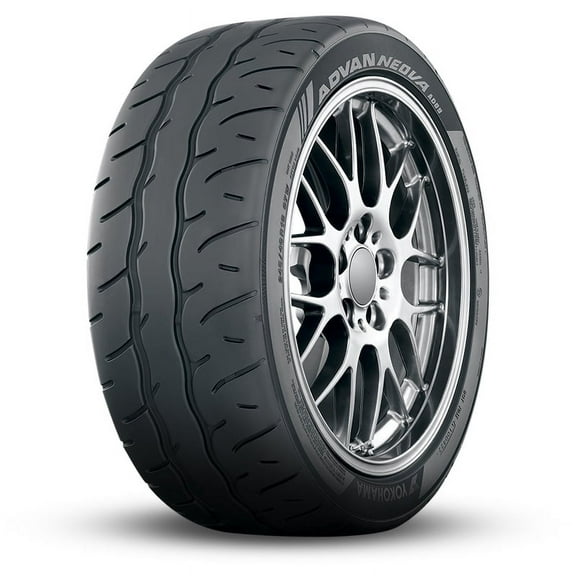


About 255/40-18 Tires: All-Season & Performance Tires - Walmart.com
If you need 255/40-18 tires, you’re likely matching an exact factory size for confident fit, handling, and wheel compatibility. You can use this page to compare seasonality, performance category, and ratings that matter for your vehicle.
How to choose 255/40-18 tires
When you shop this size, you’re choosing a tire that measures 255 millimeters wide with a 40 aspect ratio and an 18-inch wheel diameter. You should match all three numbers to your vehicle requirements before you compare tread styles.
That lower sidewall usually gives you a more responsive steering feel than taller sidewalls. You may prefer this size when your vehicle uses larger wheels and a sport-focused setup.
You can narrow your options faster when you compare these key decisions first. You should look at seasonality, performance category, load index, speed rating, and tread life expectations.
- You can choose all-season tires for everyday commuting and changing weather.
- You can choose summer tires when you want sharper warm-weather grip and cornering response.
- You can choose winter tires when your vehicle needs this exact size for cold-season driving.
- You should compare load and speed ratings, such as 255/40 r18 99y, to match your vehicle requirements.
Understanding the 255/40/18 tire size
When you see 255/40/18, you’re looking at a common alternate format for the same tire size. You can also see 255/40r18 or 255 40 r18, and you should treat those as equivalent size searches.
The first number tells you the section width, so you’re getting a tire about 255 millimeters across. The second number tells you the sidewall height as a percentage of width, which affects ride feel and turn-in.
The R means radial construction, which is the standard construction you’ll see on modern passenger vehicles. The 18 means you need an 18-inch wheel, so you should confirm your wheel diameter before ordering.
You may also notice markings like 255/40r18 tires with extra letters or numbers after the size. You should read those details closely because they tell you how the tire is rated for load and speed.
Choosing seasonality and 255/40r18 performance types
When you compare tire seasonality, you’re deciding how your vehicle will handle changing temperatures and road conditions. You should match the tread type to your climate and your usual driving pattern.
All-season options can suit you if you drive year-round and want one tire for daily use. You’ll usually get a balance of dry traction, wet traction, and longer treadwear expectations.
Summer options can fit you when you prioritize warm-weather grip, responsive braking, and sharper handling. You’ll often notice tread patterns and compounds designed for spirited driving in higher temperatures.
Winter options can make sense for you if your vehicle calls for this exact size during colder months. You’ll want to compare winter-specific tread designs when your driving includes snow-covered streets or icy mornings.
You can also compare performance categories within this size. You may want touring for everyday comfort, Ultra High Performance for sporty road manners, or track and competition designs for specialized use.
If you’re shopping 255/40r18 tires for a sport sedan or performance coupe, those category differences matter. You’ll want to compare sidewall response, tread pattern intent, and mileage expectations before you choose.
What to look for in load index and 255/40 r18 99y ratings
When you read a code like 255/40 r18 99y, you’re seeing both a load index and a speed rating. You should match those ratings to your vehicle placard, owner’s information, or current tire specifications.
The load index tells you how much weight each tire is designed to carry. You may see options like 95, 99, or 101, and you should avoid guessing between those numbers.
The speed rating tells you the tire’s rated performance category at speed. You may see H, V, W, or Y, and those letters help you match the tire to your vehicle’s intended driving capability.
You might also see ZR on some fitments in this size, especially on performance-focused options. You should recognize that marking as a performance-oriented designation often used with higher-speed tire categories.
If your vehicle came with a 99Y specification, you should compare that exact rating first. You’ll keep your search more accurate when you match both size and service description together.
Using 255/40r18 tires for daily driving or sport setups
You can use this size on vehicles that need a wide contact patch and a lower-profile sidewall. You’ll often see it on sporty sedans, coupes, and some performance-oriented trims.
For commuting, you may want all-season or touring options that balance road manners, tread life, and wet-road confidence. You should compare mileage expectations and ride feel if your drives include highways every day.
For warm-weather performance driving, you may lean toward summer or Ultra High Performance designs. You’ll typically get more direct steering response and a tread pattern tuned for dry and wet pavement.
For enthusiast setups, you may compare track and competition options with ratings that match your vehicle requirements. You should also check whether your vehicle needs staggered sizing before you replace a full set.
If you’re replacing one damaged tire or two worn tires, you should still confirm exact size and ratings. You’ll make a cleaner match when you compare the sidewall information already on your vehicle.
When you choose the right 255/40-18 fitment, you’re supporting the handling, stance, and wheel match your vehicle was designed around. You can buy with more confidence when the size, seasonality, and ratings all line up clearly.