


Find tires that fit
Let’s search for tires that fit your vehicle.275/65R20 Tires in Shop by Size






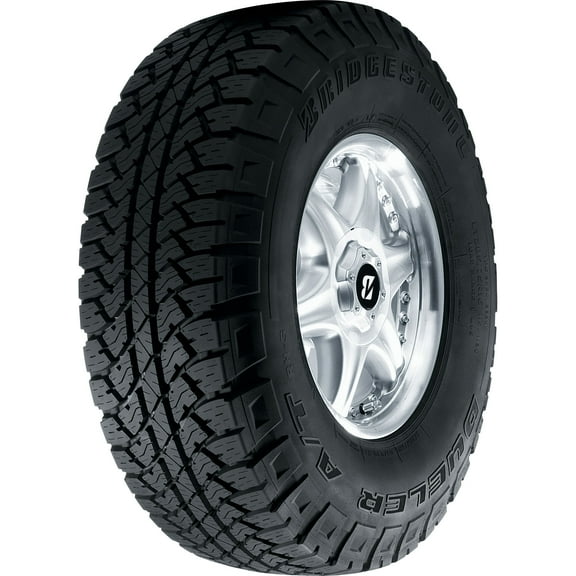


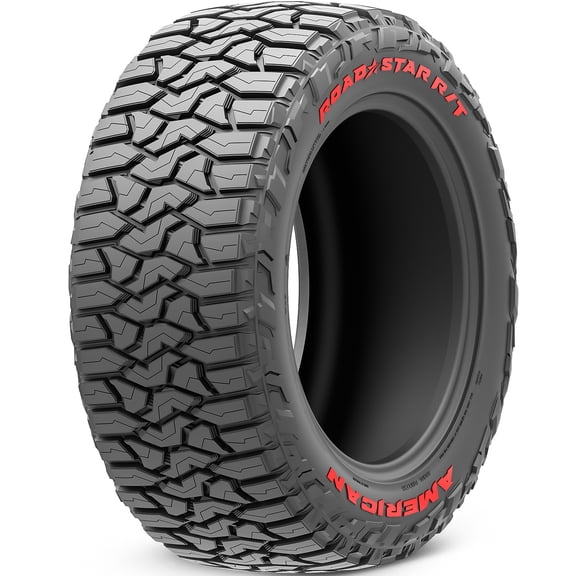
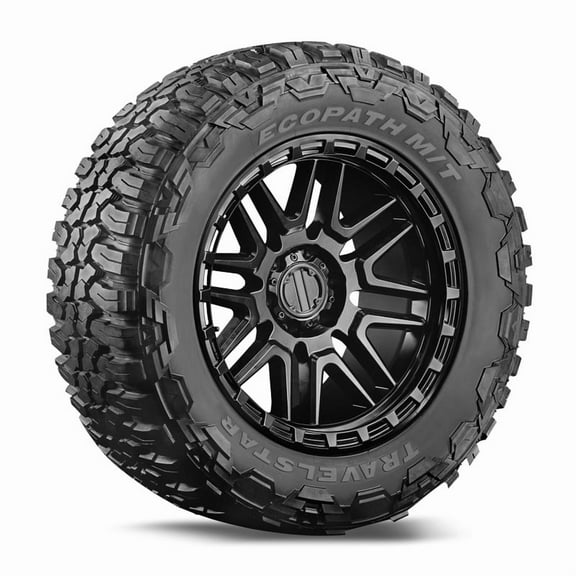
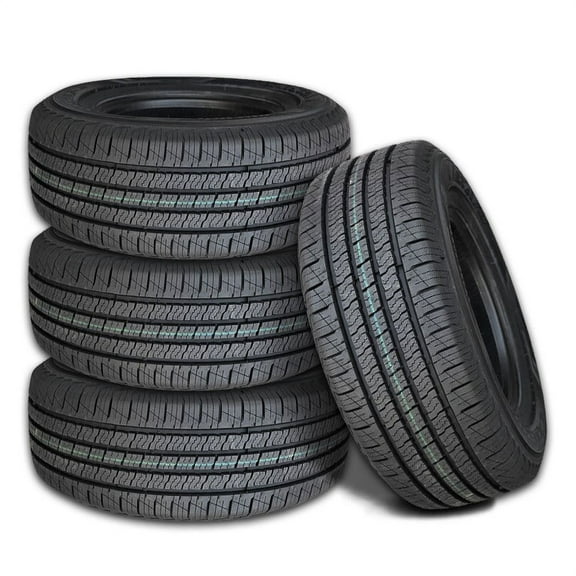


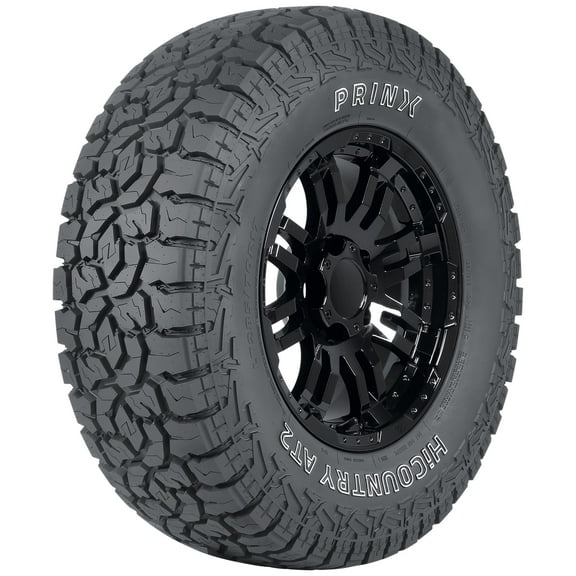
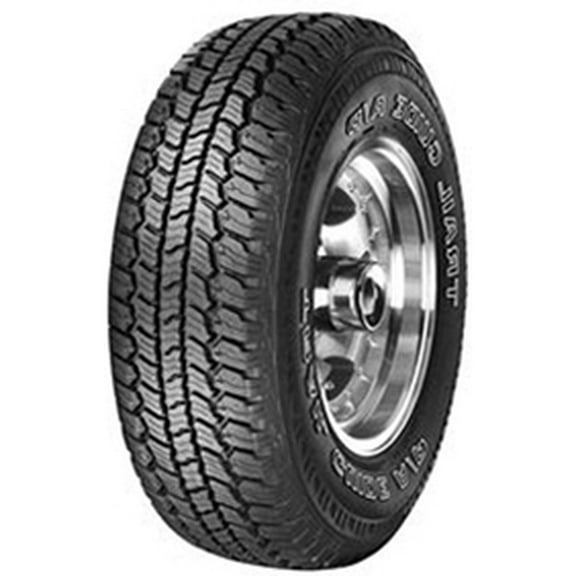
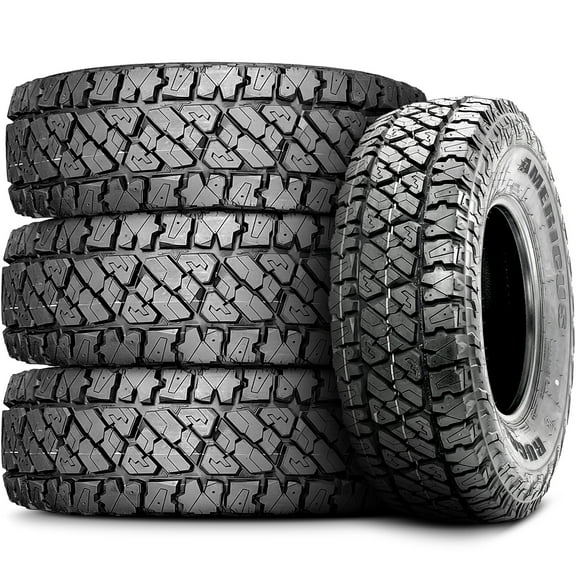


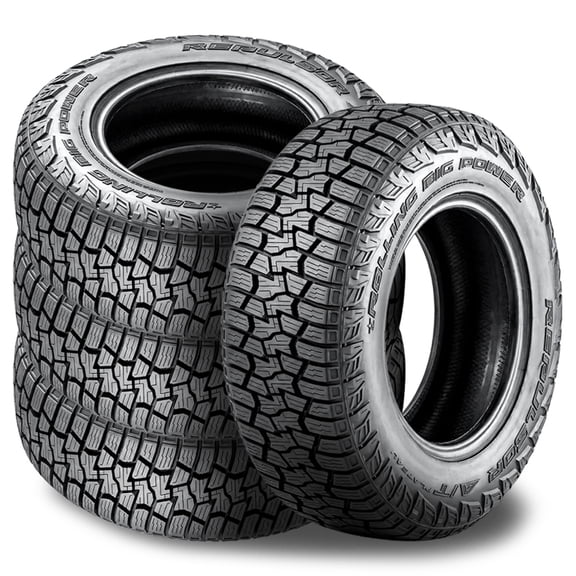
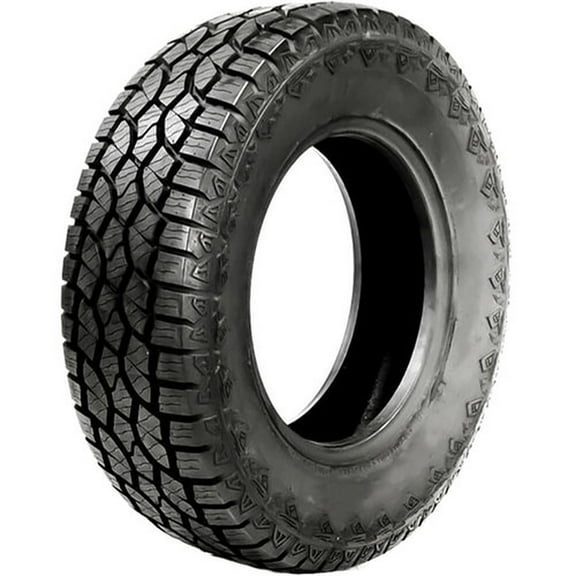
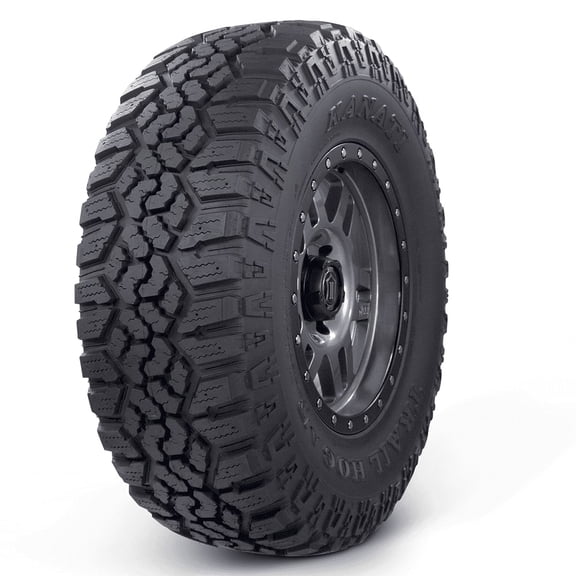


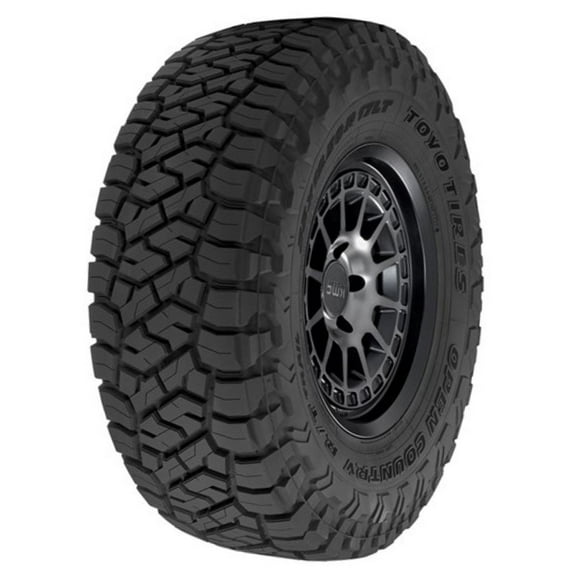


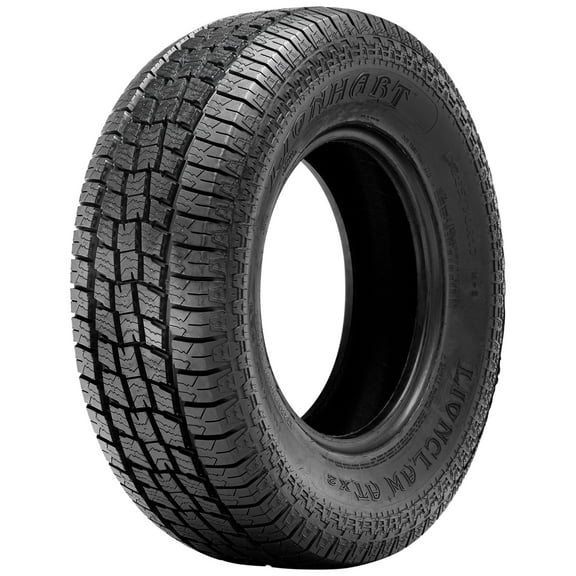

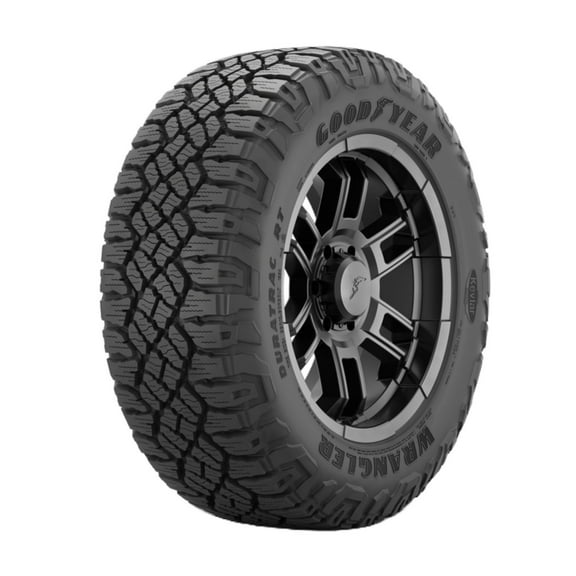

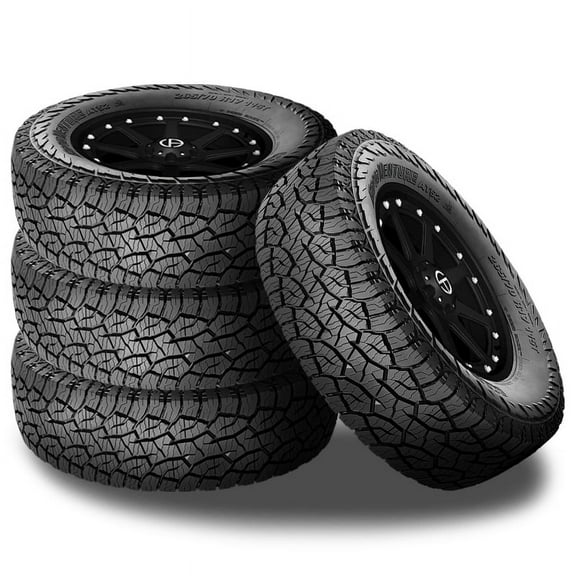


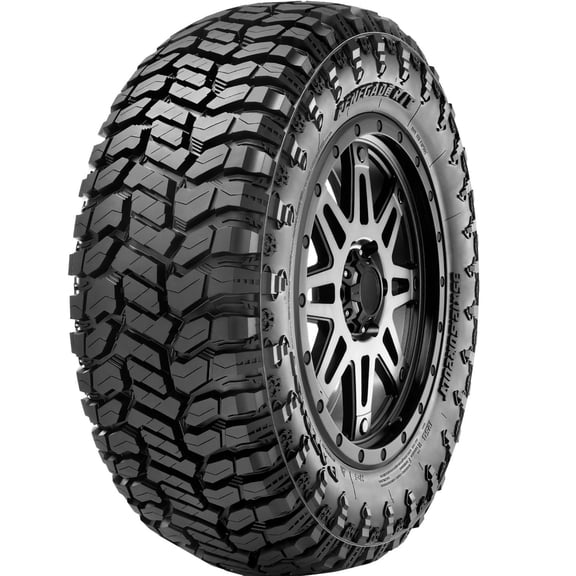
About 275/65R20 Tires in Shop by Size - Walmart.com
You can narrow 275 65r20 tires faster when you compare fitment, terrain use, and load needs before you choose. You’re shopping a truck and SUV size that often appears on full-size pickups, larger sport utility vehicles, and towing-focused setups.
How to choose 275 65r20 tires for your vehicle
You should confirm that 275/65R20 matches your current tire size and wheel diameter before you compare tread styles. You’ll often see this size on trucks like the Ford F-150, Ram 1500, Chevrolet Silverado, and GMC Sierra.
You can use that size format as a quick guide to width, sidewall height, and wheel fit. You’ll want the right size because sidewall height and overall diameter affect clearance, stance, and everyday driving feel.
You should also compare whether your truck use leans toward commuting, towing, or mixed driving. You’ll get a more useful shortlist when you match the tire to your truck’s routine instead of looks alone.
Choosing between 275 65r20 all terrain tires and other tread types
You can start with tire type because tread design changes how your truck feels on pavement, gravel, dirt, and jobsite surfaces. You’ll usually notice that deeper, blockier tread brings a more rugged look and stronger loose-surface grip.
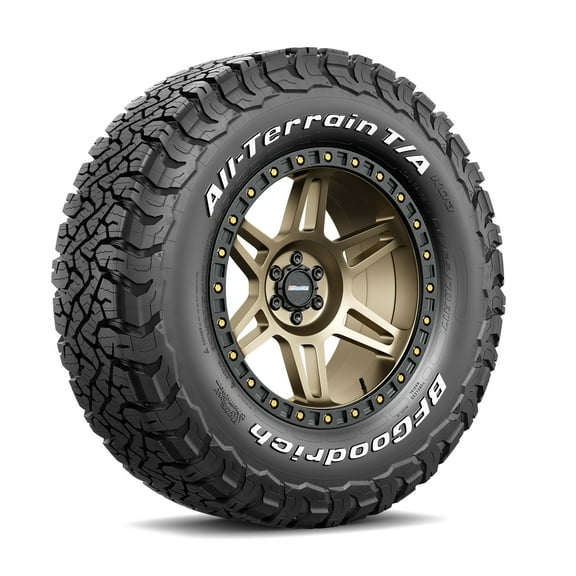
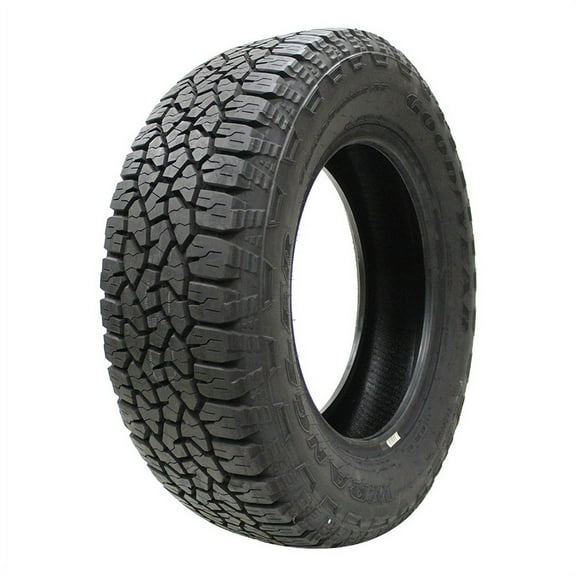
If you split your time between pavement and trails, 275 65r20 all terrain tires can give you balanced traction and daily usability. You’ll often like this option when your truck handles weekend camping, light off-road driving, and regular commuting.
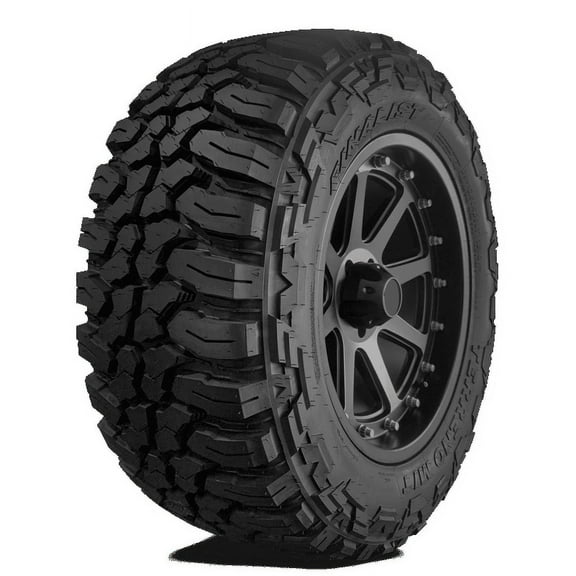
If your routes include softer ground, ruts, or deeper mud, 275 65r20 mud terrain tires may suit your setup. You’ll trade some road smoothness for larger tread voids and a more aggressive pattern.
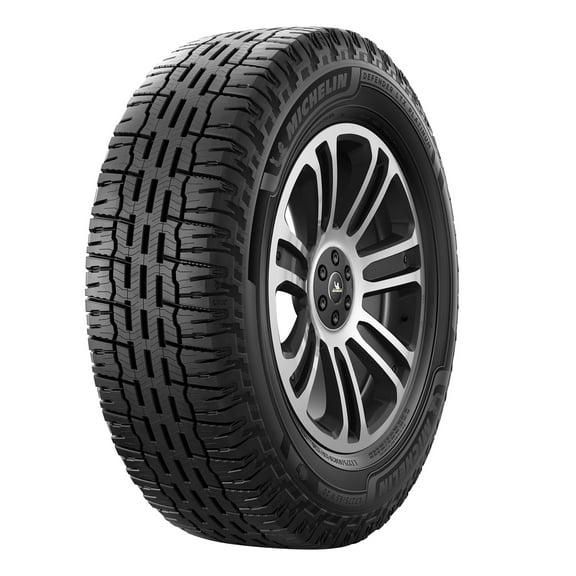
When most of your miles happen on paved roads, 275 65r20 highway tires can feel quieter and more composed. You’ll often prefer this category for long drives, steady handling, and a less rugged tread pattern.
- You can choose all-terrain tread for mixed pavement and trail use.
- You can choose mud-terrain tread for deeper ruts, dirt, and loose surfaces.
- You can choose highway terrain or all-season tread for paved commuting and road-trip comfort.
- You can compare tread blocks and void spacing to match traction with your usual driving surface.
What to look for in 275 65r20 truck tires
You should compare load range next because it helps you match the tire to hauling, towing, and truck weight. You’ll often see Load Range E, Load Range D, and SL options across 275 65r20 truck tires.
If you tow trailers or carry heavier cargo, you may look for Load Range E for added carrying capability. You’ll also want to check your vehicle placard and owner information for fitment and pressure guidance.
If your truck mainly handles everyday driving, an SL option may feel more compliant in daily use. You can also consider Load Range D when you want a middle ground for lighter towing and mixed driving.
You may also compare ply rating because it helps describe construction strength and intended duty. You’ll commonly see 10-ply, 8-ply, or 4-ply references, and those numbers guide your shopping toward lighter or heavier tasks.
You shouldn’t stop at load range alone when you compare options in this size. You’ll want to check speed rating, tread pattern, sidewall design, and mileage coverage to match your truck’s priorities.
Key features that help you compare this size
You can use treadwear warranty and mileage expectations as practical filters when you sort similar options. You’ll often find that longer mileage coverage fits high-mile drivers who spend more time on highways and daily routes.
You should also compare siping, shoulder design, and tread depth because those details shape road feel and traction. You’ll notice that closer tread elements often support calmer road manners, while wider gaps support loose-surface grip.
Another smart step is checking whether the tire leans all-season, all-terrain, mud-terrain, or highway terrain. You can use those labels to narrow options quickly without reading every product detail from the start.
You may want a sidewall style that matches your truck’s look as well as its job. You’ll find that some drivers prefer a more aggressive sidewall for off-road use, while others want a cleaner road-focused appearance.
Using 275 65r20 tires for towing, commuting, and off-road driving
You can match this size to real driving scenarios by starting with how your truck spends most days. You’ll make a clearer choice when your tire supports your usual route, cargo, and surface conditions.
For commuting and family travel, you may prefer highway terrain or all-season options with a calmer road feel. You’ll likely appreciate steady highway manners, predictable handling, and mileage-focused designs on longer drives.
For weekend trail access, hunting land, or gravel roads, all-terrain options can make more sense. You’ll get a pattern that supports mixed surfaces without moving fully into a mud-focused tread.
If your truck sees towing duty, work gear, or heavier loads, you should compare Load Range E choices closely. You’ll want carrying capability that aligns with your truck’s role, especially when your setup works harder on busy weeks.
For rougher ground and deeper mud, you may lean toward a more aggressive mud-terrain design. You’ll get larger tread voids and a tougher visual style that fits trucks built for messy surfaces.
Why this size works for full-size trucks and large SUVs
You’re looking at a size that suits many full-size truck applications, and that makes filtering by vehicle and duty especially important. You can compare fitment, tread type, load range, and ply rating with a clearer plan at Walmart.
You’ll feel more confident when your 275 65r20 tires match your truck’s size, your terrain, and your towing routine. You can narrow the field faster and choose a tire that fits the way your vehicle actually works.