


Find tires that fit
Let’s search for tires that fit your vehicle.295/70R17 Tires: All-Terrain & Mud-Terrain | Walmart


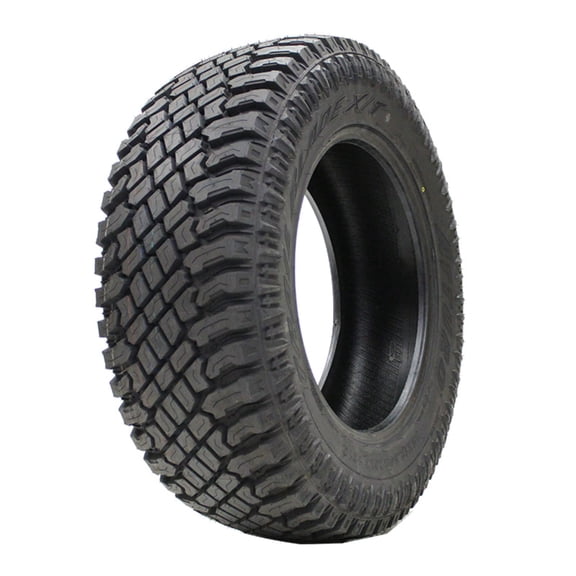
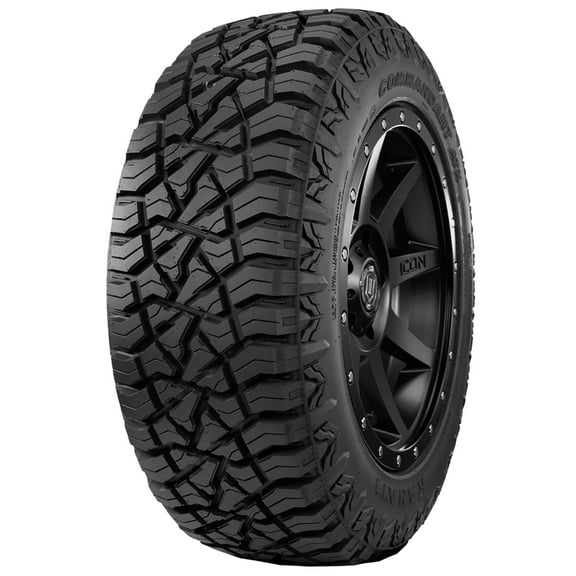


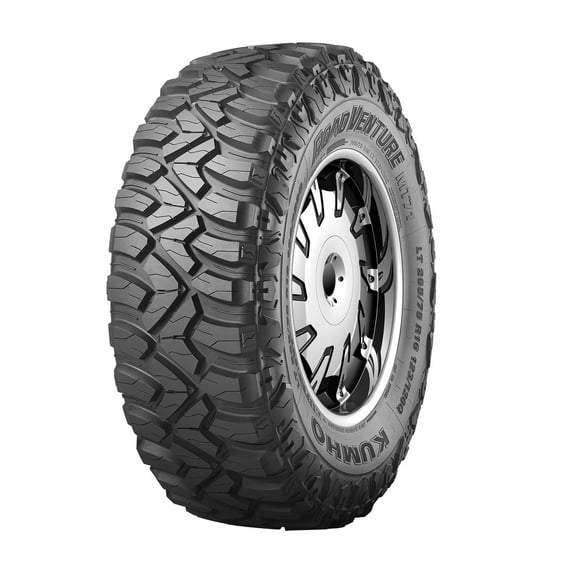


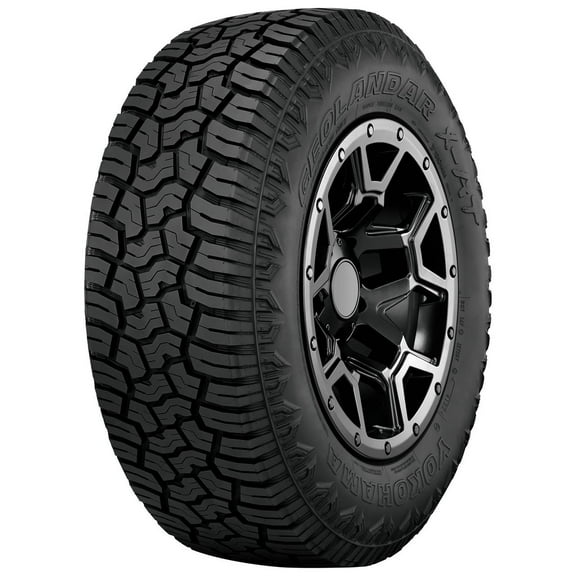


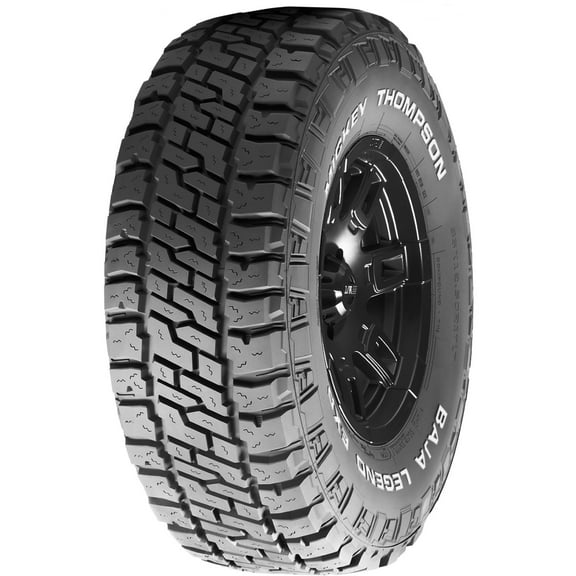
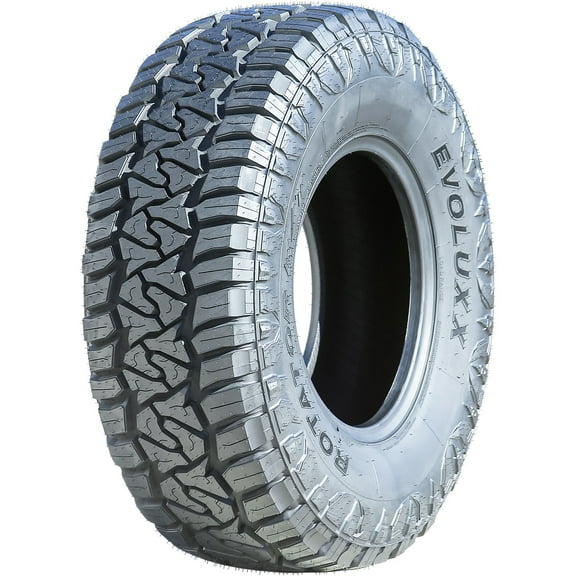

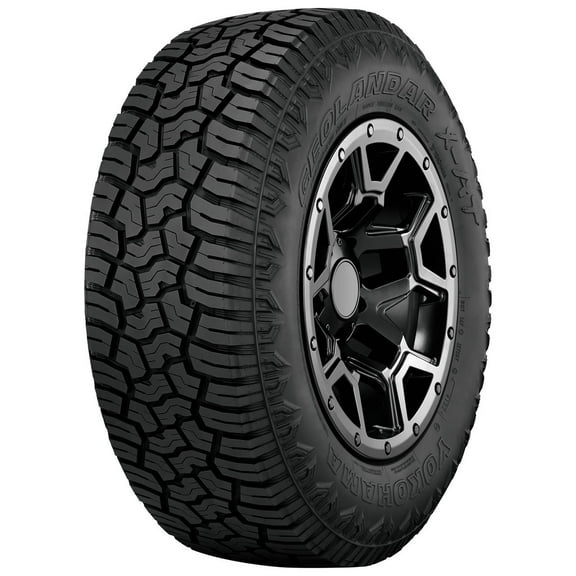

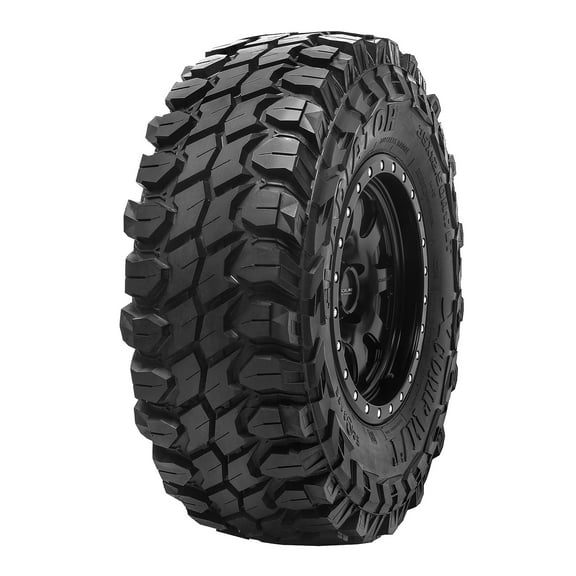
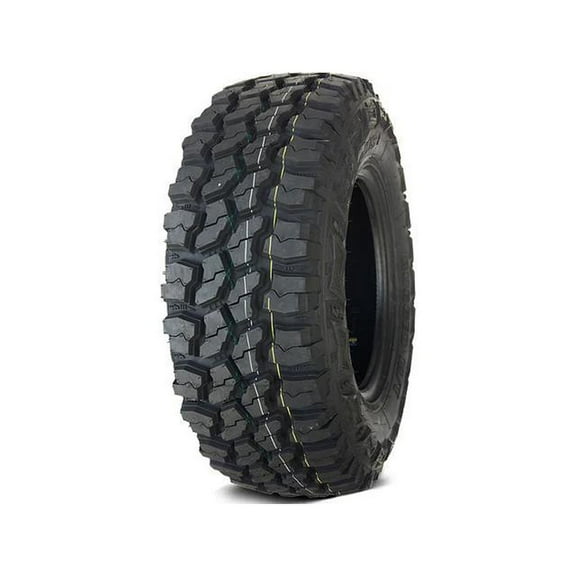
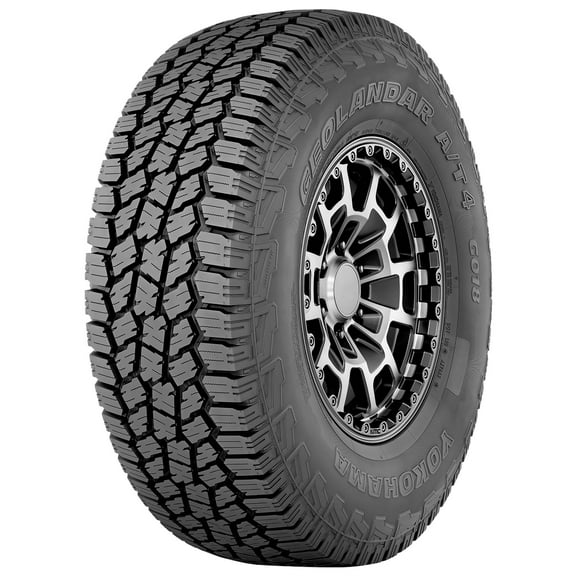

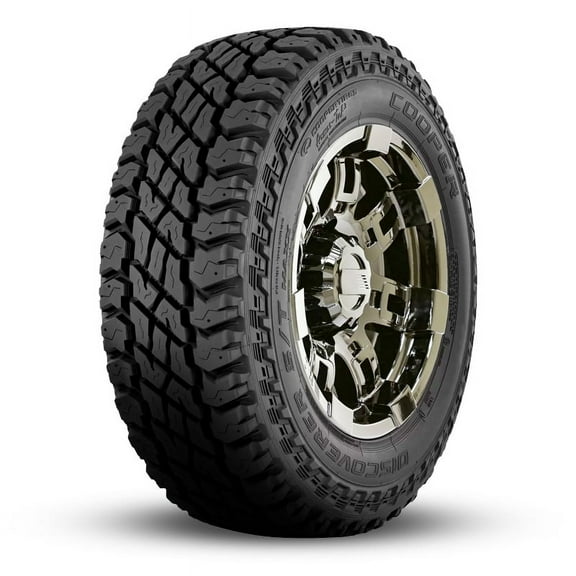
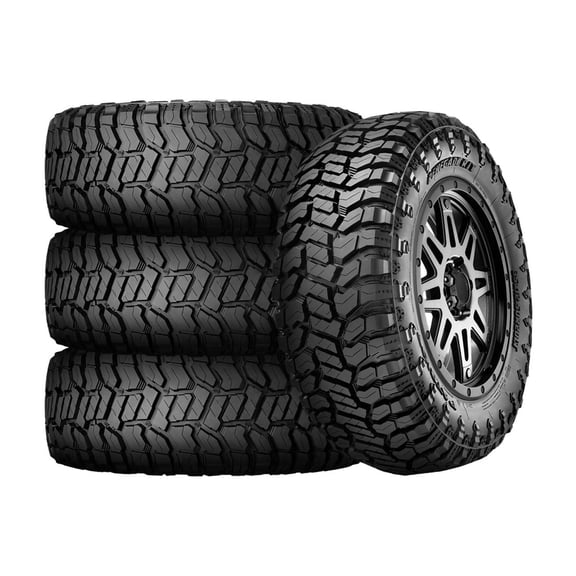
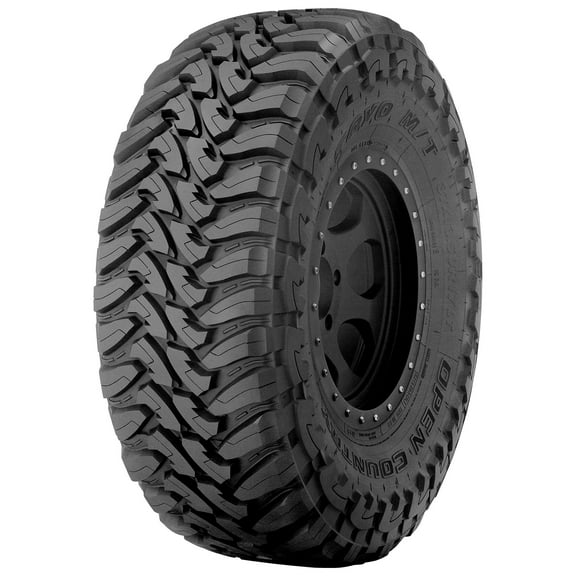


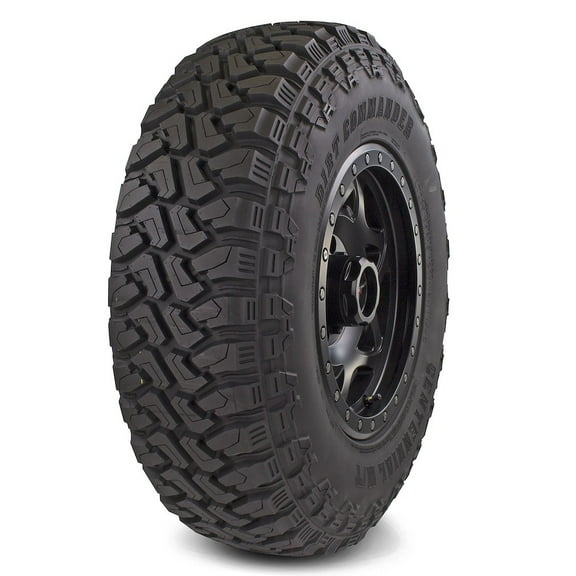
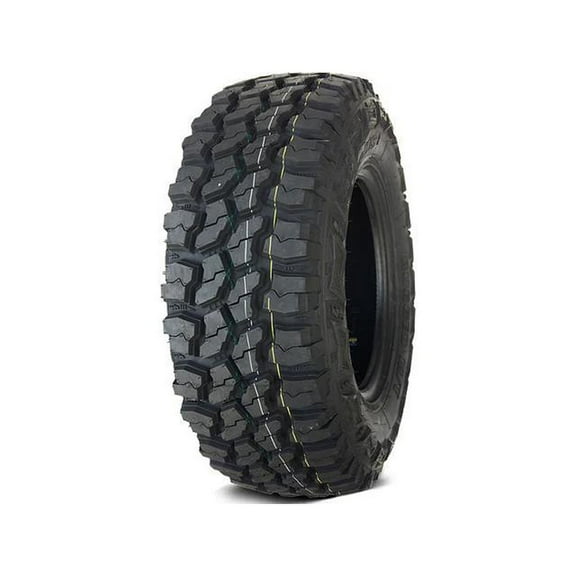
About 295/70R17 Tires: All-Terrain & Mud-Terrain | Walmart - Walmart.com
You can narrow your fitment fast with 295/70r17 tires when your truck, Jeep, or SUV needs a wide stance and 17-inch wheel compatibility. You can also get a practical size for off-road traction, everyday driving, and towing setups that need stronger sidewalls and clear sizing guidance.
When you read 295/70r17, you can break it into four fitment clues before you compare tread patterns. You get a 295 millimeter section width, a 70 aspect ratio, radial construction, and a 17-inch wheel diameter.
Understanding 295/70r17 tire fitment
You should confirm your current sidewall size, wheel diameter, and vehicle clearance before you choose a replacement. You may also need to check suspension height if your build includes aftermarket wheels, leveling kits, or a lifted setup.
Because this size is wider and taller than many stock options, you should measure for rubbing at full turn. You can compare fender space, wheel offset, and brake clearance to avoid a mismatch.
If you shop by vehicle type, you can usually see this size on light trucks, Jeeps, and some SUVs. You can often match it to builds that need extra ground contact on dirt, gravel, or uneven trails.
Choosing tire type for 295/70r17 tires
You should choose tire type based on where your miles happen most often. You can compare all-terrain, mud-terrain, highway, and rugged terrain options by road noise, tread voids, and off-pavement grip.
- You can pick all-terrain tires for mixed driving, gravel roads, and weekend trail use.
- You can choose mud-terrain tread when your route includes deep mud, loose soil, and larger tread blocks.
- You can select highway patterns when your driving stays mostly on pavement and you want a smoother ride.
- You can compare rugged terrain designs if you want a middle ground between daily comfort and tougher trail traction.
With 295/70r17 all terrain tires, you can balance daily commuting with camping trips and fire roads. You can usually notice a more versatile tread design that still handles changing surfaces with confidence.
If you’re comparing 295 70 r17 mud tires, you should focus on tread depth and wider void spacing. You can use that pattern when your driving includes softer terrain where packed tread can limit traction.
Comparing load range and construction
You should match load range to your truck’s hauling, towing, and passenger needs. You can compare Load Range E, Load Range D, and standard load options by how firmly they support heavier setups.
Load Range E can suit drivers who tow trailers, carry gear, or prefer a firmer heavy-duty feel. Load Range D can offer a middle ground when you want capability without stepping fully into heavier-duty specs.
If your driving is lighter, standard load options can make sense for everyday use and lighter cargo. You should always compare the tire’s listed load capacity with your vehicle requirements before you decide.
Most shoppers looking at 295 70r17 options can focus on radial construction for regular road use. You may often prefer radial tires because they support everyday handling, heat control, and tread life on longer drives.
If you spot bias ply construction, you should read the intended use closely before choosing it. You can reserve that option for specific off-road or specialty applications where the build matters more than highway manners.
Matching 295 70 r17 tires to your vehicle and use
You should treat vehicle compatibility as a full package, not just a size match on paper. You can check clearance, intended terrain, load needs, and wheel specs together before moving forward.
For a light truck, you may want stronger load support for tools, trailers, or bed cargo. You can pair that need with all-terrain or highway tread depending on whether your route mixes pavement and dirt.
For a Jeep build, you might prioritize sidewall strength, trail grip, and room for articulation. You can compare rugged terrain or mud-focused designs if your weekends include rocks, ruts, or muddy access roads.
For an SUV, you may want this size for a more aggressive stance and added versatility. You can lean toward all-terrain or highway tread if your driving includes family travel, weather changes, and occasional unpaved routes.
You should also compare treadwear warranty details when durability matters for your driving pattern. You can use mileage coverage as one clue, while also checking tread design and intended terrain use.
If you rotate regularly and keep inflation aligned with your setup, you can support steadier wear over time. You can also have an easier time choosing between a daily-driver pattern and a more trail-focused design.
What to look for before you decide on 295/70r17
You should verify wheel diameter first, because this size fits only 17-inch wheels. You can then compare section width, overall height, and clearance needs with your current setup.
Next, you should consider where and how you drive most often. You can narrow your options faster when you match terrain type, load range, and construction to your actual vehicle use.
With the right 295/70r17 choice, you can get the tread style, load support, and fitment confidence your build needs. You can feel more certain that your tires match your road miles, trail time, and towing demands.