


Find tires that fit
Let’s search for tires that fit your vehicle.305/70r18 Tires & LT305/70r18 All-Terrain Tires


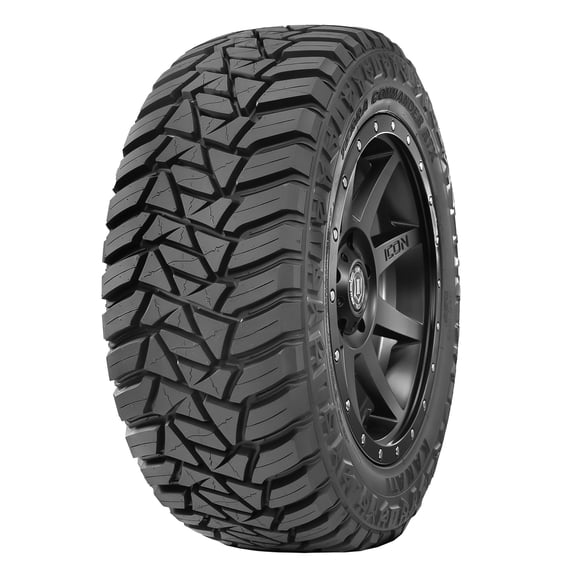

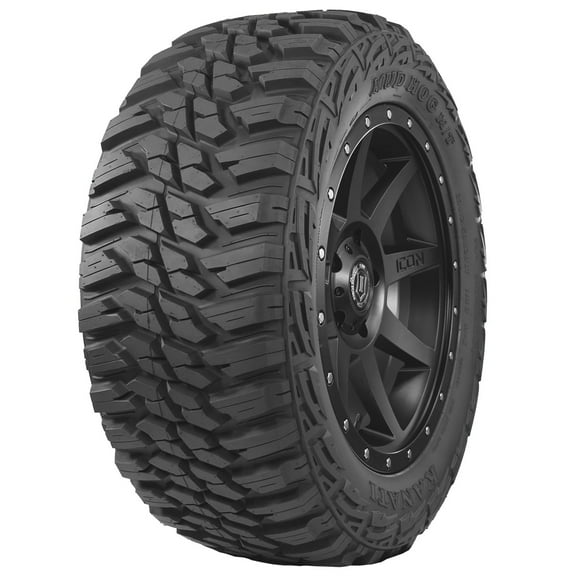


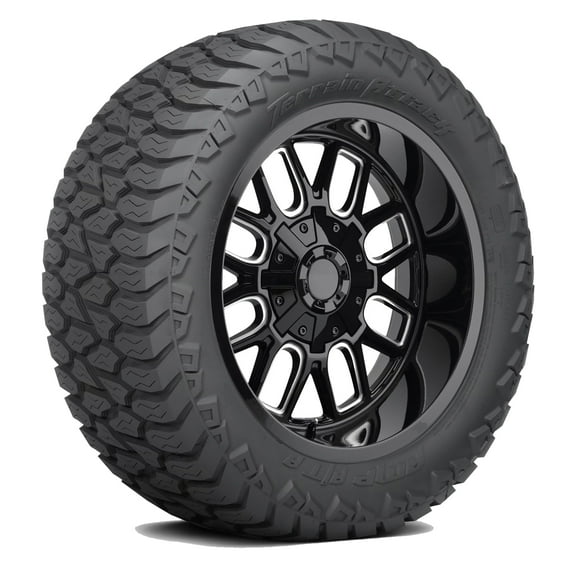
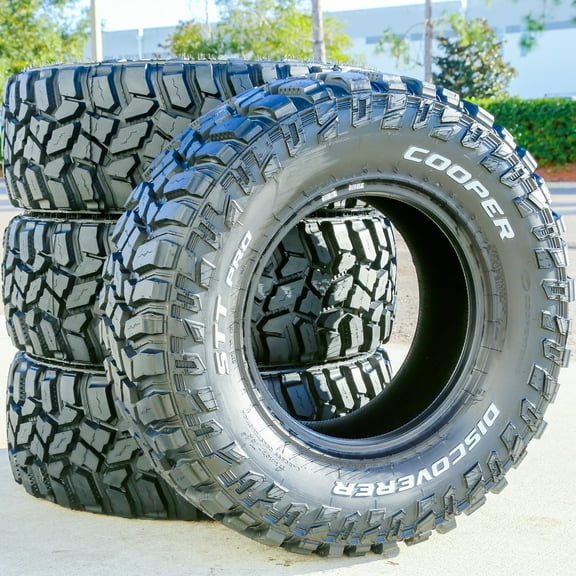

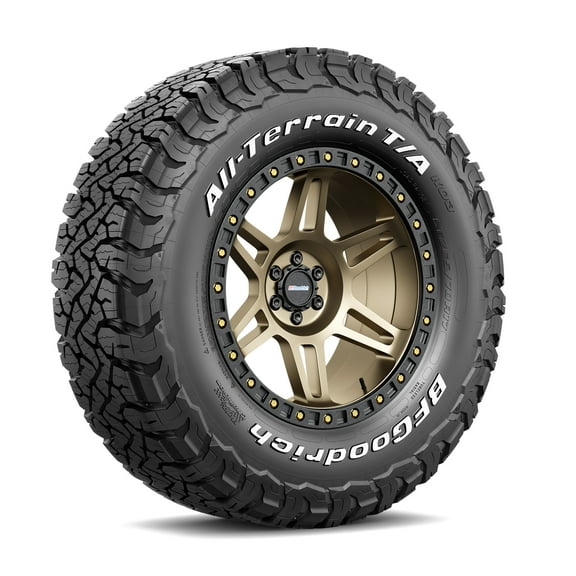

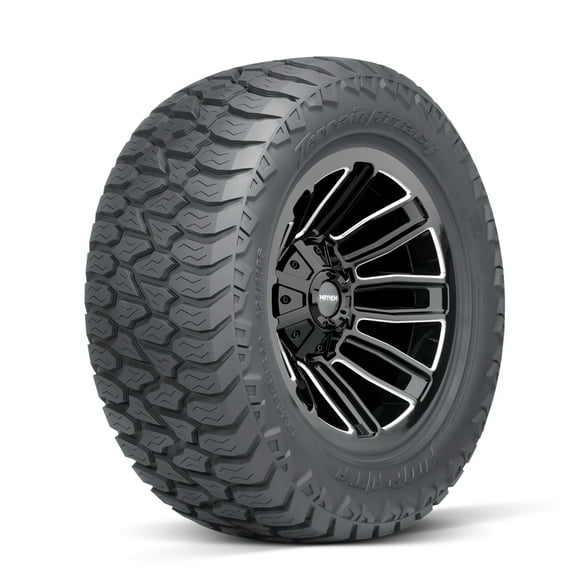
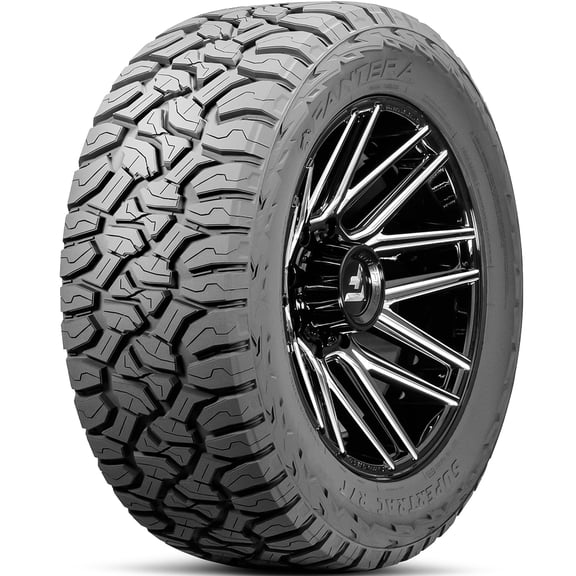

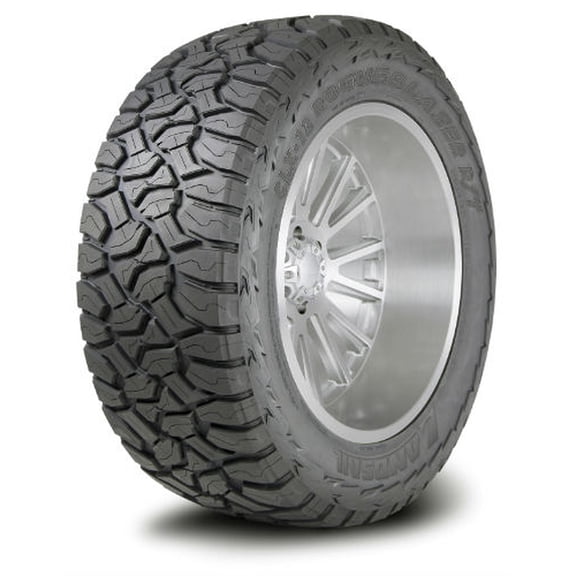










About 305/70r18 Tires & LT305/70r18 All-Terrain Tires - Walmart.com
When you shop 305/70r18 tires, you’re usually matching a serious light truck or SUV setup. You’re often looking for a wide stance, 18-inch wheel fitment, and the ground clearance that supports trail, highway, or mixed driving.
You’ll also notice this size sits in a very specific fitment zone. You may recognize it as a roughly 35-inch equivalent size, which makes clearance, load range, and tread choice especially important.
How to choose 305/70r18 tires
You should start with the size itself, because each number affects how your vehicle sits and drives. You get a 305 millimeter section width, a 70 aspect ratio, and an 18-inch rim requirement.
You’ll want to confirm wheel diameter first, since 305/70/18 tires only fit 18-inch wheels. You should also measure clearance around fenders, suspension parts, and steering components before choosing a wider replacement.
If you’re comparing 305/70r18 with 305/75/18 or 305 75 r18 options, you’re comparing sidewall height as well. You’ll usually see the 75-series size run taller, which can affect clearance, gearing feel, and speedometer readings.
You may also see LT305/70r18 sizing on product pages, and that LT mark matters. You’re looking at a light truck construction that drivers commonly choose for hauling, towing, and heavier vehicle setups.
Choosing terrain type for 305/70r18 all terrain tires
You should match tread pattern to where your truck actually spends time. You’ll get very different road manners from all-terrain, mud-terrain, highway terrain, and rugged terrain designs.
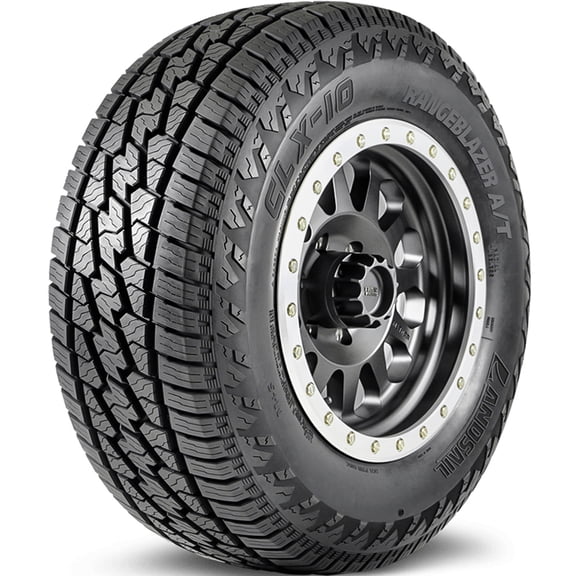
- You may prefer all-terrain tread when you split time between pavement, gravel, and light trails.
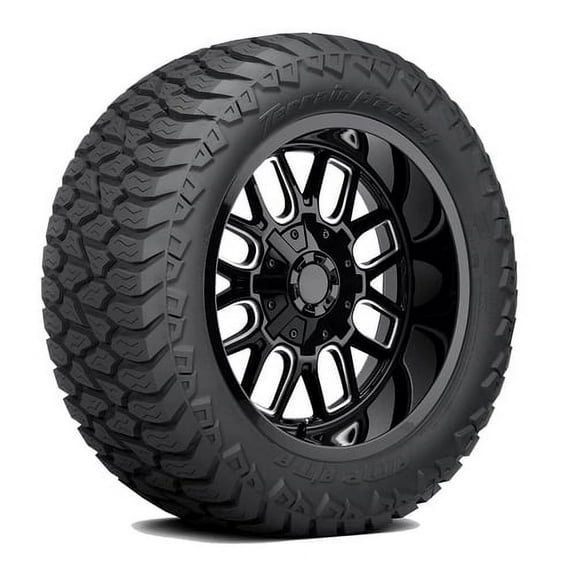
- You may choose mud-terrain tread when your routes include deeper mud, loose soil, and more aggressive off-road surfaces.
- You may want highway terrain tread when you drive mostly on paved roads and want a calmer ride feel.
- You may consider rugged terrain tread when you want a middle ground between all-terrain versatility and mud-focused bite.
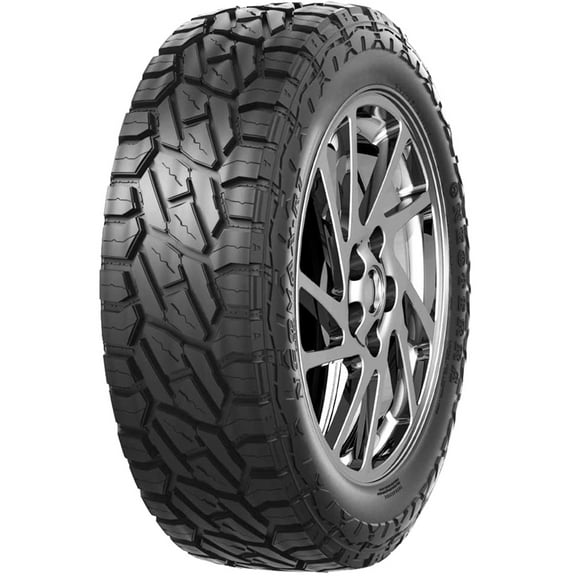
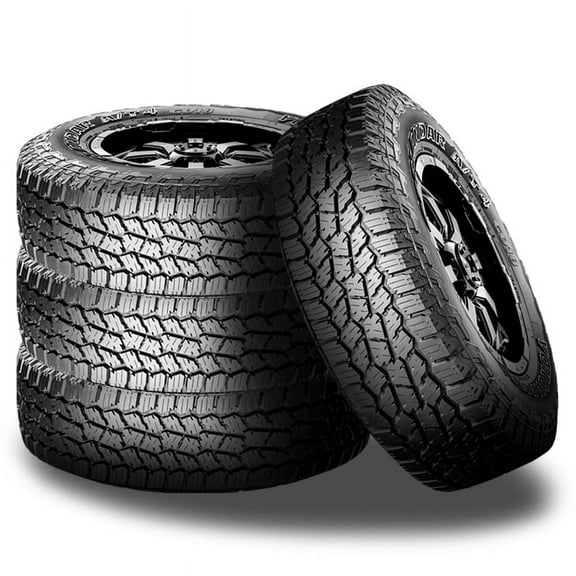
With 305/70r18 all terrain tires, you’ll usually get a balanced mix of off-road traction and daily usability. You can expect more siping and varied block patterns than many highway-focused designs.
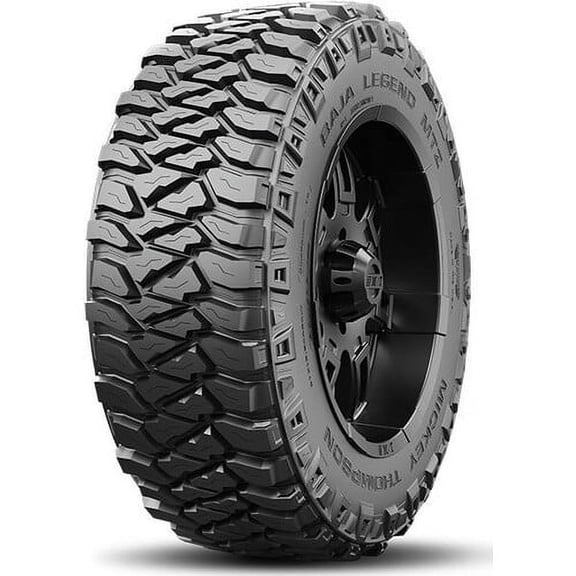
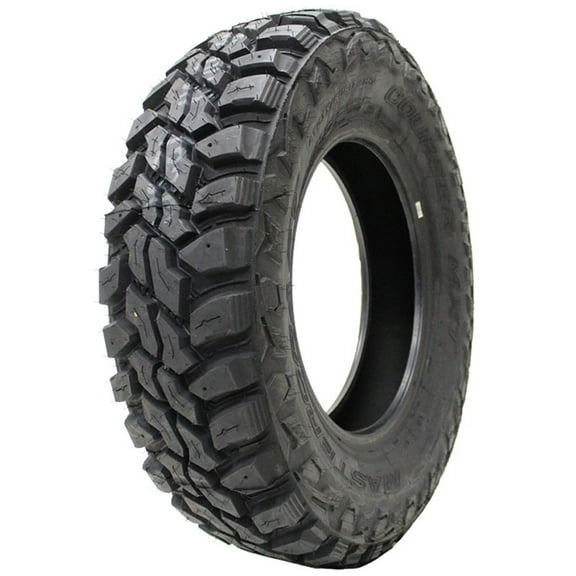
When you move to mud-terrain patterns, you’ll often gain larger voids and stronger shoulder lugs. You may also notice more road noise and a firmer on-road feel during regular commuting.
Comparing load range and LT305/70r18 construction
You should check load range before you focus on tread style, because carrying demands change tire behavior. You’ll commonly compare Load Range D, Load Range E, and LT construction in this size.
If you choose Load Range E, you’re selecting a 10-ply rated tire built for heavier duty use. You may prefer it when your truck sees towing, hauling, or added gear weight.
If you choose Load Range D, you’re often getting an 8-ply rated option with a slightly more forgiving ride. You may like that balance when your truck mixes weekend trails with regular road driving.
You’ll want to check your vehicle placard and current tire specs before changing load range. You should make sure your replacement supports your truck’s weight needs and intended use.
Radial construction is another key choice you’ll see in this category. You’ll find radial tires dominate modern truck fitments because they support steady road manners and even tread contact.
If you come across bias ply options, you’re looking at a different construction style with more niche use. You may reserve that type for specialized off-road setups rather than everyday street driving.
Checking fitment, clearance, and real-world use
You should treat this size as a fitment decision, not just a tread decision. You’re working with a wide tire that can change turning clearance, suspension space, and overall stance.
On some trucks, you may fit 305-70-18 tires with the right wheel width and offset. On other setups, you may need leveling components or additional lift for comfortable clearance.
You should check clearance at full steering lock and during suspension movement. You’ll want to measure around liners, control arms, and wheel wells before choosing a larger off-road tread.
If you use your truck for towing, camping, or loaded highway miles, you should focus on LT construction and load range. You’ll usually want a casing that supports gear, trailers, and steady handling.
For mixed commuting and trail weekends, you may lean toward 305/70r18 tires with all-terrain tread and radial construction. You can balance road comfort, gravel traction, and year-round versatility that way.
If your build aims for a more aggressive off-road look, you may compare this size with 305 75 r18 tires. You should remember that the taller alternative can require extra clearance planning.
You may also want to compare warranty miles and treadwear details when available on product pages. You’ll get a clearer sense of how manufacturers design a tire for long highway stretches or harsher terrain use.
What to look for before you finalize your size
You should confirm rim diameter, width, aspect ratio, load range, and terrain type together. You’ll make a more accurate choice when those details match your truck’s setup and driving routine.
With the right 305/70r18 fitment, you can support your truck’s stance, carrying needs, and surface grip in one decision. You’ll feel more confident when your size and tread match your real driving conditions.