

3d printing









































About 3d printing - Walmart.com
With 3d printing, you can create prototypes, parts, models, and hobby projects from your desk or workshop. You can compare printers, materials, and accessories in one place, so your setup matches your skills and project goals.
How to choose 3d printing for your projects
If you're starting out, you should first compare technology type, build volume, and setup style. You can narrow choices faster when you know whether you want simple prints, fine detail, or larger parts.
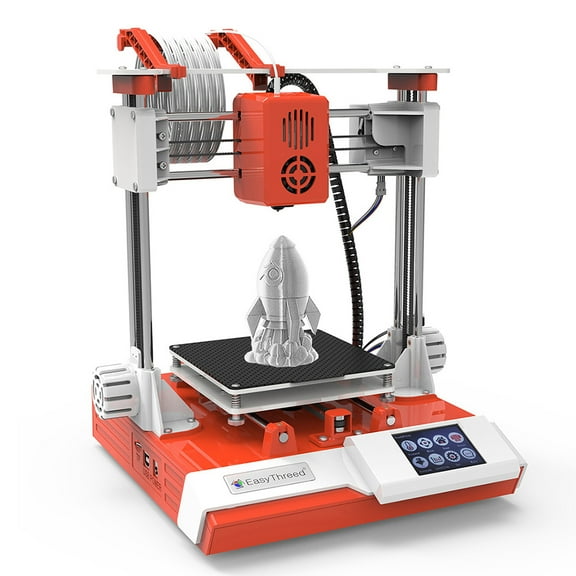
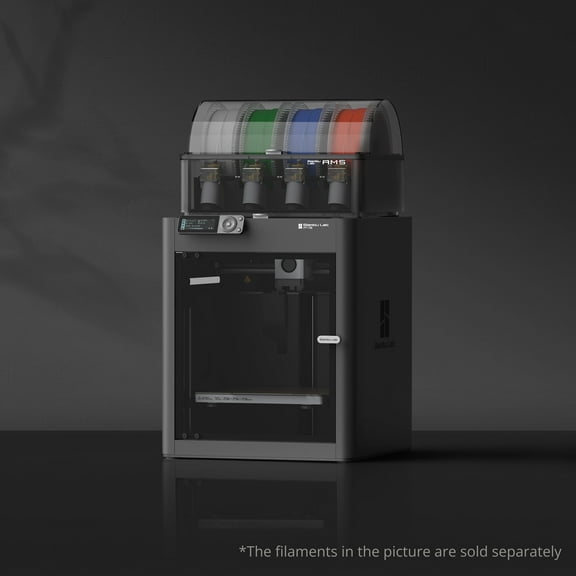
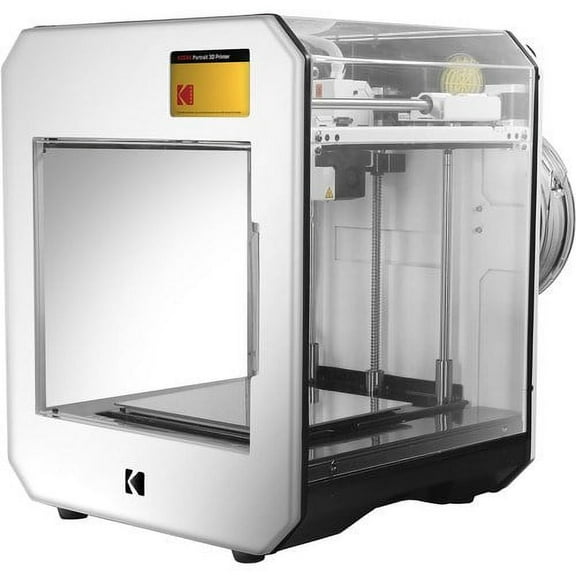
For many beginners, you may prefer FDM 3d printers because they're easier to learn and use common spool materials. If you want crisp miniature details, you may prefer SLA or resin systems for smoother surfaces.
If your work needs powder-based production methods, you may compare SLS options with your space and workflow requirements. You should also check cleanup steps, material handling, and printer readiness before you choose.
- You can use FDM for practical household parts, classroom projects, and everyday prototypes.
- You can choose SLA or resin for miniatures, display pieces, and highly detailed design work.
- You can compare small, medium, and large build volumes based on your project size.
- You can look for pre-assembled options if you want a quicker start.
Choosing the right 3d printing filament
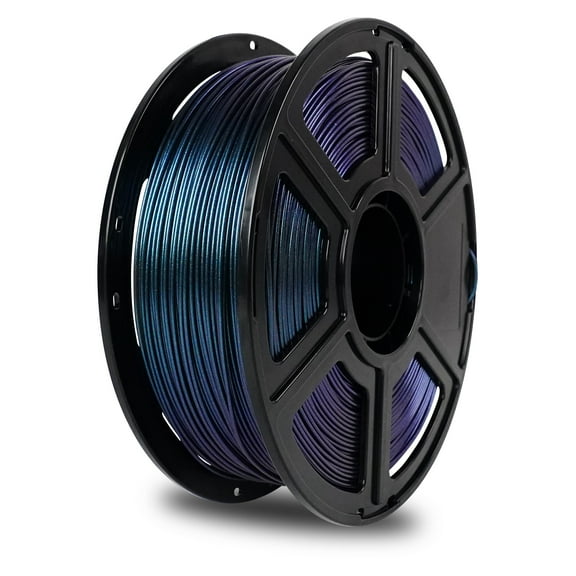
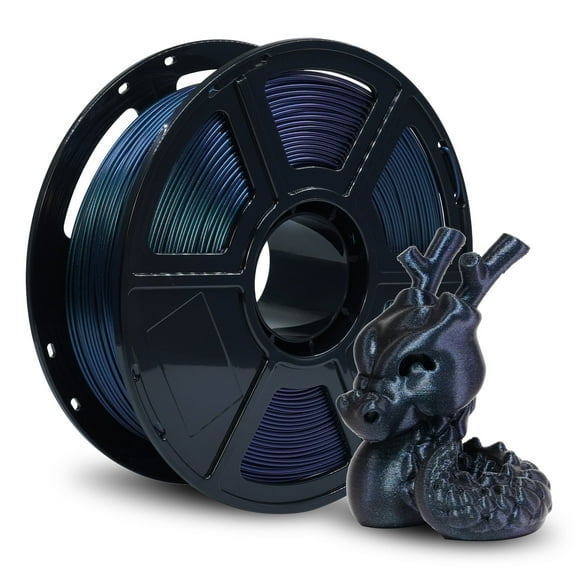
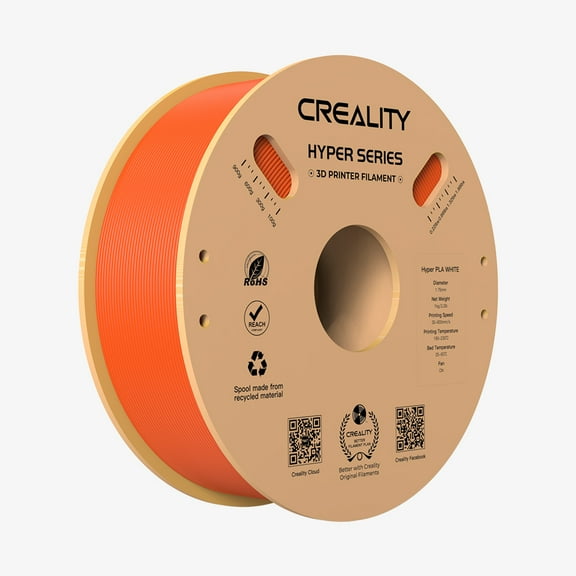
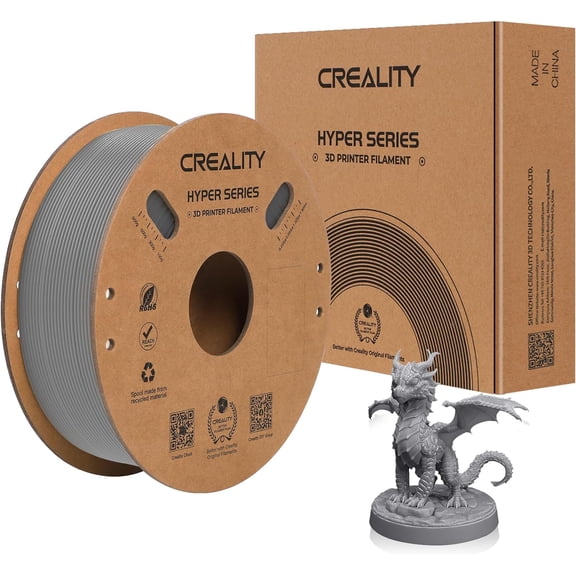
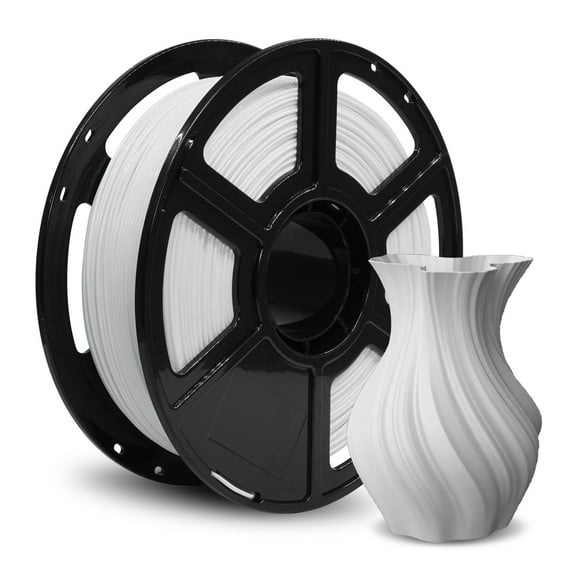
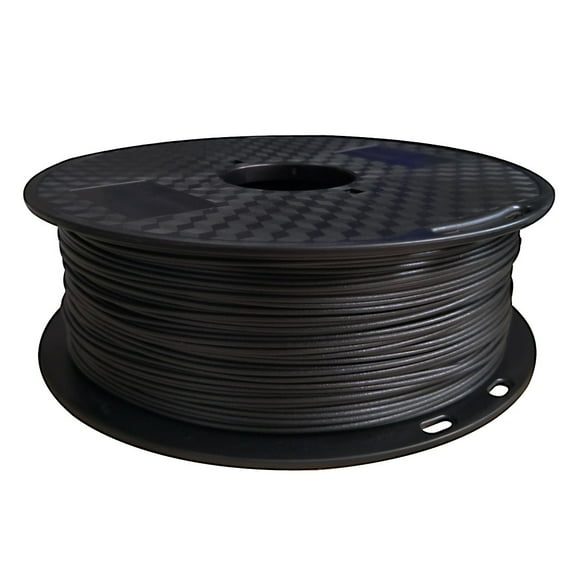
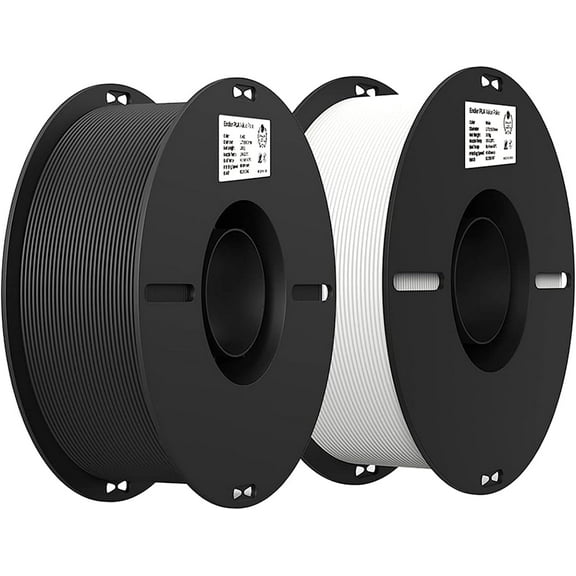
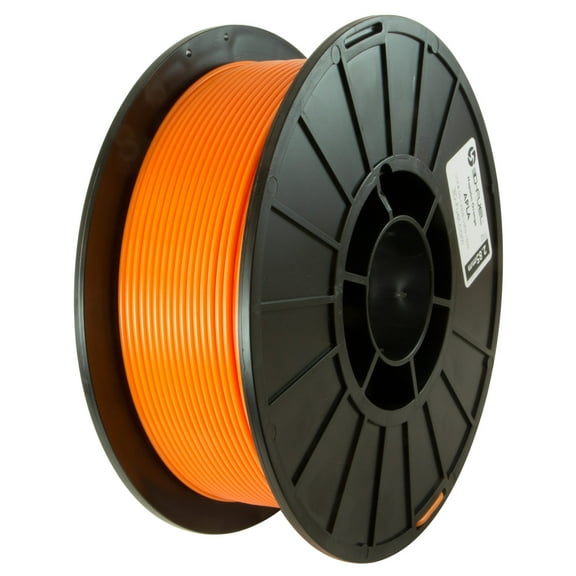
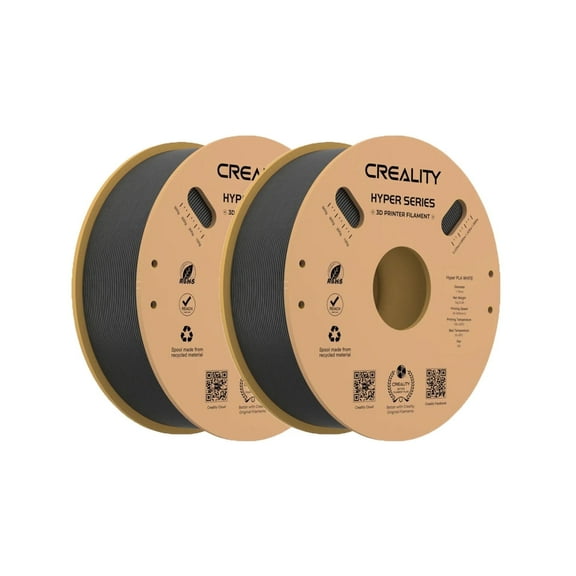
Your printer's material compatibility matters because each spool type prints differently and fits different project needs. You should check the supported filament diameter before ordering, especially if your machine uses 1.75mm or 2.85mm material.
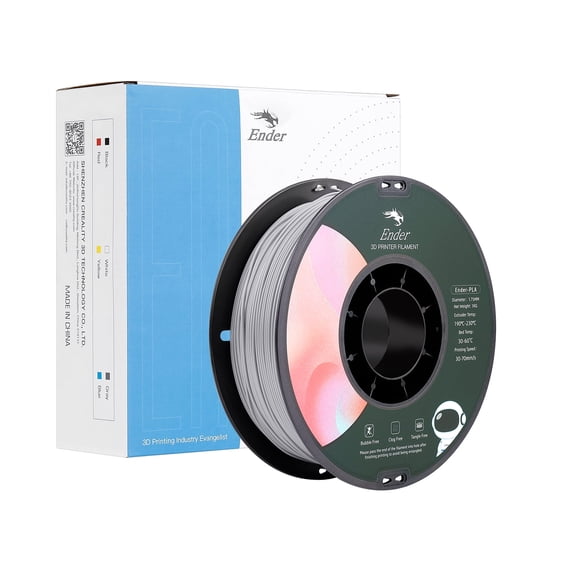
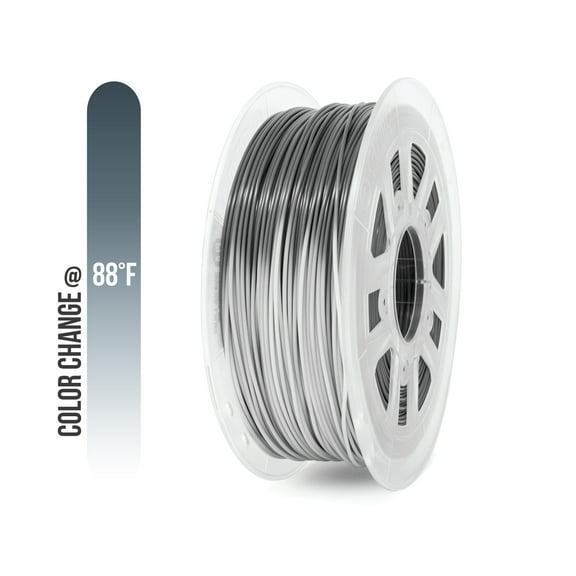
If you want an easy starting point, you may choose PLA because it prints smoothly for many everyday designs. If you need tougher parts, you may compare ABS or PETG for added durability and different finish results.
When your project needs bendable sections, you should look at TPU for flexible parts and soft-touch components. You can avoid setup frustration when you match material type and diameter to your printer specifications.
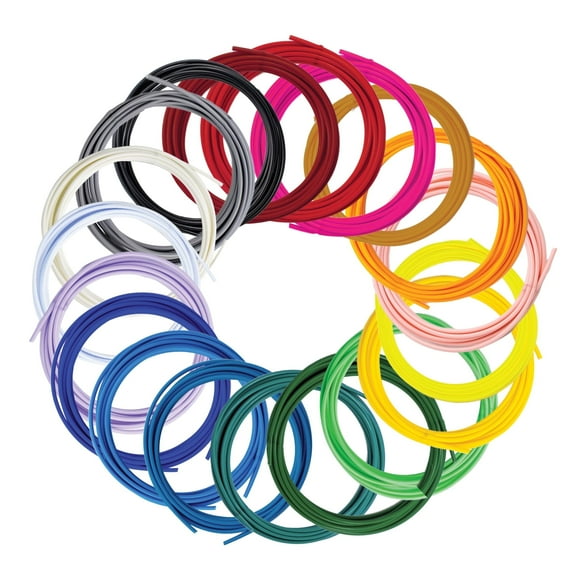
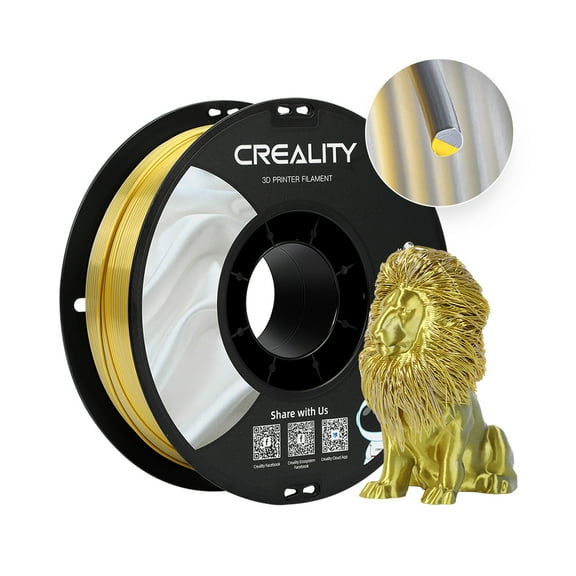
You may also compare spool size, color options, and print temperature requirements before you commit. You'll make smarter choices when you understand how 3d printing filament affects surface finish, stiffness, and daily usability.
Comparing 3d printers by build volume and setup
Your build volume decides how large a single print can be before you need to split a model. If you make small figurines or brackets, you may only need a compact print area.
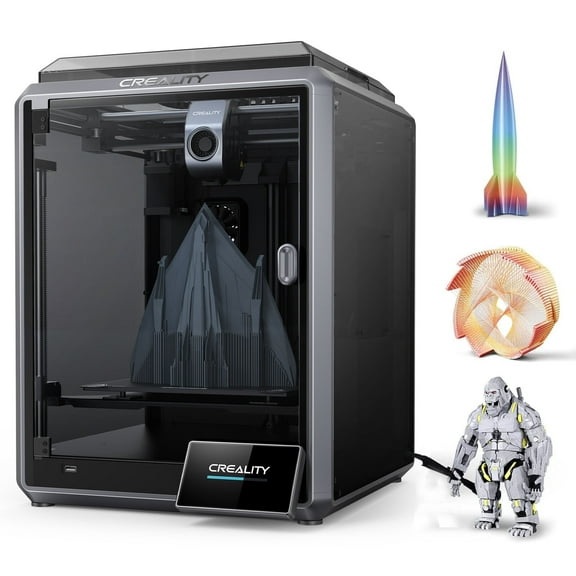
For helmets, organizers, or larger prototype pieces, you may want a medium or large machine. You should measure your intended project in inches first, so your printer can handle the full shape.
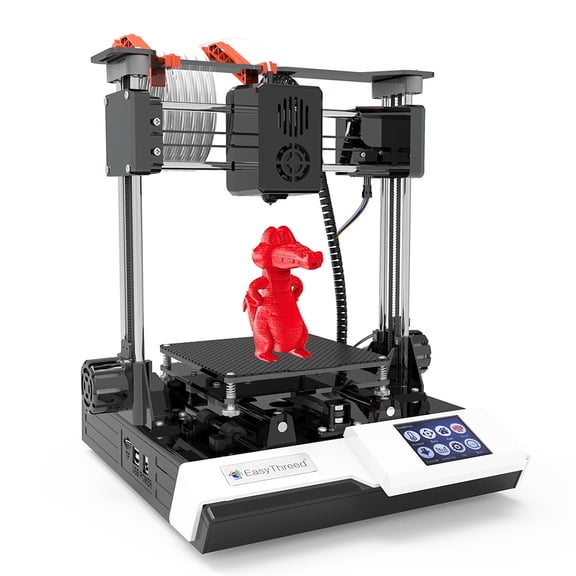
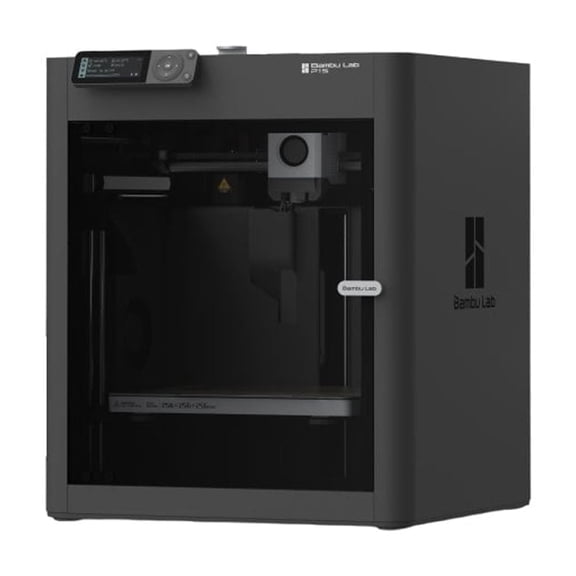
Setup style also affects your first printing experience and your available workspace. If you want less assembly, you can choose a model that's ready to use right out of the box.
If you like adjusting hardware yourself, you may consider options that need some setup before printing. You'll want to review frame style, bed size, and interface controls so daily use feels straightforward.
What to look for in 3d printer accessories
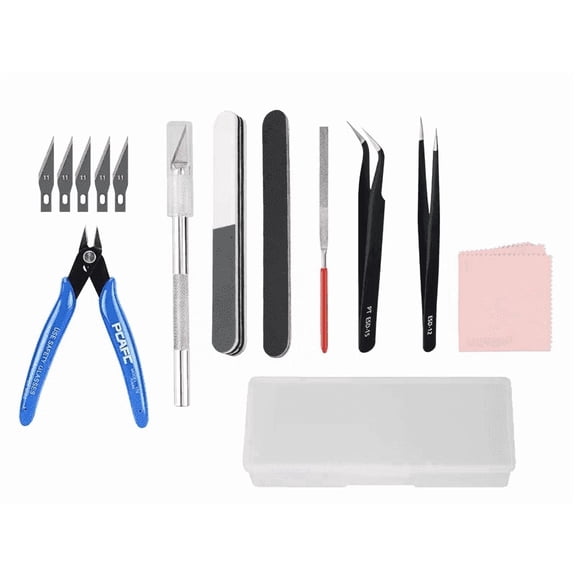
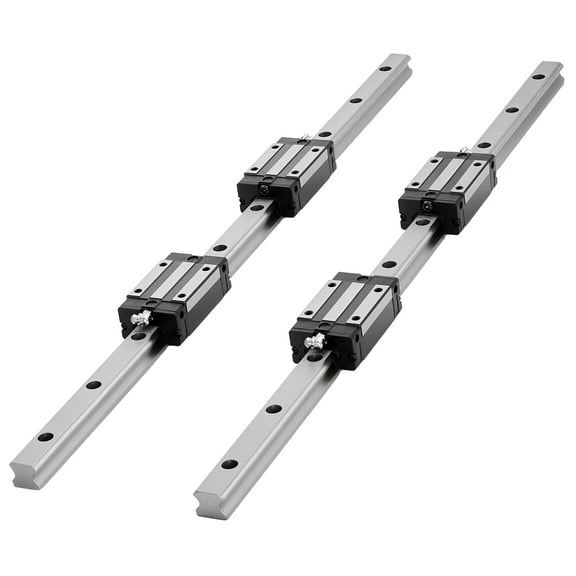
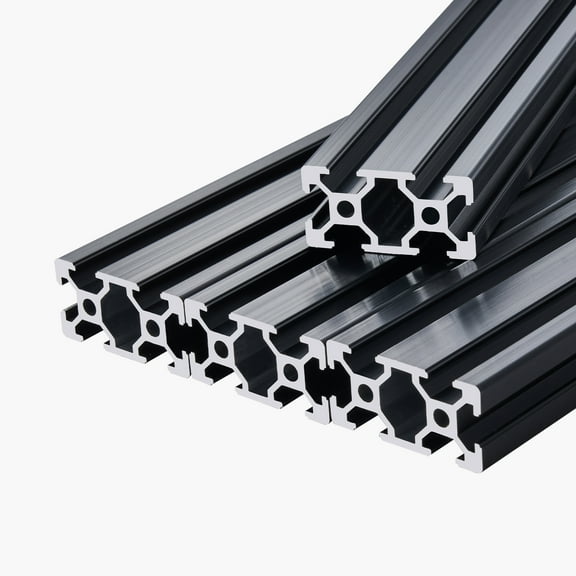
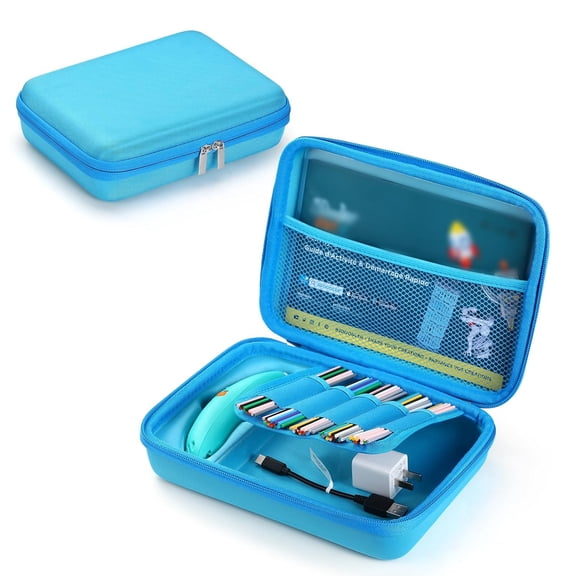
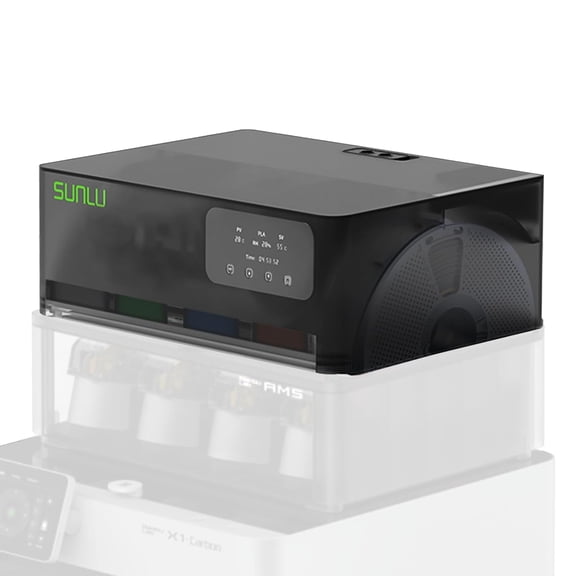
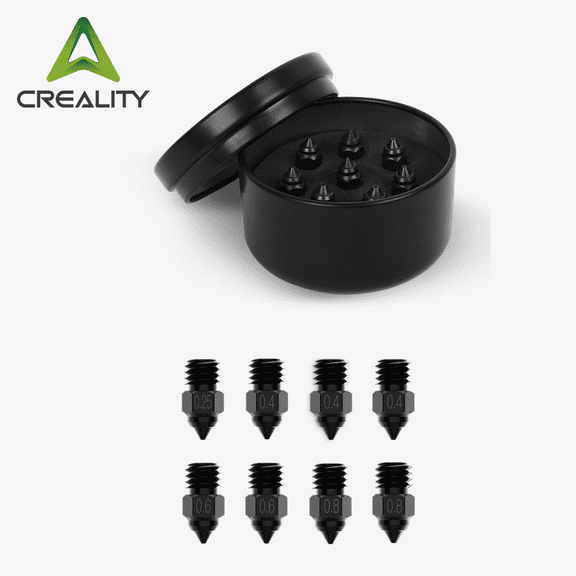
Your workflow often improves when you add 3d printer accessories that support cleaner printing and easier maintenance. You can look for replacement nozzles, print beds, tools, and storage solutions that fit your machine.
If you print often, you may want spare parts available for routine upkeep and consistent output. You should also check compatibility with your printer brand, material type, and common print sizes.
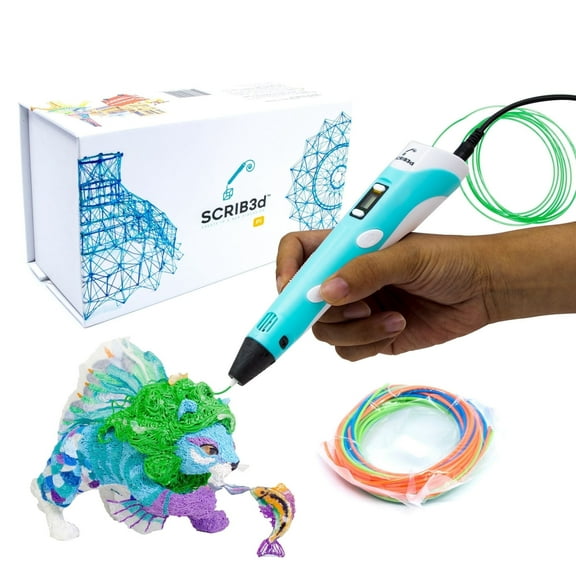
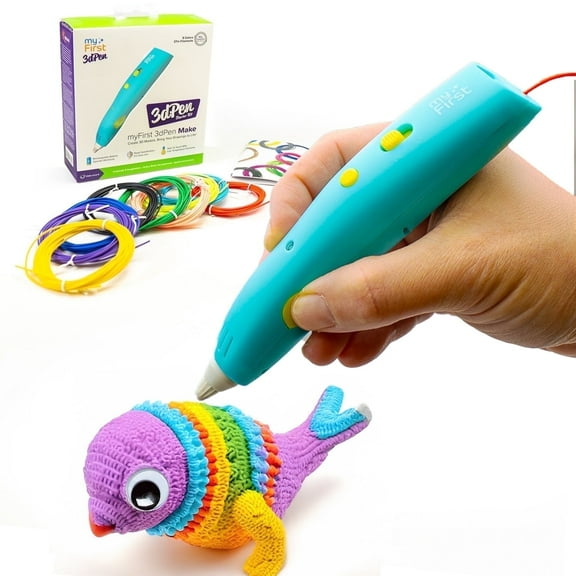
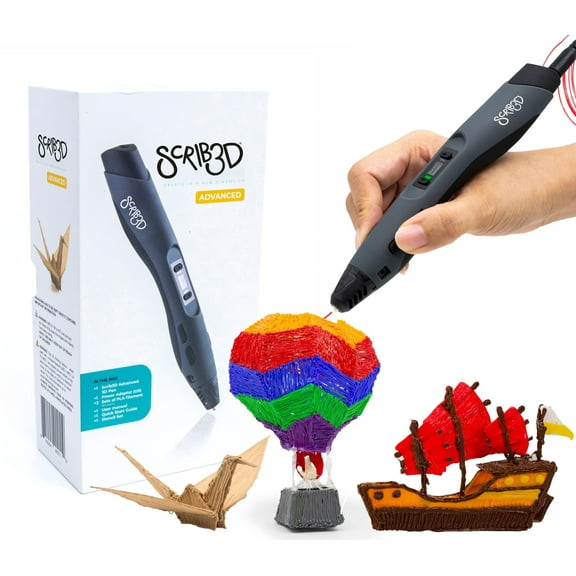
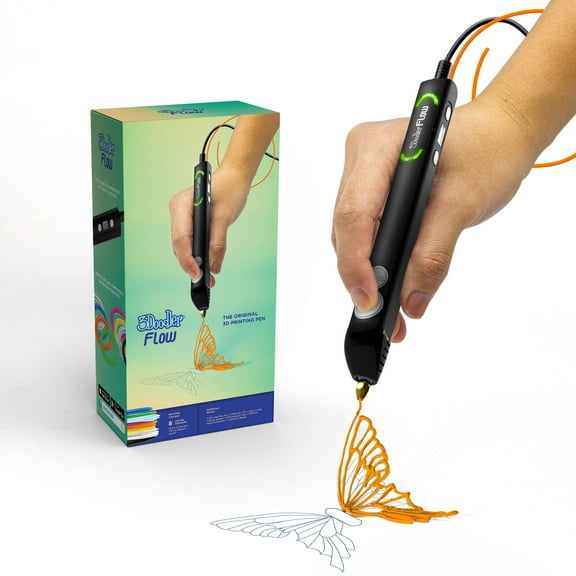
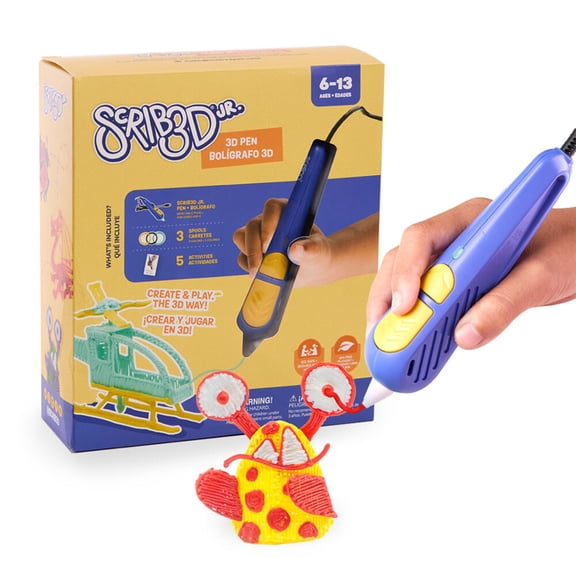
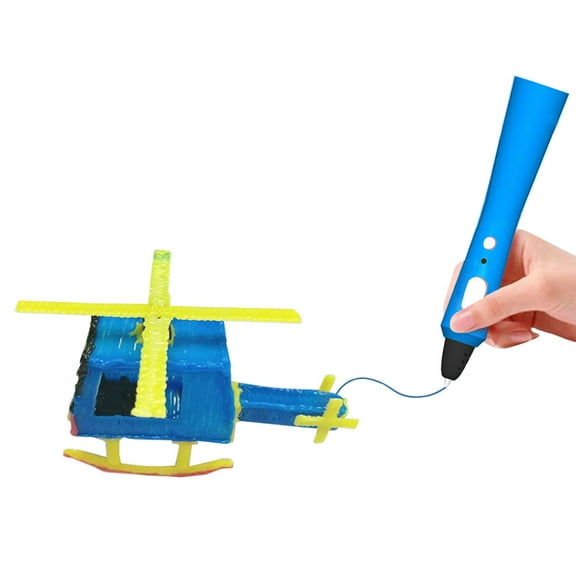
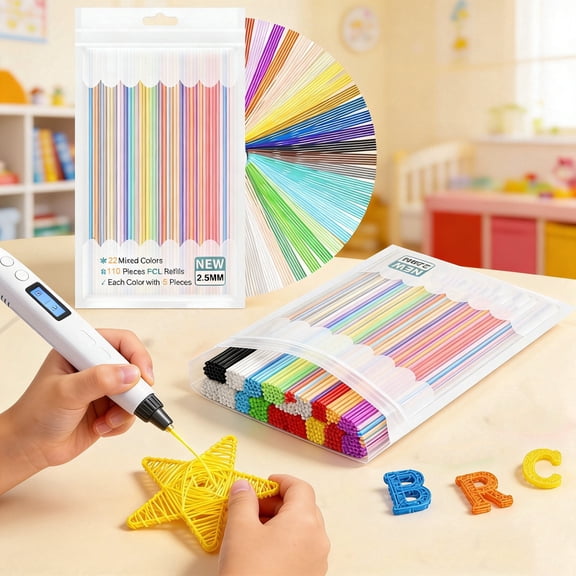
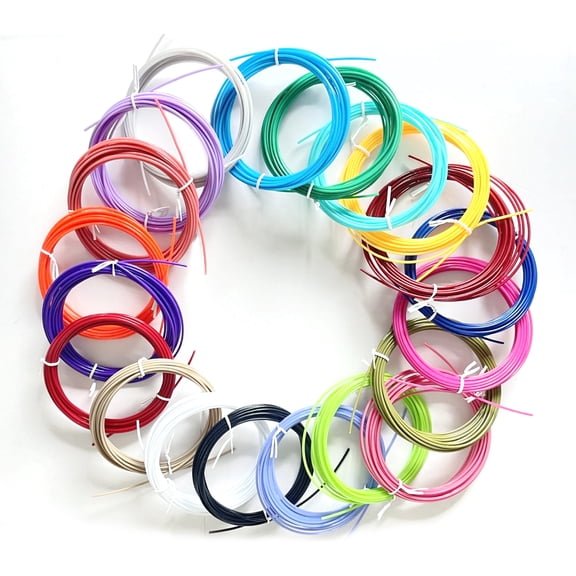
For creative projects, you may also explore a 3d printing pen for freehand details and simple model touch-ups. You can use these tools for crafts, school projects, or adding accents after your main print finishes.
You'll also benefit from organized filament storage, especially when you keep several materials on hand. Your supplies stay easier to sort when you separate PLA, ABS, PETG, and TPU by diameter and color.
Matching 3d printing options to real uses
If you're learning at home, you may start with an FDM printer, PLA, and a small build volume. You can print organizers, clips, model parts, and classroom-style projects with a simpler setup.
When you build detailed miniatures, you may lean toward SLA or resin technology for finer surface detail. You can pair that choice with smaller print sizes when your focus is precision rather than bulk.
If you prototype enclosures or custom brackets, you may compare PETG or ABS for sturdier everyday parts. You should choose a medium or large build area when your designs need more printable space.
For flexible grips, wearable accents, or bendable pieces, you may look for TPU compatibility before ordering supplies. You'll get a smoother buying experience when your printer, diameter, and material all line up.
With the right 3d printing setup, you can move from idea to finished object with fewer mismatches and less trial and error. You can choose technology, filament, size, and accessories with confidence when each decision fits your project.