

Sports & Outdoors: Gear, Apparel & Equipment | Walmart
Shop by sport




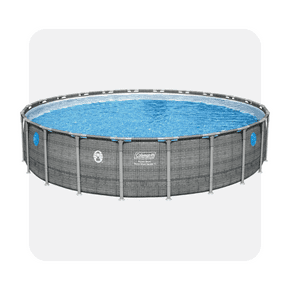

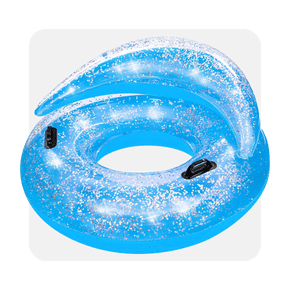

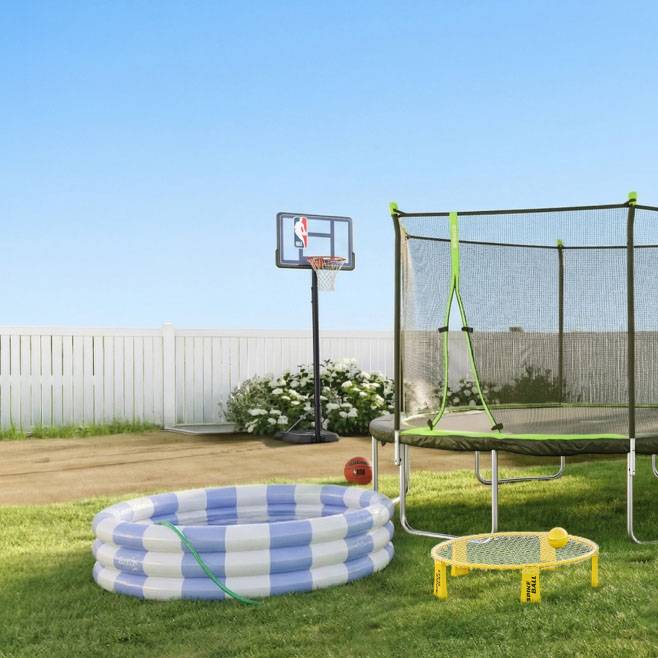
Backyard fun finds
Trampolines, swing sets & more
Shop now
Team up for outdoor games
Cornhole, spikeball & more
Shop games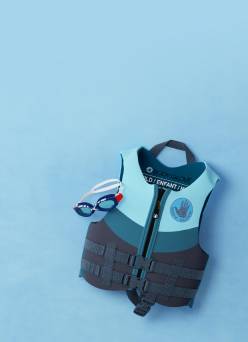
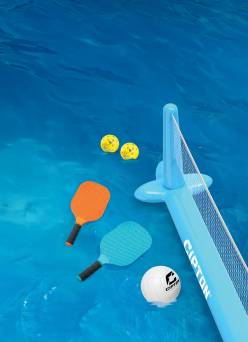
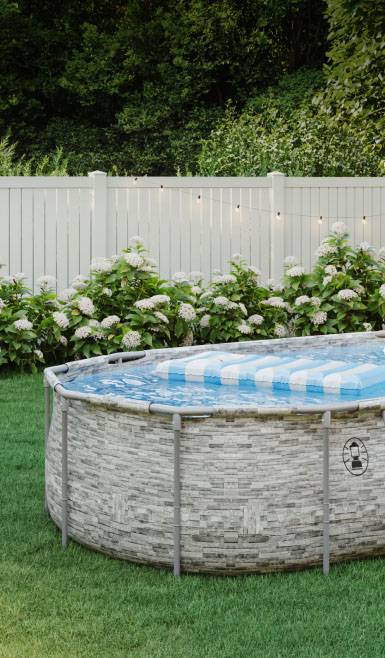
Chemicals, nets & beyond
Pools & accessories
Shop now
Shop by brand









FAQ
About Sports & Outdoors: Gear, Apparel & Equipment | Walmart - Walmart.com
With sports & outdoors gear at Walmart, you can compare equipment, apparel, footwear, and accessories for training, play, and time outside. You can see activity-focused choices for camping, team sports, fitness, cycling, and water sports in one hub.
Whether you’re setting up a backyard game, planning a trail trip, or upgrading home workouts, you may need gear that matches how you move. You can use this guide to compare key choices before you pick sports items for your routine.
How to choose sports & outdoors gear by activity
Start with your activity type, because your gear needs can change fast between camping, cycling, and team sports. You may want different dimensions, materials, and carrying options for each setting.
For camping, you can compare tents, sleeping bags, coolers, and lanterns that fit your group size and trip length. For cycling, you may check frame size, helmet fit, and storage options for road or trail rides.
Team sports can call for balls, nets, protective gear, and practice tools that match your league or backyard setup. Fitness gear often centers on treadmills, weights, mats, and resistance tools that fit your room.
- You can narrow choices more easily when you shop by activity instead of comparing every item at once.
- You can match your gear to the right environment, from indoor floors to trails, fields, and water.
- You can pick equipment that fits your skill level, whether you’re starting out or refining technique.
- You can find sports items that support solo training, family recreation, or organized competition.
What to look for in sports items and equipment
Compare dimensions and weight capacity first when you’re choosing larger equipment or shared gear. You can reduce guesswork when you check whether a treadmill fits your room or a chair supports your setup.
Weatherproofing ratings matter when your gear stays outdoors or travels through changing conditions. You may want tents, canopies, and bags made with weather-resistant nylon when your plans include rain, wind, or damp ground.
Material choice also shapes how your gear feels and lasts during repeated use. You may prefer heavy-duty steel for strength, while lightweight carbon fiber helps when you carry bikes or performance-focused equipment.
Apparel and protective gear need clear size information before you choose a style. You may want size charts for helmets, pads, gloves, and activewear, so your fit feels secure and easy to move in.
Skill level can guide your decision just as much as specs and materials. You can start with simpler equipment for learning, while experienced users may look for more precise adjustment options.
Choosing gear category, fit, and terrain
Think about whether you need equipment, apparel, footwear, or accessories before you compare brands or colors. You can shop more efficiently when you separate core gear from add-ons like bottles, bags, and training aids.
Footwear depends on where you move most often, not just how it looks. You may want tread and support that fit indoor courts, outdoor pavement, backyard grass, or uneven trail surfaces.
Terrain can change your packing list and your material priorities. You may need compact gear for apartment workouts, rugged pieces for campsites, or easy-carry accessories for park and beach days.
When you compare outdoor and sports stores, convenience often means finding the right categories in one place. You can spend less time switching between departments when camping gear, bikes, balls, and fitness equipment sit under one destination.
If you’re looking for sports accessories, you can focus on the extras that support your main activity. You may compare hydration gear, storage, grips, pumps, locks, and protective add-ons after choosing the core equipment.
How sports & outdoors gear fits real life
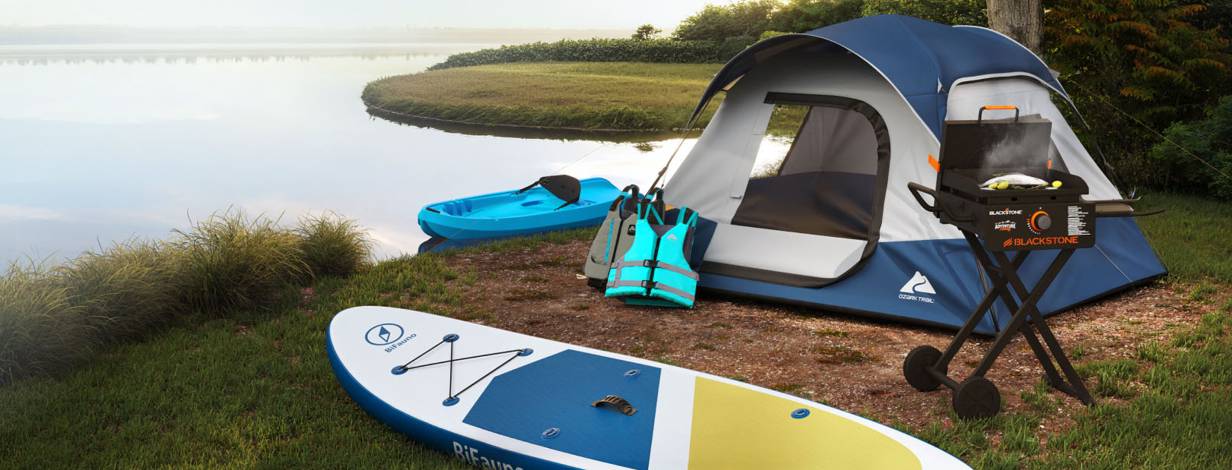
For a family camping weekend, you may combine a weather-resistant tent, folding chairs, coolers, and lanterns. You may want gear that packs well, handles outdoor use, and fits both adults and kids.
If you’re building a home gym, you can compare treadmills, bikes, mats, benches, and free weights by footprint. You can maximize your space when you measure length, width, and clearance first.
For team practice in the backyard or at the park, you may need goals, balls, cones, and training accessories. You can get a smoother setup when your equipment matches your available space and player age.
Cycling commuters and weekend riders may need different combinations of gear and accessories. You might choose lighter equipment for longer rides, then add helmets, lights, locks, and packs for everyday use.
Water sports shoppers may compare carry weight, drying time, and storage needs before choosing equipment. You may appreciate lightweight materials and compact accessories when your gear moves from car to shore often.
Beginners may need straightforward gear that feels easy to set up and understand. You can focus on fit, durability, and intended use first, then add specialized accessories as your routine grows.
Why this sports & outdoors guide helps you decide
You can shop with more clarity when you compare activity type, gear category, terrain, and material in one place. You may feel more prepared for practice, workouts, rides, and weekends outside with gear that fits your plans.
That practical approach helps you choose equipment, apparel, footwear, and accessories with fewer mismatches. You can end up with sports & outdoors gear that fits your space, your pace, and your routine.
Related Links
- 12 Can Coolers
- 24 Can Coolers
- Backpack Coolers
- Bear Proof Coolers
- Beverage Coolers
- Cactus Coolers
- Car Coolers
- Cooler Bags
- Cooler Ice Packs
- Coolers by QT Size
- Coolers by Brand
- Electric Coolers
- Ice Chest Coolers
- Large Cooler
- Marine Cooler
- Personal Cooler
- Small Cooler
- Soft Sided Coolers
- Styrofoam Coolers
- Thermoelectric Coolers
- Wheeled Coolers
- Coolers by Color
- Coolers by Features
- Coolers by Size
- Coolers by Use Case
- Beach Tents
- Screen Tents
- Sun Shelters
- Tent Accessories
- Backpacking Tents
- Cabin Tents
- Camping Tents
- Canvas Tents
- Car Tent
- Dome Tent
- Family Camping Tent
- Glamping Tent
- Hammock Tent
- Instant Tent
- Kids' Tent
- Pop Up Tents
- Roof Top Tents
- Shower Tents
- Suspension Tents
- Teepee Tents
- Waterproof Tents
- Weather Pods
- Yurt Tents
- ALPS Mountaineering Tents
- Coleman Tents
- Kelty Tents
- Klymit Tents
- Ozark Trail Tents
- Wenzel Tents
- Tents by Size
- Bivy Sacks