


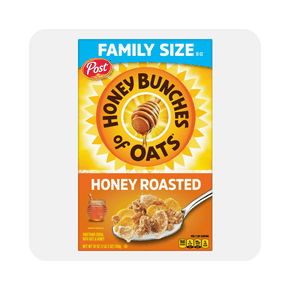


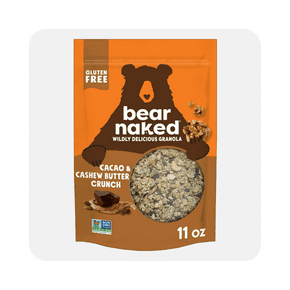


















Breakfast & Cereal
Breakfast values, $3 or less
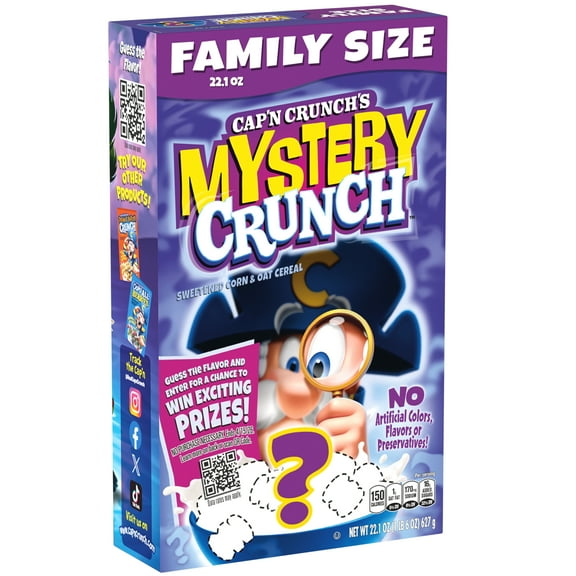
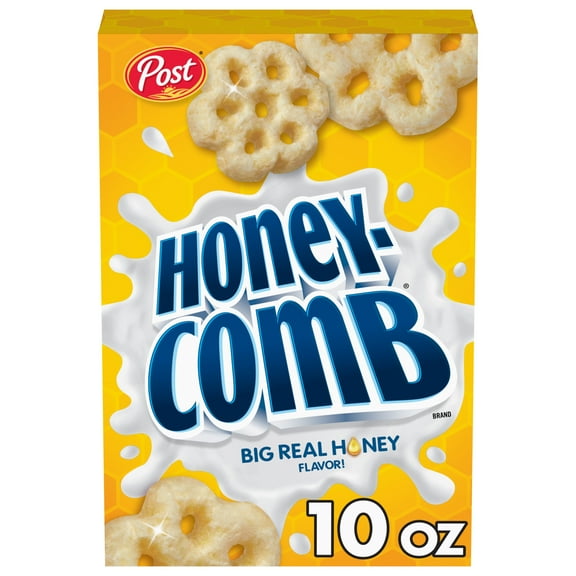
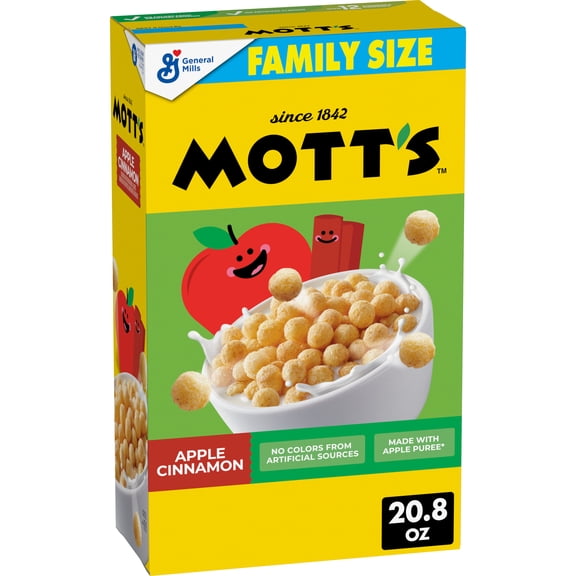
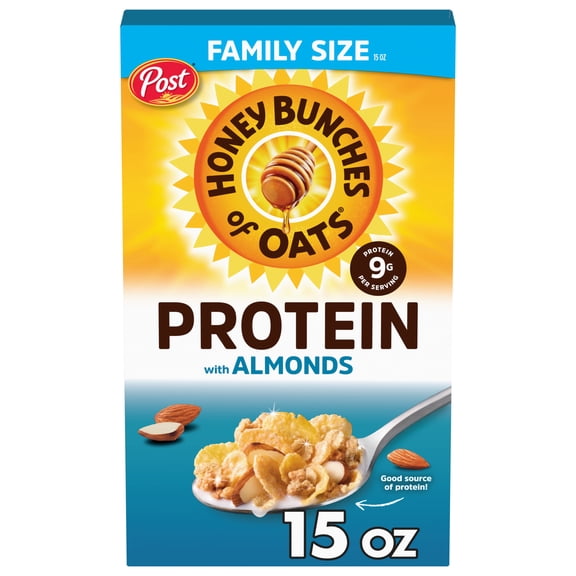
New in cereal
Great Value breakfast
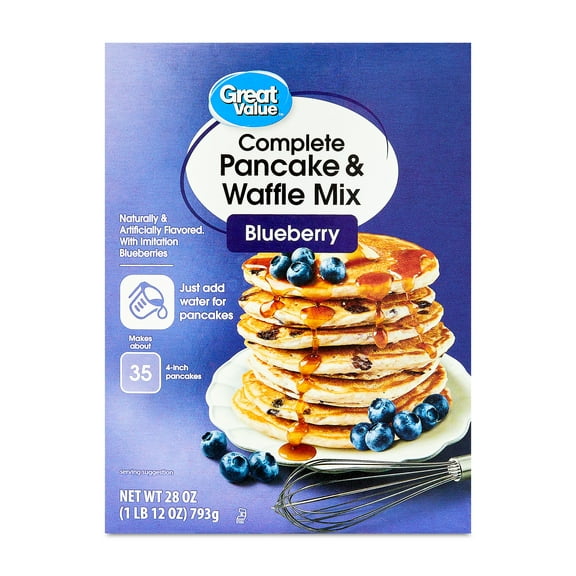
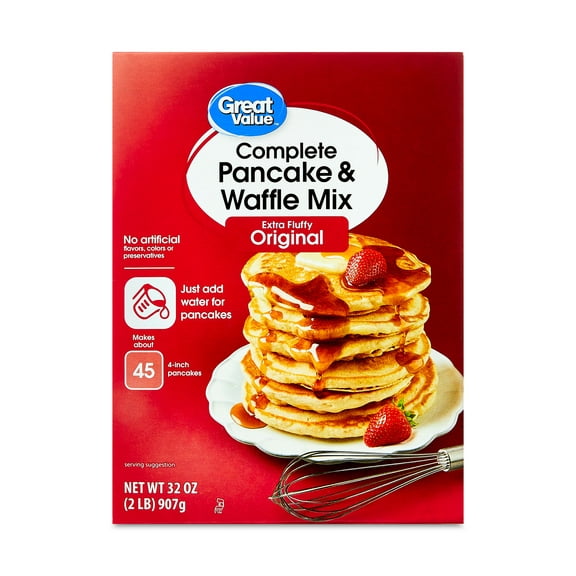
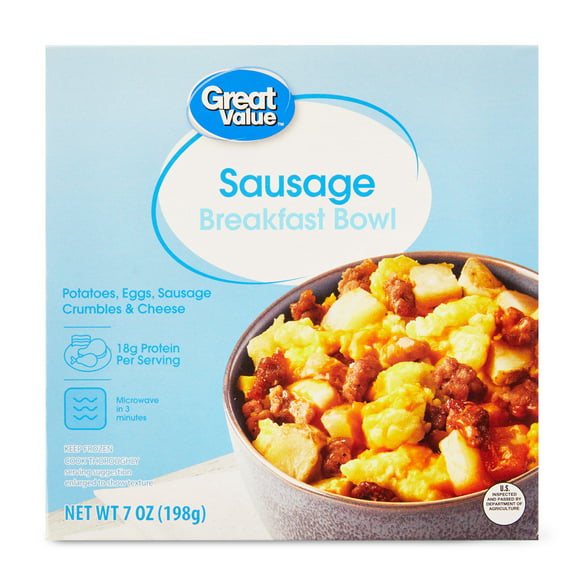
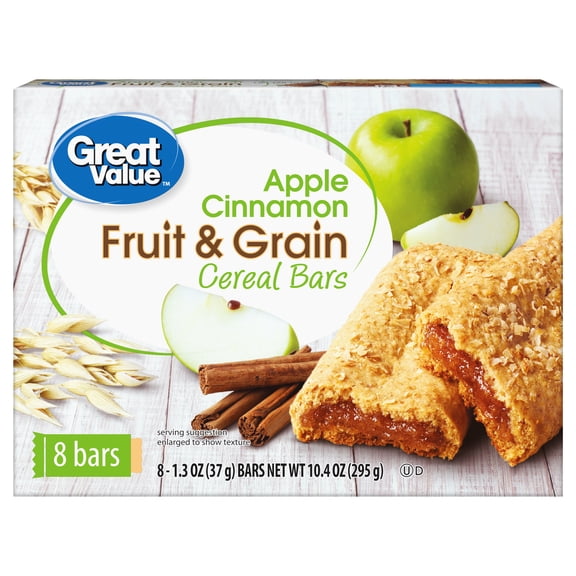

More breakfast essentials







FAQ
About Breakfast & Cereal - Walmart.com
Your cereal cost matters when you’re filling pantry shelves, planning school mornings, or comparing a quick box of cereal to bulk breakfast staples. You can use this guide to compare breakfast cereal types, package sizes, and dietary options with clearer expectations for everyday routines.
How to compare cereal cost across breakfast cereal options
When you compare breakfast cereal, you’ll want to check both box price and price per ounce. You can often spot a stronger fit for your routine by measuring package size against how fast your household finishes cereal.
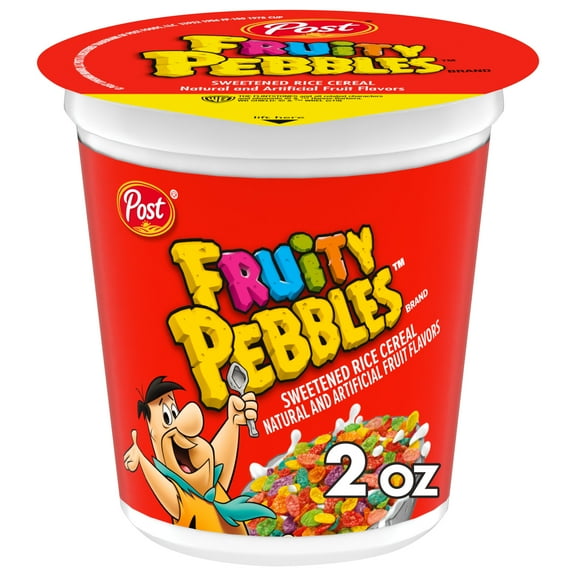
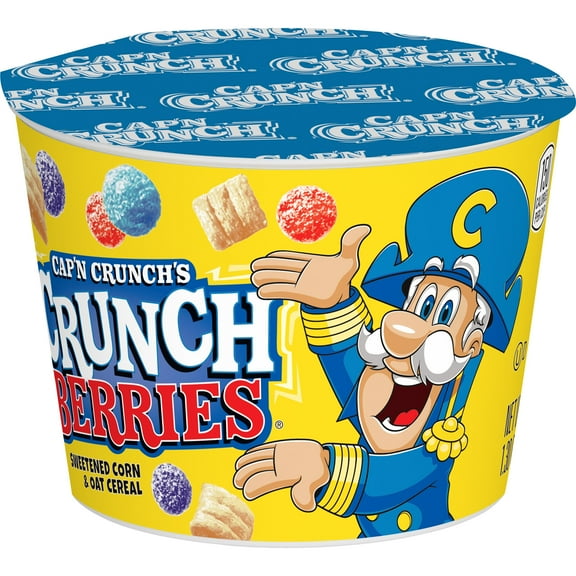
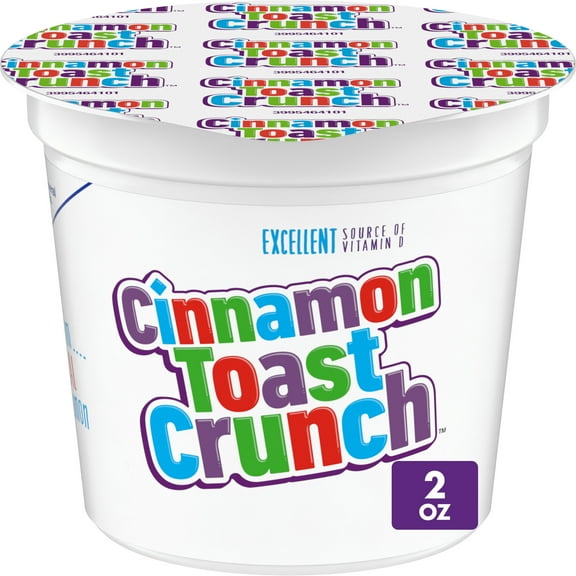
If you buy for one person, you may prefer single-serve cups or a standard box. If you stock up for a family, you may lean toward family size cartons or bulk bags.
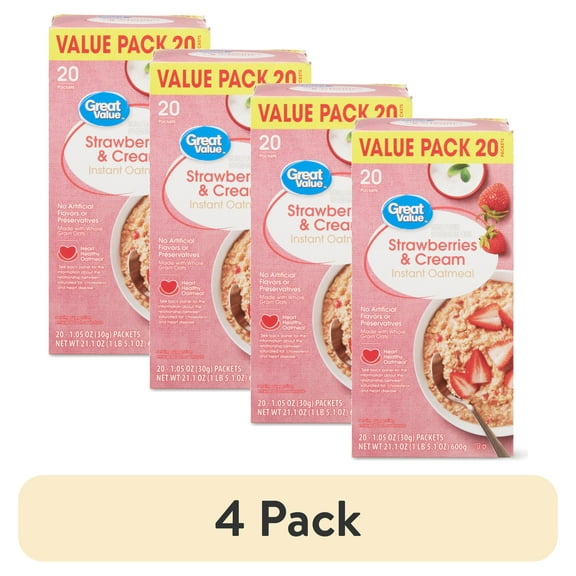
You’ll also notice that hot cereal and oatmeal can stretch across several servings with easy pantry storage. You can compare that against cold cereal convenience when your mornings move fast.
- You can compare price per ounce to understand long-term pantry planning.
- You can match package size to your household’s weekly breakfast habits.
- You can choose between quick single servings and larger refill formats.
- You can balance flavor variety with the amount your family will actually finish.
Choosing between cereals by type and dietary profile
When you compare cereals, you’ll first want to consider cereal type. You can choose cold cereal for quick bowls, or you can pick oatmeal, muesli, granola, or other hot cereal formats.
Cold cereal works well when you want a fast pour-and-eat breakfast before school or work. Hot cereal can suit slower mornings when you want a warm bowl with simple prep.
You should also check whether your breakfast cereals match your dietary preferences. You may look for gluten-free, vegan, keto, organic, low sugar, or high fiber options based on your label-reading habits.
When you review nutritional facts, you can compare sugar, fiber, and serving size in plain terms. You’ll get a clearer picture of how each cereal may fit your breakfast plan.
If certified gluten-free matters in your home, you should check the package wording closely. You can also compare ingredient lists when you want a more specific pantry match.
What to look for in flavor, audience, and cereal price
Flavor can shape whether your cereal gets finished or sits untouched in the pantry. You may compare honey nut, cinnamon, chocolate, fruity, frosted, and plain varieties based on who eats breakfast at home.
If you shop for kids, you may want familiar sweetness and easy textures in each bowl. If you shop for adults, you may prefer plainer blends, granola clusters, or options with less sweetness.
You can also compare cereals by target audience before you choose a size. A toddler-friendly option may call for smaller portions, while a family favorite may justify a larger box of cereal.
When you review cereal price, you should think about repeat use, not just the front label. You can often get a clearer read on pantry fit by checking servings per container.
You may also want variety packs or smaller formats when your household likes different flavors. You can reduce pantry boredom while keeping breakfast choices easier to rotate.
Matching breakfast cereals to real routines
If your mornings are rushed, you may choose cold cereal in a standard box for quick weekday breakfasts. You can pair it with milk, breakfast bowls, and spoons for a simple start.
If you’re planning for office snacks, dorm rooms, or travel, you may prefer single-serve cups. You can portion breakfast quickly without opening a larger package each time.
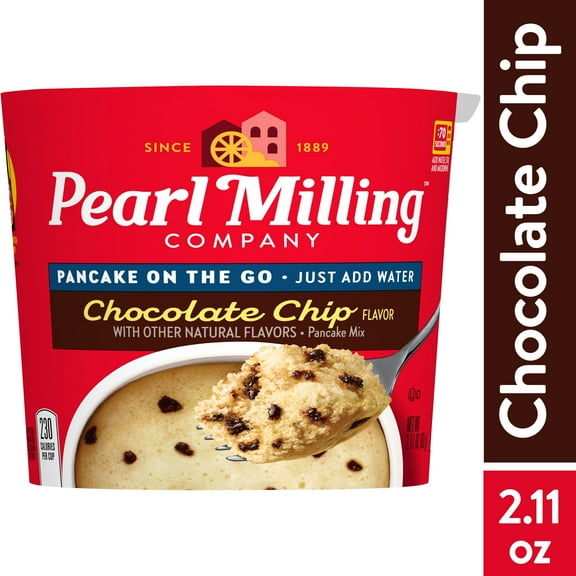
For weekend meal planning, you may choose oatmeal, granola, or muesli in larger formats. You can store them easily and portion them across several breakfasts.
If you’re shopping for a mixed household, you may keep both kid-friendly flavors and adult-focused options on hand. You can compare family size cartons with smaller boxes to avoid waste.
When shelf life matters, you should consider how often your household eats cereal each week. You can choose package sizes that match your pace and help maintain freshness after opening.
If you’re comparing cereals in usa brands and formats, you’ll notice different mixes of grains, sweetness, and textures. You can use those details to narrow your breakfast cereal choices with more confidence.
How to make a confident cereal choice
You can narrow your options faster when you compare cereal cost, type, flavor, and size together. You’ll end up with breakfast cereals that match your pantry space, your routine, and your serving needs.